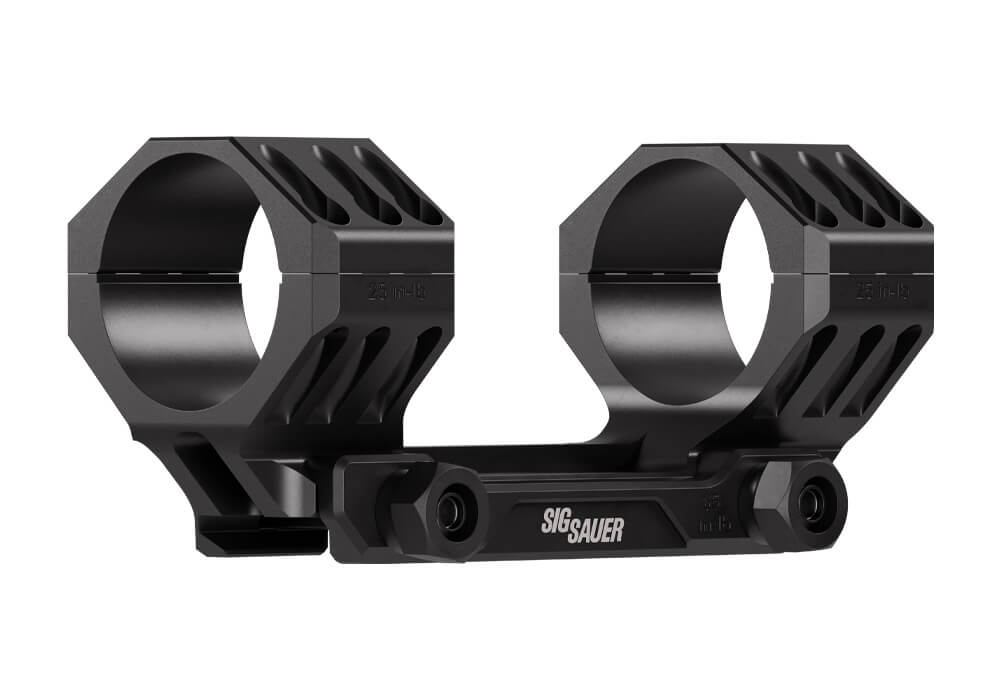
Rifle optic mounts provide the connection between a rifle’s rail system and its scope, red dot sight, or other aiming optic. A reliable mount helps keep the optic aligned, supports consistent zero retention under recoil, and positions the sight at a comfortable height for a steady cheek weld. When browsing rifle optic mounts, begin by confirming compatibility with both the rifle and the optic. The rail pattern is especially important: Picatinny, also identified as MIL-STD-1913, and Weaver rails can look similar while using different spacing and clamping details. The optic’s tube diameter must also match the mount or rings, with 1-inch, 30mm, and 34mm sizes among the most common options. Measure carefully rather than relying on appearance alone, and review the manufacturer’s specifications for rail interface, fastener size, torque guidance, and optic clearance. A mount that fits one rifle and scope combination may not suit another, even when both appear similar at a glance. Objective lens size, barrel profile, rear sight position, and the rifle’s stock or chassis can all influence the proper height. Low, medium, and high profiles each have a place, but the best choice is the one that aligns the shooter’s eye naturally with the optic while leaving enough room for the objective bell and any adjustment controls. A proper fit should feel deliberate and secure, without forcing the head upward or requiring the shooter to search for the sight picture.
Different mount styles support different setups and preferences. One-piece mounts integrate the base and rings into a single assembly, offering a rigid connection that can be useful on rifles exposed to substantial recoil or demanding field conditions. Separate scope rings attach individually to the rail and allow more flexibility when positioning a traditional scope, especially when the receiver, rail length, or optic dimensions call for careful adjustment. Cantilever mounts extend the optic forward, creating additional eye-relief options on flat-top modern sporting rifles and other platforms where the rail does not extend far enough to position the scope comfortably. This forward offset can help keep the optic in the right place without crowding the shooter’s face or interfering with the rifle’s controls. Quick-detach mounts use a lever or similar release system to allow the optic to be removed and reattached efficiently, which may suit a rifle configured for more than one sighting system. When selecting a quick-detach design, look for a secure locking mechanism, repeatable tension, and clear instructions for adjustment. Any mount should be installed with the correct tools and torque values, with fasteners checked after initial use. Over-tightening can damage the optic or rail, while insufficient tension can allow movement and affect zero. After installation, confirm alignment, verify eye relief from a safe unloaded position, and sight in at an appropriate range before relying on the setup for hunting, training, or competition. A stable bench, a clear target, and a methodical approach often reveal small fit issues that are easy to correct before heading into the field.
Rifle optic mounts can be a practical addition for hunters, recreational shooters, competitors, professional users, or anyone building a dependable rifle setup. They may also be a thoughtful gift for a shooter who has recently purchased an optic, changed rifles, or begun refining a familiar platform. Since fit is highly specific, gift buyers should note the recipient’s rifle model, rail type, optic tube diameter, objective lens size, and preferred mounting height before selecting a configuration. A gift receipt or exchange-friendly purchase can be helpful when those details are uncertain. During the cooler months, a well-positioned optic mount can make long sessions on the range more comfortable by supporting a natural head position beneath layered clothing and allowing the shooter to settle behind the rifle without strain. In the field, the right mount helps keep the sight picture consistent when moving from a pack or vehicle to a firing position, while a quick-detach design can support a flexible setup when conditions or sighting preferences change. Keep the optic and mount free of grit, inspect the rail interface and fasteners periodically, and follow all firearm handling rules whenever installing, adjusting, or removing equipment. Store the rifle in a secure location and treat every firearm as loaded until its condition has been personally verified. For additional components that can help complete a setup, explore Rifle Optics Accessories. With careful attention to rail compatibility, tube size, height, offset, recoil demands, and installation technique, the right rifle optic mount can provide a clean, repeatable connection between the rifle and the sighting system.