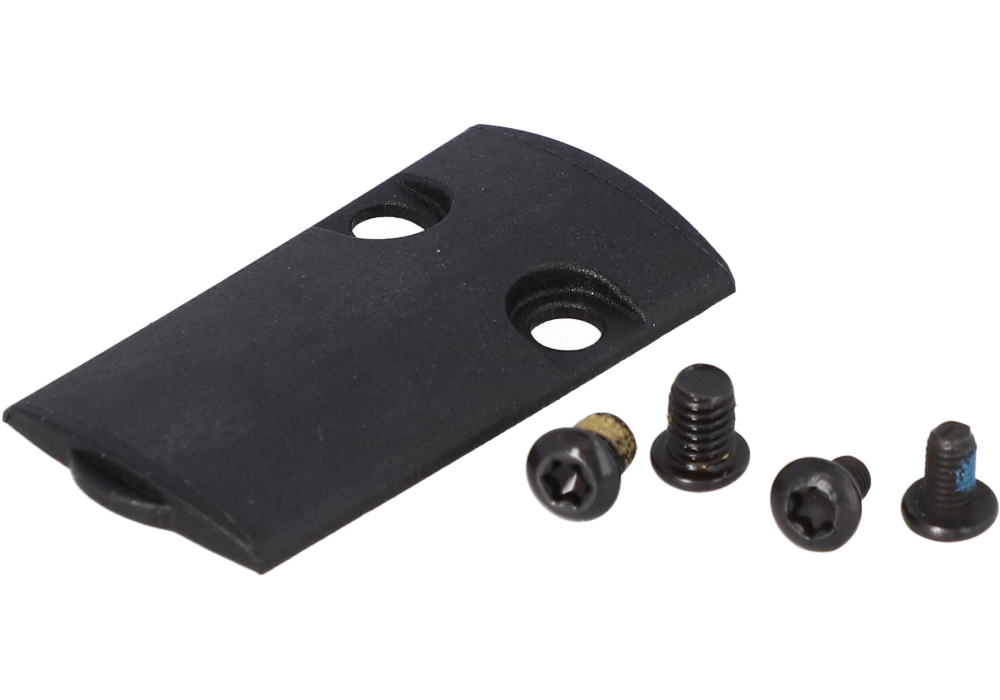
Pistol sight plates provide a practical mounting solution when an optics-ready handgun slide and a red dot optic use different mounting patterns. Rather than requiring a new slide or limiting an optic choice to a single footprint, the correct adapter plate bridges those interfaces and creates a secure, properly aligned platform. These plates are commonly used with compact, enclosed-emitter, and full-size handgun optics, including sights built around micro footprints, RMR-style footprints, ACRO-style footprints, and DPP-style footprints. Because dimensions, screw spacing, recoil lugs, and plate thickness can vary by handgun, the most important consideration is complete compatibility between the pistol model, slide cut, optic footprint, and plate design. A plate that appears similar may not be interchangeable, and even a small mismatch can affect fit, screw engagement, optic height, or the ability to maintain a reliable zero. Before placing an order, identify the exact handgun configuration and determine whether the slide was factory cut for a specific optic system or uses a modular interface that accepts interchangeable plates. Also verify whether the plate is intended for the optic’s footprint rather than the slide’s footprint; these are two separate specifications, and both must match for a proper installation. Shoppers comparing options may also want to review material, surface finish, plate thickness, recoil-resistant features, included hardware, and the manufacturer’s recommended torque values. A precisely machined plate with well-defined indexing features can make installation more straightforward while helping the optic remain seated during repeated firing and routine handling.
Choosing a pistol sight plate is less about finding a universal accessory and more about matching a carefully defined set of dimensions. Start by confirming the handgun make and model, the exact slide or optics-ready system, and the red dot footprint. Some compact pistols use a very small mounting pattern intended for low-profile micro optics, while duty-size or competition-oriented slides may support larger footprints with broader mounting surfaces. Enclosed-emitter optics may require a plate designed around their distinctive lug and screw arrangement, while open-emitter optics can use another pattern entirely. The plate’s height also deserves attention. A taller adapter may require a different sighting setup and can change the relationship between the optic and the pistol’s existing sights; a lower plate may preserve a more streamlined profile but will only work when the slide cut and optic dimensions allow sufficient clearance. Examine the plate’s edges, locating bosses, screw holes, and contact surfaces for a clean fit without rocking or visible gaps. Hardware should be the correct length for the specific combination of plate, slide, and optic. Screws that are too long can interfere with internal components, while screws that are too short may not provide adequate thread engagement. Installation should be performed with the firearm unloaded, the magazine removed, and the chamber checked according to safe handling procedures. Follow the plate and optic instructions, use the specified thread-locking method when recommended, and apply the stated torque with a suitable tool rather than relying on feel. After installation, confirm that the optic is secure, the controls remain unobstructed, and the sight picture is consistent before live-fire confirmation. During the cooler months, when range sessions may be shorter and equipment is often moved between a safe, range bag, and vehicle, a compact mounting solution can make an optics-ready handgun easier to configure without adding unnecessary bulk.
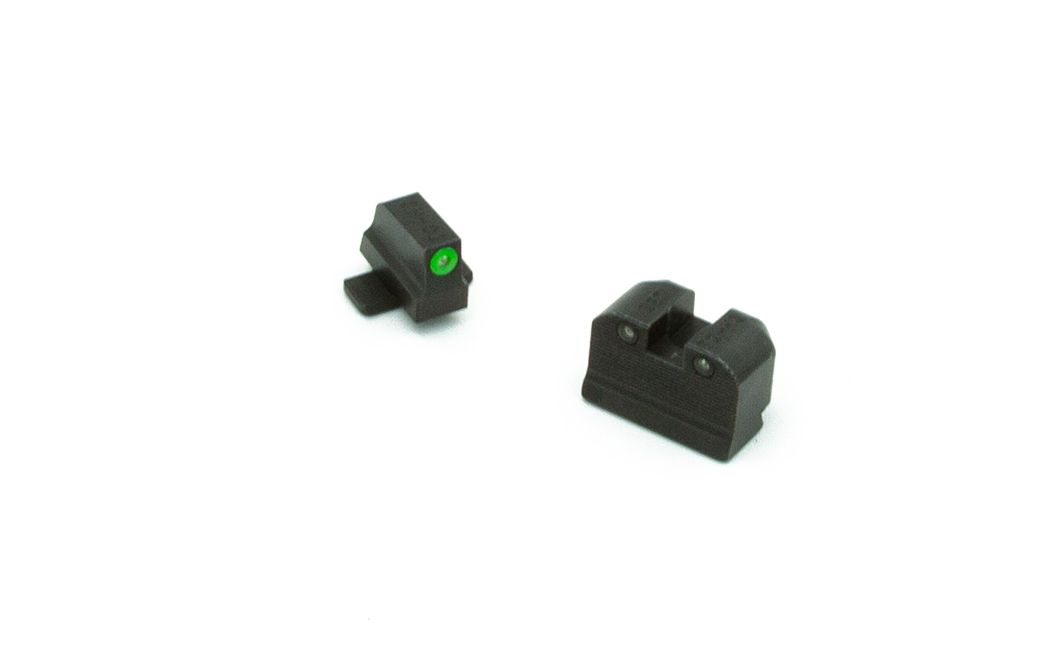
Pistol sight plates appeal to a wide range of handgun owners, from someone setting up a first optics-ready carry pistol to an experienced shooter refining a training or competition configuration. They can be especially useful for owners who already have a preferred red dot optic and want to use it on another compatible platform, or for those who need to replace a misplaced factory plate while keeping the original slide in service. A plate may also be a thoughtful gift for a handgun enthusiast, range partner, or instructor who has recently purchased an optics-ready pistol but has not yet selected the mounting solution for an existing optic. For gifting, however, compatibility details matter more than appearance: the recipient’s exact slide cut and optic footprint should be confirmed before choosing a plate. Some shooters keep multiple plates on hand so they can compare optics or maintain a backup mounting option, while others prefer a dedicated setup that stays installed and zeroed. In either case, proper fit and maintenance are central to dependable performance. Periodically inspect the plate and optic for movement, damaged hardware, or debris beneath the mounting surfaces, especially after extensive practice or transport. A small amount of lint or fouling can prevent a plate from sitting fully flat, and repeated removal can wear threads if fasteners are installed carelessly. Keep the mounting hardware organized and retain any unused plates, screws, or sealing components in a labeled container for future reference. Shooters who prefer a traditional sighting system, or who are comparing an optic setup with a conventional configuration, can also explore Pistol Rear Sights for additional handgun sighting options. Whether used for everyday carry, structured practice, competition, or general range use, the right sight plate helps turn an optics-ready slide into a stable, repeatable platform while preserving the ability to select an optic that suits the shooter’s eyes, grip, and intended use.