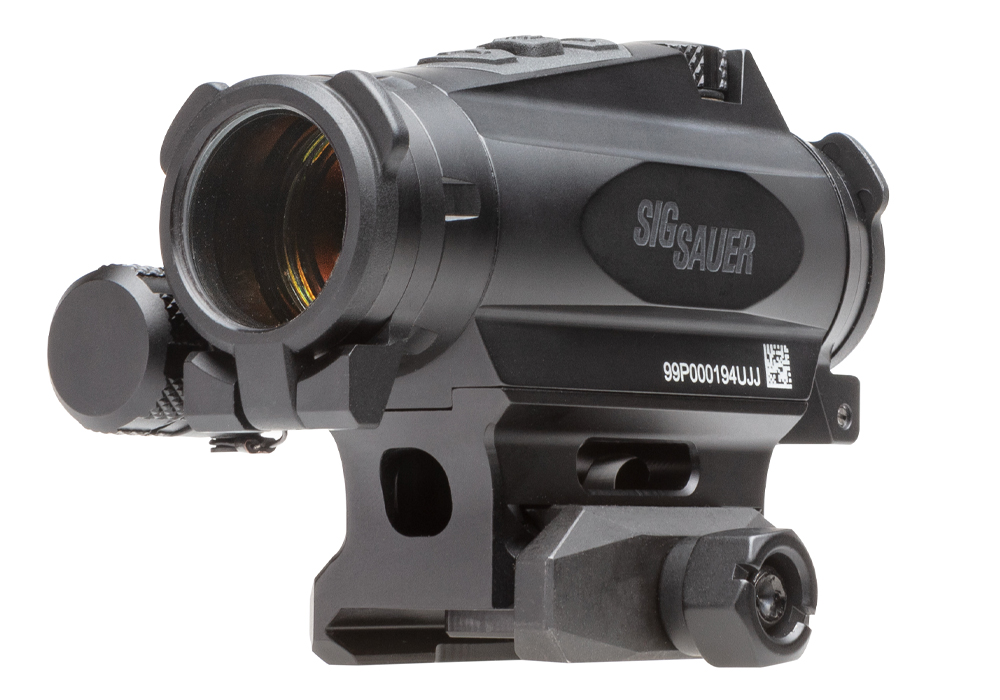
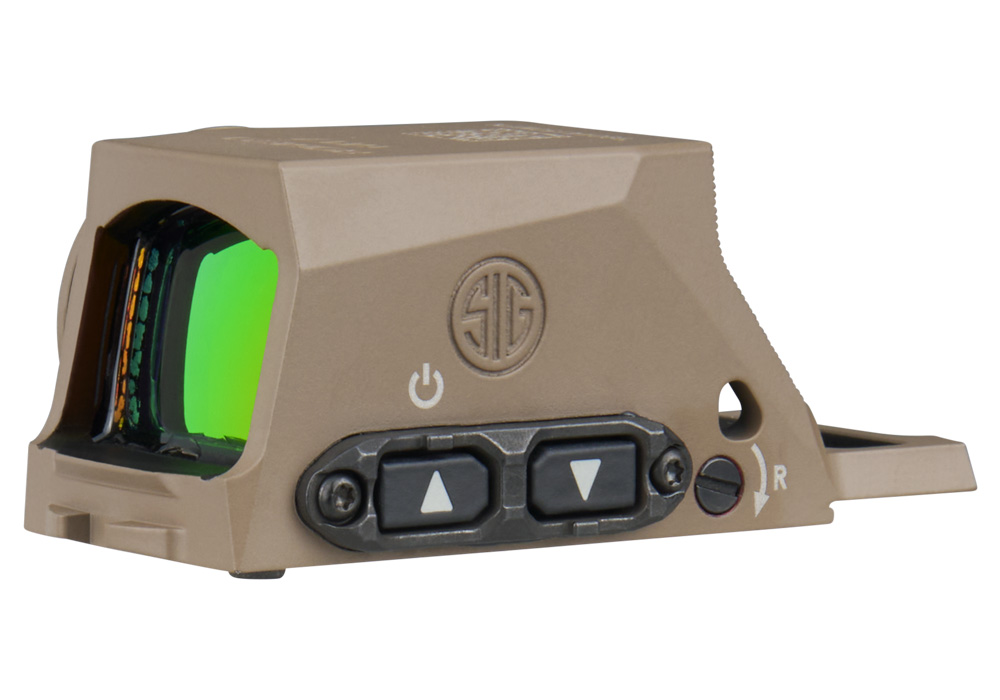
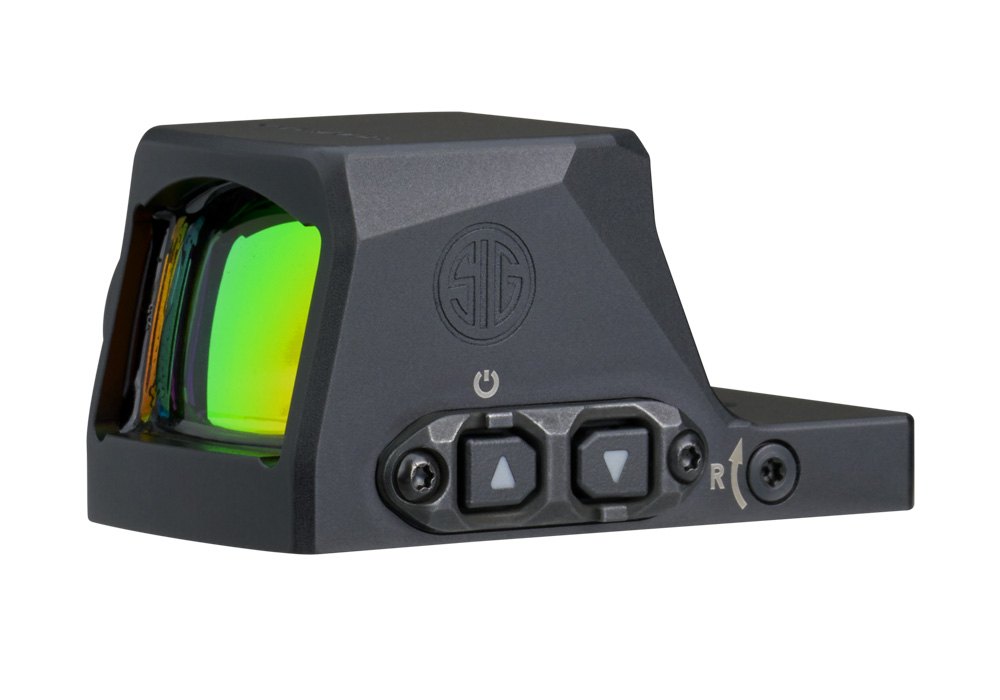
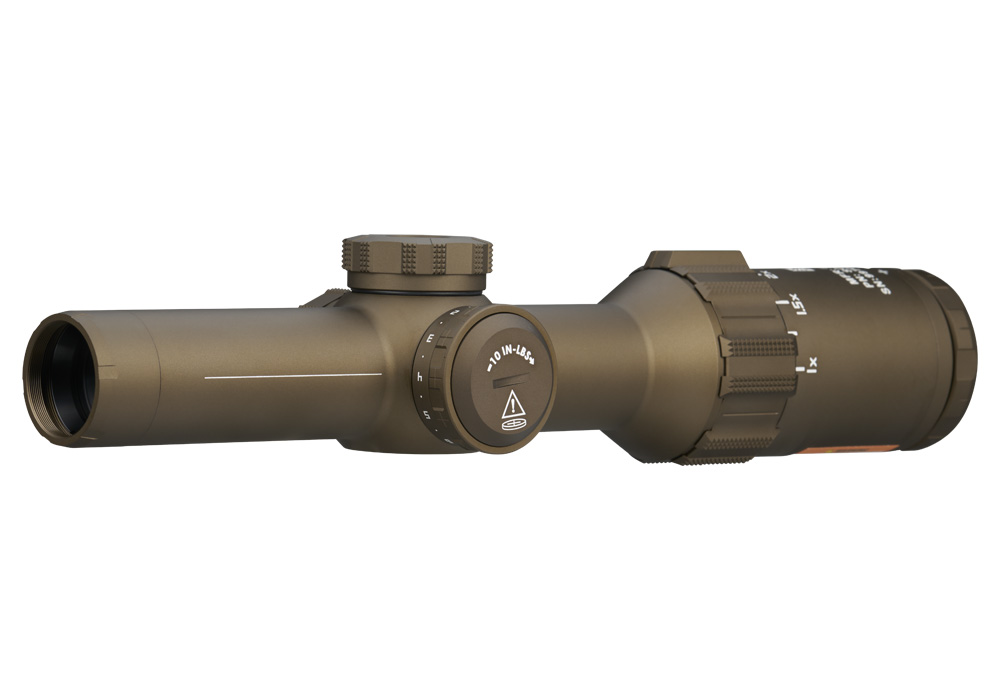
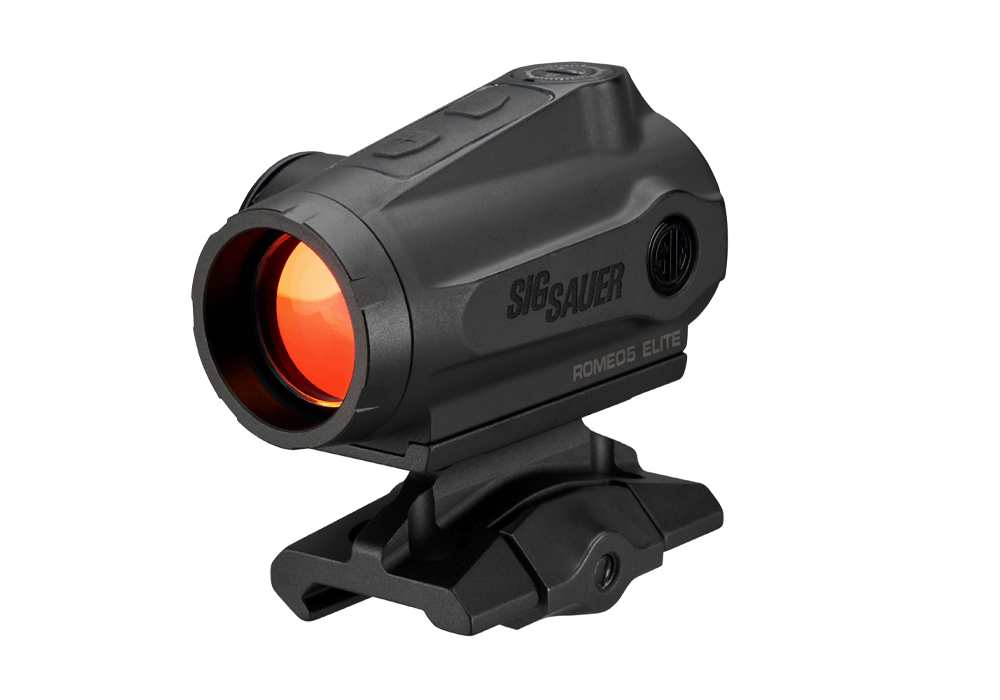
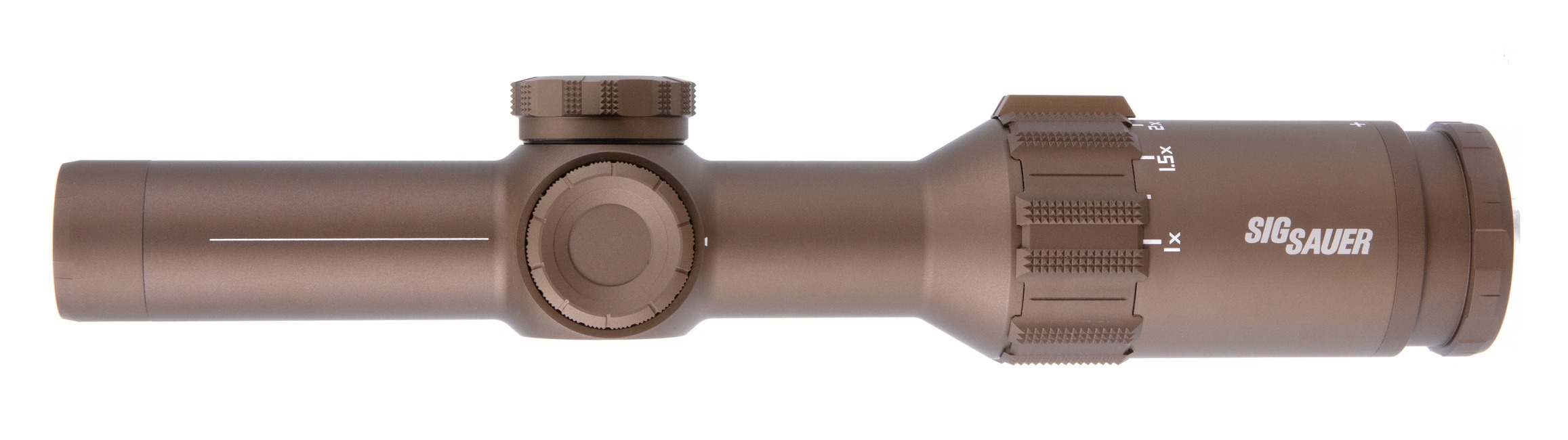
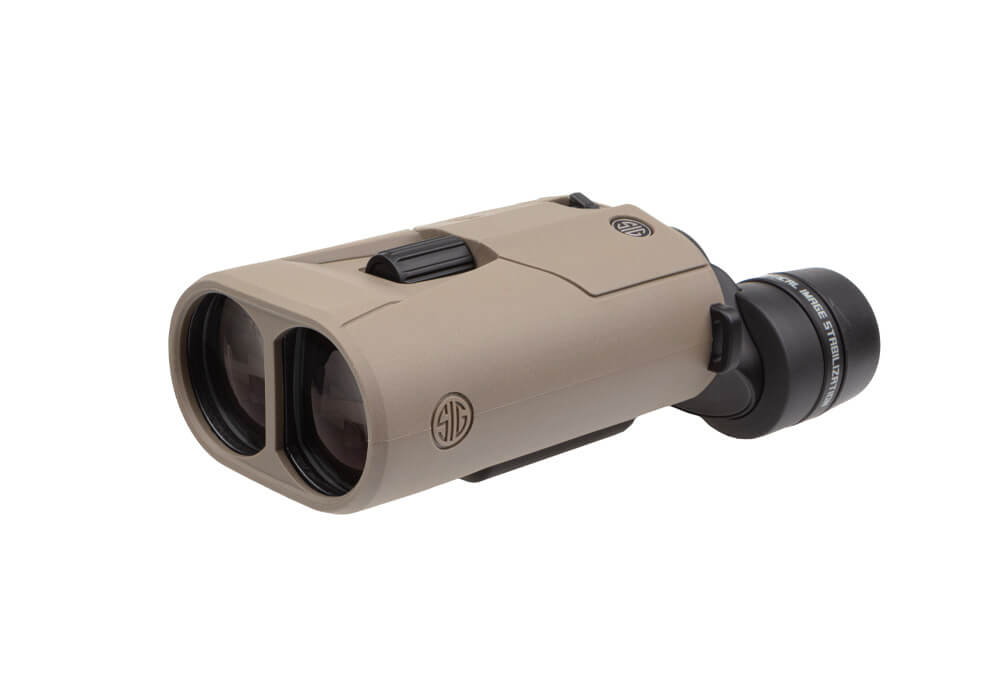
Military training optics are sighting and observation instruments used in structured instruction, equipment familiarization, and supervised range practice. The category includes red dot sights, low-power variable optics, fixed-magnification prism scopes, and specialized electronic systems, each offering a different balance of magnification, viewing comfort, controls, and power requirements. Red dot sights present an illuminated aiming reference without magnifying the scene and generally support viewing with both eyes open. Low-power variable optics provide an adjustable view, allowing one sight to serve training activities with different observation needs. Fixed-magnification prism scopes offer a consistent image scale in a relatively compact format, often with an etched reticle that remains visible without illumination. Thermal and other electronic observation systems add distinct viewing capabilities, although their functions, compatibility, and training requirements vary considerably. These categories are not interchangeable: an optic suited to introductory sight familiarization may have very different characteristics from one selected for an established military qualification program. The most relevant choice reflects the curriculum, the host platform, and the equipment participants are expected to understand. Military personnel, professional instructors, and eligible civilian participants in supervised programs may all use optics within this broader theme, but military styling alone does not establish suitability for a particular course. Documented specifications matter more than appearance, especially when an organization requires a defined mounting interface, reticle format, or testing standard. Across these settings, the optic is part of a larger learning environment rather than a substitute for sound instruction. Clear glass, predictable controls, and a comfortable viewing position help keep attention on the lesson instead of on unfamiliar equipment. During a classroom demonstration, for example, clearly marked controls can make it easier for several students to follow the same explanation. On a supervised range, a stable sight picture and an easily distinguished reticle can support consistent practice without adding unnecessary complexity. A useful selection therefore begins with the role the optic will fill, not simply with the highest magnification or the longest feature list.
Optical quality involves more than whether an image looks sharp at first glance. Contrast, edge clarity, distortion, and the visibility of fine details all affect how comfortable a sight is to use through repeated training sessions. Lens coatings can reduce unwanted reflections and improve light transmission, while protective exterior treatments may simplify routine cleaning. Coating descriptions should be read alongside the manufacturer's care recommendations, since no surface treatment eliminates the need for careful handling. Reticle design is another important distinction. A simple illuminated reference presents less visual information, while a more detailed reticle may support a curriculum that specifically addresses its markings. Neither approach is universally preferable; unnecessary detail can become a distraction when students are still learning the controls and vocabulary of an unfamiliar optic. Illumination adjustment, button placement, and dial resistance also influence the everyday experience. Controls should be understandable and accessible in the intended equipment configuration, with settings that are easy to recognize during an instructor's demonstration. For magnified optics, eye relief describes the distance between the viewing lens and the user's eye, while the eye box describes the range of positions from which the full image remains visible. These characteristics affect fit and viewing comfort, particularly when equipment is shared among users with different proportions or protective eyewear. Mounting compatibility deserves equal attention. The optic's mounting footprint or tube diameter, the required mounting hardware, and the host platform's interface must agree; a similar appearance does not establish a proper fit. Overall weight and mounting height also influence how the complete setup feels and whether it accommodates the intended viewing position. Installation should follow the equipment manufacturer's specifications, with qualified assistance when needed and the firearm unloaded before any fitting work begins. For programs that involve multiple sighting and observation technologies, Advanced Optics For Tactical Applications provides a related category to explore. Comparing technologies by their intended role helps keep advanced features in perspective rather than treating additional electronics as an automatic advantage.
Durability in military training optics is best understood through construction details, documented testing, and the demands of repeated handling. Aluminum housings are common because they balance structural strength with manageable weight, though the alloy, housing design, finish, and internal assembly all contribute to performance. Recoil resistance, sealed construction, and protection against dust intrusion should be supported by published specifications rather than inferred from a rugged exterior. A stated test result applies to the conditions of that test; it is not a promise that an optic will withstand every kind of misuse. Lens covers, secure battery compartments, and protected adjustment controls can be valuable during movement between storage, a classroom, and a supervised range. For equipment that passes through several hands, clear identification and consistent inspection routines can be just as useful as elaborate features. Instructors and equipment managers may place particular value on accessible documentation, service support, and controls that remain easy to interpret after extensive handling. Electronic sights bring additional considerations, including battery type, stated runtime under defined settings, automatic illumination features, and whether battery replacement requires removing the optic from its mount. An etched reticle may remain visible without electrical power, but that does not mean every other function will remain available. Understanding those distinctions supports realistic expectations and better equipment planning. Routine care should focus on protecting lenses, preserving mounting surfaces, and following the manufacturer's instructions for cleaning and storage. Loose grit should be cleared using an approved method before the glass is wiped, and only suitable lens-cleaning materials should contact optical surfaces. Household cleaners, abrasive cloths, and unnecessary disassembly can damage finishes or components. Protective storage helps keep accessories together and shields glass from contact with other equipment. For an individual attending a formal course, confirming the required optic type and compatibility before selecting equipment can prevent a mismatch on arrival. For an organization, consistency across training equipment can simplify demonstrations, inspections, and maintenance records. The strongest long-term fit is an optic whose viewing characteristics, construction, controls, and upkeep requirements align with the people using it and the instruction it is intended to support.