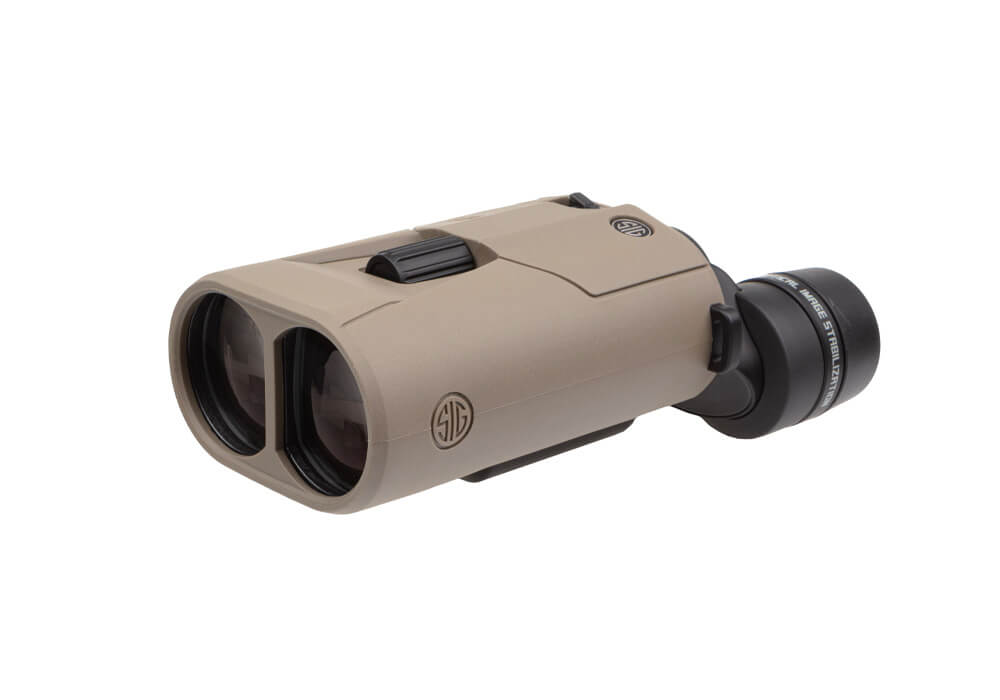
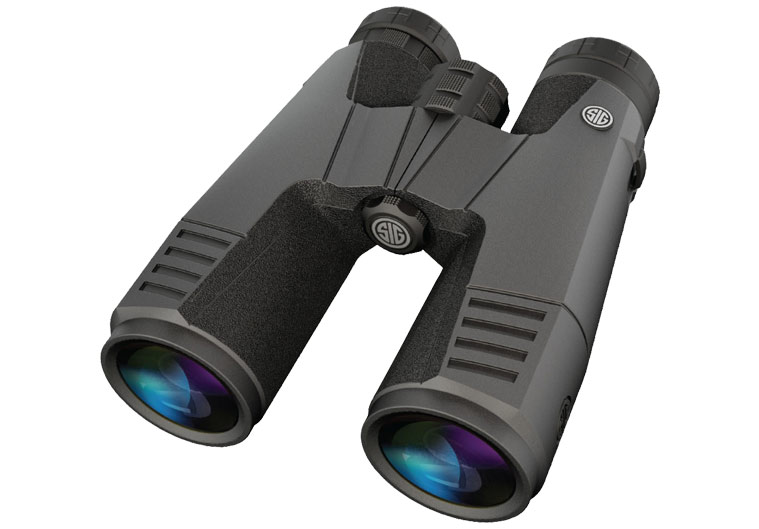
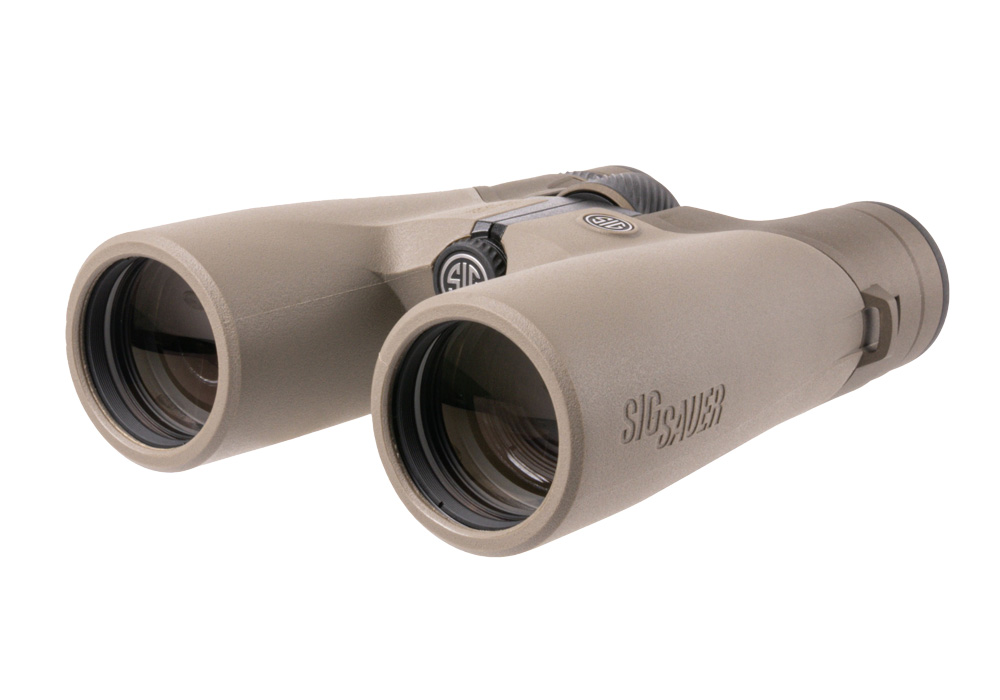
Binoculars for military applications are selected for dependable observation in conditions where clarity, durability, and fast interpretation matter. They may be used for field scouting, navigation, perimeter observation, maritime operations, search and rescue, training exercises, or surveillance from a fixed position. Unlike ordinary recreational binoculars, purpose-built field optics are designed to remain useful after repeated handling, transport, vibration, and exposure to dust, rain, mud, and changing temperatures. A reinforced aluminum or impact-resistant polymer housing can help protect the optical system from drops and hard contact, while a textured exterior provides a more secure grip when gloves, wet weather, or cold conditions make fine handling difficult. O-ring sealing helps keep moisture and debris outside the housing, and nitrogen purging helps reduce internal fogging when moving between a heated vehicle, a cool observation point, and open air. These details are easy to overlook while comparing specifications, but they become meaningful during a long watch when damp conditions settle in, visibility changes, or equipment must be placed on a vehicle seat and retrieved repeatedly. For many users, a reliable pair of binoculars serves as a first-look instrument: it can help identify terrain features, observe distant activity, follow a route, or assess an area before another optical device is brought into use. Models with a balanced shape, well-placed focus controls, and manageable weight are particularly useful because military observation often involves extended periods of holding, scanning, and repositioning rather than a single glance.
Magnification and objective-lens size should be matched to the intended task instead of chosen by numbers alone. Magnification in the 7x to 10x range is common for field observation because it offers useful detail while preserving a practical field of view and allowing the user to track movement across uneven terrain. Lower magnification can make it easier to scan broad areas and maintain a steady image by hand, while greater magnification may reveal more detail at distance but can also make hand movement more noticeable. Objective lenses around 50mm can gather substantial light for observation during dawn, dusk, overcast conditions, and other lower-light periods, although larger lenses generally add bulk and may require a more deliberate carrying setup. Optical quality is determined by more than magnification and lens diameter. Fully multi-coated glass can improve light transmission and contrast, while edge-to-edge sharpness helps the user interpret details across the entire view rather than only at its center. A wide field of view is valuable when tracking a moving person or vehicle, locating a landmark, or scanning a ridgeline without constantly moving the binoculars. Eye relief deserves special attention for users who wear corrective eyewear, since adequate eye relief allows the full image to remain visible without pressing the eyecups tightly against glasses. Focus design also matters in the field: individual eyepiece adjustment can support precise long-distance viewing, while a central focus system may be faster when shifting between objects at different ranges. Some specialized binoculars add ranging reticles, integrated compasses, laser rangefinders, or electronic image stabilization. A reticle can assist with estimating distance when the user understands the scale and has a suitable reference, while a compass supports orientation and route planning. Rangefinding functions can reduce guesswork when determining the distance to a visible point, and image stabilization can help steady a magnified view during handheld observation. These advanced features may increase size, weight, power requirements, and training demands, so they are best evaluated against the mission, environment, and user’s established procedures. Optical equipment that complements a broader observation setup, including Military Firearm Optics, should be selected with attention to the role each device performs rather than assuming one optic can replace another.
Portability, ergonomics, and readiness are just as important as optical performance. A pair that looks impressive on paper may be difficult to carry comfortably over a full day if it is excessively heavy, awkward against body armor or layered clothing, or slow to deploy from its case. Consider how the binoculars will be transported, whether they will be worn on a harness, and whether the user needs to operate them with gloves. A tether point, protective case, rain guard, objective covers, and a neck strap or chest harness can make routine use more secure and less tiring. Diopter adjustment should be simple enough to set accurately, and controls should be identifiable by touch when visibility is poor. For users working around vehicles, water, dust, or salt air, corrosion resistance and straightforward cleaning procedures deserve careful attention. Lenses should be brushed free of grit before wiping, and protective covers should be used whenever the binoculars are stored or moved between observation locations. Battery-powered features require their own planning, including spare batteries, cold-weather performance, and a way to confirm power before deployment. These considerations also make durable binoculars a thoughtful gift for a service member, veteran, law-enforcement professional, emergency responder, outdoor guide, or serious landowner who spends time reading distant terrain. They can be useful during cooler months when early darkness and low-angle light make contrast especially important, as well as during clearer stretches of fall and winter when distant ridgelines, shorelines, and wooded areas invite careful observation. The best choice combines rugged construction with optical characteristics that fit the user’s eyes, environment, and routine. When those elements are aligned, binoculars become more than magnifying glassware; they become a dependable observation tool that helps turn a distant, indistinct scene into information the user can interpret with confidence.