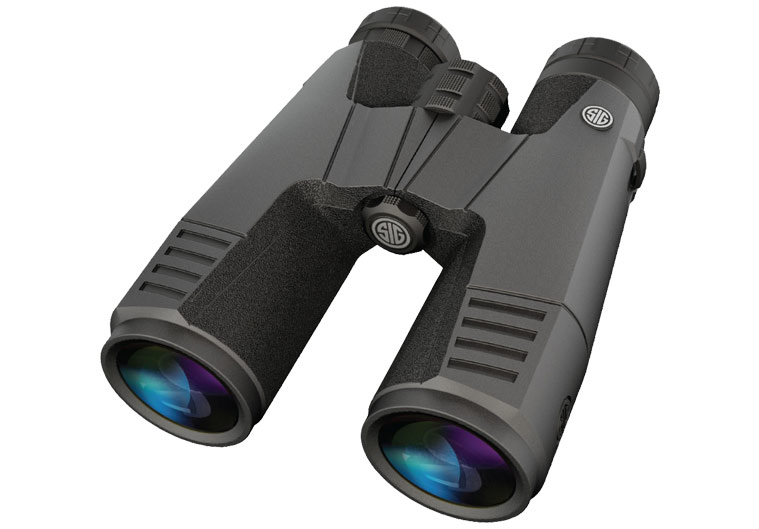
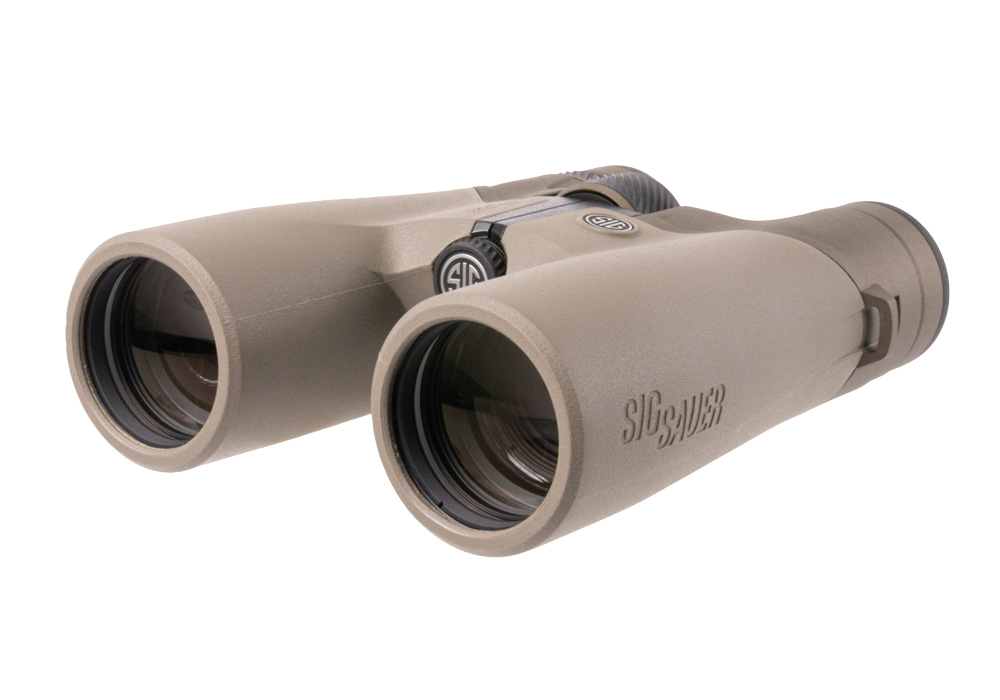
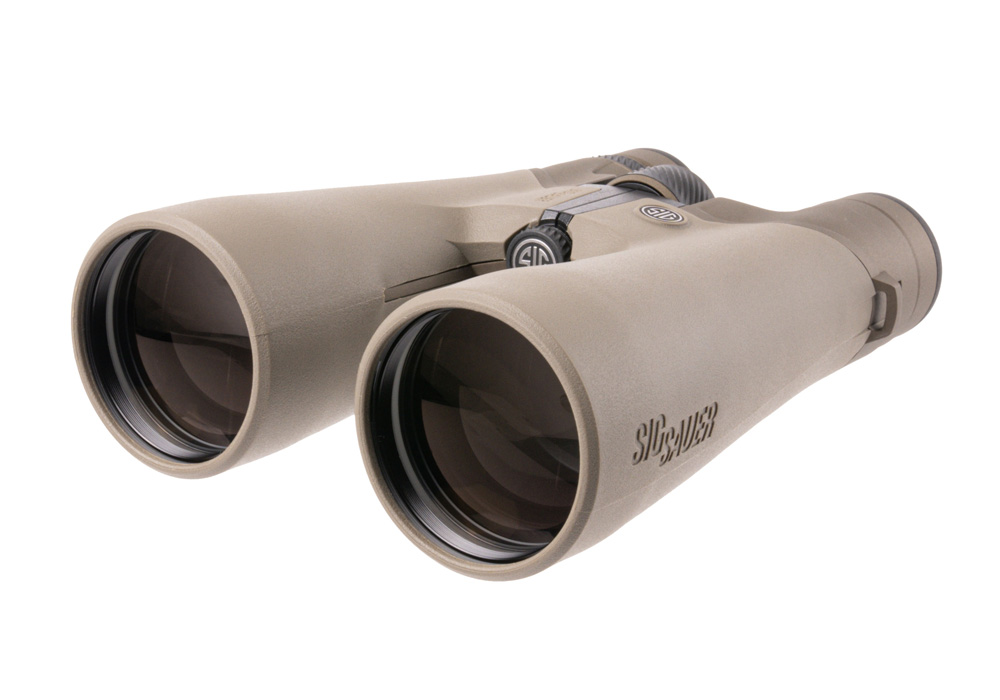
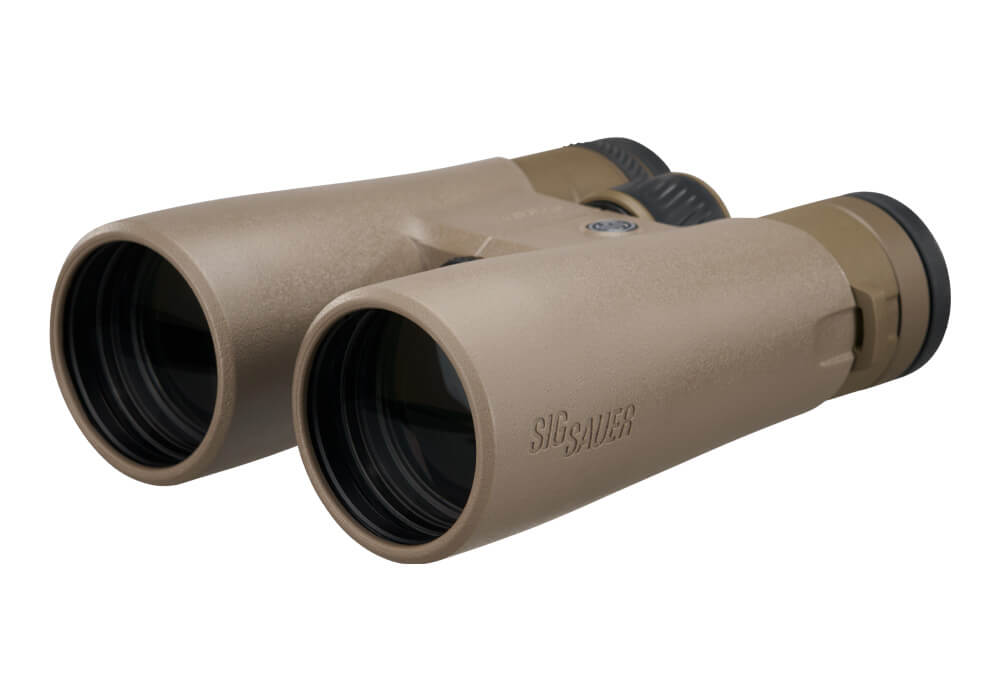
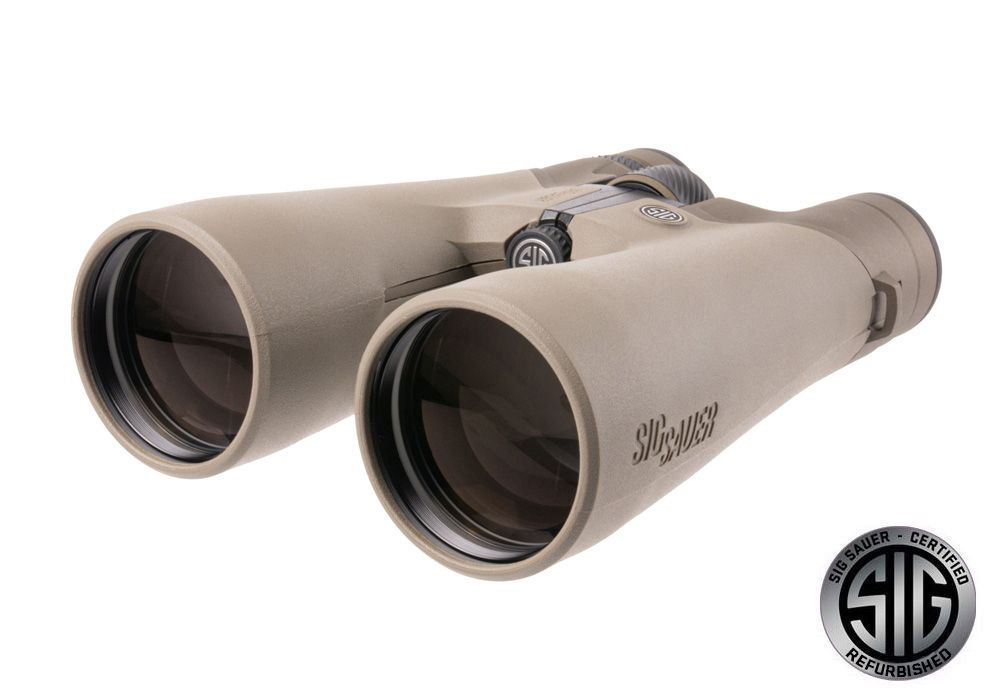
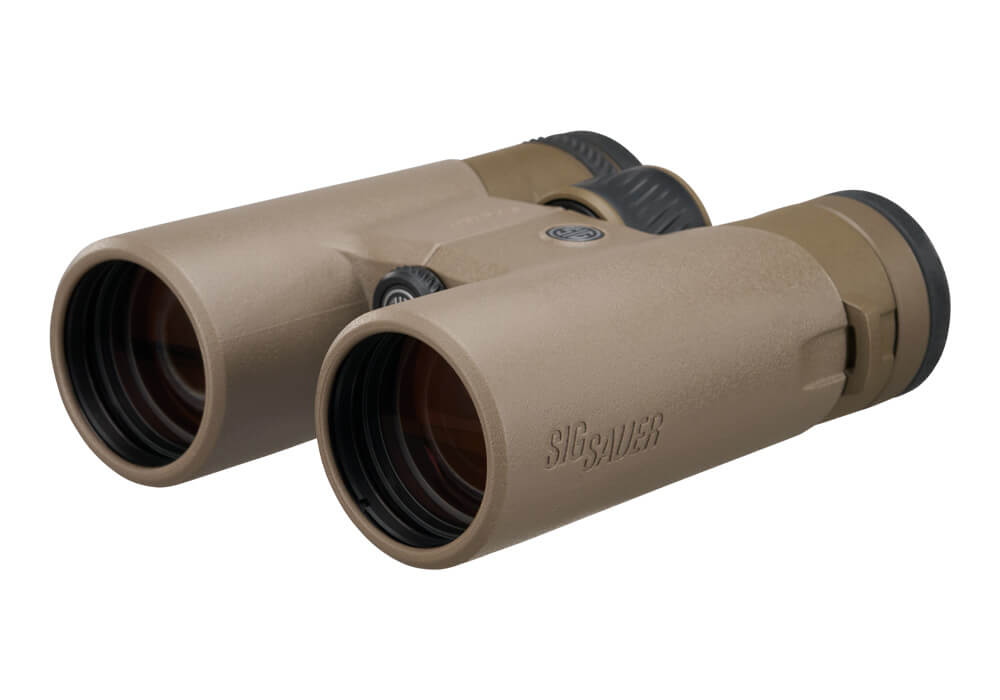
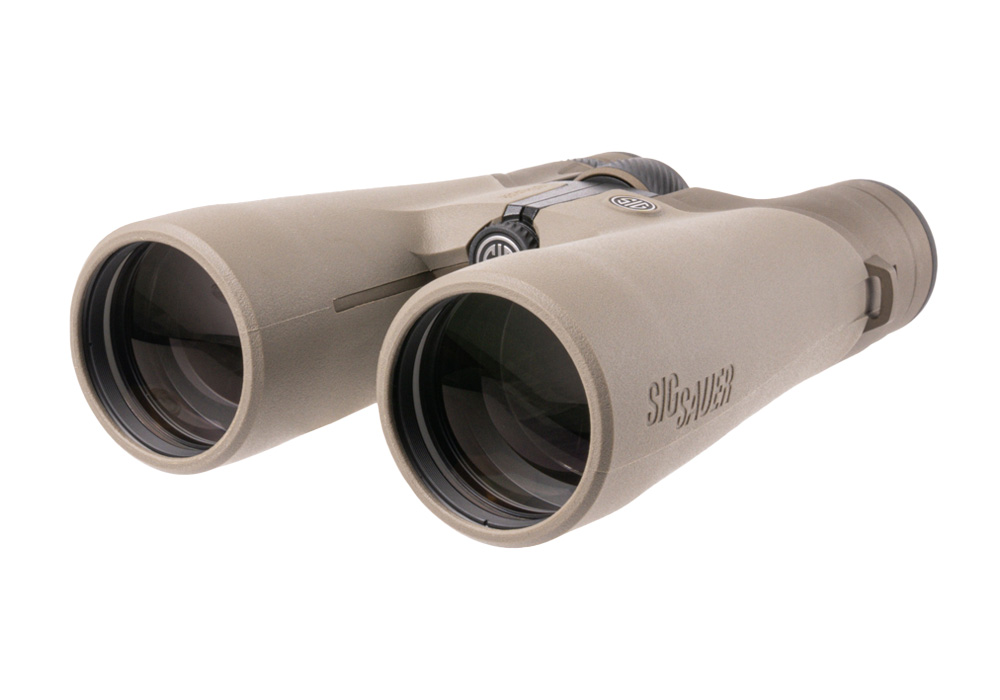
Binoculars for tactical competitions bring distant targets, range markers, and course details into a clear, comfortable view without tying every observation to a rifle-mounted optic. At precision rifle matches and other organized shooting events, they serve competitors reviewing a stage from designated viewing areas, teammates following a permitted course of fire, and spectators watching the action beyond the firing line. The best fit depends on the balance between magnification, field of view, stability, and the amount of equipment a person wants to carry. Binoculars in the 10x to 12x range often suit general observation because they offer useful detail while remaining relatively manageable in the hands. Higher magnifications, such as 15x or 18x, reveal finer details at distance but also emphasize hand movement and generally benefit from a stable support. More magnification does not automatically produce a more useful image: a clear, steady view can be easier to interpret than a larger image that never quite settles. Objective lens diameter also matters, although lens size alone does not establish optical quality. Larger objectives can support a brighter view under limited illumination at a given magnification, with additional bulk and weight as the tradeoff. A broad field of view helps keep several target locations or prominent landmarks visible together, while effective contrast helps distinguish a muted steel target from similarly colored terrain. For someone spending several hours at a match, these qualities affect more than the first impression through the eyepieces. They influence how easily the eyes settle into the view, how often focus needs adjustment, and how comfortable repeated observation feels. Using both eyes can feel more natural than prolonged viewing through a single eyepiece, though binoculars do not universally replace a spotting scope when greater magnification is necessary. A compact pair carried between stages and a larger pair reserved for tripod-supported observation address different needs, with neither configuration being the automatic choice for every competitor.
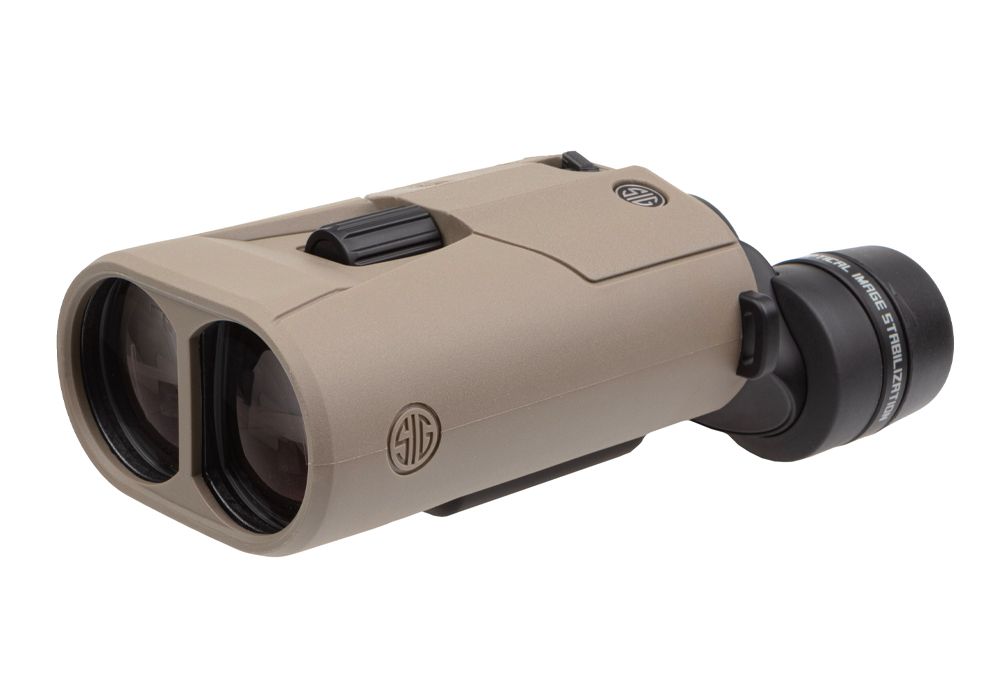
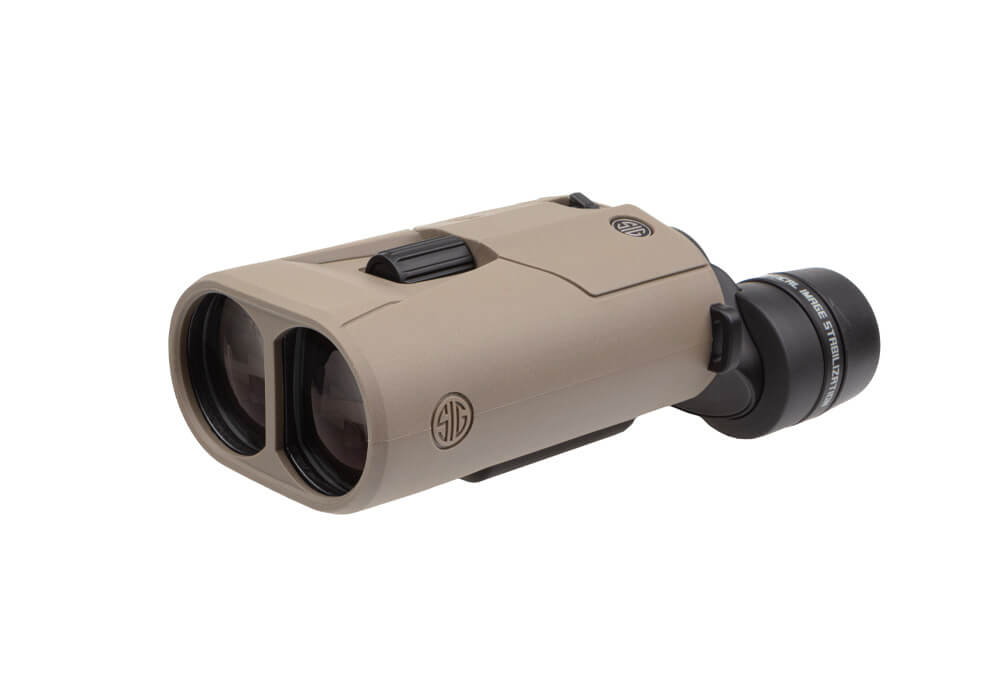
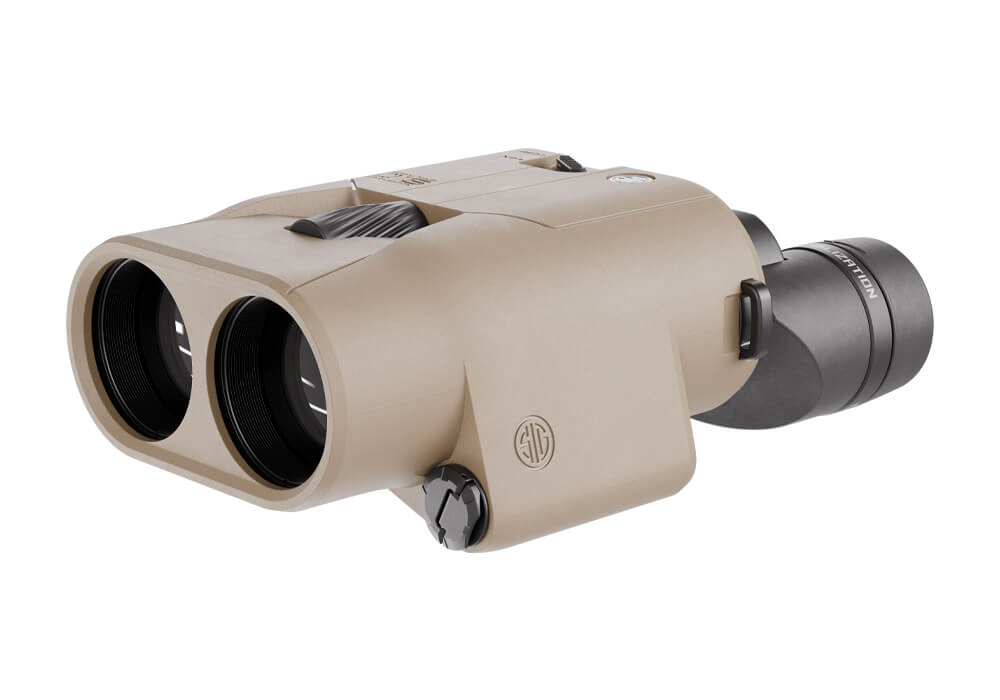
Optical construction and viewing fit deserve as much attention as the magnification printed on the housing. Extra-low-dispersion glass can reduce color fringing around high-contrast edges, helping preserve definition around target outlines, posts, and distant signage. Lens coatings help control reflections and improve light transmission, while the complete optical design determines how well resolution and contrast hold across the image. Terms such as HD do not represent one universal performance standard, so meaningful specifications and a comfortable viewing experience matter more than a label alone. Center sharpness is useful, but edge performance becomes noticeable when scanning a broad scene without constantly repositioning the binoculars. Focus controls should turn smoothly enough for precise adjustment without feeling so loose that ordinary handling changes the setting. A diopter adjustment accommodates differences between the eyes, and an adjustable hinge aligns the eyepieces with the viewer’s interpupillary distance. Together, these features help produce a single, relaxed image rather than overlapping circles or a view that takes effort to maintain. Eyecup design and usable eye relief are especially important for competitors wearing protective eyewear. Glasses can hold the eyes farther from the ocular lenses, making a full field of view harder to obtain if the fit is poor. Electronic image stabilization, where included, reduces visible shake during handheld observation, although operating modes, power requirements, and performance vary by design. Tripod compatibility offers another route to a settled image, particularly for heavier, higher-magnification binoculars used from a fixed viewing position. Some competition-oriented configurations include an integrated measuring reticle or laser rangefinder. Reticle units, display readability, control placement, and the rules of the event all influence whether those features suit the intended use; they are not requirements for every match participant. Integrated electronics also introduce battery management and additional controls that deserve consideration alongside optical quality. For shoppers comparing competition use with a broader professional observation role, Binoculars For Military Applications provides a related category where handling, clarity, and durable construction remain relevant, even when equipment requirements differ.
Match-day practicality often becomes clearest during the walk between viewing positions, when binoculars share space with hearing protection, eye protection, and other range essentials. Housing materials such as magnesium alloy, aluminum, and reinforced polymers offer different balances of weight, rigidity, and portability, depending on the overall construction. Rubber armor can improve grip and buffer minor bumps, but it is not a substitute for a protective case or careful handling. Sealed construction helps limit dust and moisture intrusion, and published water-resistance specifications provide a more useful basis for comparison than a general claim of toughness. A secure hinge, firmly seated eyecups, and well-protected adjustment controls contribute to equipment that feels dependable after repeated packing and unpacking. Weight distribution matters, too: two binoculars with similar listed weights can feel different when one places more mass toward the objective lenses. A neck strap may suit brief viewing sessions, while a properly fitted harness can distribute the load more comfortably during extended movement around a venue. Attachment points should hold securely without putting loose straps across the controls, and a carrying pouch should allow convenient access without leaving the lenses exposed to grit. Lens caps are particularly useful when binoculars return to a bag alongside other gear. Routine care starts with removing loose particles before touching the glass; wiping a dusty lens directly can drag abrasive material across its coatings. A clean optical brush or blower, followed when necessary by an appropriate lens-cleaning solution and cloth, helps preserve the viewing surfaces. Manufacturer care directions remain important for coated lenses, seals, and electronic components, and binoculars should be clean and dry before enclosed storage. For battery-powered designs, accessible controls and a practical spare-battery plan can simplify a full day of observation. These details also help distinguish a thoughtful gift for a dedicated match spectator or competition enthusiast from equipment chosen on magnification alone. Comfortable eye relief, manageable weight, straightforward focusing, and compatibility with an existing harness or tripod often have lasting value. Binoculars that suit the owner’s viewing habits are more likely to stay within reach, providing a useful perspective on the event without adding unnecessary complexity to the range bag.