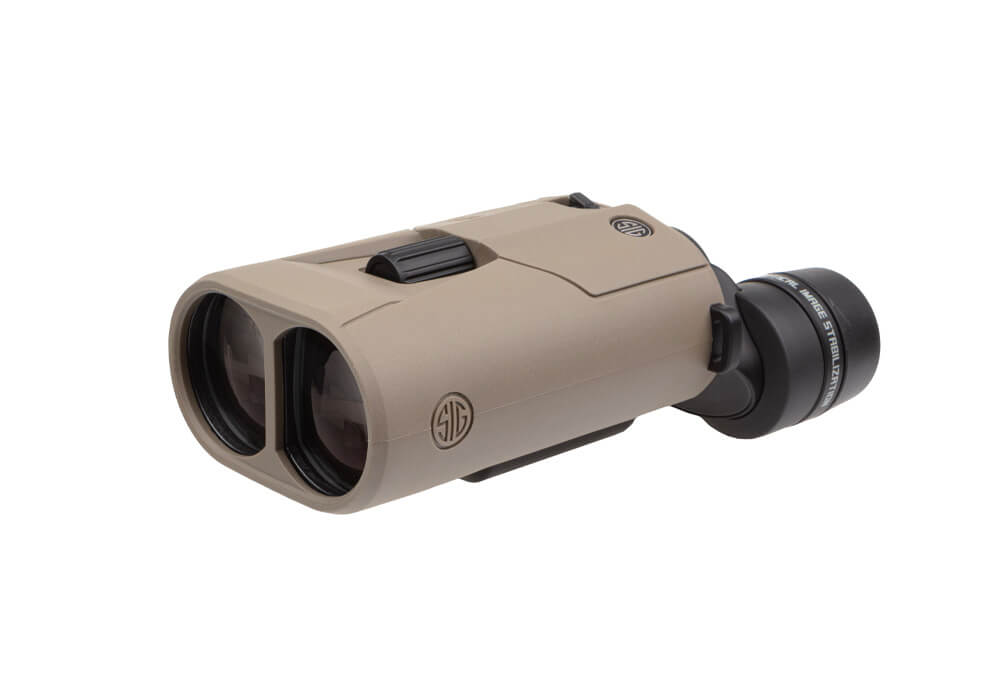
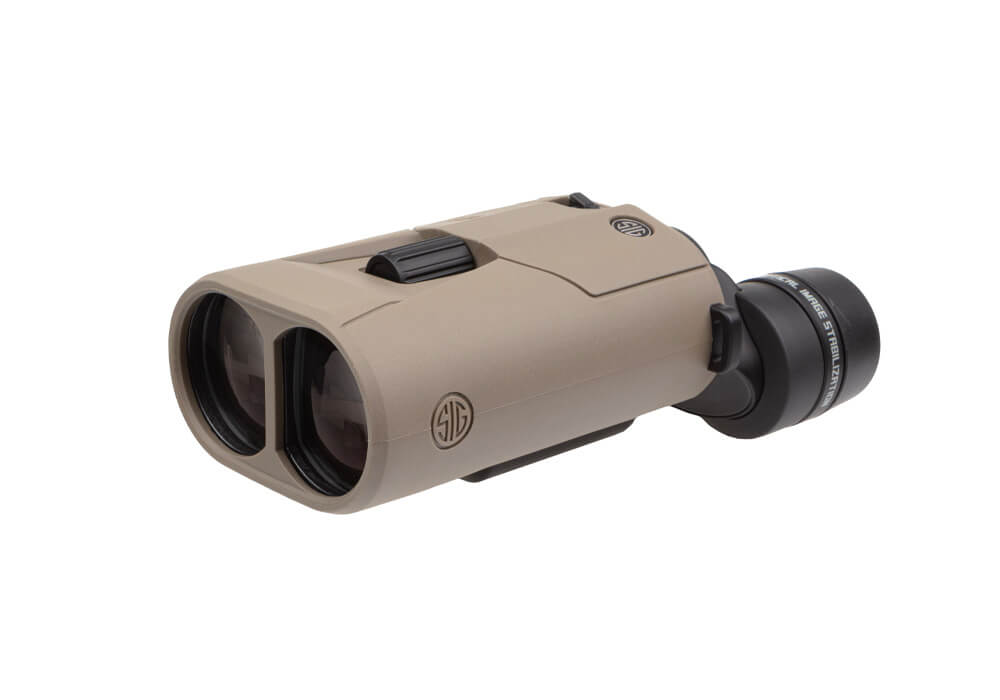
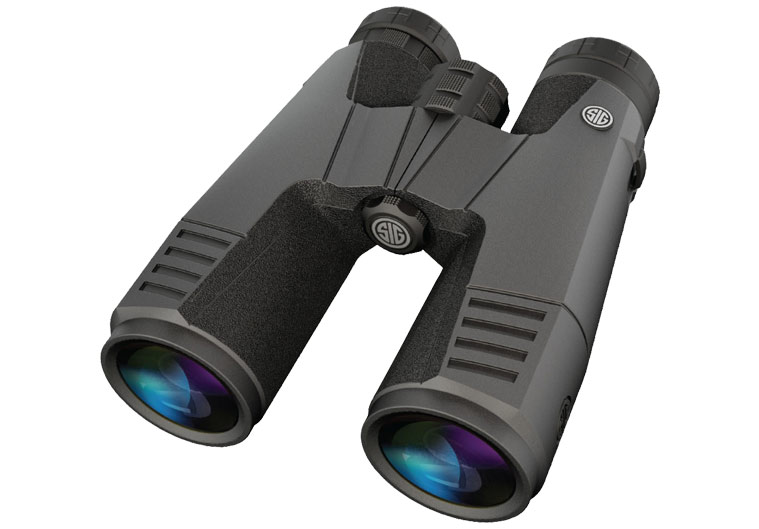
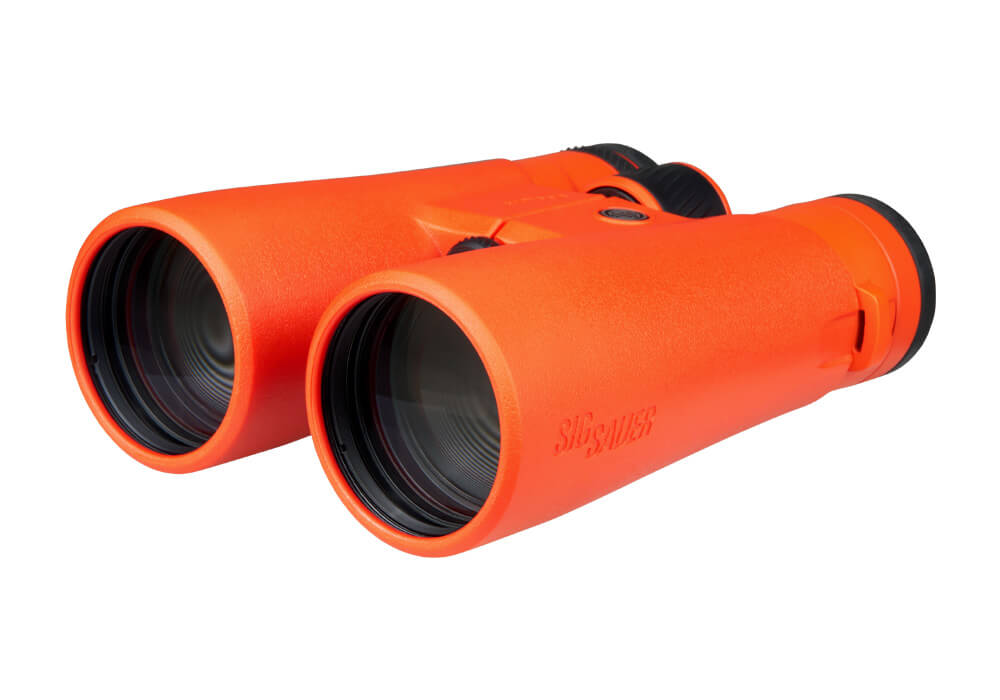
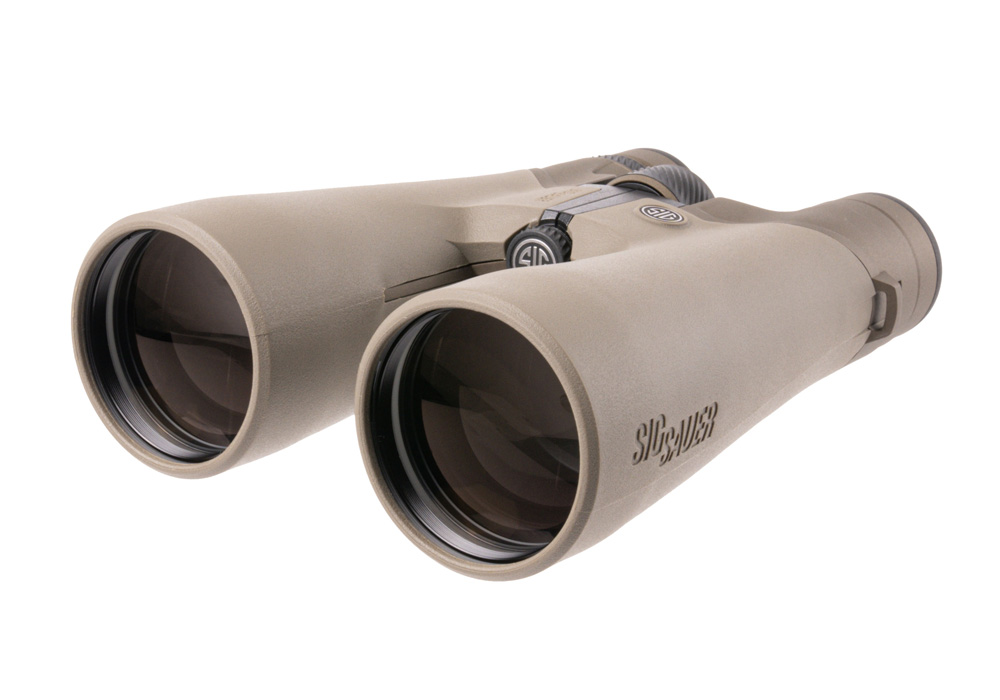
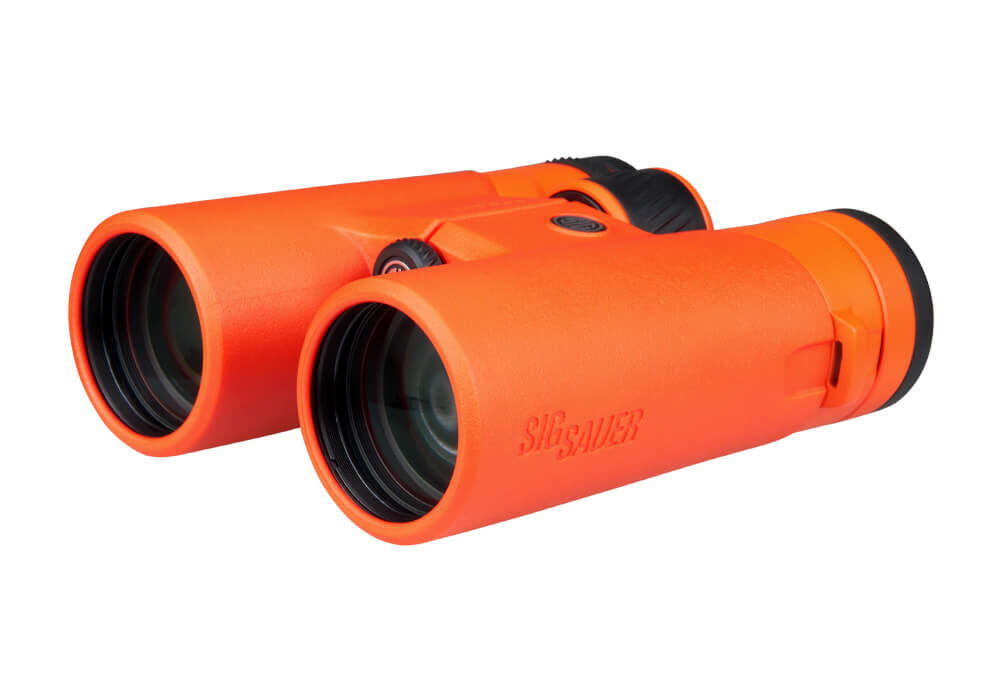
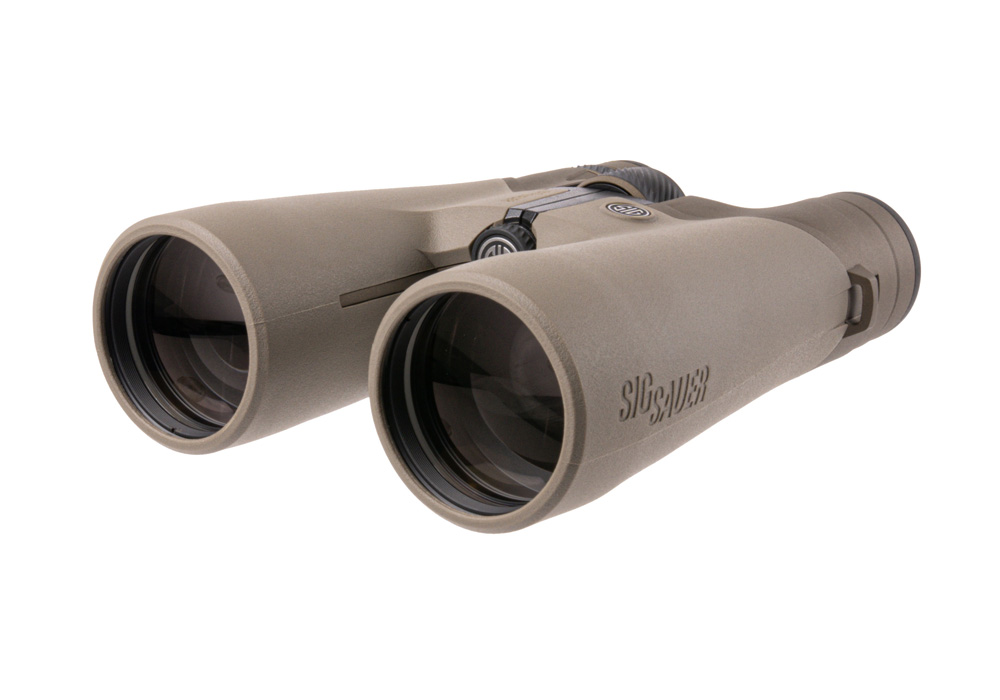
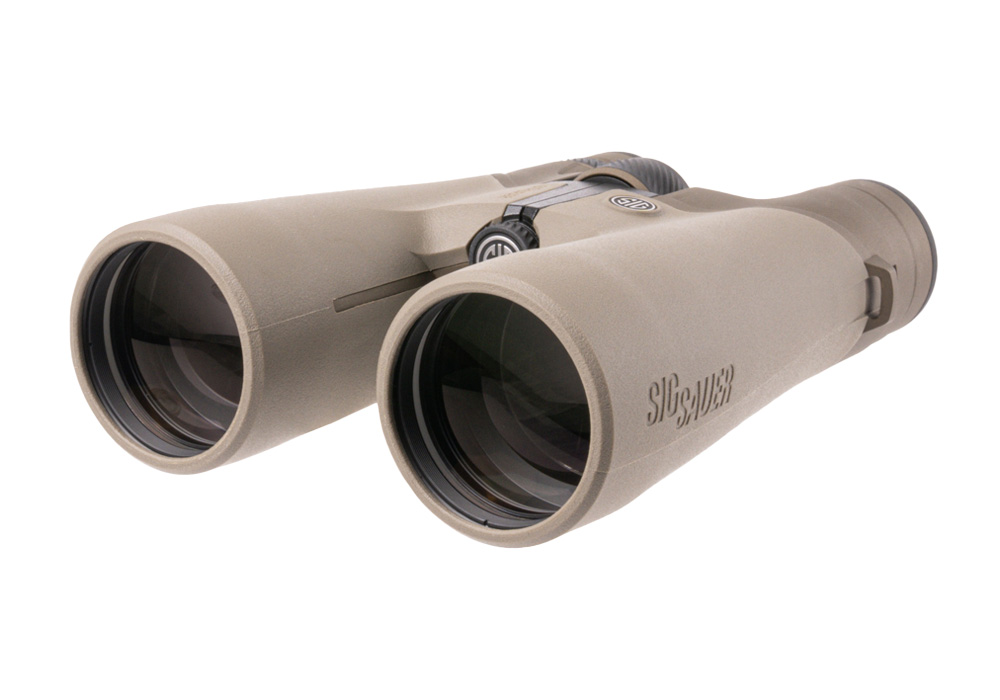
Binoculars for target shooting provide a practical way to scan a range, confirm target placement, watch steel targets react, and follow the progress of a session without constantly moving behind a rifle scope. They are especially useful when several targets are spread across a bay or when a shooter needs a wider field of view than a spotting scope typically provides. Standard 8x or 10x magnification is a versatile choice for general range use, offering a steady image for scanning paper, cardboard, and steel targets at moderate distances. These magnifications are also comfortable for observing a partner’s shooting position, checking downrange conditions, or monitoring target movement during organized practice. At extended distances, binoculars with 12x, 15x, or 18x magnification can reveal more detail and make bullet splash on steel easier to track, but increased magnification also makes hand movement more noticeable. A steady rest, tripod adapter, or other supported position becomes increasingly valuable as magnification rises. Shooters who spend long periods behind glass may also appreciate image stabilization, which helps reduce the small tremors that can turn a clear sight picture into a constantly moving one. When selecting binoculars for target shooting, consider the distances you commonly use, the type of targets on the range, and whether the optic will be handheld or mounted. Paper targets at shorter distances generally call for a bright, comfortable, easy-to-steady view, while distant steel and long-range shooting may benefit from additional magnification and tripod compatibility. Binoculars are not always the ideal tool for identifying tiny bullet holes in paper, particularly at longer distances; a dedicated spotting scope may provide more detail for precise group analysis. They excel instead at broader observation, target acquisition, impact confirmation, and maintaining awareness of activity downrange. A useful overview of complementary options is available in Shooting Optics, where binoculars can be considered alongside other tools used for observation and range work.
Optical performance matters just as much as magnification. Look for fully multi-coated lenses that help transmit light efficiently, especially during overcast afternoons, in shaded shooting bays, or during the lower-light conditions common through the cooler months. A clear, high-contrast image makes it easier to distinguish a fresh mark on paper, see a flash of dust near a miss, or observe the movement of a steel plate against a muted background. A generous field of view is helpful when scanning several targets, while a comfortable eye relief can make extended observation easier for users who wear glasses. Adjustable eyecups, a smooth focus system, and a central focusing wheel that is easy to operate with gloved hands can make a noticeable difference at the range. Durability should also be part of the decision. Range bags often collect dust, metal fragments, and residue, and optics may be exposed to changing temperatures, wind, or light precipitation. Water-resistant, fog-resistant construction and a protective exterior can help binoculars remain dependable as conditions shift from cool mornings to brighter afternoons. Weight is another practical consideration: larger objectives and stronger magnification may improve performance in some situations, but a heavier optic can become tiring to hold or carry between firing points. A compact 8x or 10x model may be the better everyday choice for a shooter who values quick access and easy transport, while a larger model with tripod support may suit someone who spends a full day observing distant steel or assisting at a precision rifle match. Rangefinding binoculars add another layer of utility by combining magnified observation with distance measurement, and some advanced designs can connect range data with ballistic information. This can be valuable for shooters who regularly work at changing distances, confirm target ranges before firing, or want fewer separate tools on the bench. Even with electronic features, users should pay attention to controls, battery access, display clarity, and how easily the optic can be used while wearing gloves. The best binoculars for target shooting are the ones that match the shooter’s distances and habits rather than simply offering the highest listed magnification.
These binoculars can be useful for a wide range of shooters. A new range visitor may use them to locate targets and understand what is happening downrange without needing to move constantly between the firing line and the target stand. An experienced rifle shooter may keep them beside a spotting scope for quickly scanning a broad area, checking steel impacts, or communicating observations to a shooting partner. Instructors, range officers, and match participants can use binoculars to monitor target arrays and confirm activity across a busy bay, while hunters and outdoor enthusiasts may appreciate the same optic for glassing terrain during the cooler months. They also make a thoughtful gift for someone building a first range kit, particularly when the recipient already owns a rifle or handgun but has not yet added a dedicated observation optic. Binoculars are easy to share, simple to carry, and useful beyond a single trip to the range, making them a practical choice for a shooting partner, parent, spouse, or friend who enjoys outdoor sports. Picture a familiar range scene: the rifle is settled on the bench, the target frame sits far downrange, and a partner uses binoculars to call out the movement of a distant steel plate while the shooter remains focused and steady. That shared view can make practice more efficient and more engaging. Before purchasing, review the optic’s magnification, objective size, field of view, eye relief, focus controls, weather resistance, weight, and mounting options. Think about whether the primary task is scanning, tracking impacts, confirming steel, or examining paper groups, then choose features that support that task. Maintain safe range procedures at all times, follow posted rules, and use binoculars only from an appropriate position with the firearm handled according to range requirements. With the right balance of clarity, stability, portability, and durability, binoculars for target shooting can become a dependable part of a range bag and a useful companion for observation throughout the season.