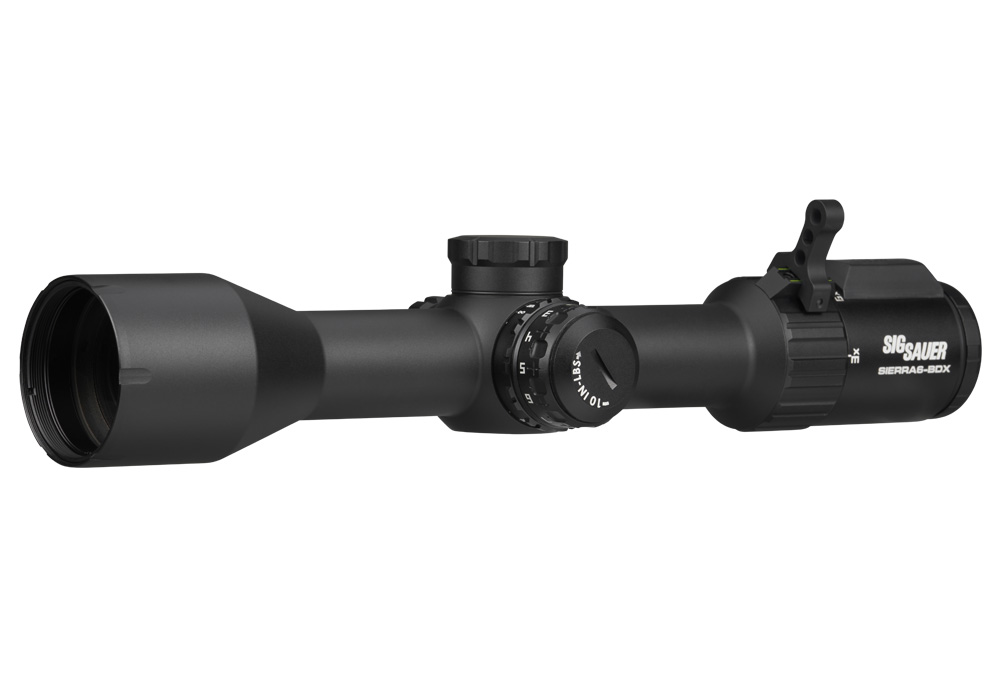
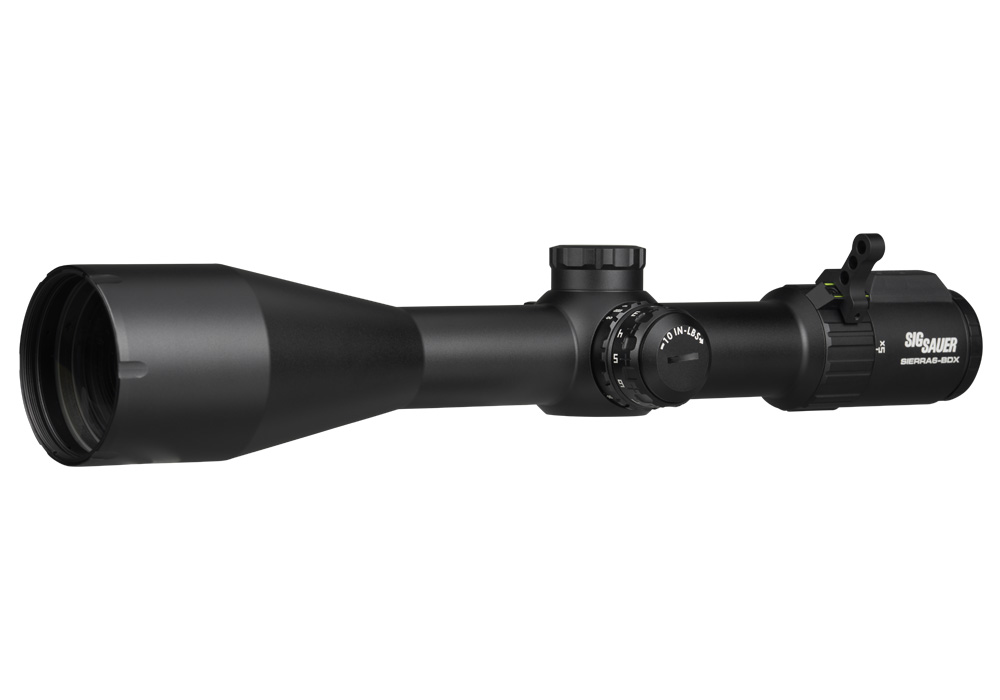
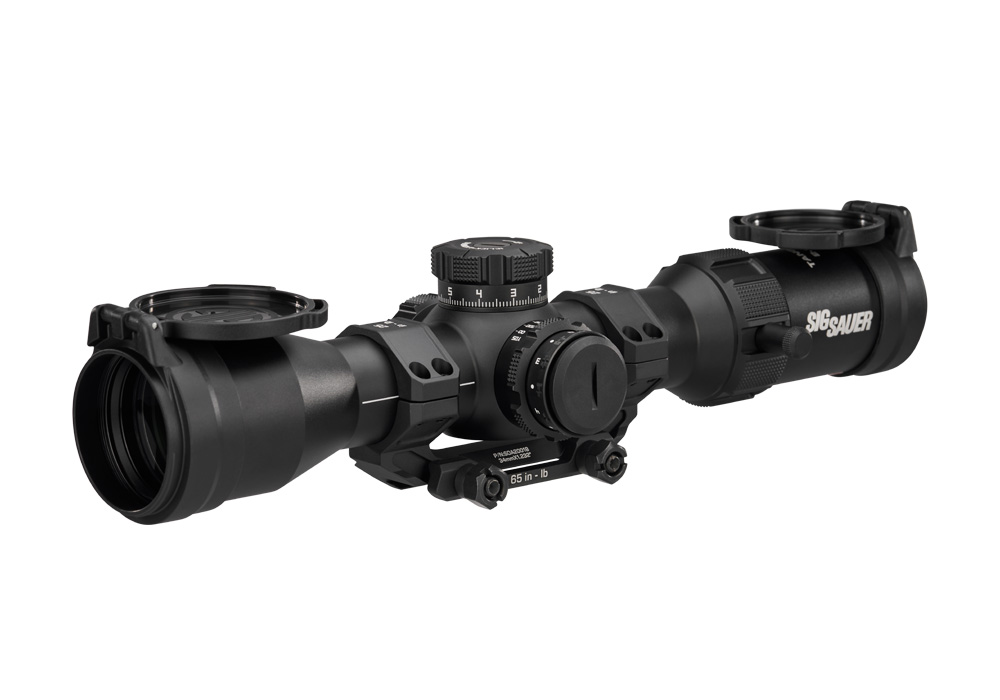
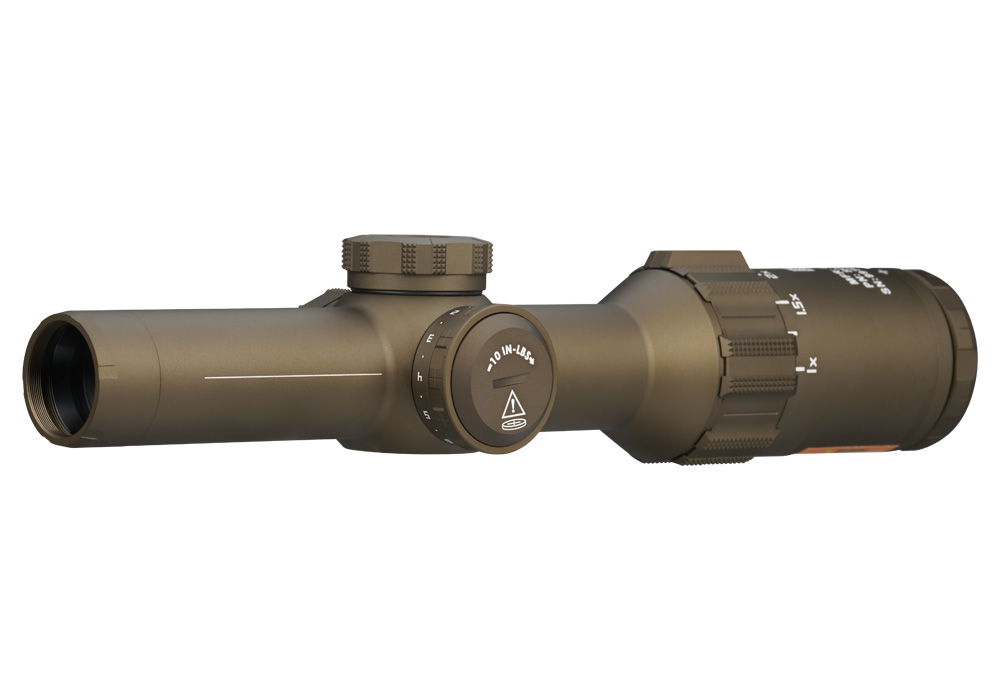
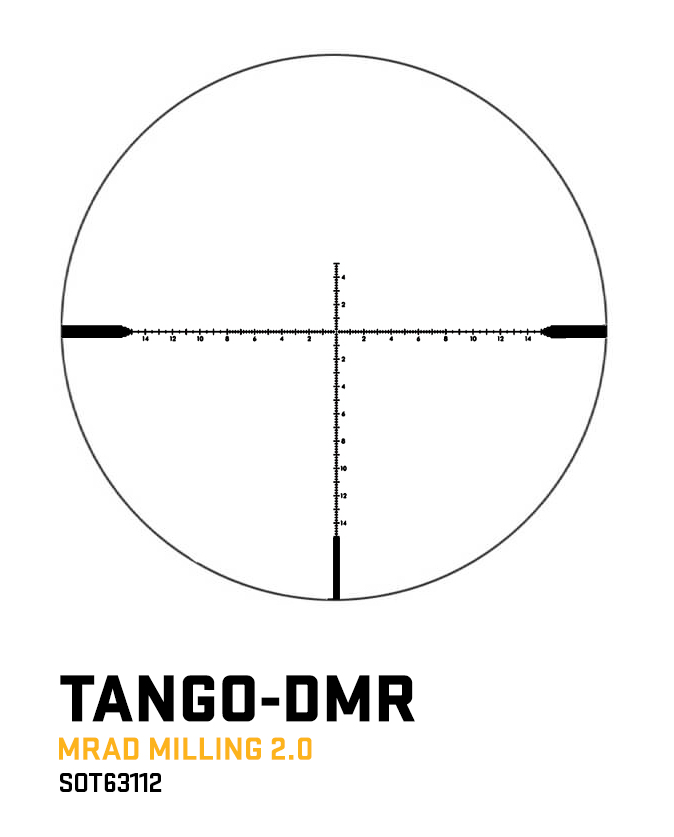
Airgun scopes for field target shooting are designed for the specific demands of a discipline where optical clarity, repeatable adjustments, and accurate distance estimation matter as much as the rifle itself. Field target courses typically place metal targets at varied distances, often out to approximately 55 yards, and many targets are engaged from changing positions and through natural cover. Because an external rangefinder may not be used during a match, shooters commonly rely on the scope’s parallax adjustment to judge distance from the point at which the image becomes sharply focused. A scope with substantial magnification—often in the 10–50x range or beyond—can make that transition from soft to sharp easier to identify, giving the shooter a more precise reference for estimating range. High magnification is especially useful when a target’s kill zone is small or partly obscured by grass, leaves, or uneven terrain, although it also makes a steady shooting position and careful focus more important. When comparing airgun scopes for field target shooting, look for a smooth, precise side-focus system with enough adjustment range for the distances used in competition. A large side wheel can provide finer control and make the focus point easier to read, particularly when the shooter has added a detailed distance scale or custom markings. The wheel should turn consistently without excessive play, since even a small focusing error can affect a distance estimate and lead to an incorrect holdover. A clearly marked reticle can also be valuable, especially when it provides practical aiming references without becoming so busy that it obscures a small target. Shooters who spend time practicing in open fields, wooded lanes, or mixed terrain may appreciate an illuminated reticle for shaded target faces, though illumination is not essential for every course or shooting condition.
Objective lens size is another important consideration. Airgun scopes with objective lenses in the 50mm to 60mm range can gather more light and help maintain a bright, useful sight picture during overcast conditions, in shaded lanes, or during the cooler months when daylight can be muted. A larger objective may require higher mounting rings, so confirm that the scope, rings, and rifle provide adequate clearance while still allowing a comfortable cheek weld. Magnification, optical quality, physical dimensions, and mounting height should be considered together rather than in isolation. At the upper end of the magnification range, a scope can reveal fine detail on distant targets, but it may also narrow the field of view and make it harder to locate a target quickly. Lower magnification settings can be helpful for finding targets, observing the course, or shooting at closer distances, while higher settings support careful ranging and aiming once the target is centered. Reliable elevation and windage turrets are equally important. Look for distinct, repeatable clicks and adjustment markings that are easy to read from the shooting position. A scope used on an air rifle should also be suitable for the rifle’s recoil characteristics, including the unique forward and reverse impulse produced by some spring-piston designs. PCP air rifles generally produce less mechanical movement, but a durable, airgun-rated optic remains a sensible choice for consistent performance. Weight can matter as well: a large, feature-rich scope may improve optical performance but can change the balance of a lightweight rifle, while a more compact option may be easier to carry between lanes and steadier during unsupported or awkward-position shots. Shooters should also account for tube diameter, ring compatibility, eye relief, weather resistance, and the ability to maintain a clear image when wearing protective eyewear or shooting in changing light.
These scopes may suit experienced competitors refining their ranging process, recreational shooters building a dedicated field target setup, and airgun enthusiasts who enjoy the technical challenge of placing a pellet accurately at varied distances. They can also be a thoughtful gift for someone who already owns a suitable air rifle and spends time practicing outdoors, particularly when the recipient appreciates equipment that rewards careful adjustment and repeatable technique. Before choosing, consider whether the rifle is a PCP or spring-piston model, the typical target distances, the available mounting space, and the shooter’s preferred magnification range. A competitor focused on precise parallax reading may prioritize a very broad magnification range, a large side wheel, and a finely adjustable focus system. Someone who shoots informal matches or practices around a compact range may prefer a more moderate magnification range that offers a wider field of view and a simpler, lighter setup. It is also worth considering the course environment: shaded woodland targets place greater emphasis on light transmission and image contrast, while open, bright lanes may make turret readability and glare control more noticeable priorities. During changing weather, lens covers and a well-sealed scope can help protect the glass from dust, light rain, and condensation, while a microfiber cloth kept in the shooting bag helps preserve a clean sight picture. After mounting, take time to level the scope, establish a comfortable eye position, and confirm that each turret adjustment moves the point of impact as expected. Keep a record of preferred settings for different distances and conditions, then verify those settings on paper before relying on them during a match. For shooters comparing related optics for other organized air rifle disciplines, the selection of Airgun Scopes For Precision Air Rifle Matches offers another category to consider. The right field target scope should feel predictable in the hands, provide a sharp image across the useful magnification range, and support the steady, methodical process that turns careful distance estimation into accurate shots.