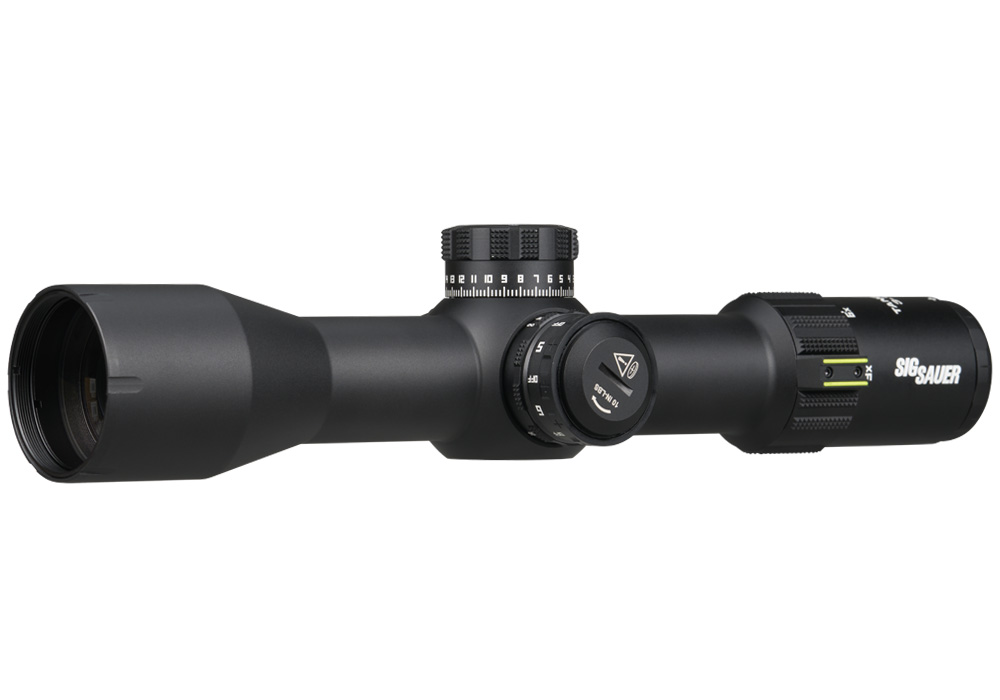
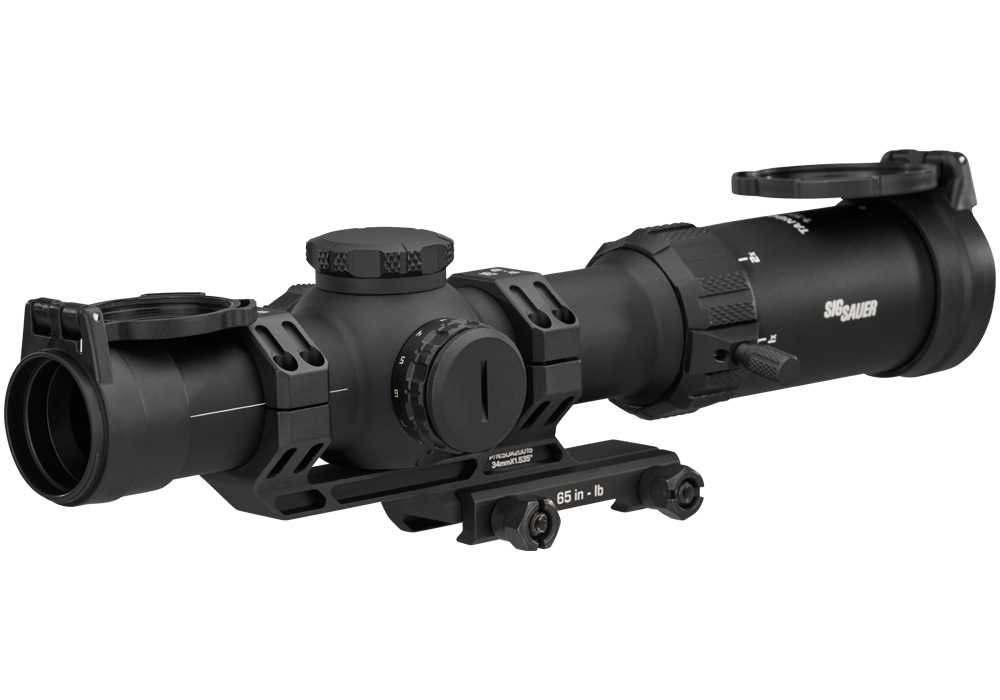
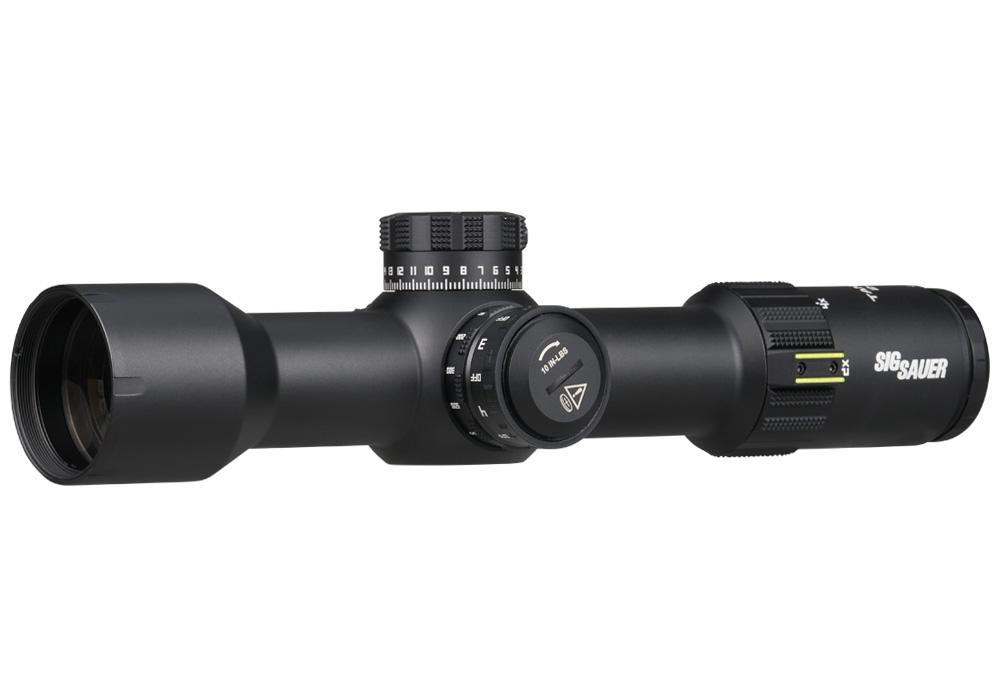
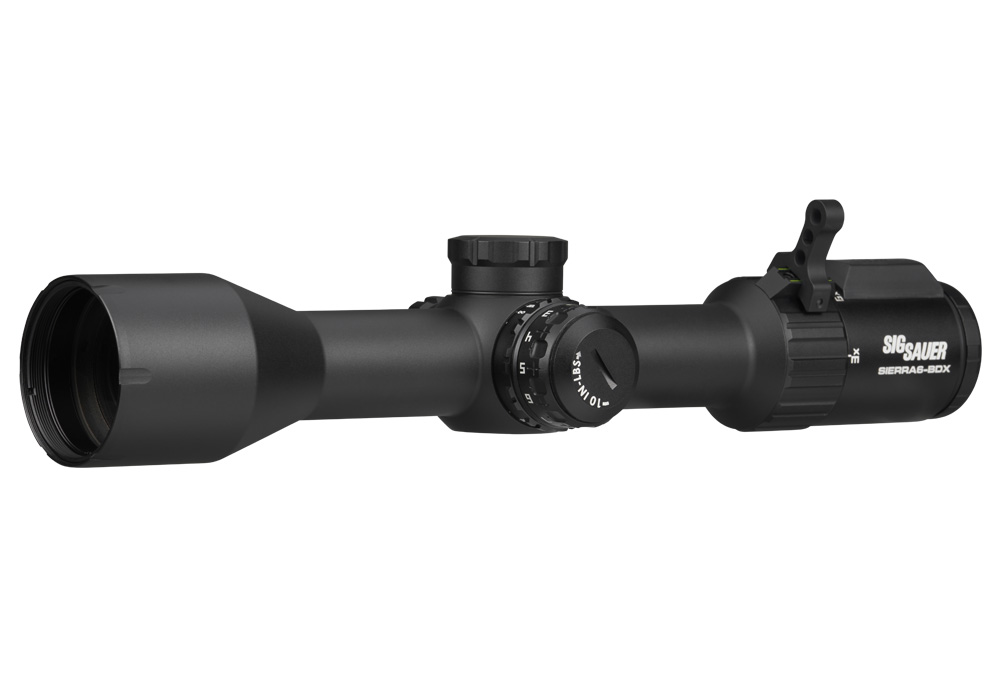
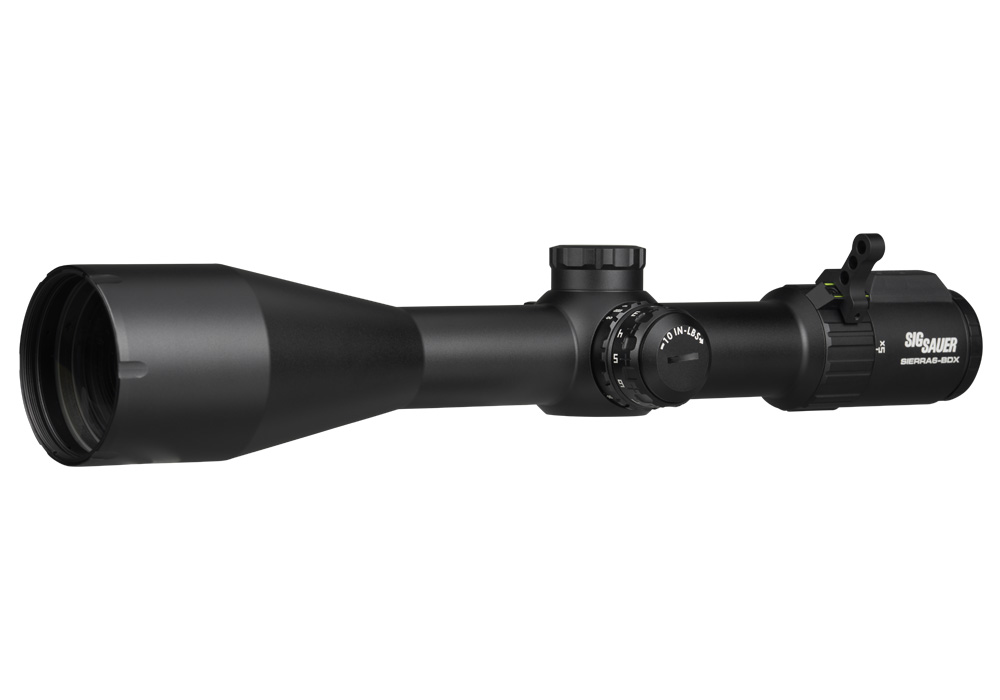
Airgun scopes for precision air rifle matches are built around a very different set of demands than many general-purpose rifle optics. Field Target, benchrest, and precision air rifle competitions often place small targets at modest distances, where a clear image, precise parallax adjustment, and dependable mechanical tracking can matter more than a broad field of view. A scope selected for this kind of shooting should generally focus at close range—often around 10 yards or 10 meters—rather than beginning at the longer distances common to firearm optics. In Field Target competition, the side-focus or adjustable-objective system may serve double duty: it sharpens the target image and helps the shooter estimate range by carefully observing the focus point. That can make a noticeable difference when a target is partially hidden among leaves, placed against a shaded berm, or positioned where a small distance error changes the pellet’s point of impact. Magnification preferences vary by discipline and personal style, but precision competitors often look for generous upper-end power, with ranges commonly extending from approximately 15x into the 30x, 40x, or 50x class. Higher magnification can help a shooter separate a tiny bullseye from its backer, inspect a target face, or place a pellet through the center of a narrow scoring ring. It also makes steady support, careful breathing, and a solid cheek weld more important, especially during a long benchrest string when even a slight shift can move the sight picture across the scoring area. The recommended airgun scopes in this category are intended for shooters who value fine aiming references and a sharply resolved image, whether they are preparing for a formal match, practicing from a bench during the cooler months, or refining a setup before an outdoor event. For additional options suited to a broader range of match-day environments, explore Airgun Scopes For Outdoor Shooting Events.
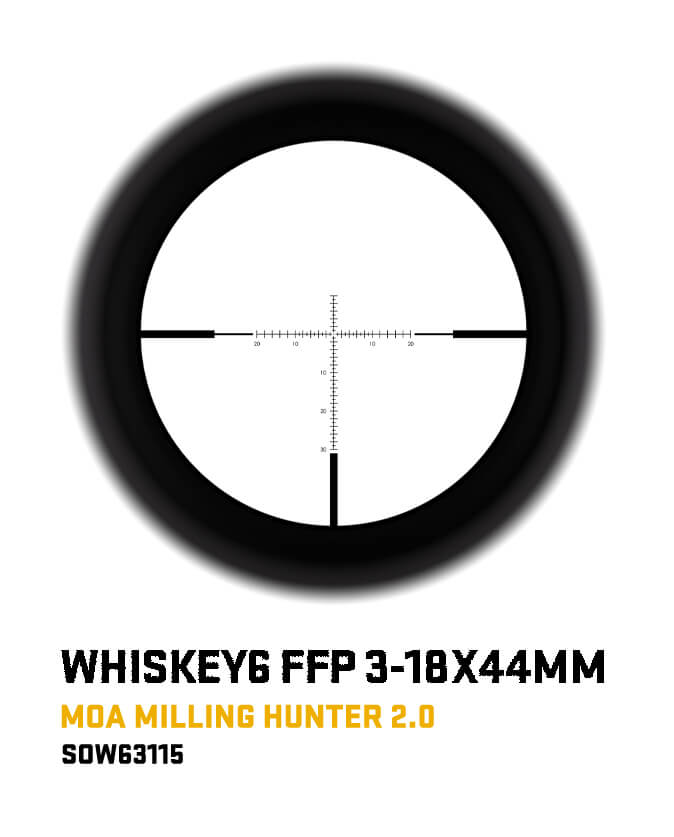
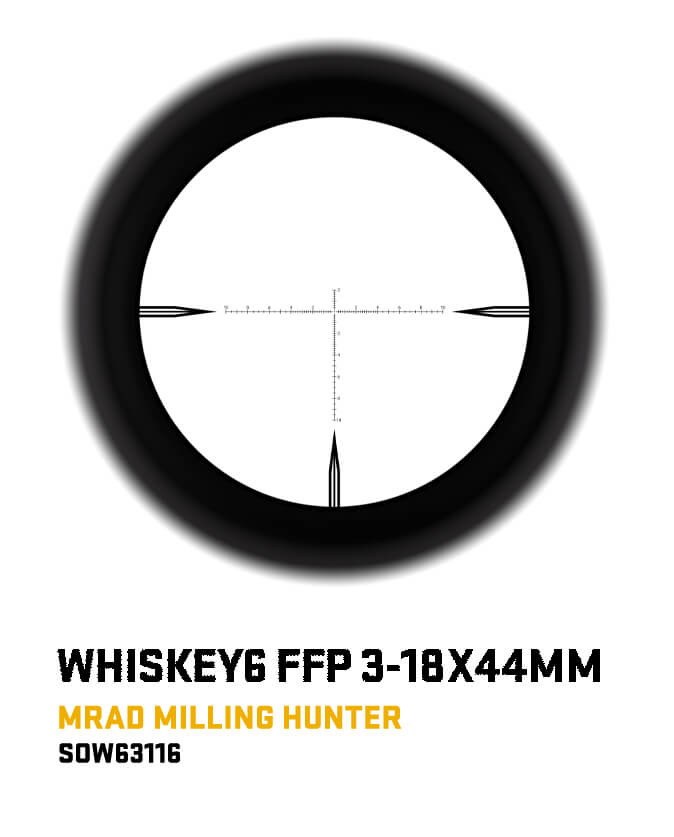
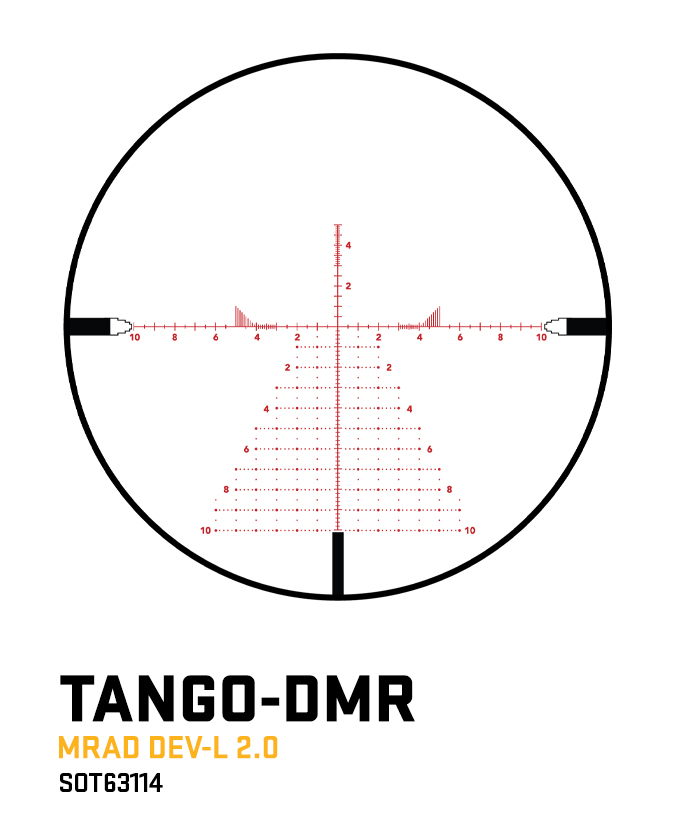
Reticle design and turret behavior are equally important considerations. A fine reticle can help preserve the view of a small scoring dot at high magnification, while a more detailed holdover reticle can provide reference points for elevation and wind when the course requires quick transitions between targets. First focal plane reticles maintain their subtensions relative to the target as magnification changes, which can be useful when moving from a wide view for target acquisition to a tighter view for a precise shot. Second focal plane reticles remain the same apparent size through the magnification range, a characteristic many benchrest shooters appreciate when they want an unobtrusive aiming point at maximum power. Neither arrangement is universally better; the right choice depends on the match format, the reticle pattern, and whether the shooter prefers dialing corrections or holding over. Exposed target turrets are often favored for precision air rifle use because competitors may make frequent, measured adjustments for distance and wind. Crisp clicks, repeatable tracking, and a reliable return-to-zero system help keep those corrections predictable from one target to the next. This matters because airgun projectiles can follow a pronounced trajectory, particularly at extended field distances, and a small elevation change can have a visible effect on point of impact. Turret markings should be easy to read in changing light, while a locking or capped design may be preferable for shooters who carry equipment between stages or across uneven ground. Mounting compatibility deserves attention as well. Check tube diameter, ring height, rail type, eye relief, and available adjustment range before choosing an optic, and confirm that the scope can be positioned comfortably without interfering with the rifle’s loading system or accessories. A PCP air rifle typically produces a different recoil impulse from a spring-piston rifle, while a spring-piston platform can create a distinctive two-direction movement that requires an optic specifically rated for that operating system. Matching the scope to the rifle is one of the simplest ways to protect zero and avoid an unpleasant surprise after a day of practice.
These scopes may appeal to dedicated competitors, recreational airgunners who enjoy dialing in demanding shots, and shooters who want a more deliberate sight picture for backyard or club-range practice where permitted. They can also make a thoughtful gift for an air rifle enthusiast, particularly when the recipient is moving from casual plinking into Field Target, benchrest, or another organized precision discipline. A useful gift choice begins with the rifle and the shooter’s habits: ask whether the platform is PCP or spring-piston, whether the optic will be used from a bench or carried through a field course, and whether the shooter prefers a fine traditional reticle or multiple holdover references. Magnification should suit the distances and targets without adding unnecessary weight, since a large optic can change the balance of a lightweight air rifle and make unsupported positions more tiring. Clear glass, practical eye relief, forgiving eyebox performance, and a side-focus control that turns smoothly are especially welcome when a match runs from bright open ground into shaded lanes. Weather can shift quickly during outdoor practice, so durable construction, sealed optics, and controls that remain usable with gloved hands can add confidence during cooler conditions. Many experienced shooters develop a familiar routine: confirm the mount, verify the zero, check parallax at known distances, record turret settings, and fire a few careful groups before beginning a match. The best airgun scope becomes part of that routine, helping the shooter read a small target cleanly, make a measured correction, and return to the same point of aim shot after shot. Whether the goal is a first organized competition, a tighter benchrest group, or a more capable setup for outdoor shooting as the seasons change, a purpose-appropriate optic can bring greater consistency and enjoyment to every deliberate squeeze of the trigger.