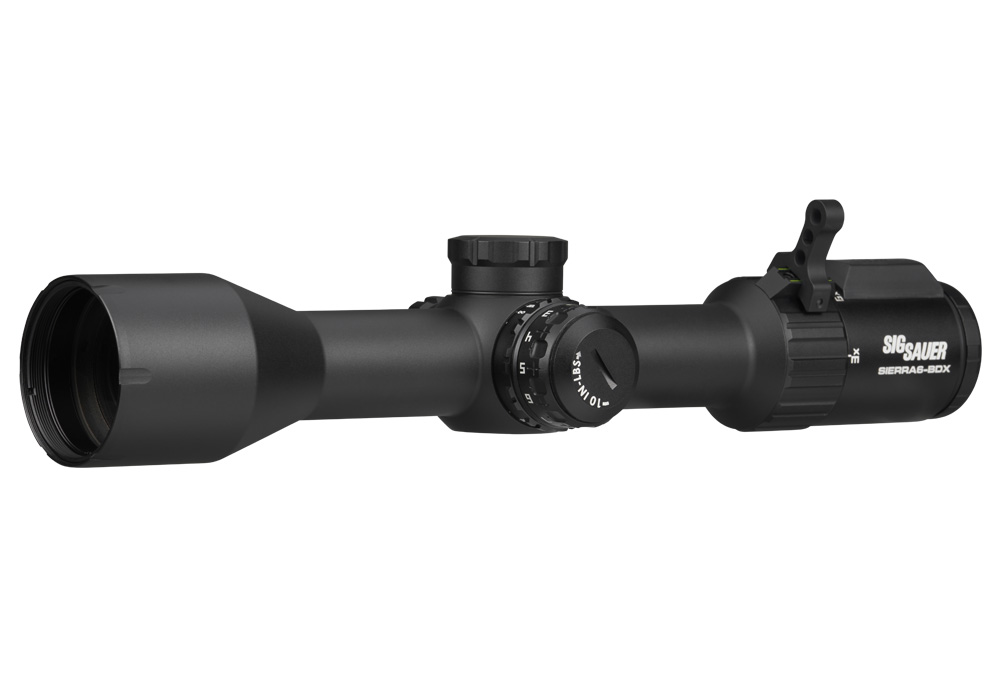
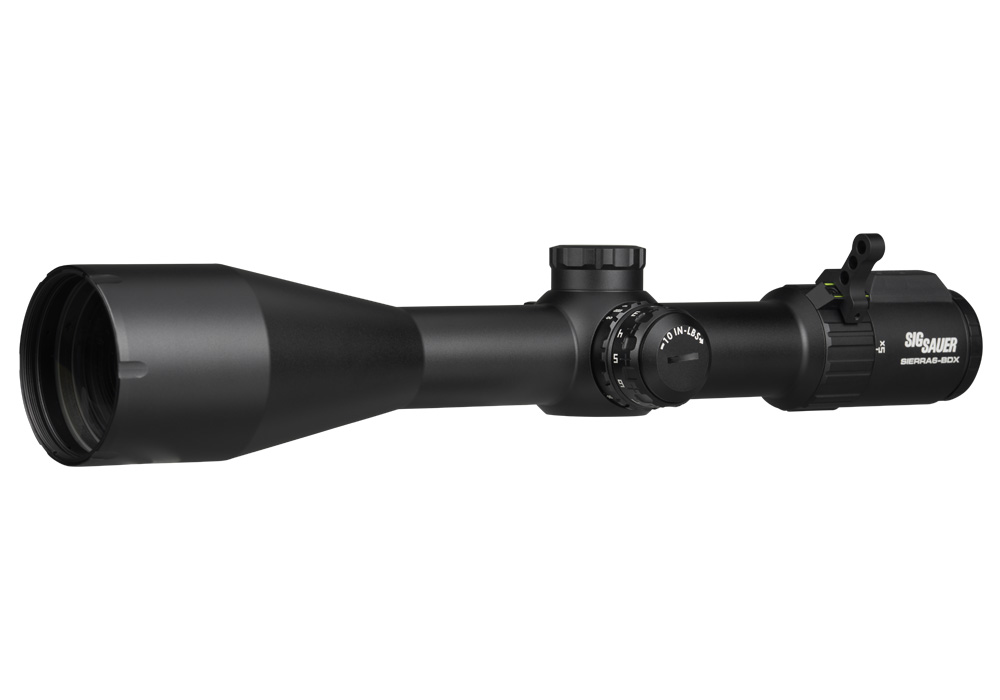
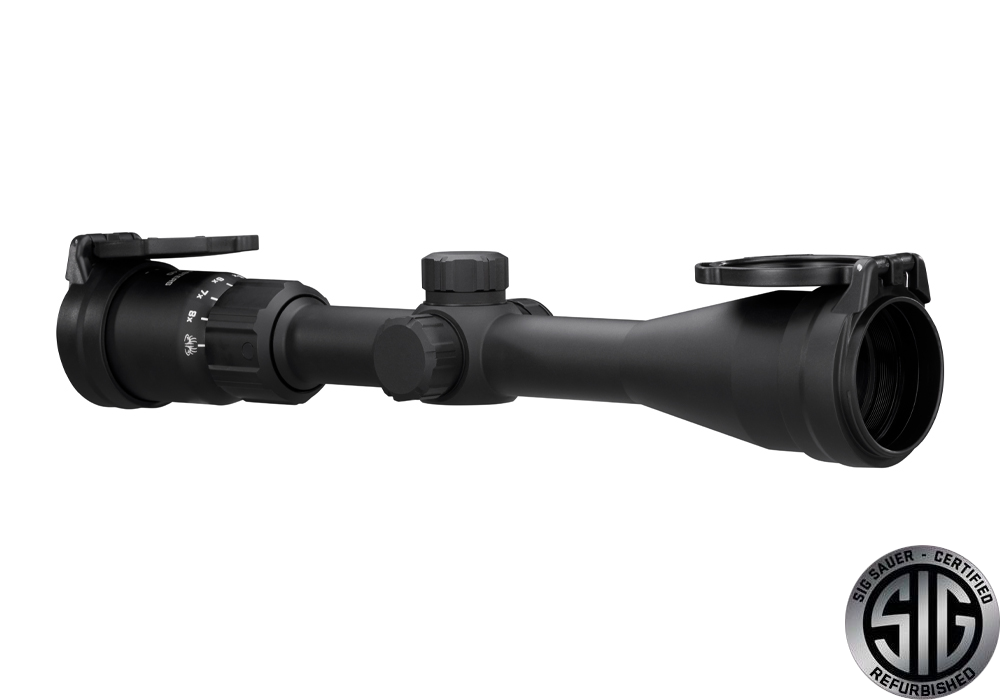
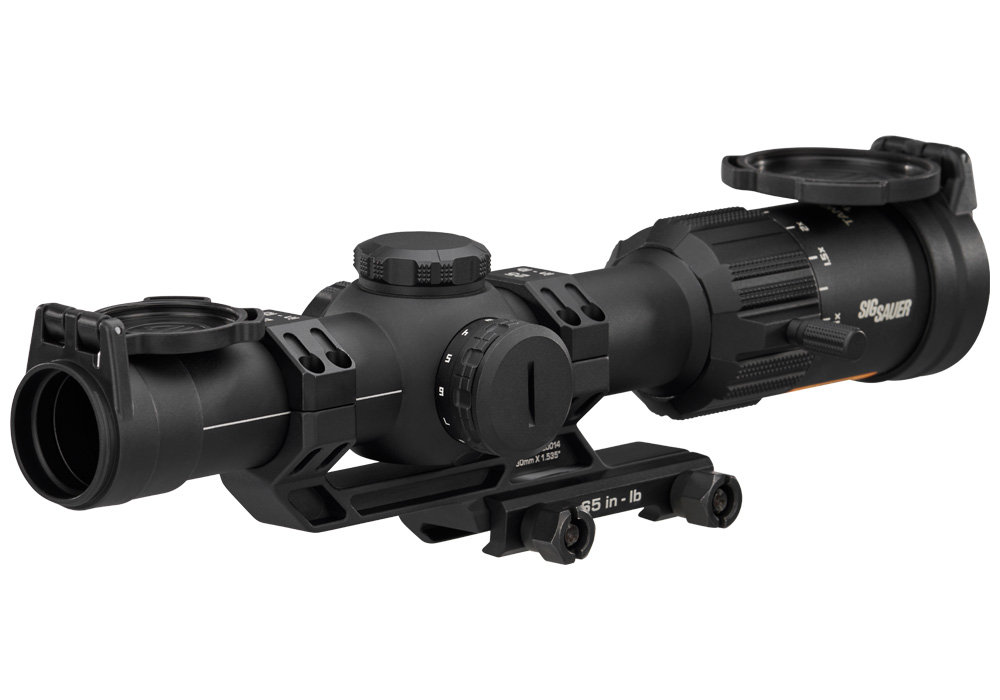
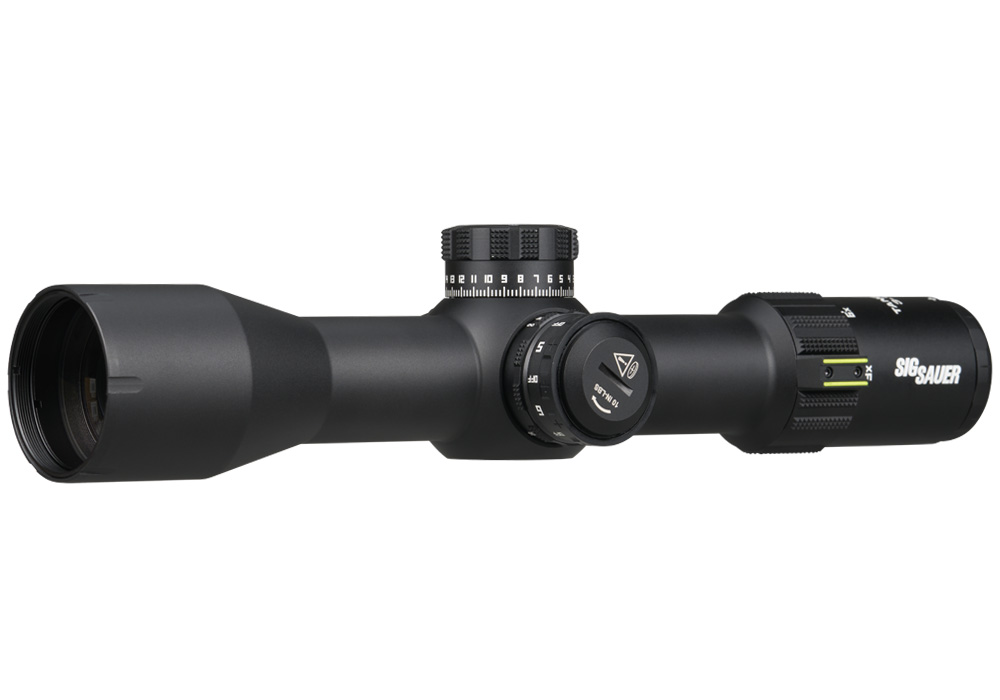
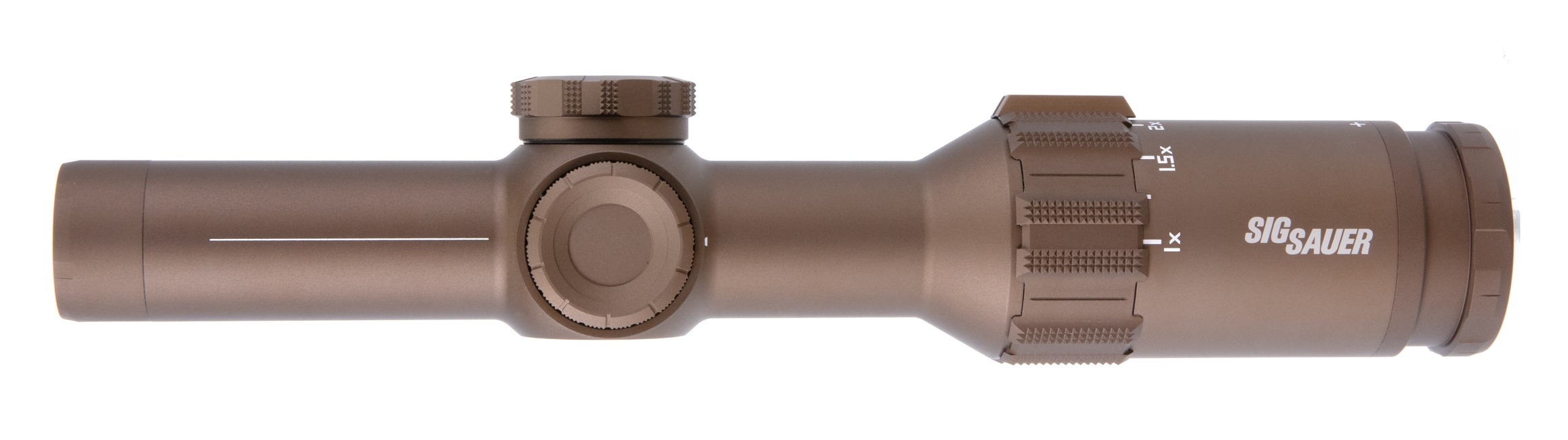
Airgun scopes for Scout marksmanship programs should make the fundamentals easier to see, understand, and repeat. In most youth training settings, shooters work at relatively short distances—often 10 meters, 50 feet, or approximately 10 to 25 yards—so a compact, low-magnification optic is generally more useful than a powerful long-range scope. Fixed 4x magnification and modest variable ranges such as 2-7x give developing marksmen a practical field of view for locating targets while still providing enough detail for careful aiming. Lower power also helps new shooters keep both the rifle and target under control instead of becoming distracted by a narrow sight picture. A simple duplex or crosshair reticle is usually a strong choice for instruction because it presents a clean aiming reference without adding unnecessary markings. When several Scouts are learning on the same firing line, straightforward controls and an uncluttered reticle allow adult leaders to explain sight alignment, breathing, trigger control, and follow-through with fewer interruptions. These scopes may be used on indoor ranges, covered outdoor firing points, or open training areas during the cooler months, and a clear sight picture remains valuable whether the target is printed paper, a reactive target, or a carefully marked practice bullseye.
Compatibility with the air rifle matters as much as magnification. An optic intended for an airgun should be rated for the rifle’s particular recoil pattern, especially when mounted on a spring-piston or gas-piston platform. Airgun recoil can move in a different direction from the recoil of a conventional firearm, and an optic not designed for that repeated impulse may lose zero or experience premature wear. Multi-pump pneumatic and other low-recoil training rifles place different demands on a scope, so the rifle model, mounting system, and recommended rings should be confirmed before purchase. Eye relief should be generous enough to support a comfortable, repeatable cheek weld, while the scope’s tube diameter and mounting length need to work with the rifle’s rail and available clearance. Adjustable objective or side-focus features are particularly useful at close Scout distances because they help bring short-range targets into sharp focus and reduce parallax error. A clearly marked adjustment range is helpful when a program moves between 10-meter indoor practice and longer outdoor sessions. Turrets should track consistently and return to zero after a change, but they do not need to be overly complicated for a beginner-focused setup. A durable construction, secure lens covers, dependable adjustment caps, and a finish that tolerates frequent handling all have practical value when equipment is transported between meetings, stored in a range cabinet, or shared among participants. Basic weather resistance can also help protect the optic from light moisture, dust, and the changing conditions common during outdoor activities.
The best selection for a Scout program balances optical clarity, ease of use, durability, and the realities of group instruction. Leaders may prefer a compact scope that is light enough for a younger shooter to carry and does not make a training rifle feel front-heavy. A forgiving eye box helps participants find the correct sight picture quickly, particularly during the first sessions when shoulder position and cheek placement are still developing. Bright, evenly lit glass is useful in indoor ranges and shaded outdoor areas, while a matte exterior can reduce glare and keep the optic visually unobtrusive. Before mounting, check that the scope is airgun-rated, that the rings match the rifle’s rail, and that the chosen eye relief allows the shooter to maintain a safe and comfortable position. After installation, confirm zero from a stable rest, then verify the point of impact from the positions used in training. Keep written notes for each rifle if scopes are exchanged between members, since small differences in mounting height, ammunition, or rifle behavior can affect sight settings. These optics can also be thoughtful gifts for a young marksman, a Scout leader building a program, or a family preparing a first air rifle for supervised target practice; the most appreciated choice is usually one that is dependable and simple rather than overloaded with features. For participants moving from basic marksmanship into more formal target work, related equipment can be explored alongside Airgun Scopes For Precision Air Rifle Matches. With safe range procedures, appropriate adult supervision, properly fitted equipment, and an optic suited to the rifle and distance, a scope can help turn each practice session into a steady progression—from finding the target, to holding a consistent sight picture, to placing accurate shots with confidence.