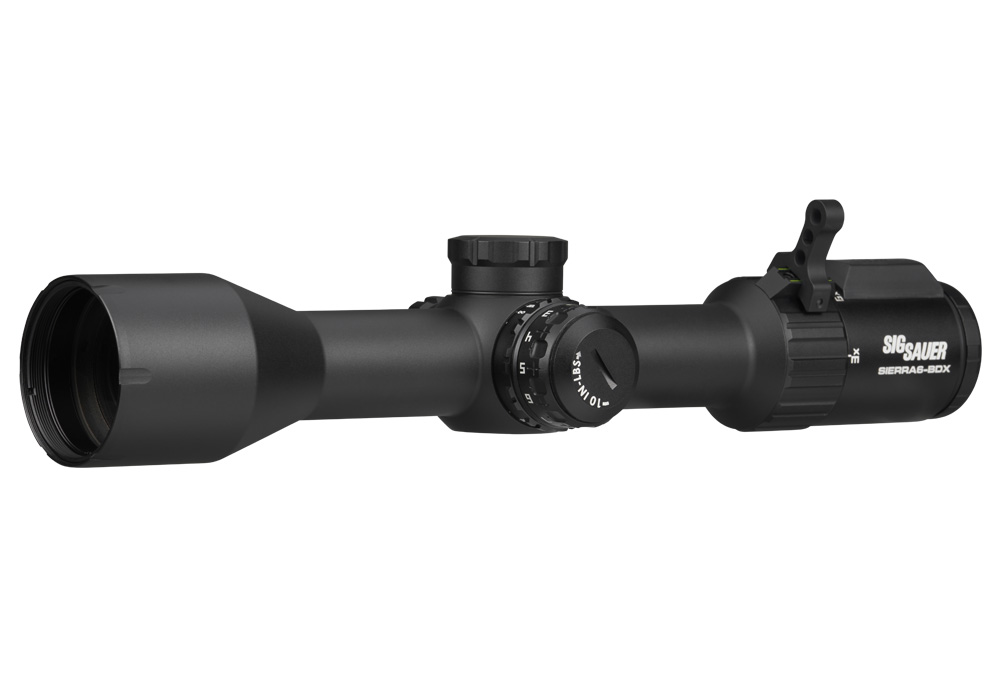
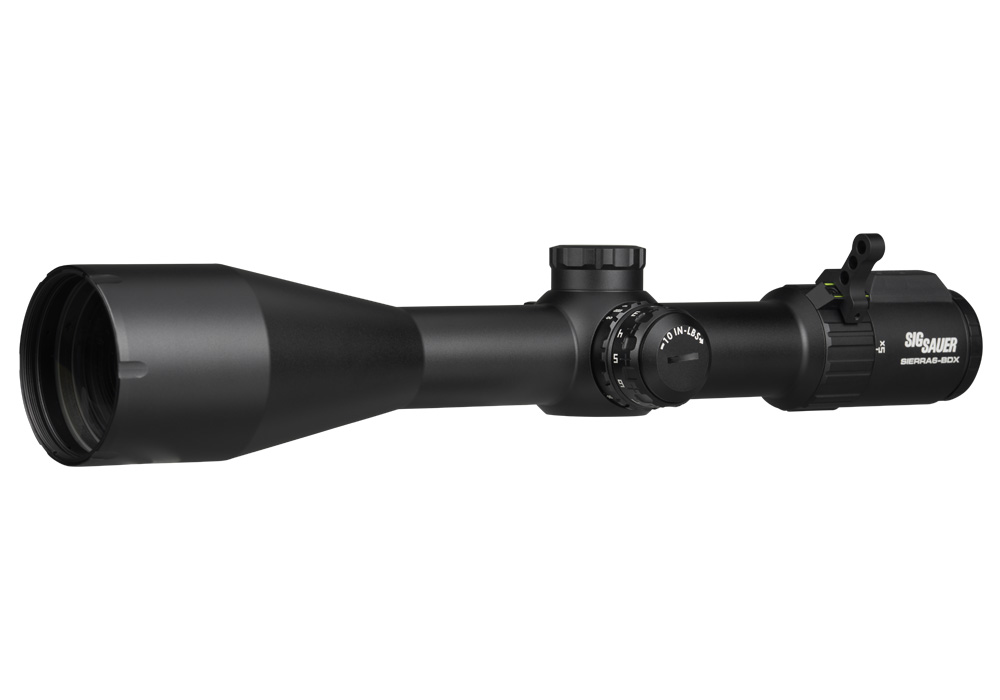
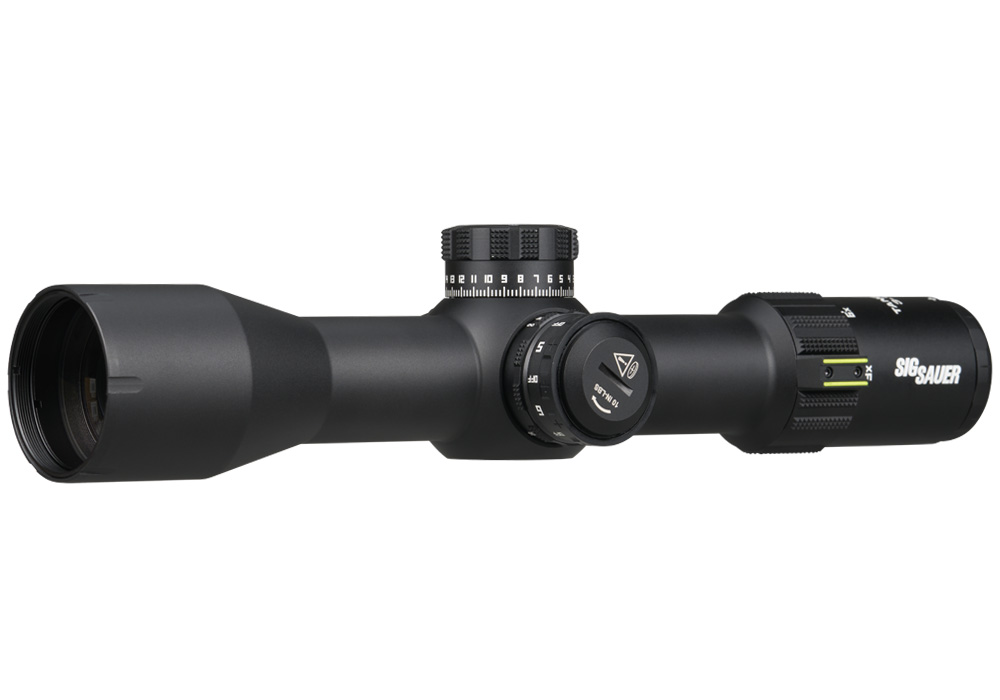
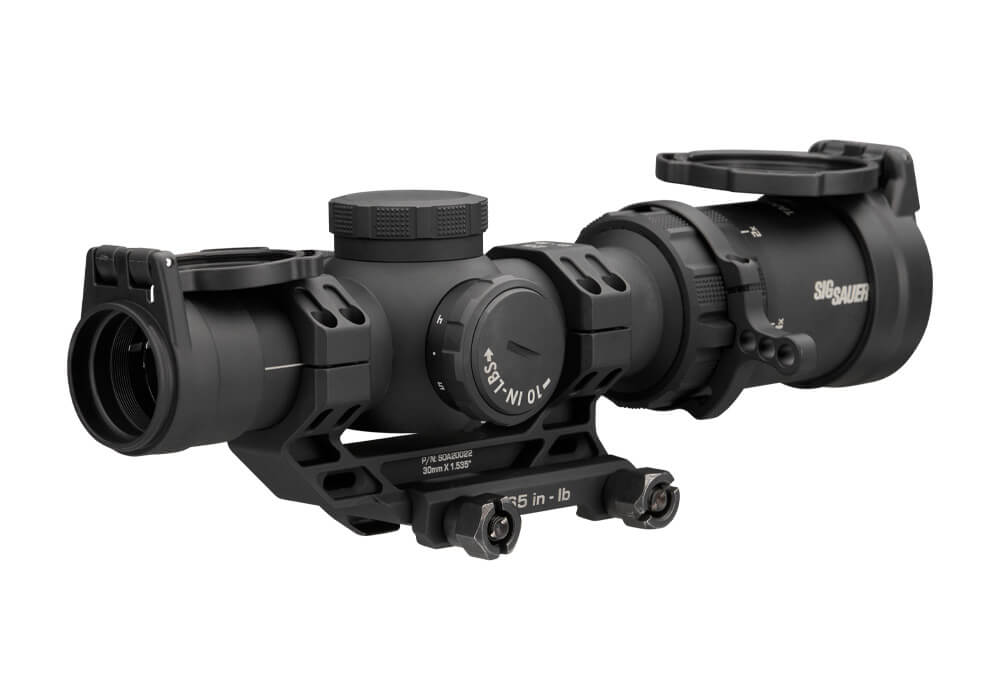
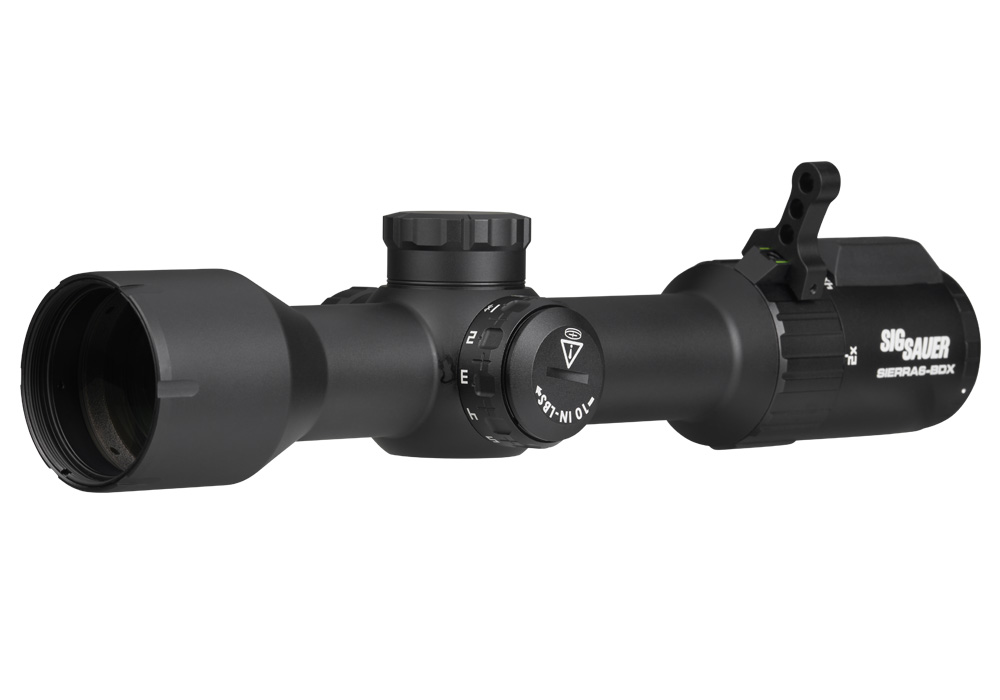
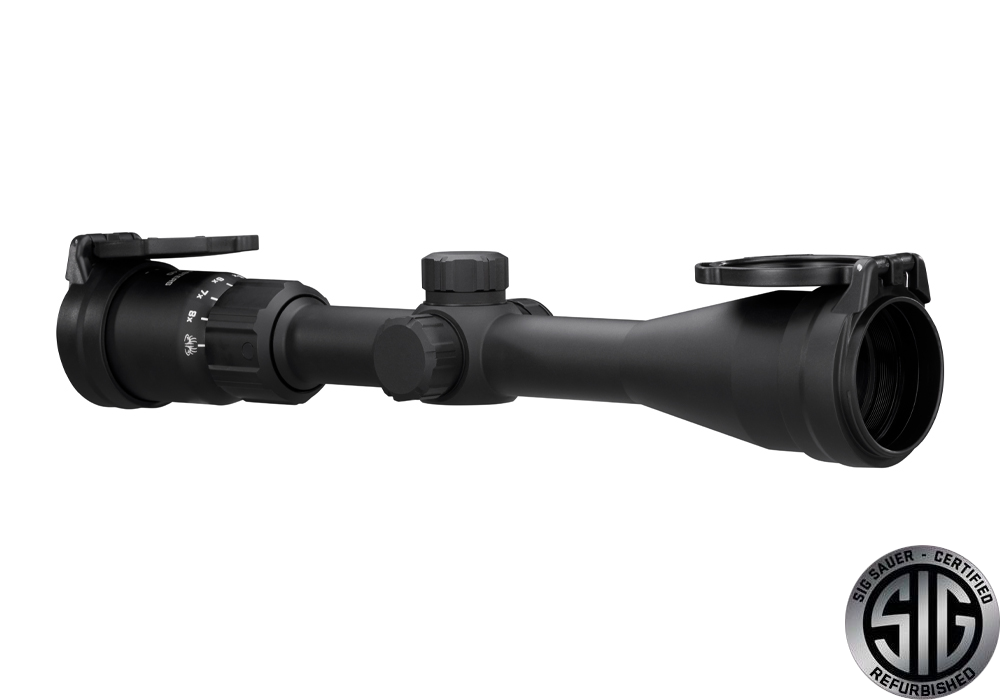
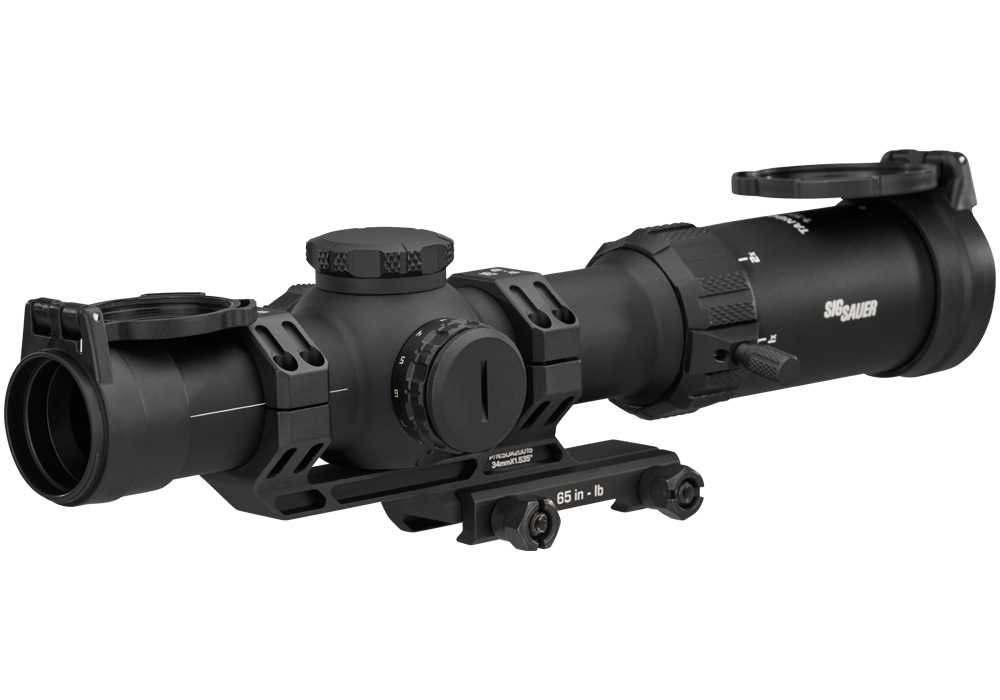
Airgun scopes selected for summer marksmanship clinics should make the fundamentals easier to see, explain, and repeat. In a clinic setting, shooters may range from first-time participants to experienced young marksmen refining their positions, and the right optic can help each person build confidence without adding unnecessary complexity. Consider the age and skill level of the group, the type of air rifle being used, and the distances available on the range before choosing a scope. A low-power variable optic with a range such as 1-6x can provide a wide field of view for quick target acquisition while still offering additional magnification when instructors want students to examine a smaller aiming point. Mid-range options in the 2-7x or 3-9x class can be useful for organized practice at moderate distances, particularly when a clinic includes both introductory drills and more precise groups. Lower magnification is often easier for new shooters because the target is faster to find and the sight picture feels less restrictive. Higher magnification can help demonstrate sight alignment, hold consistency, and shot placement, but excessive magnification may make it harder for a young shooter to locate the target or maintain a steady image. As with any range equipment, the scope should complement the rifle rather than overwhelm it, leaving students focused on safe handling, a stable position, controlled breathing, and smooth trigger movement.
Parallax adjustment deserves special attention when choosing an airgun scope for a clinic. Many airgun ranges use distances from approximately 10 to 50 yards, where a scope set for longer-range firearm use may not provide the clearest or most forgiving sight picture. A side-focus adjustment or adjustable objective allows the instructor or shooter to bring the reticle and target into the same focal plane, reducing apparent reticle movement when the eye shifts slightly behind the scope. This feature can be especially helpful for younger shooters, whose cheek weld and eye position may not be perfectly consistent from one shot to the next. A simple duplex reticle is often easy to teach because it presents clear crosshairs without distracting markings. A mildot or similar grid can also support instruction in holdover, wind correction, and estimating target size, provided the reticle remains readable and is not overly busy. Illumination may help in shaded areas or during changing outdoor light, although it should be treated as an aid rather than a substitute for a clear, properly adjusted sight picture. Look for practical controls with positive adjustments, readable markings, and a magnification ring that can be operated without disturbing the rifle. Eye relief, tube size, mounting compatibility, and overall weight matter as well; a scope that is too heavy or difficult to position can change the balance of a lightweight air rifle and make steady practice more tiring. Before a clinic begins, instructors should confirm that mounts are secure, the optic is properly zeroed for the rifle and ammunition, and every shooter understands that adjustments are made only with the rifle pointed in a safe direction. A few minutes spent checking focus, reticle visibility, and zero can prevent confusion once the line becomes active.
Airgun compatibility is one of the most important purchase considerations. PCP and CO2 air rifles generally produce a different recoil experience than spring-piston models, while spring-piston actions can create a distinctive bidirectional or reverse recoil impulse that may damage an optic not designed for that operating cycle. Always verify that the scope is rated for the specific airgun type, not simply for a similar-looking firearm. This is particularly important when equipment will be shared among students or moved between rifles during a clinic. A durable, weather-resistant construction can be valuable for outdoor instruction, where equipment may encounter dust, light moisture, changing temperatures, or the occasional hurried trip between firing points. During the cooler months following summer programs, a scope may be stored for longer periods or used in crisp morning conditions, so protective caps, a clean lens cloth, and a padded case can help preserve clarity and alignment. Airgun scopes can also make thoughtful gifts for a young marksman, coach, scouting leader, or family member who enjoys structured target practice, especially when the recipient is building a first setup and needs equipment that is straightforward to use. Gift buyers should confirm the rifle platform, mounting system, expected target distance, and the shooter’s experience level before selecting magnification or reticle style. For organizers planning multiple stations, matching scopes can simplify instruction, while a small selection of compatible magnification ranges may better serve mixed experience levels. Programs with a strong emphasis on outdoor skills may also benefit from comparing related equipment through Airgun Scopes For Scout Marksmanship Programs. Whether used for a summer clinic, a youth practice session, or careful target work during the cooler seasons, a well-matched airgun scope should provide a clear view, dependable adjustment, and an uncomplicated path from the first sight picture to more consistent marksmanship.