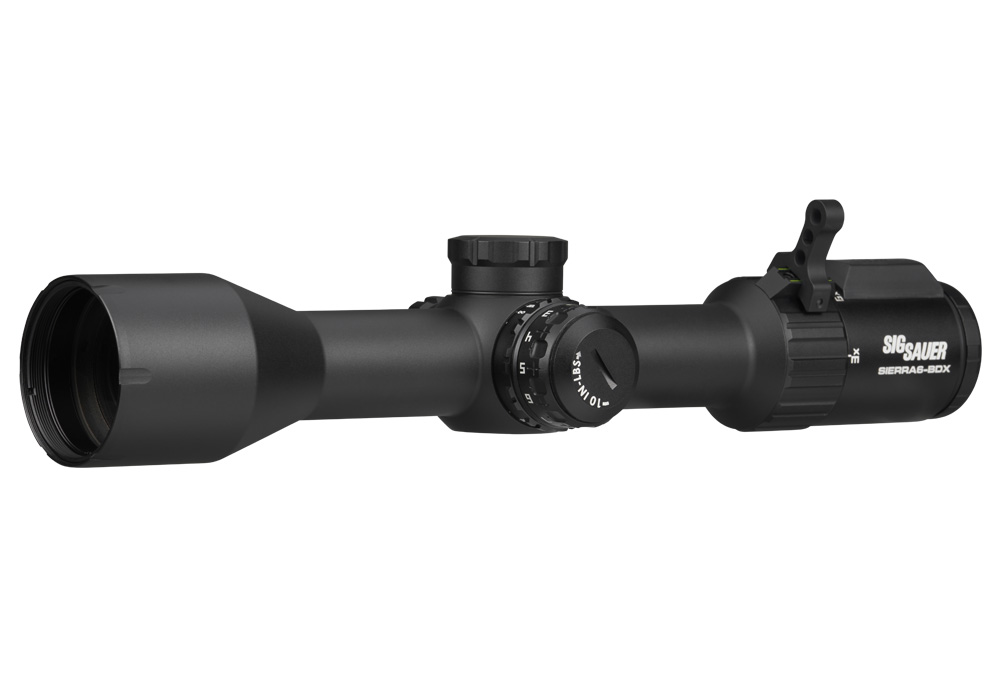
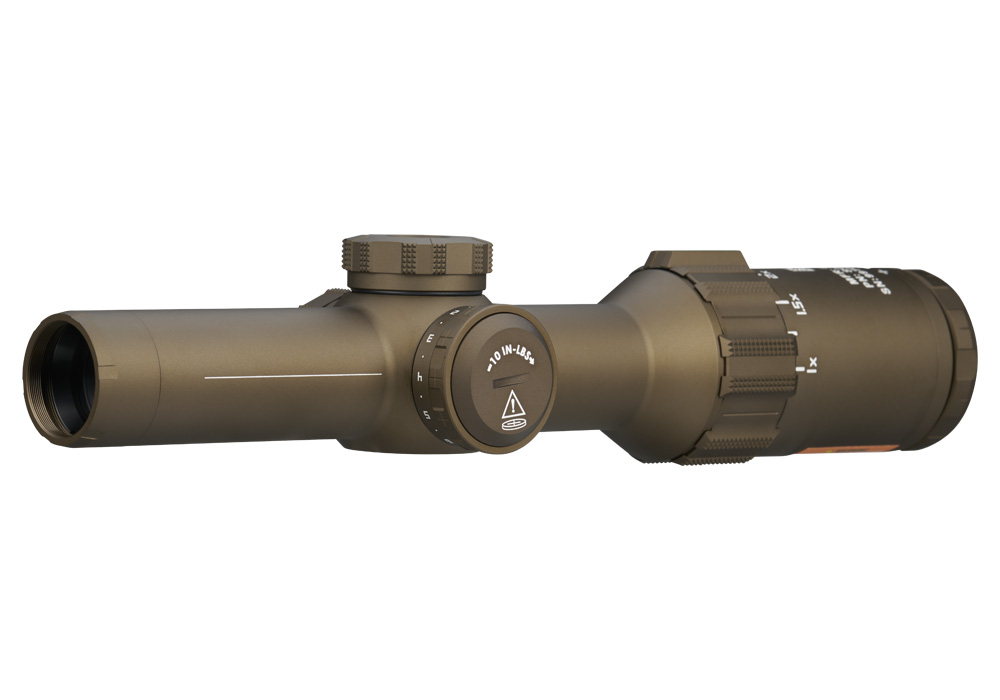
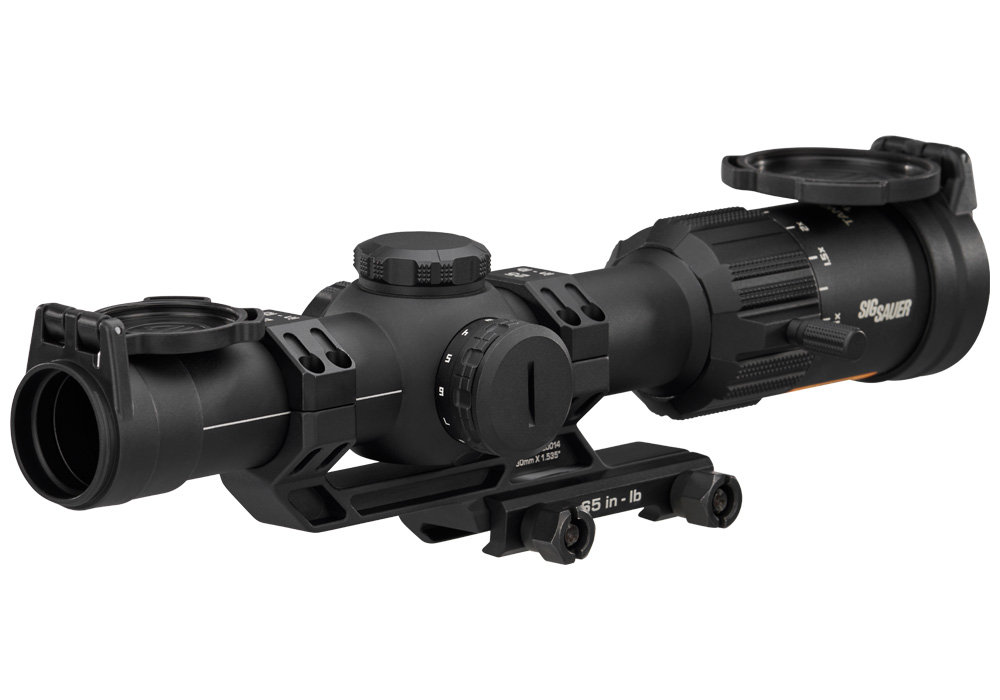
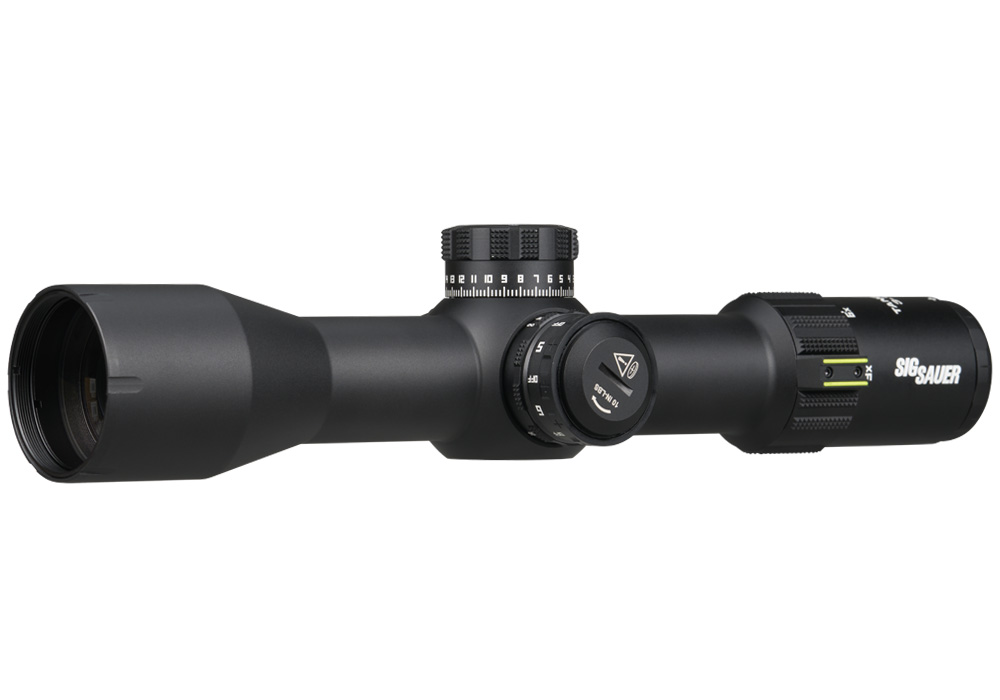
Airgun scopes for summer outdoor training help turn a casual session in the backyard, on a private range, or at an organized outdoor facility into a more consistent practice routine. As the weather warms, longer daylight and comfortable conditions make it easier to work on fundamentals such as sight alignment, trigger control, follow-through, and reading the point of impact at different distances. The products collected on this page are suited to shooters who want a clearer aiming reference than open sights can provide, whether they are beginning with an air rifle, refining established skills, or setting up an optic for informal target practice. An appropriate scope can make small targets easier to identify, support more deliberate shot placement, and provide useful feedback when a pellet lands just outside the intended group. For many shooters, the best choice begins with the airgun itself. PCP, break-barrel, gas-piston, and CO2 platforms can produce different levels and patterns of vibration, so the optic and mounting system should be rated for the demands of that platform. Break-barrel and gas-piston airguns are especially important considerations because their two-way recoil and repeated vibration can be harder on an optic than the movement generated by many conventional firearms. Airgun-rated shock durability, secure rings, and correct mounting hardware all contribute to dependable performance during repeated practice. A scope selected for this type of use may also make a thoughtful gift for a new airgun owner, a young shooter learning under responsible supervision, or an experienced enthusiast building a dedicated outdoor training setup.
The most useful features depend on the distances, targets, and light conditions involved. Adjustable parallax, provided through side focus or an adjustable objective, is valuable for airgun training because many sessions take place across relatively short and changing distances, often around 10 to 50 yards. Correct parallax adjustment helps place the reticle and target on the same optical plane, reducing apparent reticle movement when the shooter’s eye shifts slightly behind the scope. This can support more precise aiming and make group evaluation easier. Magnification should be selected with the training environment in mind: lower settings offer a wider field of view and faster target acquisition for closer work, while moderate or extended magnification can help with small targets and longer-range practice when the airgun and shooting area support it. A first-focal-plane reticle maintains its relationship with the target as magnification changes, which can be useful for applying holdover references throughout the scope’s magnification range. An etched reticle is another practical consideration for airgun use because it can provide a durable, sharply defined aiming pattern that stands up well to vibration. Reticle design is ultimately a matter of preference, but uncluttered markings are often easier to use when concentrating on a small bullseye or a reactive target. Fully multi-coated lenses can improve light transmission, reduce distracting glare, and help preserve contrast during bright outdoor sessions. They are particularly helpful when the sun is low across the range, when targets sit in partial shade, or when heat shimmer rises from a sunlit field and makes distant images appear to ripple.
A dependable outdoor training optic should also be comfortable to use over repeated sessions. Consider the scope’s eye relief, adjustment style, tube diameter, overall weight, and compatibility with the airgun’s rail or mounting system before making a purchase. Generous eye relief can make the sight picture easier to acquire and supports a more comfortable shooting position, while clearly marked turrets allow the shooter to make measured corrections as conditions or distances change. The scope should return to a consistent zero after adjustments, and its controls should remain manageable when used with the gloves or layered clothing that may accompany cooler outdoor sessions. Weather-resistant construction is useful when practice continues through changing conditions, although every optic benefits from being protected from unnecessary moisture, dust, and rough handling. Lens covers and a soft, clean cloth help preserve glass clarity between outings, and a simple record of distance, pellet type, magnification, and turret changes can make future sessions more repeatable. Shooters planning structured practice, club activities, or outdoor competitions may also want to compare these selections with Airgun Scopes For Outdoor Shooting Events for optics suited to a related setting. Whether the goal is building a tighter group, learning to compensate for changing distances, or spending quiet afternoons refining technique, the right airgun scope adds useful detail and confidence without taking attention away from safe handling and disciplined fundamentals. Always follow the airgun manufacturer’s recommendations, use a secure backstop, keep the muzzle pointed in a safe direction, and observe all applicable laws and range rules during outdoor training.