Airgun scopes and shooting accessories bring a clearer view and a more comfortable setup to recreational target sessions, from a shaded outdoor bench to a supervised range. Although summer shooting often means bright targets and long afternoons outside, the same equipment can support practice through cooler weather and changing light. The best fit starts with the air rifle’s operating system, the distance to the target, and the way the rifle will be used. Spring-piston and gas-ram airguns generate a distinctive recoil cycle with forces in opposing directions, so a scope should carry an explicit rating for that type of airgun rather than rely on a general shockproof claim. Precharged pneumatic air rifles have different recoil characteristics, but secure mounting and compatible dimensions still matter. For close-range paper targets and casual plinking at suitable targets with a secure backstop, variable magnification around 2–7x or 3–9x can offer a useful balance of detail and field of view. Magnification in the 4–16x range or higher can help reveal smaller target markings, though increased power also makes movement and atmospheric shimmer more noticeable. A higher number alone does not guarantee a better view. Lens quality, usable focus distance, reticle visibility, and comfortable eye relief all contribute to how naturally a scope works on the rifle. Adjustable objectives and side-focus controls deserve particular attention because airgun targets are often closer than the distances associated with conventional rifle optics. These features can bring the target into focus and reduce parallax at supported distances; the manufacturer’s stated minimum focus distance is more informative than the adjustment style alone. A scope that focuses well beyond the intended target may leave a close paper bull indistinct even when its magnification seems appropriate. For someone practicing on a compact range, close-focus performance can therefore be more useful than extra zoom. For a shooter who alternates between distances, a readable adjustment scale and controls that remain comfortable to operate can make the equipment easier to live with.
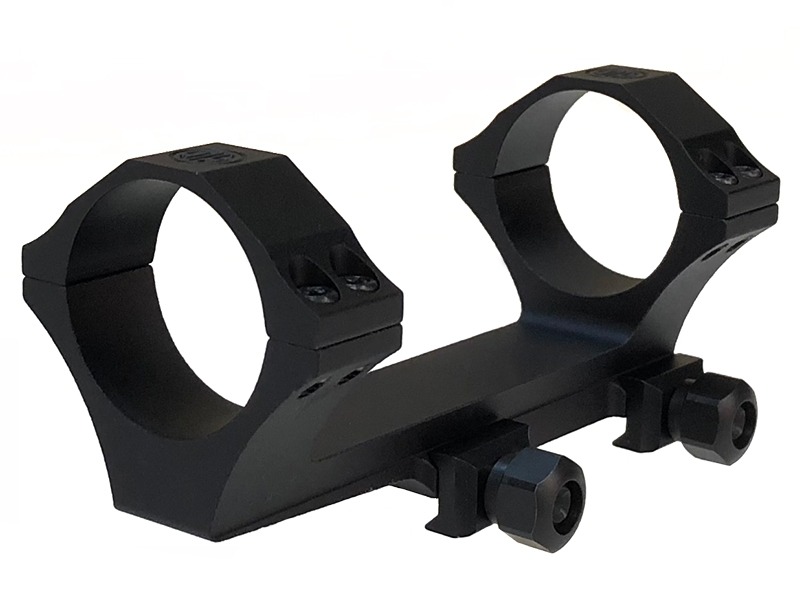
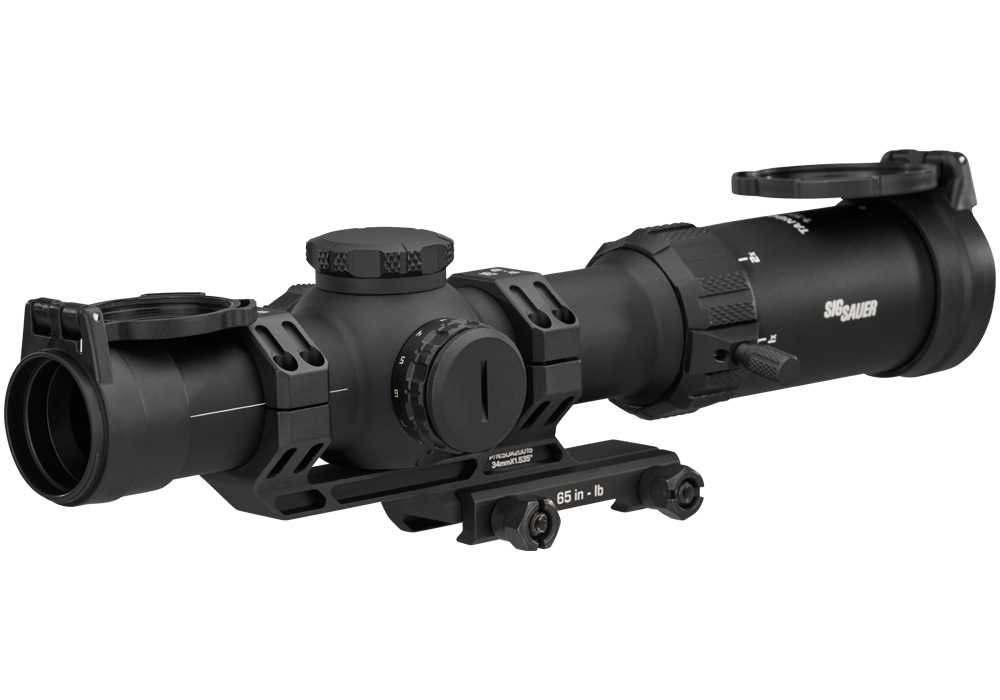
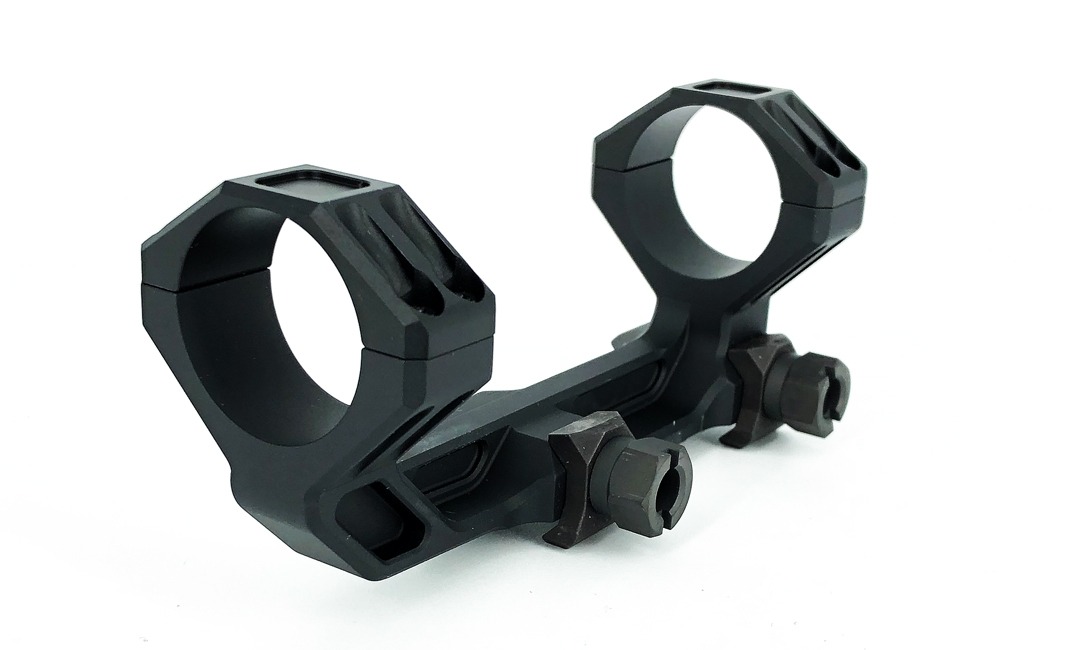
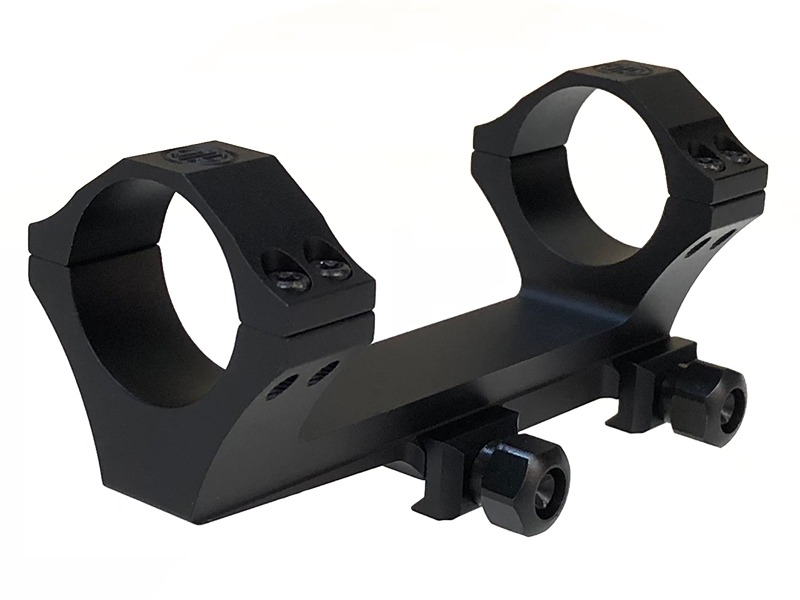
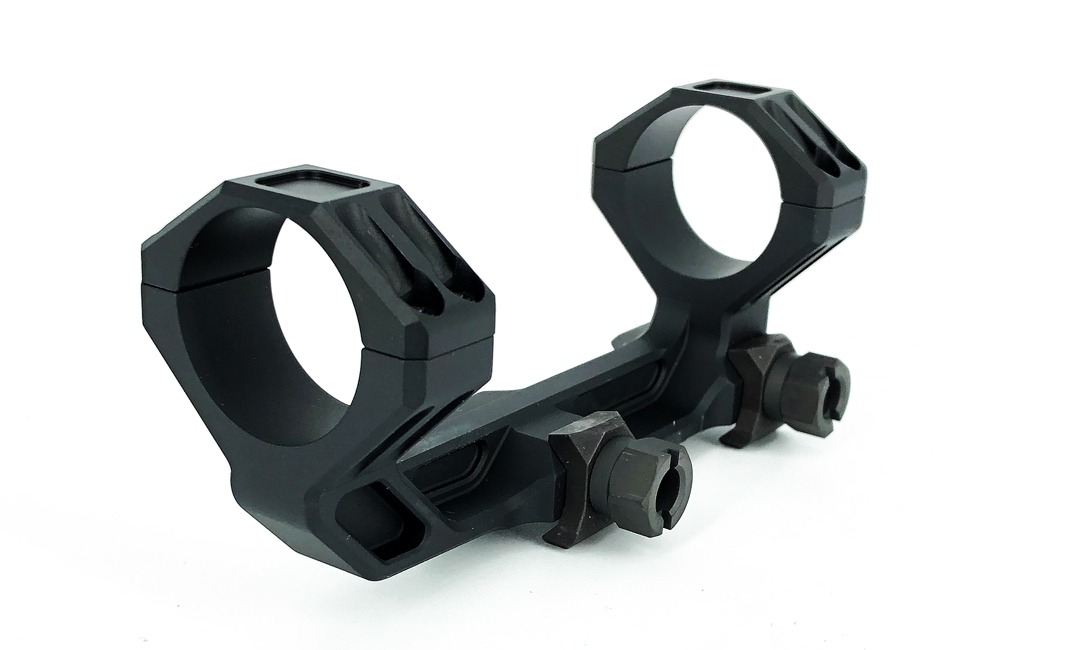
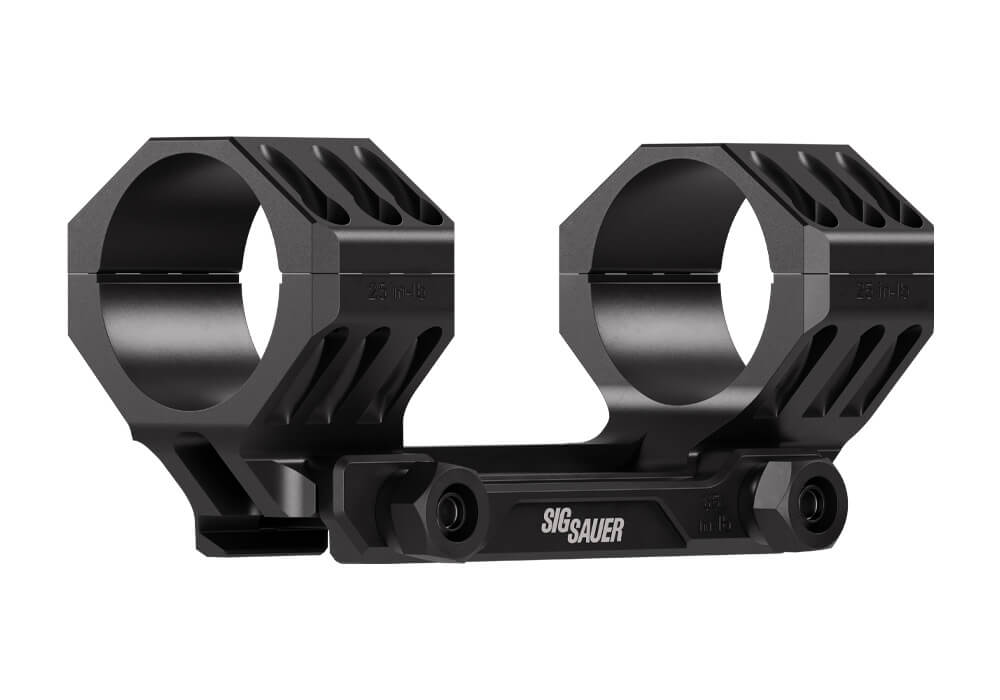
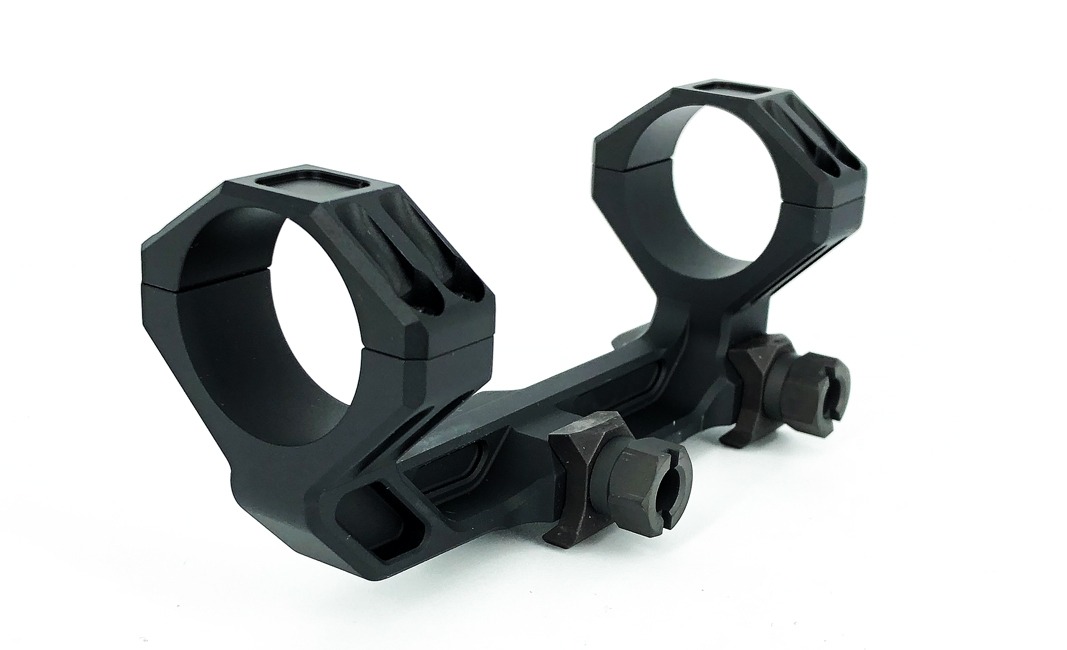
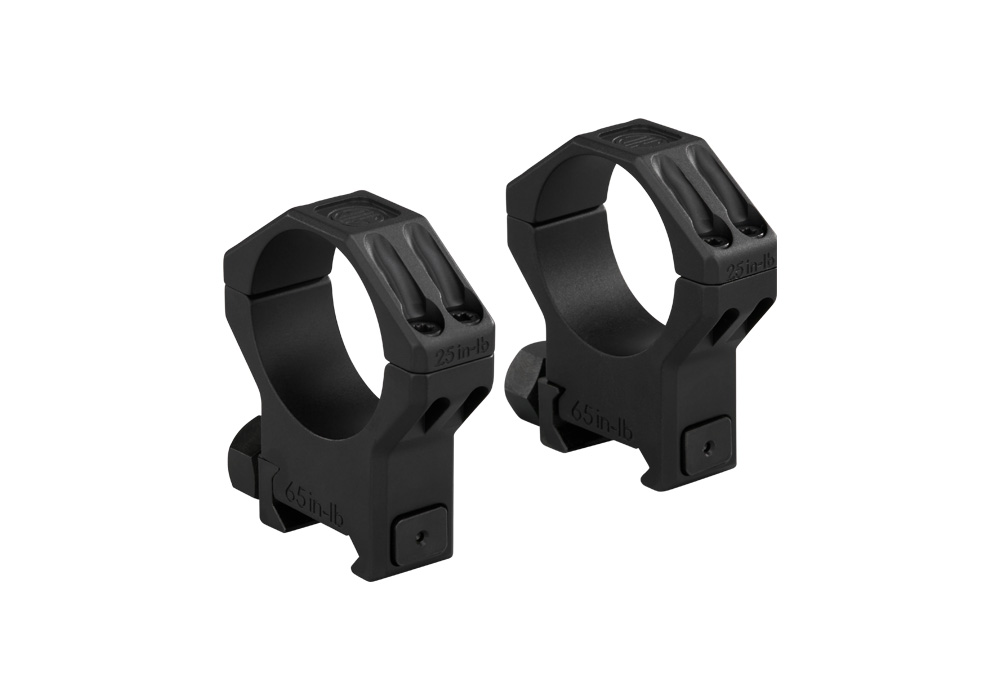
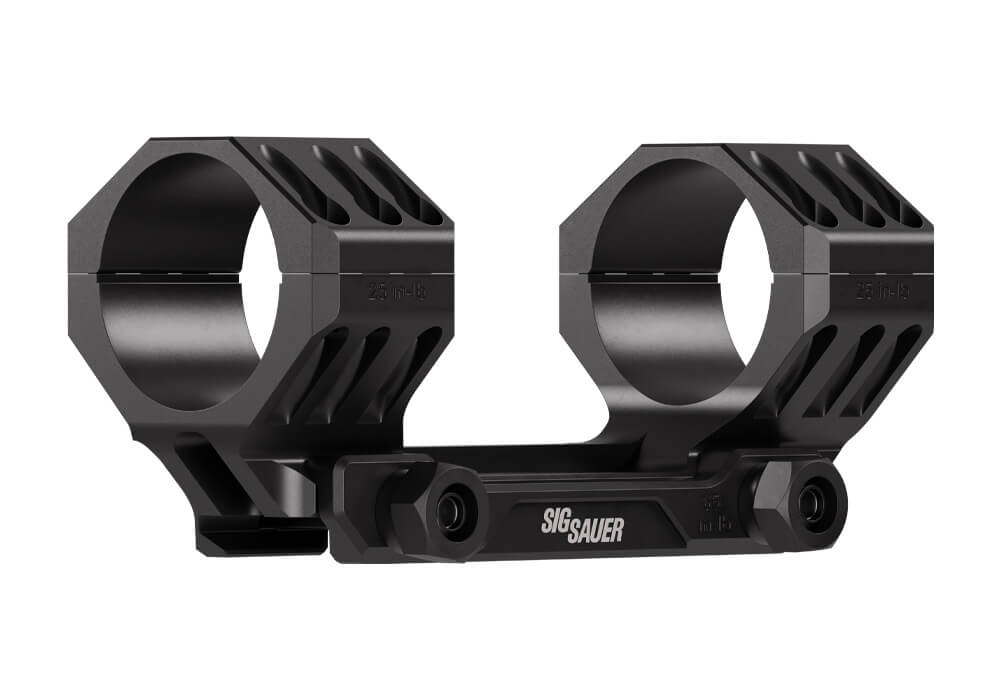
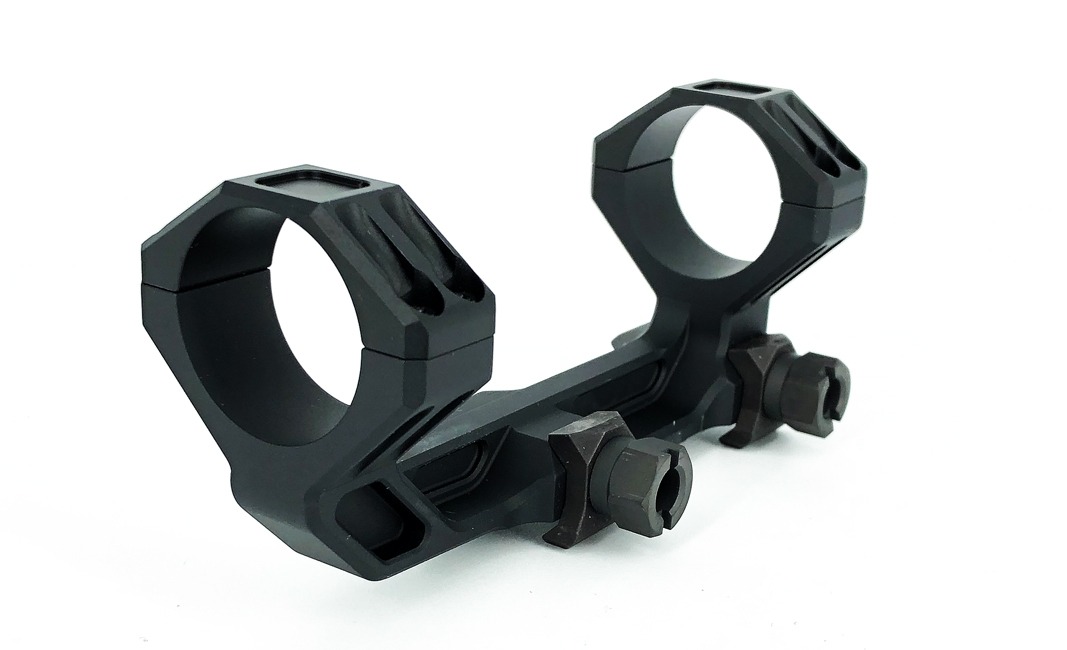
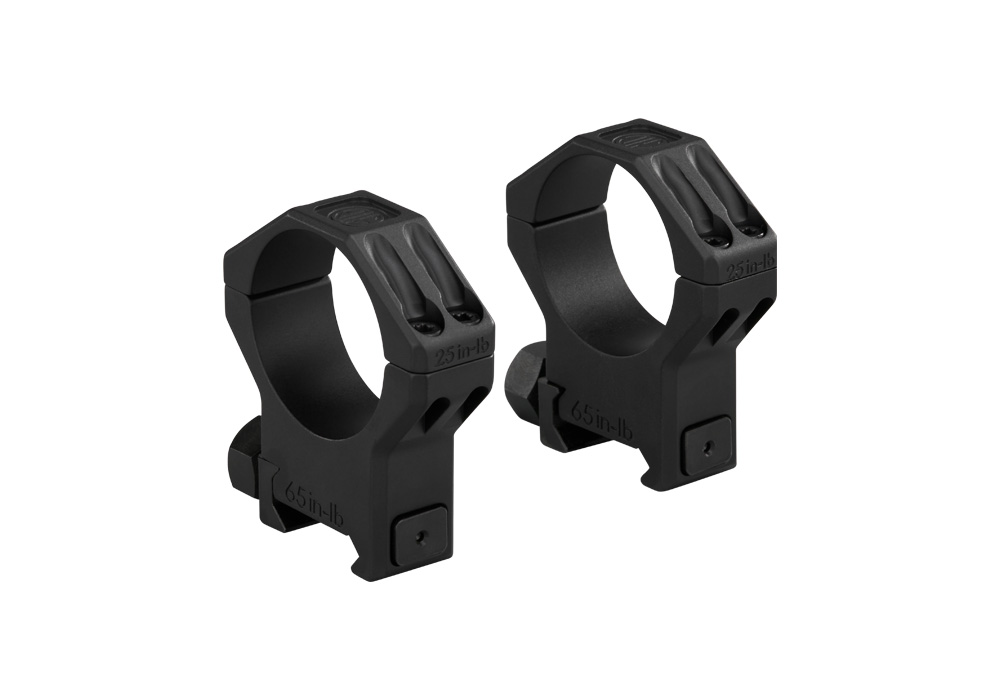
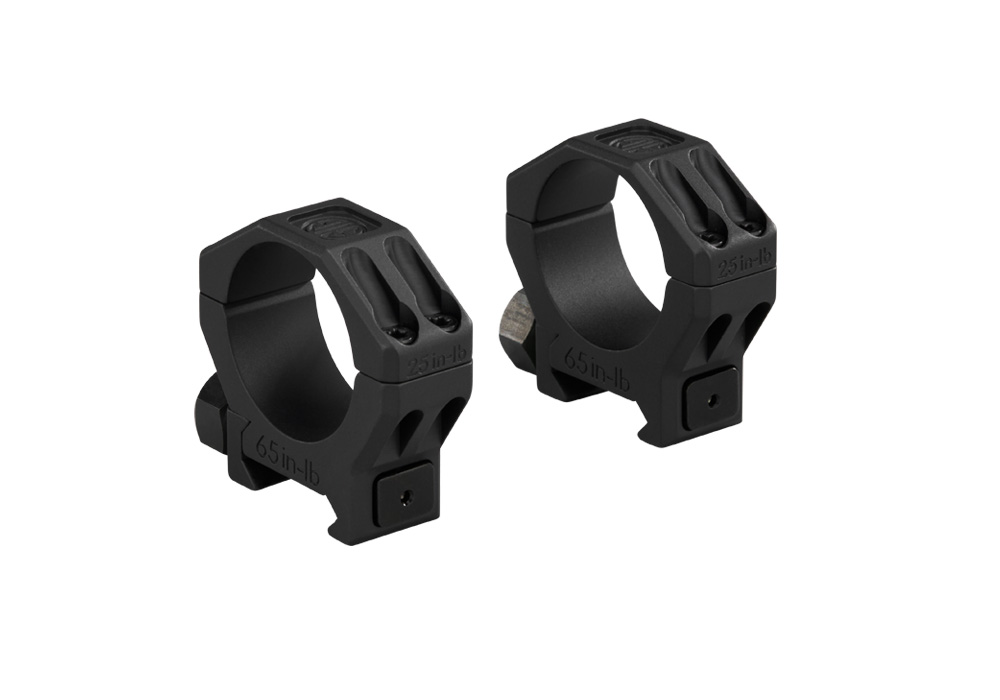
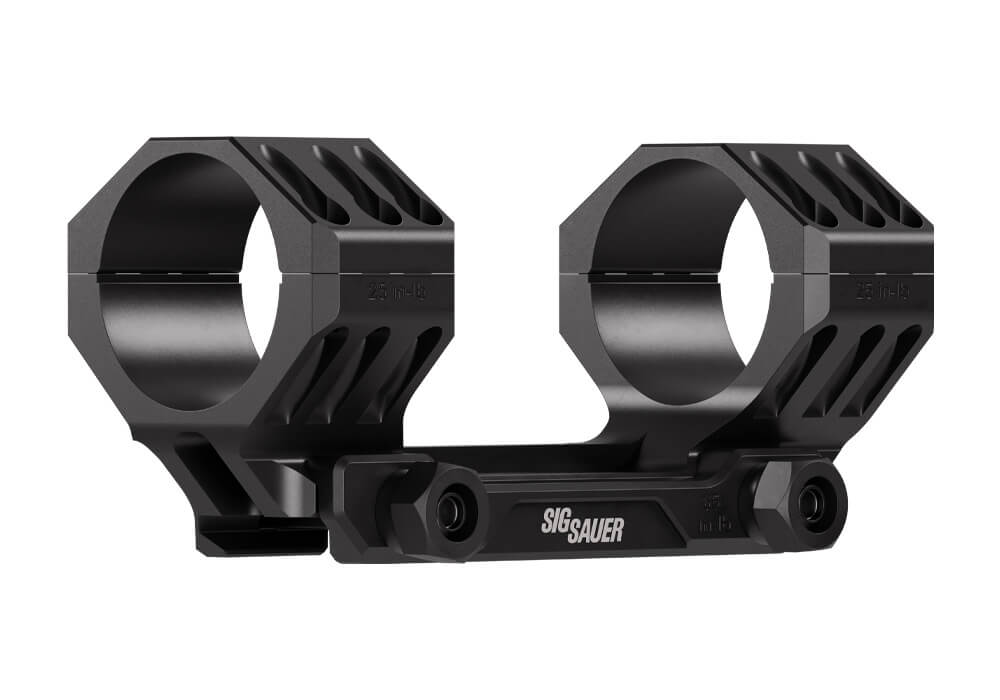
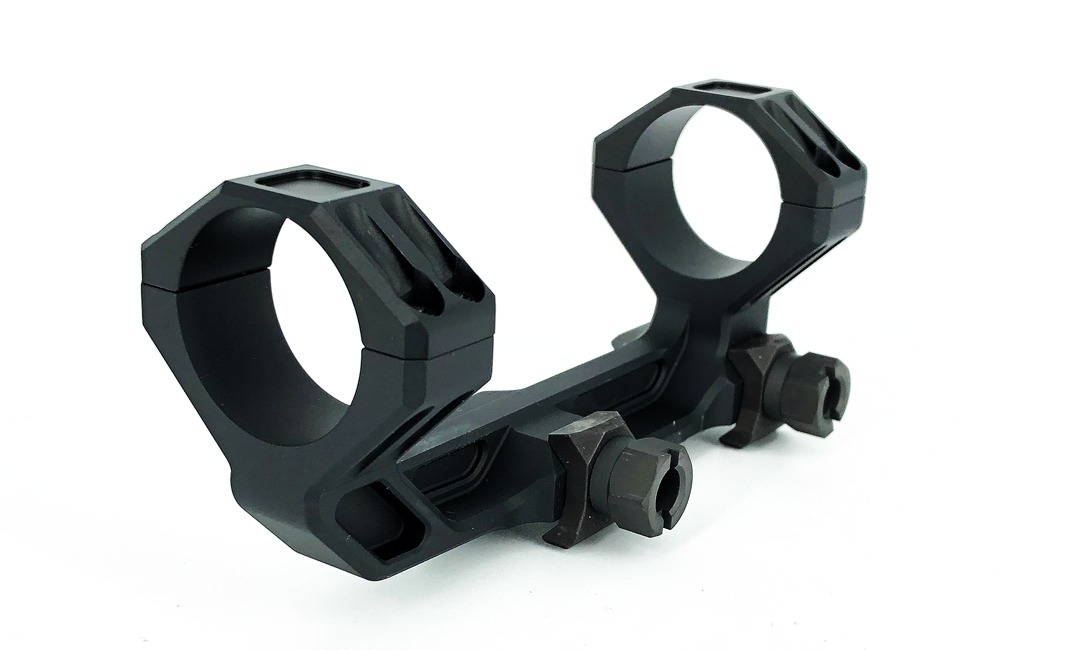
Scope construction and mounting accessories shape the feel of the complete setup just as much as the optical specifications. Aluminum scope tubes and rings offer a practical balance of weight and rigidity, while protective finishes help resist everyday wear from handling and transport. Weather resistance varies by model: sealed construction and internal gas purging can help limit moisture intrusion and internal fogging, but neither replaces sensible protection from prolonged exposure. External lenses can still collect condensation when equipment moves between an air-conditioned room and humid outdoor air. Lens coatings may improve light transmission and reduce reflections, although their performance depends on the optical design as a whole. Larger objective lenses can be useful in subdued light, yet they also add bulk and may require taller mounts. That extra height can affect cheek contact with the stock, which is why objective size, ring height, and rifle fit belong in the same conversation. Rings must match the scope’s tube diameter, and their bases must match the rifle’s mounting interface; an airgun dovetail and a Picatinny rail are not interchangeable without an appropriate compatible solution. Clearance around the objective, action, and loading area also matters, especially where an optic could interfere with normal operation. Some spring-powered rifles call for mounting provisions that resist scope movement under their particular recoil cycle. Manufacturer guidance for both rifle and optic should govern compatibility and installation, including any specified fastening limits. A balanced setup should allow an unobstructed view without forcing the shooter to stretch forward or lift the cheek awkwardly away from the stock. Reticle choice is another practical consideration: a simple, clearly visible pattern can suit informal paper-target practice, while finer markings may appeal to shooters who want a more precise visual reference. Illumination can improve reticle visibility against some backgrounds, but excessive brightness can obscure fine detail. Protective caps, compatible sunshades, and padded cases round out an optical setup without changing its fundamental fit. Each accessory earns its place by solving an actual problem, whether that is glare across an exposed firing line or lenses collecting dust during transport.
Care and storage help preserve the qualities that matter most on the range: a clean sight picture, dependable controls, and a mount that stays secure. Loose grit should be lifted away with an appropriate lens brush or air blower before a lens-safe cloth touches the glass. Grinding dust across a coated surface with a shirt sleeve can leave lasting marks, while household cleaners may be unsuitable for optical coatings or seals. A small cleaning kit, protective lens covers, and a case with enough clearance around the scope are useful companions for regular outings. Damp equipment should be allowed to dry according to its care instructions before it is enclosed for storage, and a padded case should not press against adjustment turrets or other controls. Through cooler months, temperature changes can bring moisture to exterior surfaces even when the optic is internally sealed. Allowing equipment to acclimate and keeping cleaning supplies within reach helps keep that moisture from interrupting a session. Range accessories can also make practice more comfortable: a stable rest supports the rifle, suitable eye protection belongs in every shooting setup, and organized storage keeps small essentials from getting buried beneath larger gear. Airgun use still requires a suitable shooting area, a dependable backstop, and observance of local rules and range requirements. These considerations suit newcomers building a first target setup as well as experienced airgun shooters refining equipment they already know. For a gift recipient, a protective case or compatible care accessory may be easier to select than a scope, since optical and mounting choices depend closely on the rifle and the shooter’s preferences. Anyone planning equipment for organized instruction can also explore Airgun Scopes For Summer Marksmanship Clinics for a related equipment theme. Whether the setting is a covered firing point or an open-air target range, useful accessories share a straightforward purpose: protecting the optic, supporting a comfortable fit, and keeping attention on a clear, consistent view of the target.