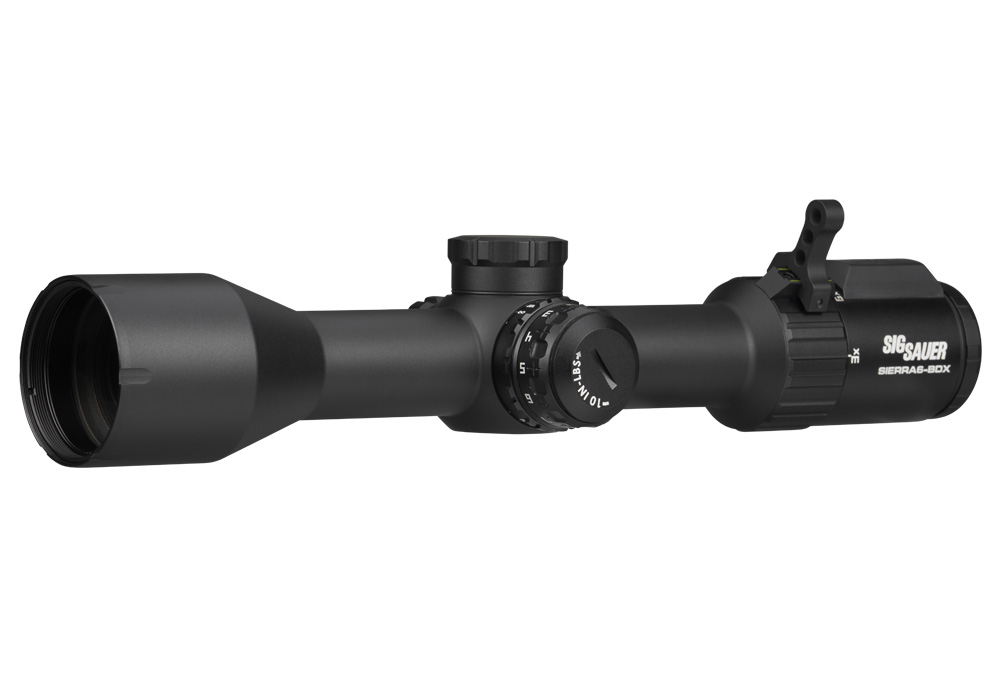
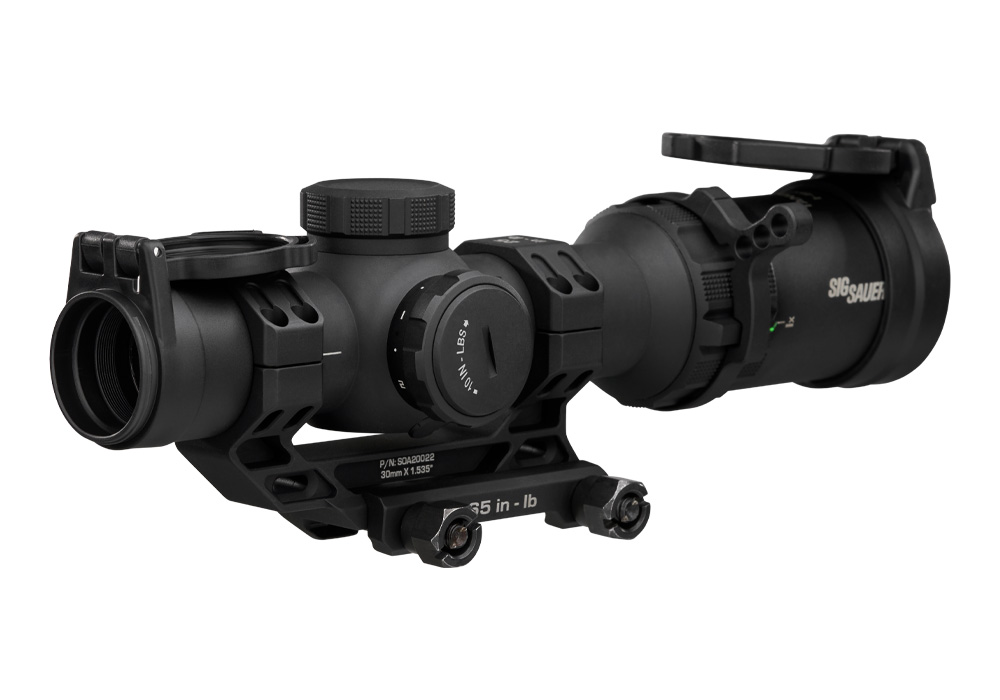
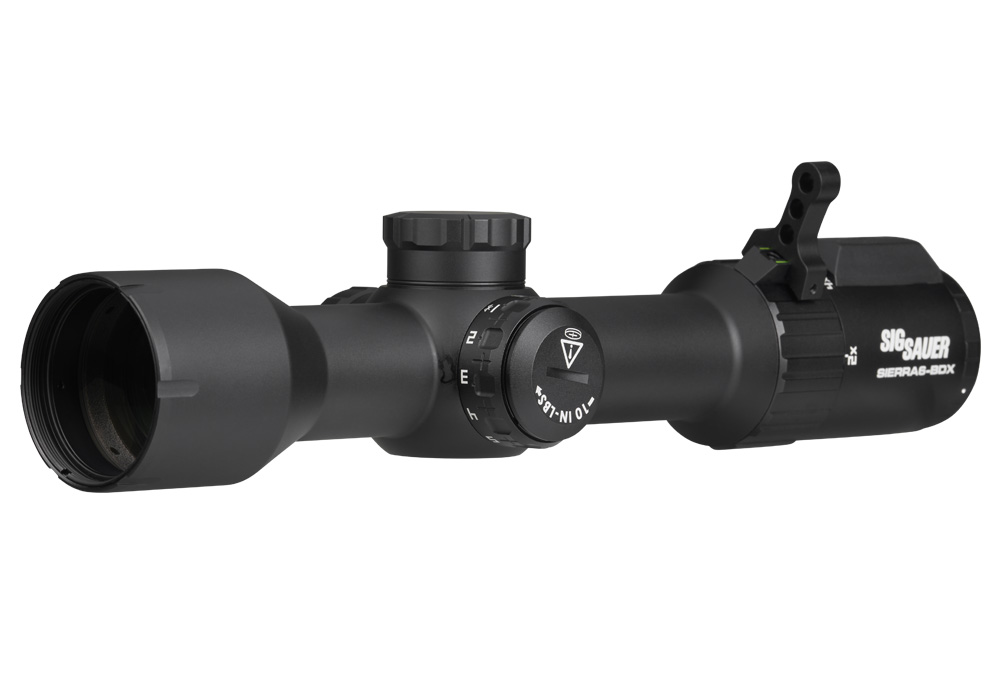
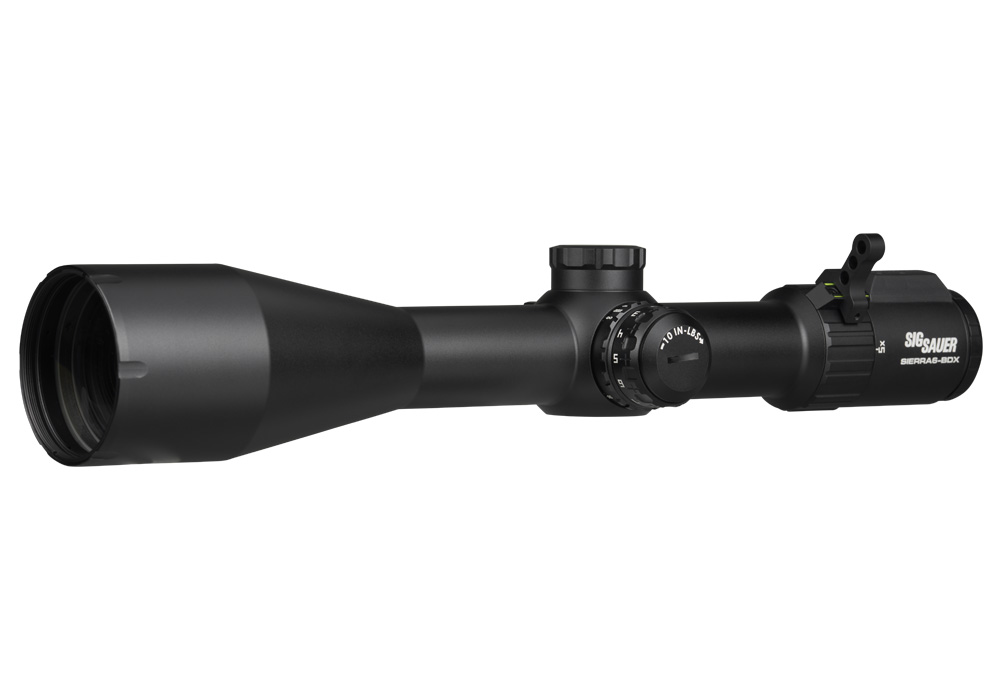
Airgun scopes for outdoor adventure gear bring a clearer view to target sessions, recreational plinking, and time spent refining shooting fundamentals at an established outdoor range. Their value is not simply greater magnification. A suitable optic pairs a readable reticle with useful close-range focus, dependable adjustments, and a size that complements the air rifle beneath it. Airguns place distinct demands on optics, particularly spring-piston and gas-piston designs, whose firing cycle can subject internal components to forces in opposing directions. Compatibility with that recoil pattern matters more than a broad claim of rugged construction: a scope intended for a conventional firearm is not automatically suitable for a piston-powered airgun. Manufacturer specifications should explicitly support the intended platform. Precharged pneumatic and CO2 airguns generally produce less recoil, but mounting compatibility, focusing distance, and the optic’s stated use still deserve attention. For recreational target shooting, variable magnification ranges such as 2–7x or 3–9x can provide a practical balance between viewing a wider area and seeing smaller details on paper targets. Lower settings help keep the sight picture manageable, while higher settings can reveal scoring rings more clearly when shooting from a supported position. More magnification is not necessarily more useful; it also magnifies visible movement and can narrow the field of view. An optic that feels comfortable through a full practice session often serves better than one selected solely for its highest setting. These considerations suit a wide range of users, from an adult building a first air rifle setup to an experienced target shooter assembling a lighter kit for range outings. Within an outdoor equipment collection, the scope earns its place through compatibility and repeatable performance rather than size alone. A balanced setup leaves room for the rest of a responsible outing, including eye protection, suitable targets, and a secure case for transport to a location with a safe backstop.
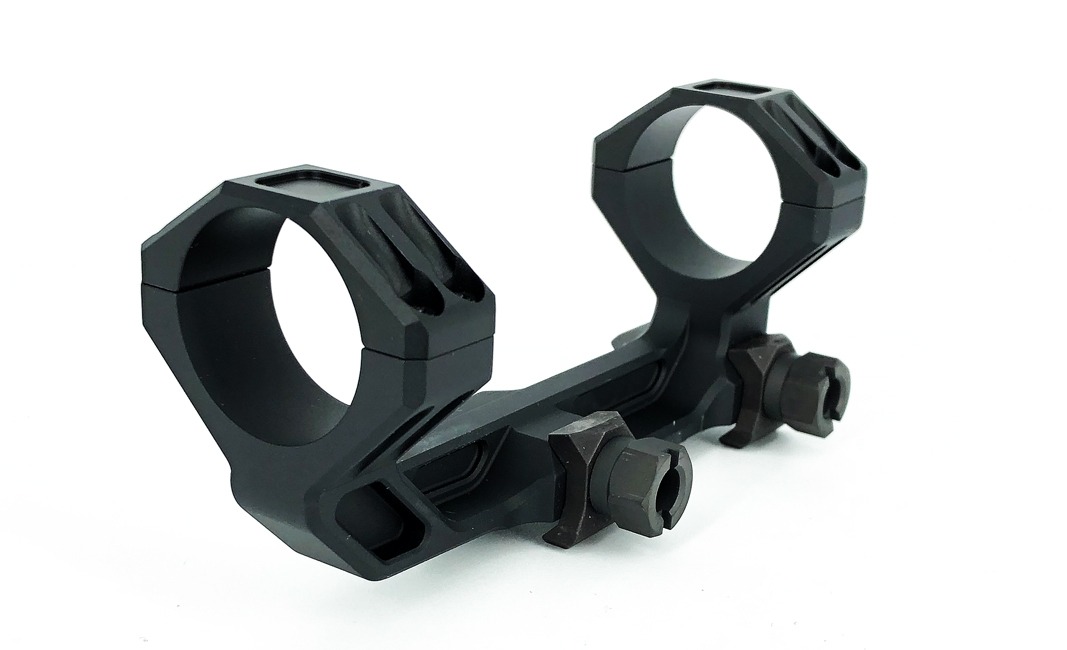
Close-range optical performance is especially relevant to airgun scopes because many target sessions take place at distances shorter than those associated with conventional rifle optics. An adjustable objective or side-focus system can help bring the target into focus and reduce parallax at the selected distance. Some designs offer adjustment to approximately 10 yards or closer, although the actual minimum is a specification to verify rather than an assumption to carry across every scope. Parallax is the apparent movement of the reticle against the target when the viewer’s eye shifts away from the optical center; reducing it supports a more consistent sight picture. Reticle focus and target focus serve different purposes, so an adjustable eyepiece does not replace close-range parallax adjustment. A simple reticle can keep a paper bull’s-eye uncluttered, while a graduated design offers additional reference points for structured target practice. Fine markings need to remain visible without covering too much of the target, and an illuminated reticle, where included, should offer brightness settings that preserve that detail. Lens coatings can reduce reflections and support contrast, but the complete optical design determines how comfortably a shooter can distinguish closely spaced lines or small aiming marks. Objective diameter also affects the overall package: a larger front lens may require taller rings and can add bulk without improving the fit of a particular rifle. Mounting considerations extend beyond whether a scope appears to sit neatly above the receiver. Tube diameter must match the rings, and the mounting system must match the rifle’s rail or dovetail dimensions. Adequate clearance around the objective, loading area, and any moving components helps preserve normal operation. Eye relief and ring placement should allow a natural head position rather than a stretched neck or an awkward cheek weld. On piston-powered platforms, an appropriate recoil-stop arrangement may also be necessary to resist mount movement. When those details work together, the optic feels like part of the rifle rather than an accessory that changes how the shooter has to hold it.
Materials, construction, and care shape how well an airgun scope fits into an outdoor equipment routine. Aluminum scope tubes offer a useful balance of strength and weight, while an anodized finish can help protect exposed surfaces from everyday wear. Lens seals, internal purging, and documented resistance ratings provide more meaningful information than appearance alone, although no single feature guarantees suitability for every outing or airgun. Turret design matters in ordinary handling, too. Capped adjustments can help shield settings during transport, while clearly marked controls make their positions easier to read during a deliberate target session. A magnification ring that turns smoothly without feeling loose, an eyepiece that retains its setting, and lens covers that stay secure all contribute to an optic that is pleasant to use repeatedly. Compact dimensions can be particularly welcome when a rifle shares case space with protective equipment and range essentials. Protection between sessions is as important as the exterior finish: padded storage helps keep lenses and adjustment assemblies from rubbing against other gear, and a dedicated lens brush or blower can lift loose grit before an appropriate optical cloth touches the glass. Household cleaners and rough fabric are poor substitutes for lens-safe care. Mounting hardware also benefits from periodic inspection, with tightening performed only to the relevant manufacturer’s specifications; excess force can damage a scope tube or its mounting components. For gift giving, airgun optics are most useful when the recipient’s rifle platform, mounting dimensions, and preferred target distances are known. That information distinguishes a thoughtful equipment choice from an optic that requires compromises before its first range visit. Shoppers assembling a related accessory setup can also explore Airgun Scopes For Summer Shooting Accessories as part of their broader equipment selection. Across recreational and more focused target use, the lasting appeal of a suitable airgun scope is straightforward: a clear view, comfortable fit, and construction appropriate to the rifle’s operating system. Those qualities support a practical outdoor kit that is easier to carry, care for, and enjoy over repeated visits to the range.