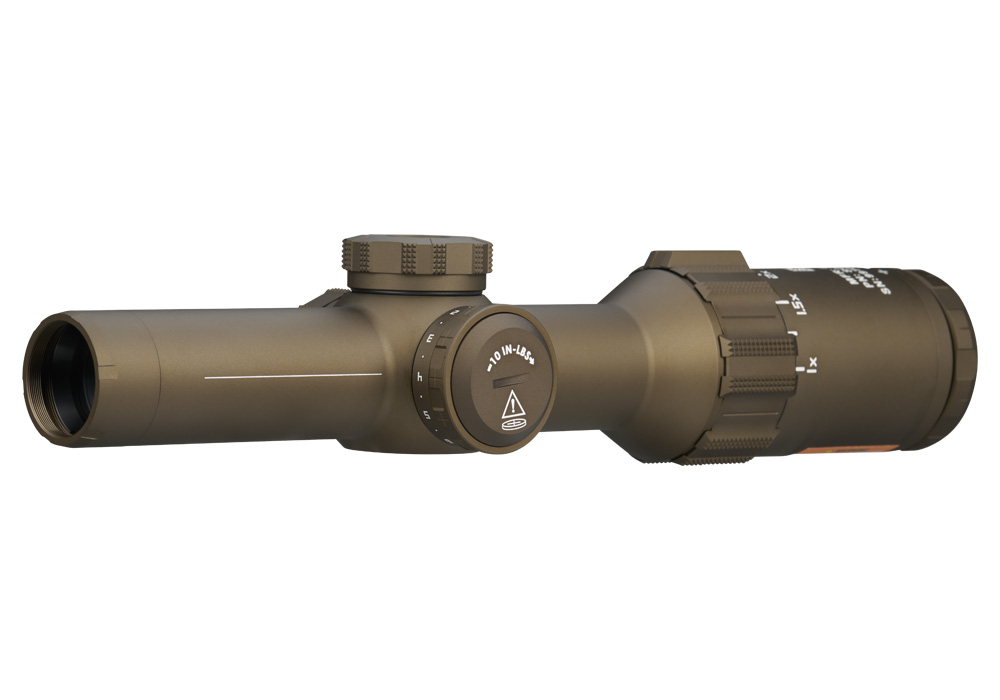
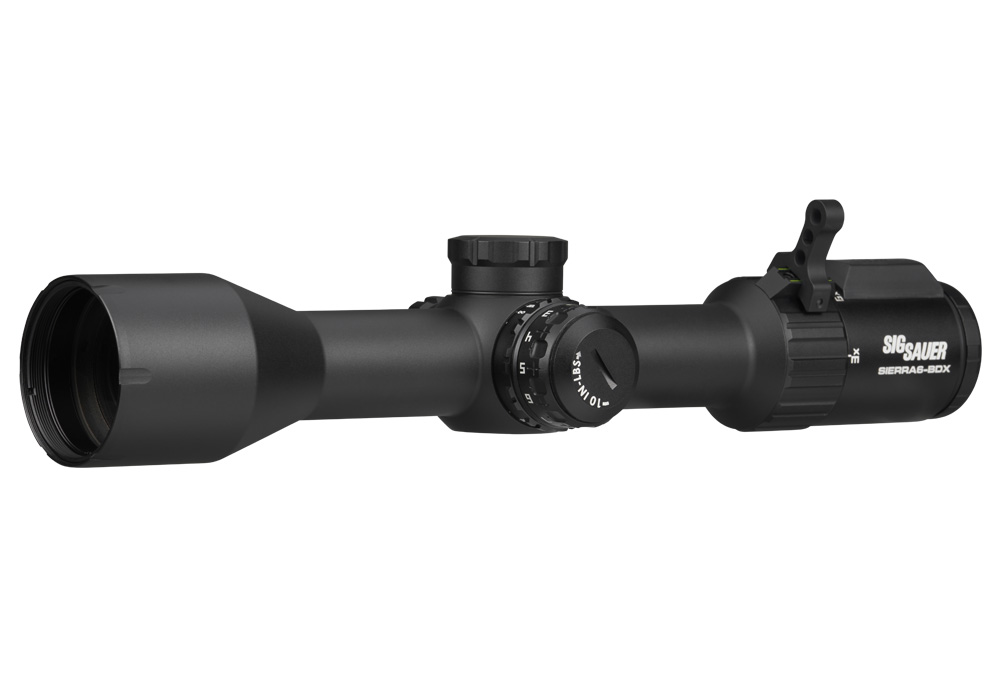
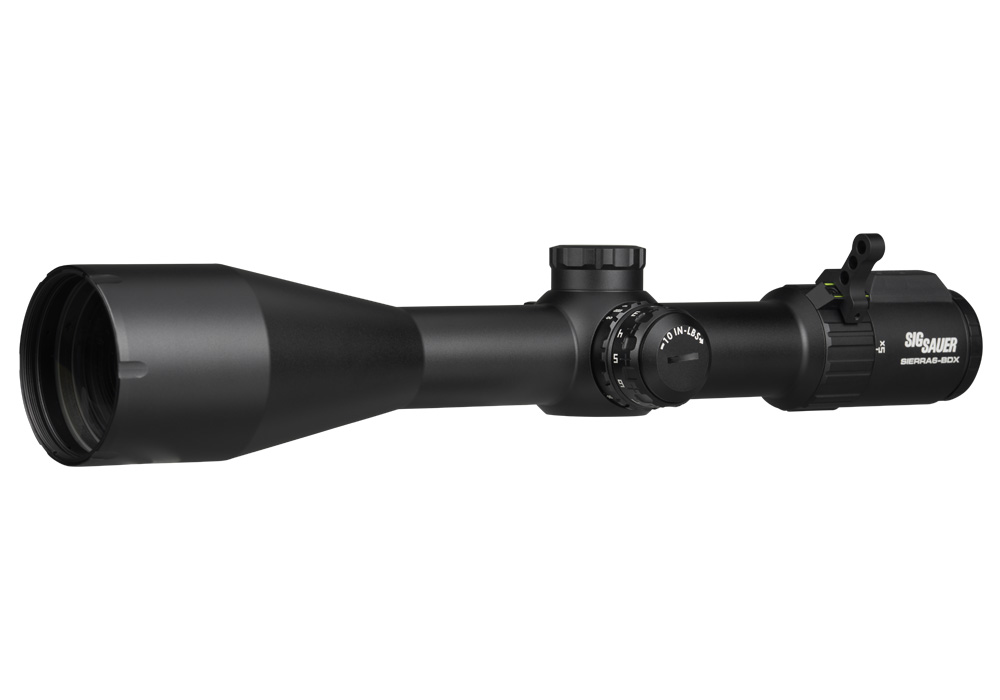
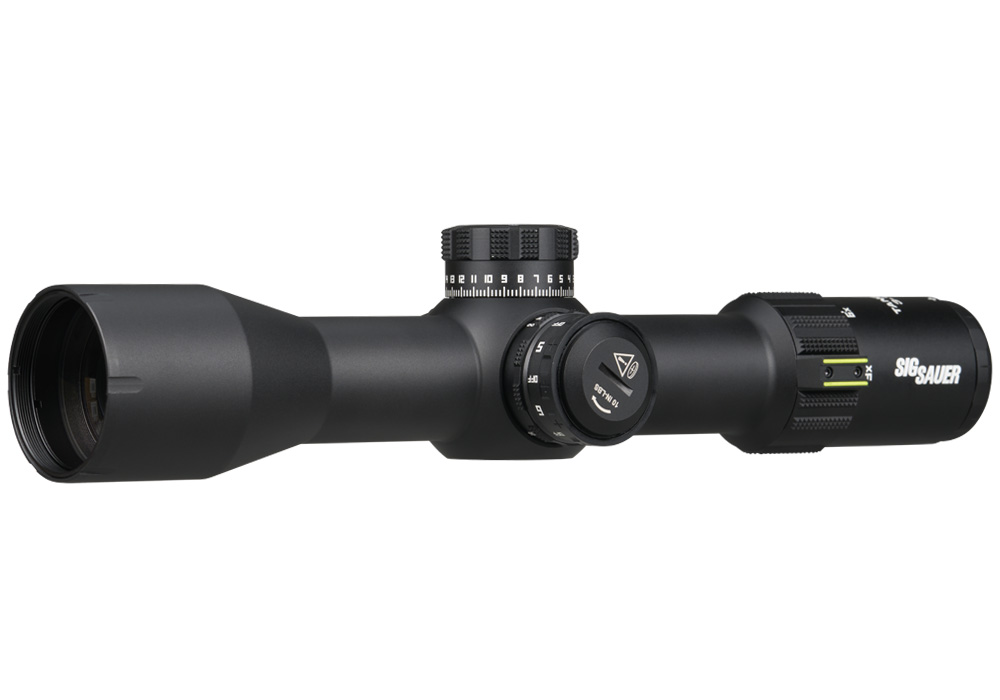
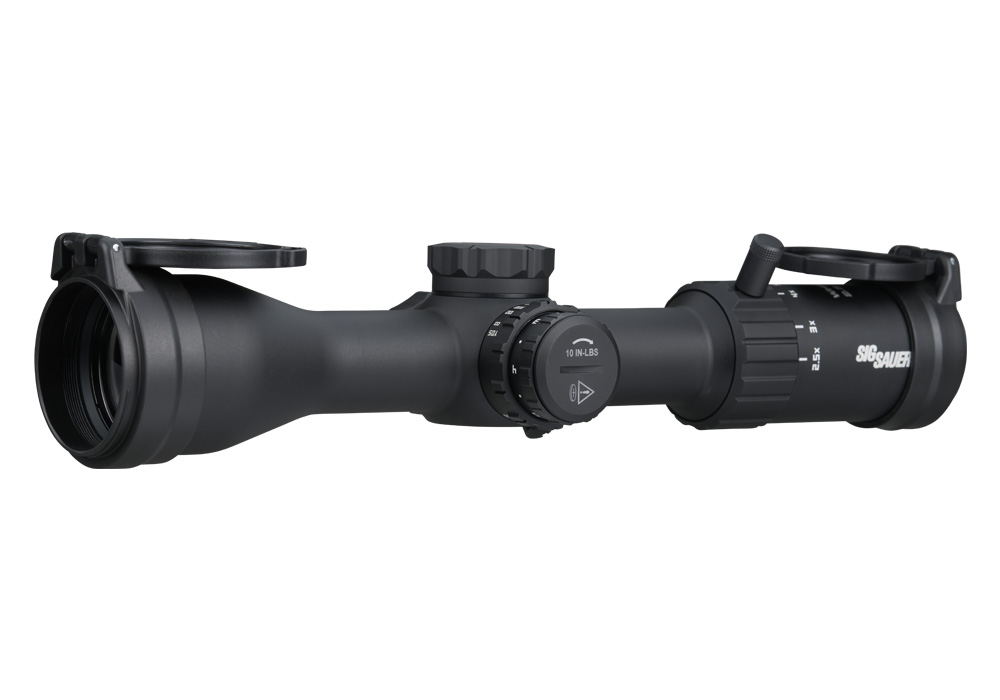
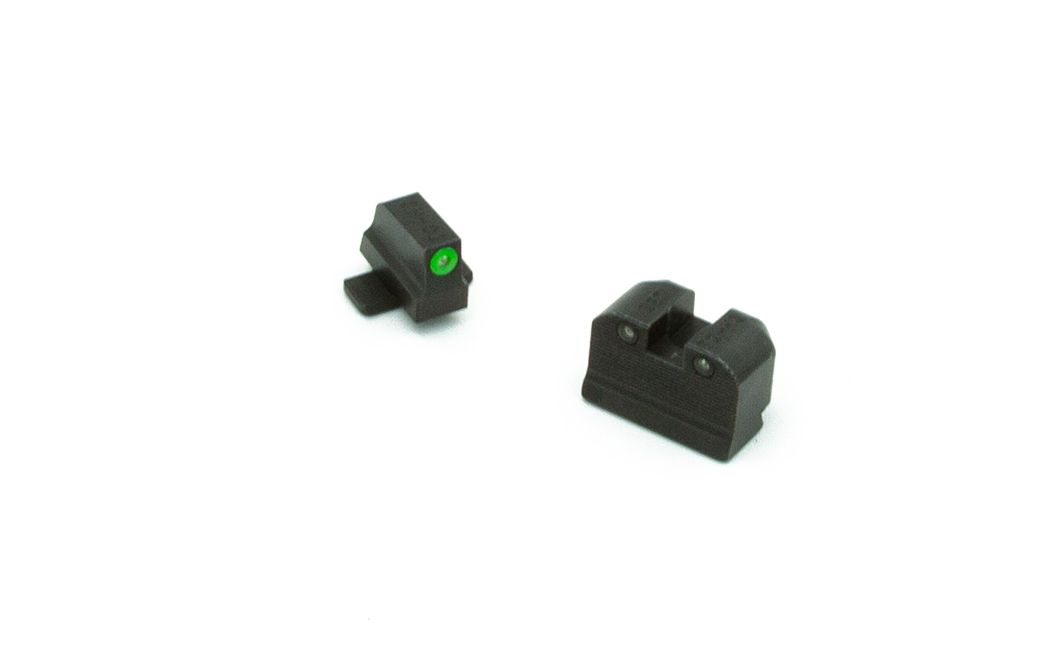
Airgun scopes for outdoor shooting events help turn a capable air rifle into a more precise, adaptable setup for target practice, field target matches, benchrest competitions, backyard range sessions, and other organized shooting activities. The right optic can make a noticeable difference when targets are placed at changing distances, light shifts beneath a tree line, or a cool breeze moves across an open field. Unlike a scope selected only by its maximum magnification, an airgun optic should be matched to the rifle, the discipline, and the distances involved. Spring-piston and gas-piston rifles produce a distinctive two-way recoil impulse that can be demanding on ordinary rifle scopes, so an airgun-rated model is an important consideration for those platforms. Pre-charged pneumatic, or PCP, rifles generally have a different recoil profile, but a scope still needs to provide dependable adjustments, clear glass, and a reticle suited to the event. For general outdoor shooting, a variable range such as 3-9x or 4-12x offers useful flexibility, giving the shooter a broad field of view at lower power while providing additional detail when targets are farther away. Higher magnification can benefit precision benchrest events and carefully measured courses, particularly when small targets must be identified against grass, leaves, or uneven terrain. Magnification should not be selected in isolation; excessive power can narrow the field of view, exaggerate movement, and make it harder to locate a target quickly from a standing or kneeling position. A versatile scope allows the shooter to begin at lower power while setting up, then increase magnification once the rifle is settled and the target is clearly in view. This balance is especially useful during cooler outdoor sessions, when gloves, changing light, and heavier layers can make small adjustments feel more deliberate.
Parallax adjustment is another central feature for airgun scopes used outdoors. Targets may appear at distances beginning around 10 yards and extending considerably farther, depending on the course or event, and a fixed parallax setting can make precise aiming more difficult at those shorter ranges. An adjustable objective or side-focus control allows the shooter to bring the target and reticle into sharper relationship while reducing apparent reticle movement caused by changes in eye position. Adjustable objective designs place the control at the front of the scope, while side-focus designs allow adjustments from the shooting position; either can be useful when the optic is properly set up and practiced with before an event. Reticle choice also deserves close attention. A simple duplex reticle offers a clean sight picture for straightforward target work, while mil-dot or similar graduated reticles can help with holdover, wind corrections, and rough range estimation when the course does not provide perfectly uniform conditions. An illuminated reticle may improve contrast during shaded portions of an outdoor range, although brightness should be kept low enough to preserve the view of fine targets. Clear, fully multi-coated lenses, reliable turret movement, and repeatable return-to-zero performance are valuable qualities when a scope is moved between distances throughout a match. Eye relief should provide a comfortable sight picture without forcing the shooter into an awkward position, and the scope’s tube size must be compatible with the mounting rings selected for the rifle. Rings should be correctly sized, securely tightened, and appropriate for the rail or dovetail system. A one-piece mount or additional stop pin may be useful on rifles with pronounced movement, especially when repeated firing can gradually reveal a loose installation. Before attending an event, confirm that the optic, mount, and rifle remain within the discipline’s equipment rules, then zero at a practical distance and verify point of impact at the ranges likely to appear on the course.
These scopes may be selected by experienced competitors, recreational shooters building a more capable outdoor setup, or newcomers preparing for their first organized event. They can also make a thoughtful gift for an airgun enthusiast who already owns a suitable rifle and wants a clearer, more consistent way to practice. A scope chosen as a gift should account for the recipient’s rifle type, mounting system, preferred shooting position, and typical target distance; a quick conversation about whether the rifle is spring-piston, gas-piston, or PCP can prevent an otherwise attractive optic from being mismatched. Outdoor shooting often rewards preparation more than last-minute equipment changes. A familiar scene is a rifle resting on a bench while the shooter checks the first target through a low magnification setting, adjusts the focus for a small silhouette farther downrange, and watches the reticle settle as the wind moves through the grass. That same deliberate process helps when using an optic during Airgun Scopes For Summer Outdoor Training or during the cooler months, when lower sun angles and muted backgrounds can affect visibility. Keep lens caps available when walking between stages, use a soft cloth to remove condensation or dust, and avoid storing the scope where rapid temperature changes can encourage fogging. After transport, inspect the mount and confirm the zero rather than assuming settings have remained unchanged. A small notebook or range log can also be useful for recording magnification, parallax settings, holdover marks, and weather conditions. With the right combination of airgun-rated construction, practical magnification, adjustable parallax, an appropriate reticle, and secure mounting, an outdoor scope supports more confident target acquisition and a more consistent shooting routine across varied events and conditions.