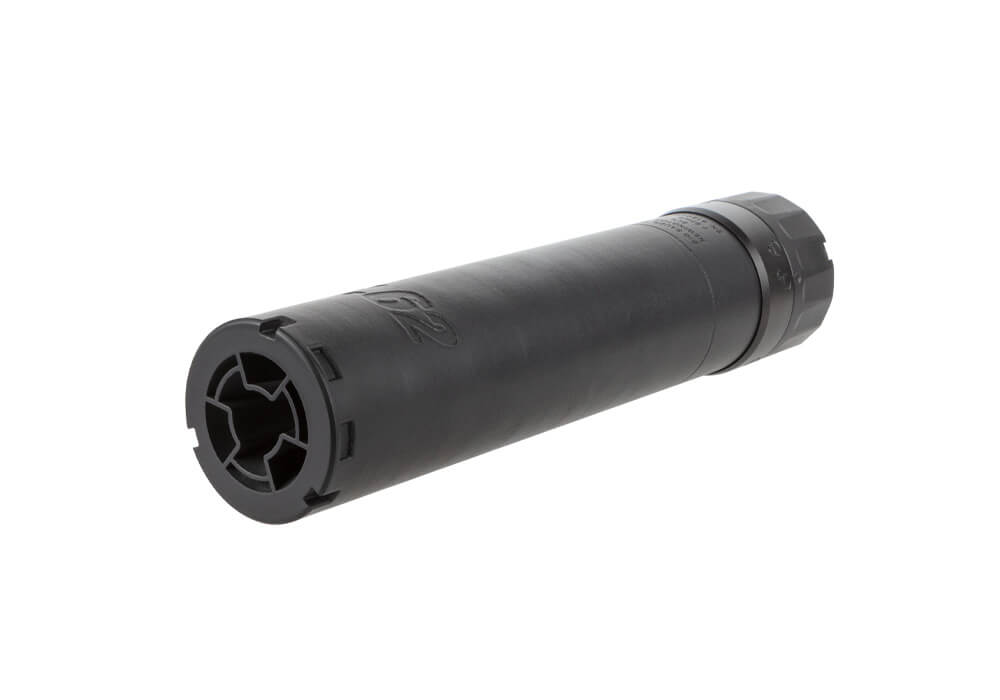
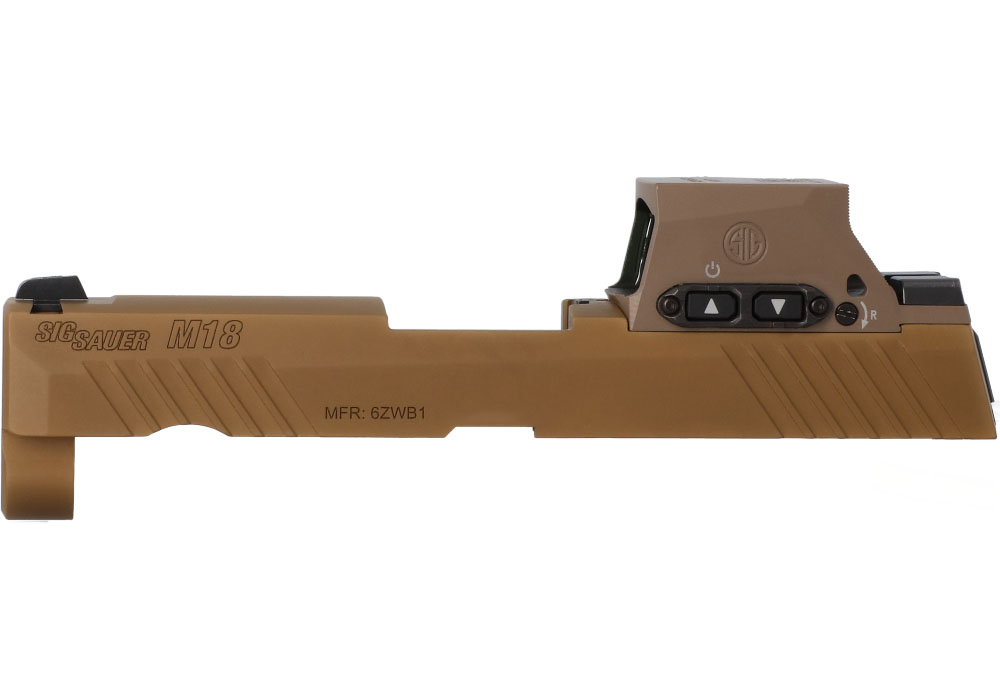
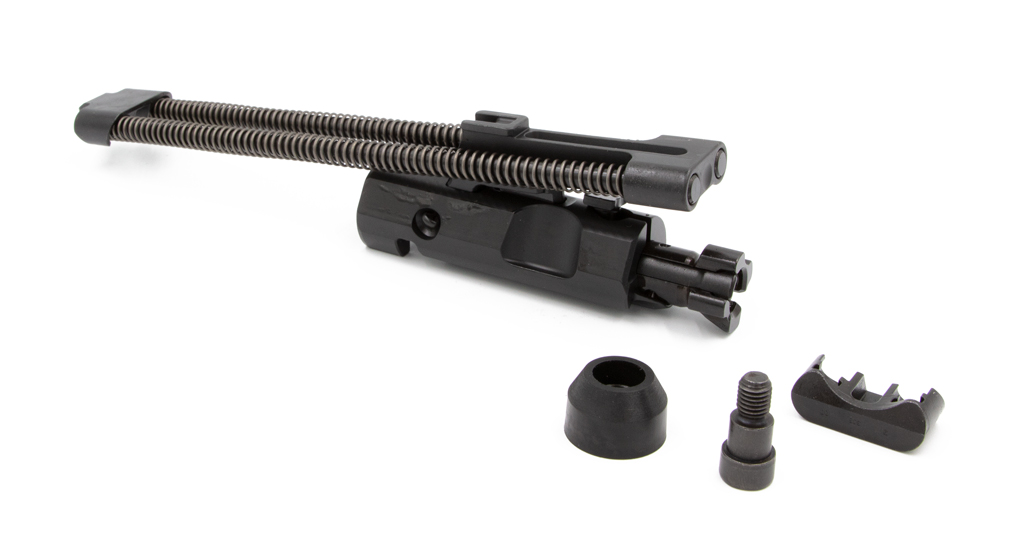
Gun parts for military personnel support firearm maintenance, the replacement of worn components, and the continued care of compatible platforms used in authorized service or personal settings. The most important distinction is not how a component looks, but whether its specifications match the firearm and its intended use. Military experience often brings familiarity with inspection routines, maintenance records, and the consequences of using an incorrect replacement. Those habits remain valuable when selecting components for a personally owned firearm, supporting an armorer’s maintenance responsibilities, or caring for a collection with service-related significance. For issued firearms, component selection and replacement remain subject to the responsible organization’s authorization, technical requirements, and armorer procedures. A part intended for a personally owned firearm does not automatically qualify for an issued weapon, even when the two appear similar. Compatibility can depend on the exact model, generation, configuration, and manufacturer specifications, with small dimensional differences affecting whether a component fits correctly. Clear documentation therefore matters more than a familiar silhouette or a broad description suggesting military suitability. A service member reviewing a maintenance record before selecting a replacement is looking for a documented match, not simply something that resembles the original. That same distinction matters to veterans maintaining familiar platforms and collectors preserving a firearm’s documented configuration. Original specifications, identifiable materials, and understandable application information provide a practical foundation for evaluating replacement components. Military associations alone do not establish official approval, universal compatibility, or suitability for a particular assignment. The strongest basis for selection is a clear relationship between the component, the firearm’s documentation, and the requirements governing its use. Within that framework, firearm parts serve a straightforward purpose: helping qualified users maintain equipment without treating every replacement as an opportunity to alter its configuration. For personnel accustomed to accountable equipment care, that emphasis on correct fit and traceable specifications is more useful than broad promises about ruggedness or performance. It also keeps the focus on the needs of the individual firearm rather than assumptions based on its appearance or its owner’s background.
Materials and construction influence how firearm components tolerate repeated handling, routine cleaning, and normal wear. Steel, aluminum alloys, and engineered polymers each have legitimate applications, but no single material is automatically preferable across every part category. Material choice needs to match the original design’s requirements, including strength, weight, dimensional stability, and contact with neighboring surfaces. Steel components may rely on protective finishes to help resist corrosion, while aluminum components often use surface treatments suited to their intended application. Engineered polymers can offer useful combinations of low weight and resistance to routine handling, provided the material is appropriate for the design. These characteristics are best understood through published specifications rather than appearance alone. A dark finish does not establish a particular treatment, and a heavier component is not necessarily a more durable replacement. Edges, contact surfaces, and finish consistency can provide useful observations during professional evaluation, but visual inspection cannot confirm every dimension or material property. Correct fit includes more than whether a component can be placed into position; it also involves its relationship with the surrounding assembly and the firearm’s specified configuration. Any uncertainty belongs with a qualified armorer or gunsmith rather than an improvised adjustment. Care requirements deserve the same attention as initial compatibility. Cleaning agents and lubricants should be appropriate for the component’s material and finish, following the firearm manufacturer’s maintenance directions. Stainless steel still requires care, protective coatings can wear, and polymer surfaces can react poorly to unsuitable chemicals. Secure storage, appropriate cleaning, and documented inspections help preserve condition without assuming that a durable material is maintenance-free. The details become tangible when a firearm returns from routine range use: handling marks, residue, and changes in surface condition can be assessed as part of established maintenance practices. Components with damage, unusual wear, or uncertain condition require qualified evaluation. Replacement is a maintenance decision grounded in the firearm’s requirements, not a reason to force a questionable fit or overlook a change in condition.
Intended use helps put these considerations into perspective. A service member maintaining a personally owned firearm may prioritize a documented replacement that preserves its existing configuration. An armorer working within an authorized maintenance program may need components that meet a defined technical requirement and can be recorded through established procedures. A veteran caring for a familiar platform may place particular value on consistency with its original specifications, while a collector may be attentive to configuration, finish, and supporting documentation. These needs overlap, but they are not interchangeable. Selection becomes more reliable when the purpose is clear before compatibility is assessed. For replacement-focused needs, Gun Repair Parts provides a related category to consider alongside the firearm’s documentation and any professional guidance required for the work. The relevant question is whether a component addresses an established maintenance need for that exact firearm, not whether its description sounds appropriate for military use in general. Clear records of previous replacements can also help distinguish an original configuration from one that has changed over time. That context is especially useful when ownership has changed or a firearm’s outward appearance does not tell its full history. Gifts require similar care. A family member choosing firearm components for a service member or veteran needs verified compatibility information rather than a guess based on appearance, branch of service, or a remembered model name. Recipient confirmation is particularly important when professional installation, organizational authorization, or other requirements may apply. A thoughtful choice respects both the recipient’s experience and the technical limits of the equipment. Across service-related maintenance, personal ownership, and collecting, dependable selection rests on the same essentials: appropriate materials, documented fit, suitable care, and a clear intended purpose. Gun parts for military personnel are most useful when those details align, supporting responsible upkeep and preserving the firearm’s specified configuration through qualified evaluation and maintenance. That practical focus keeps attention on the component’s actual role and the standards that govern its use.