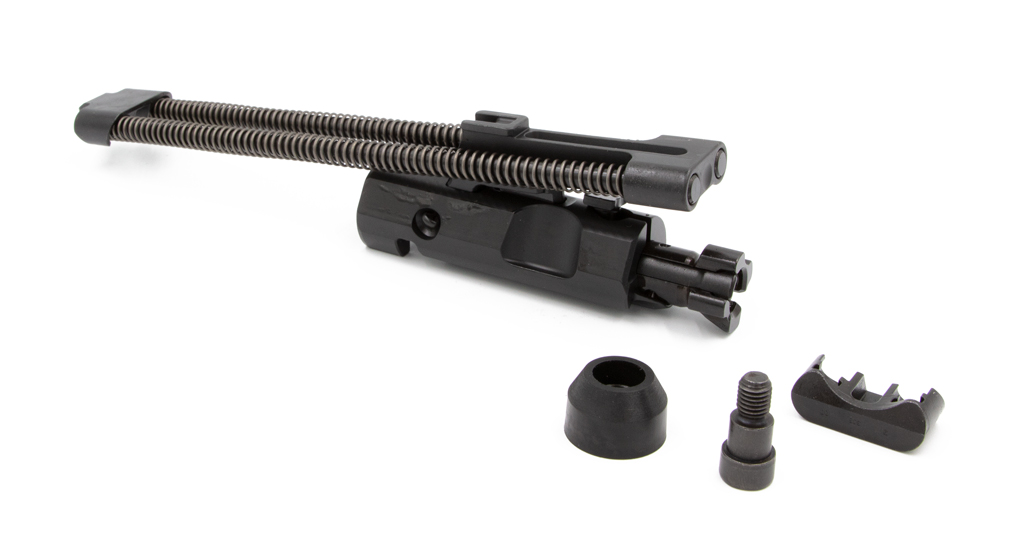
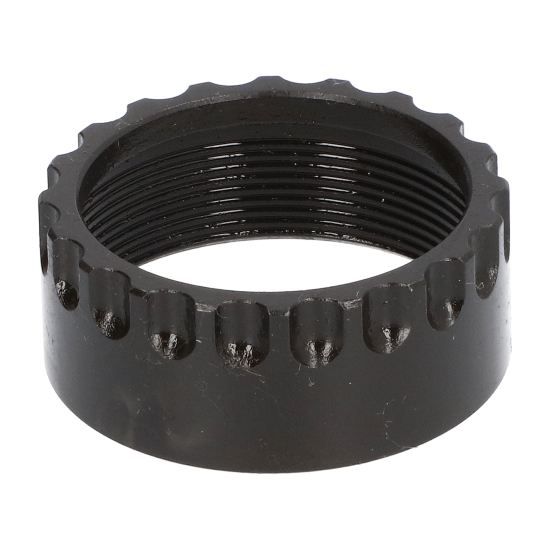
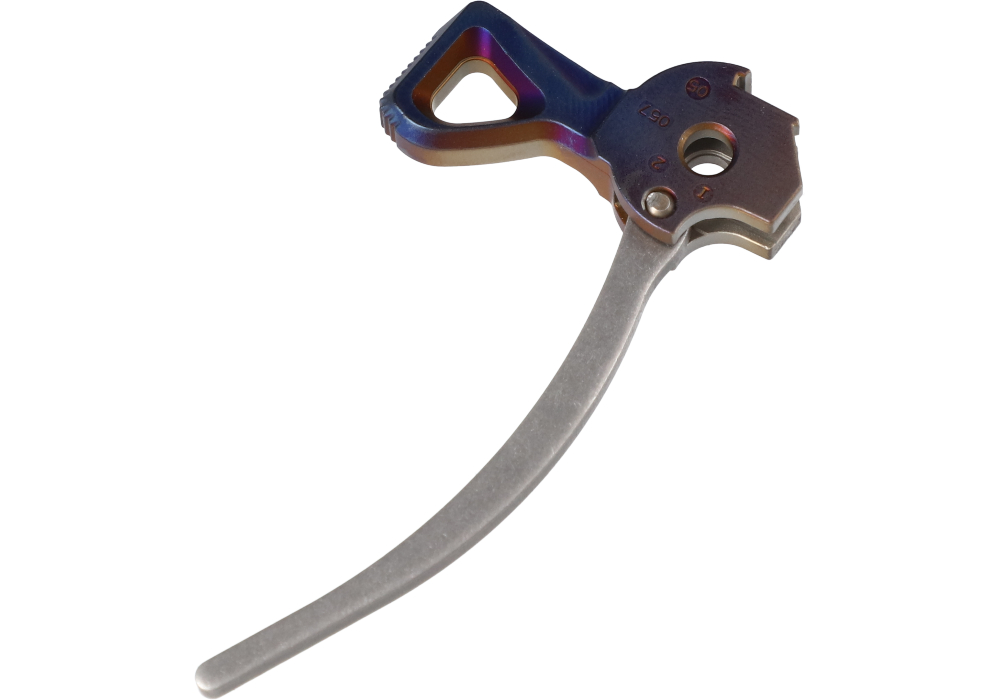
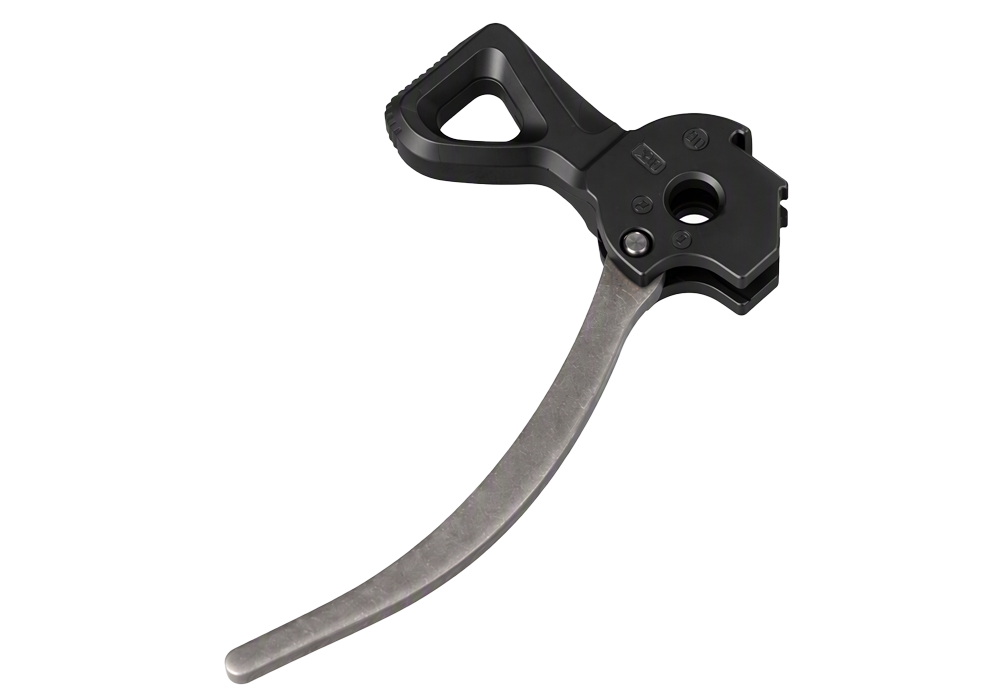
Weapon parts are the structural, mechanical, and external components that work together within a firearm. Broadly, a firearm is organized around a frame or receiver, barrel, action, and stock or grip, although the arrangement and terminology vary by design. The frame or receiver provides the structural foundation, the barrel contains the bore through which the projectile travels, the action includes the mechanisms associated with loading and firing, and the stock or grip supplies the surfaces used to hold the firearm. Sighting components, ammunition-feeding components, springs, pins, and other hardware serve additional roles specific to the platform. These relationships matter because a firearm is a coordinated system rather than a collection of interchangeable pieces. A component that looks familiar may have different dimensions, attachment points, or operating requirements from a similar-looking part intended for another model. Even within the same firearm family, production revisions and configuration differences can affect compatibility. Exploring Firearm Parts starts with understanding the firearm’s exact identification and the purpose of the component being considered. Replacement parts may address ordinary wear, restore an original configuration, or support an approved change to external fit and handling. Those are distinct needs, and a suitable choice depends on more than appearance. For a recreational target shooter, preserving the familiar feel of a well-used firearm may be the priority. A hunter may be concerned with secure attachment and dependable function after repeated transport and field use. A collector may place greater emphasis on the correct configuration and finish. Across these uses, manufacturer specifications, model compatibility, and the role of the original component provide a stronger foundation for selection than broad labels such as “universal.” Clear identification also helps distinguish a complete assembly from an individual service component, an important difference when evaluating what a replacement actually includes. The result is a more informed comparison between parts that serve similar purposes but are not necessarily suitable for the same firearm.
Materials and construction influence how weapon parts withstand friction, repeated handling, and routine use. Steel is common where strength, wear resistance, and dimensional stability are important, while aluminum alloys can provide a useful balance of rigidity and weight in appropriate applications. Engineered polymers are widely used for external surfaces and certain structural components, and wood remains relevant for traditional stocks and grips. No material is automatically the best choice for every position on a firearm; its suitability depends on the component’s function, design, and manufacturing specifications. Surface treatments also deserve attention. A finish may contribute to corrosion resistance, reduce surface wear, or provide a particular texture, but its appearance alone does not establish the quality of the underlying component. A dark finish on two parts does not mean they share the same material or protective treatment. Fit is equally important. Correct dimensions, specified interfaces, and suitable clearances allow components to function as intended without forcing connections or improvising alterations. For external contact surfaces, fit also has a practical human dimension: the shape that feels comfortable during a brief inspection may feel different over an extended range session. A grip’s contour, a stock’s dimensions, and the texture beneath the hand can influence comfort and consistency, but any change still needs to suit the firearm’s approved configuration. Durability is best considered in the context of expected use rather than appearance or weight alone. Frequent practice places different demands on contact surfaces and moving components than occasional recreational use, while repeated storage and transport can leave their own signs of wear. Accurate specifications and clear compatibility information are therefore more useful than sweeping performance claims. Parts that affect firing mechanisms, safety functions, or other critical systems warrant particular care in selection and professional evaluation. A qualified gunsmith can assess whether a proposed replacement is appropriate and whether additional inspection is necessary before the firearm returns to use.
Care and long-term ownership are closely connected to part selection. Accessible surfaces, finish compatibility, and manufacturer-approved maintenance requirements all influence how a component fits into an established care routine. Cleaning products suitable for one material may not be appropriate for another, particularly where polymers, wood finishes, coatings, and adhesives are involved. The relevant care instructions help preserve both the surface and the component’s intended function without relying on aggressive solvents, unnecessary abrasion, or excessive lubrication. Wear also deserves a closer look than a quick judgment based on cosmetics. A polished contact area may reflect ordinary use, while cracking, deformation, looseness, or a change in function calls for professional assessment. Replacing a visibly worn component without understanding the source of the wear can leave an underlying issue unresolved. For that reason, maintenance records, original documentation, and the firearm’s service history can be useful companions to part numbers and compatibility details. Owners who practice regularly often value continuity: familiar contact surfaces, a configuration they understand, and components supported by clear technical information. Others may be maintaining an inherited firearm or returning a long-owned firearm to its documented configuration. In either case, preserving identification details and consulting reliable specifications reduces uncertainty. Parts can also be thoughtful gifts for an experienced firearm owner, but exact compatibility matters more than a general interest in shooting sports. Confirmation of the recipient’s firearm model, intended use, and preferred configuration is more helpful than choosing by appearance. Responsible ownership extends beyond the component itself to secure storage, safe handling, and compliance with applicable laws governing particular configurations. A replacement should support the firearm’s intended, lawful use without introducing uncertainty about fit or function. Whether the purpose is routine maintenance, restoring familiar handling, or addressing wear identified during inspection, carefully selected weapon parts help preserve the relationship between the firearm’s design, its condition, and the person who uses it.