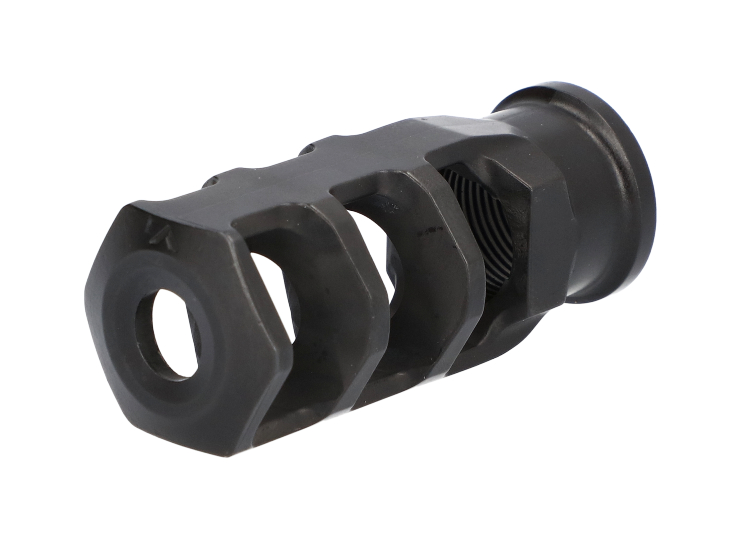
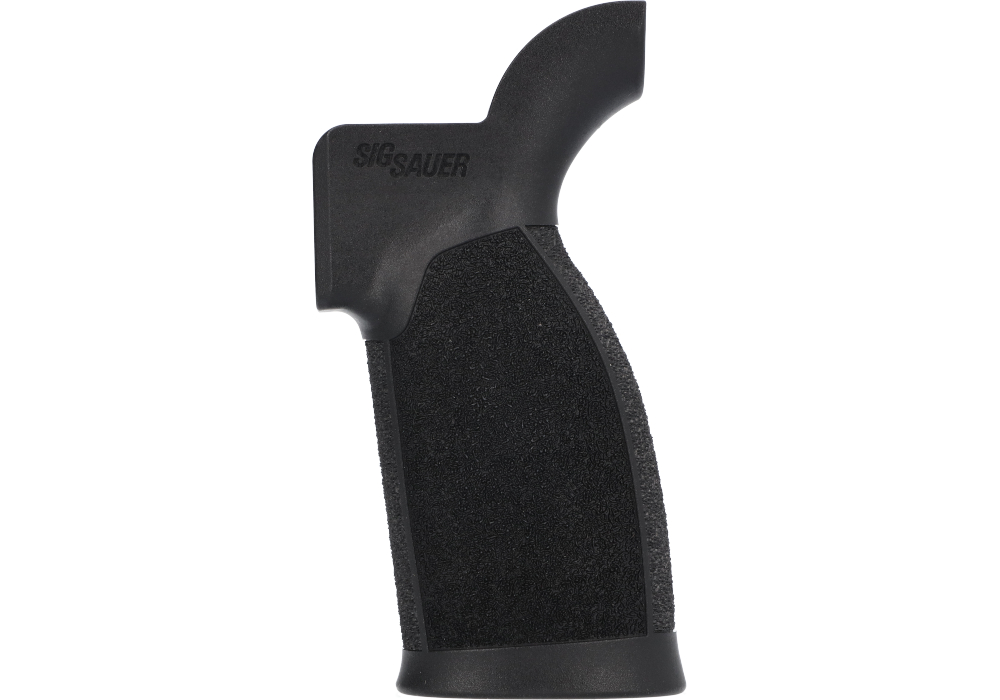
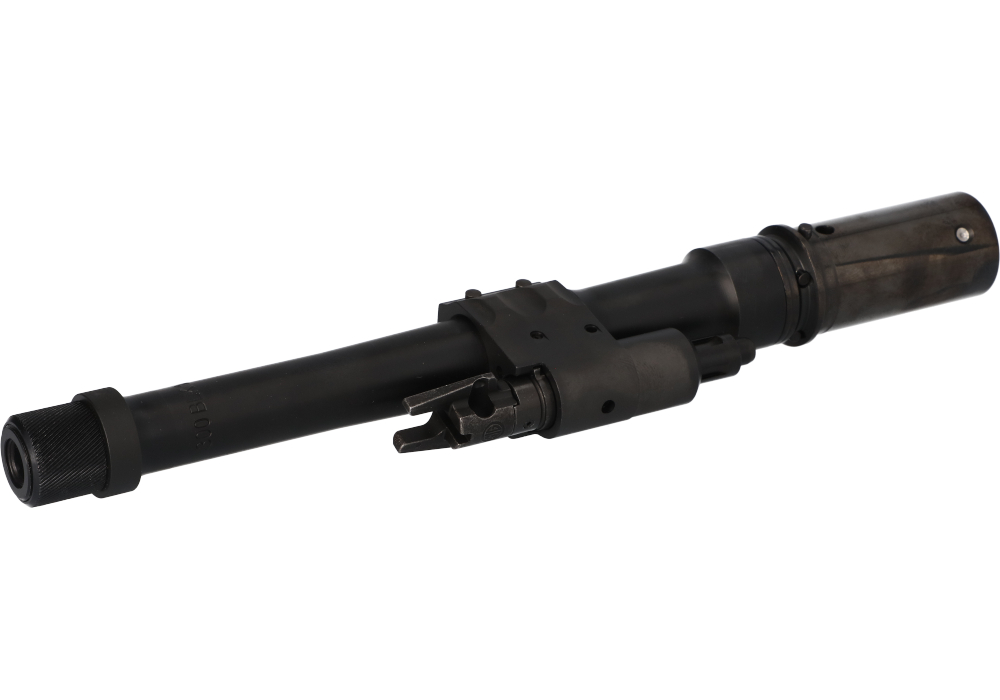
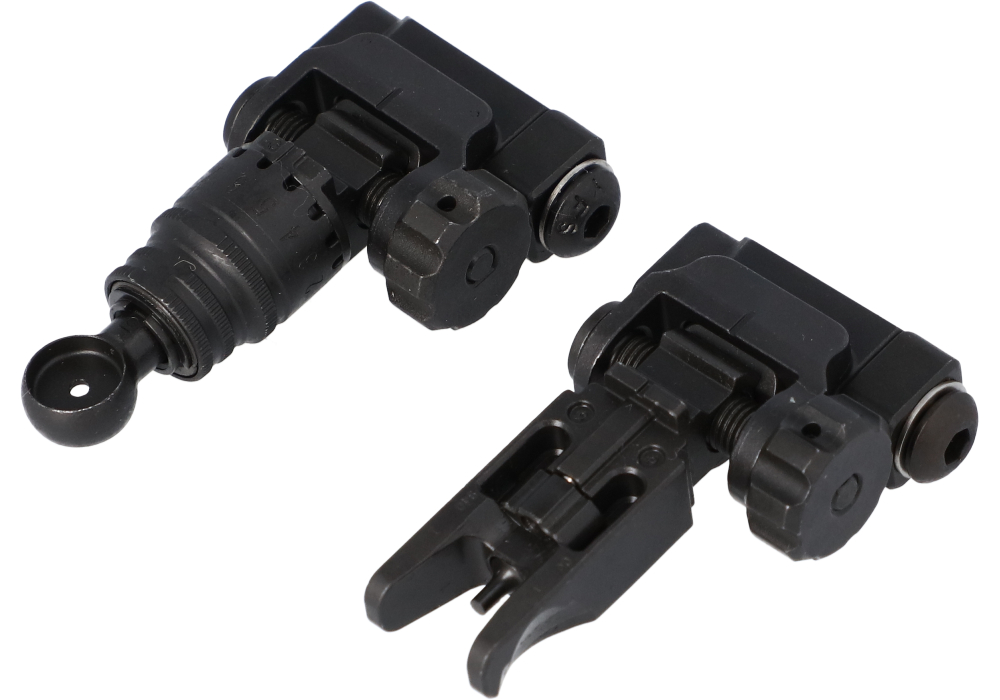
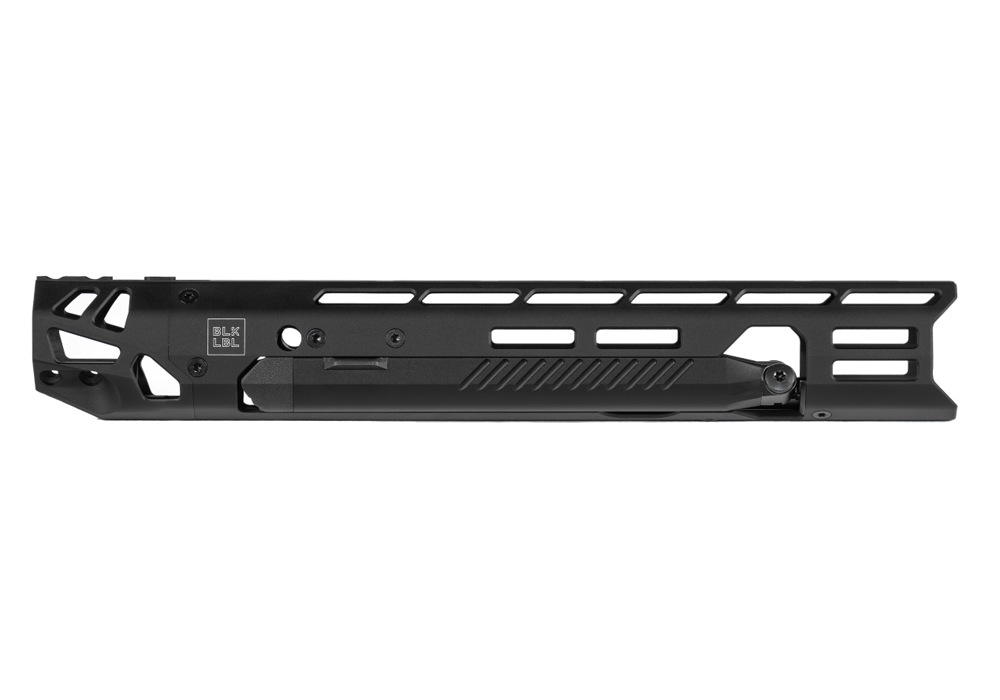
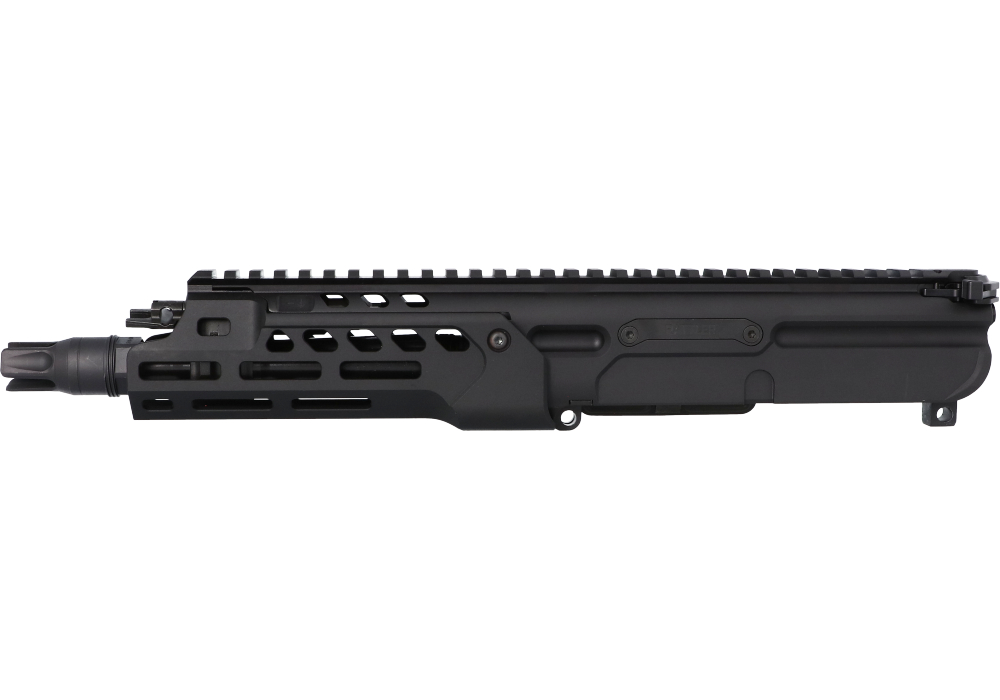
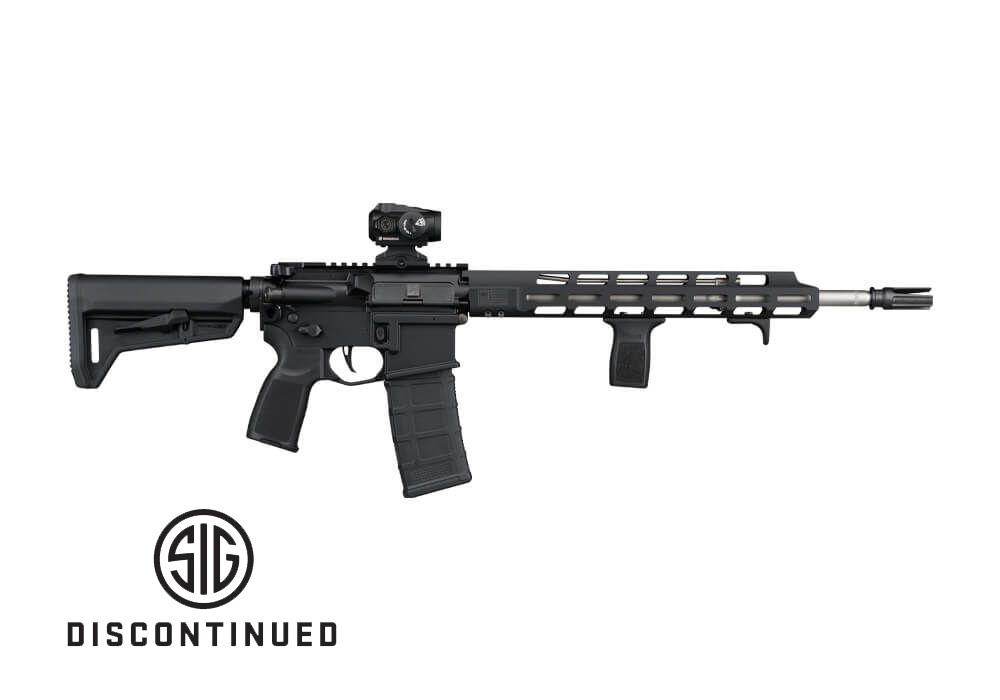
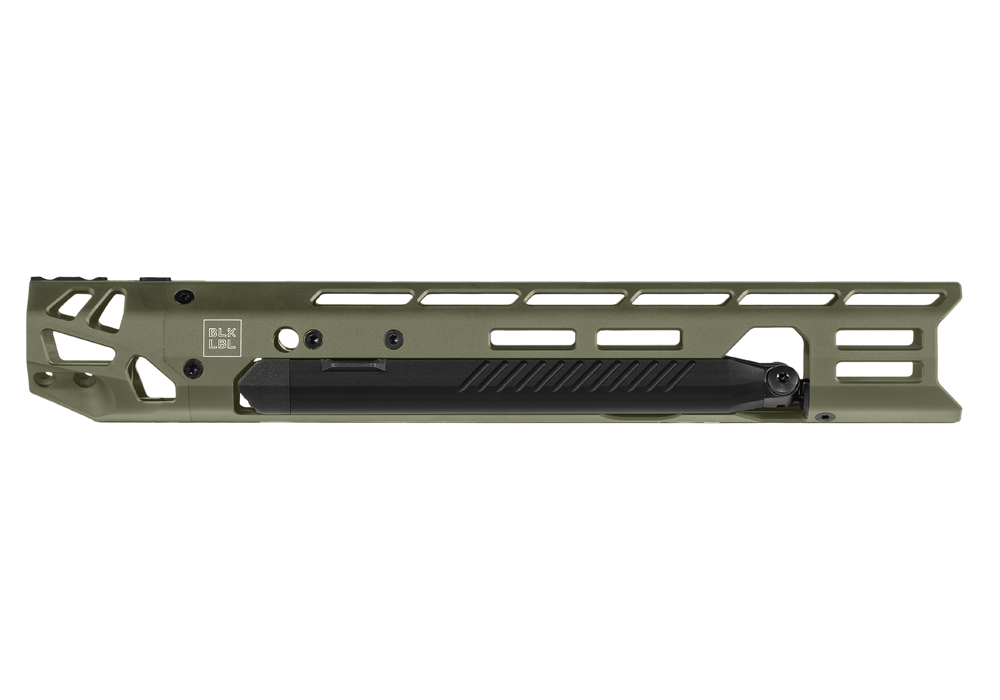
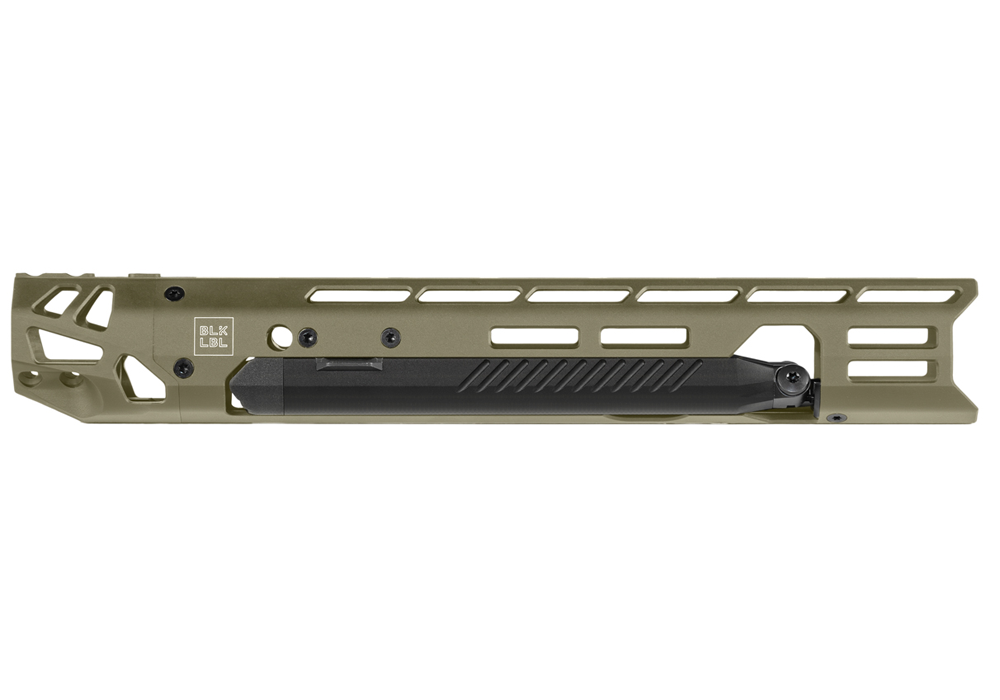
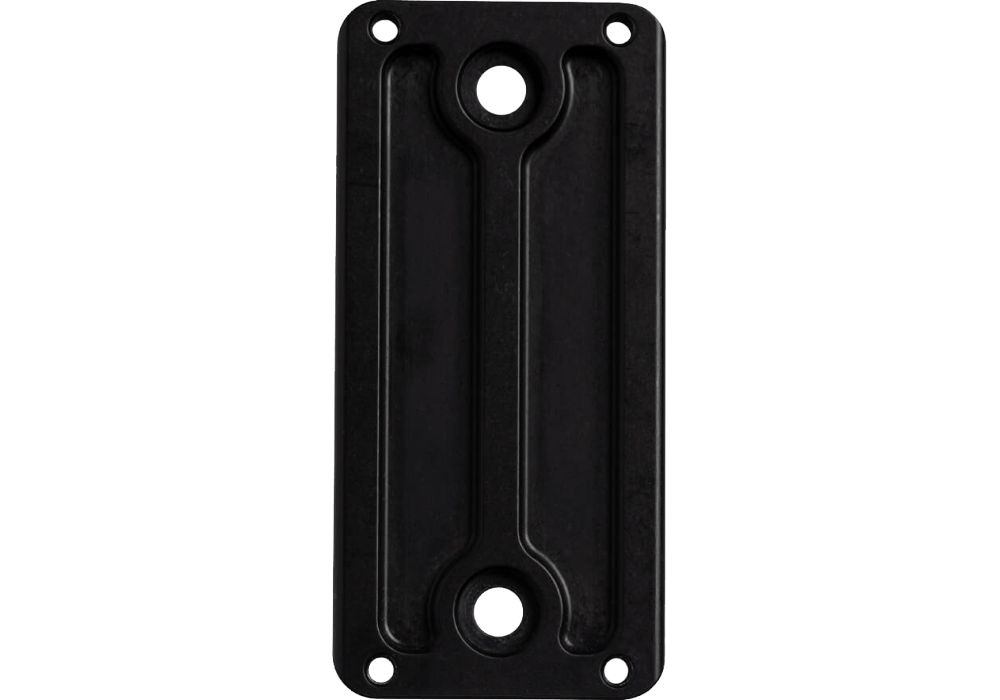
Advanced rifle parts are specialized components intended to support a rifle’s fit, handling, durability, and continued service within a compatible platform. They range from ergonomic exterior components to replacement assemblies with precise mechanical requirements, and their value depends on how well they suit the firearm and its intended use. For a recreational range shooter, that may mean a more comfortable interface during extended practice. For a hunter, practical considerations often include manageable weight, secure contact surfaces, and straightforward maintenance. A competitive shooter may place greater emphasis on consistent positioning and compatibility with an established equipment setup. Across these applications, “advanced” describes more than an aggressive profile or an unusual material: it can refer to thoughtful geometry, refined manufacturing tolerances, durable surface treatments, or a design that addresses a particular handling need. The strongest starting point is the rifle’s exact model and configuration, followed by the component’s stated purpose and compatibility requirements. Similar-looking rifles can use different attachment interfaces, dimensions, or generation-specific features, so appearance alone is not a reliable indication of fit. A part should also work with the surrounding equipment without obstructing controls, complicating routine inspection, or creating an awkward contact point. Consider the difference between a rifle that spends most of its time supported on a bench and one carried between shooting positions: the same shape or weight distribution may feel quite different in each setting. Comfort matters most where the shooter repeatedly meets the firearm, including the shoulder, cheek, and support hand. Smooth transitions, accessible controls, and a stable, repeatable position can be more useful than cosmetic complexity. Choosing advanced rifle components therefore begins with a clear purpose rather than a collection of isolated features. A well-considered selection respects the original platform, suits the owner’s actual use, and remains practical to inspect, clean, and maintain over time. Product descriptions are most useful when they explain those relationships clearly, rather than relying on broad claims about performance.
Materials and construction help explain why rifle components with similar outlines can differ in weight, feel, and long-term care requirements. Aluminum alloys often provide a useful balance of rigidity and manageable mass for exterior structures, while steel is common where wear resistance and mechanical strength are priorities. Reinforced polymers can offer resilient contact surfaces and considerable flexibility in shape, and composite construction can serve applications where weight and stiffness deserve particular attention. No material is automatically best for every role. Its grade, geometry, finish, and suitability for the intended application matter as much as its name. A thin profile may feel comfortable in the hand, but dimensions still need to suit the platform and the demands placed on that component. Likewise, a substantial part is not necessarily more durable simply because it weighs more. Surface treatments can help resist corrosion and everyday abrasion, although they do not eliminate the need for inspection or appropriate care. Edges should feel intentional rather than sharp where hands normally rest, and textured areas should offer useful purchase without becoming unnecessarily abrasive during repeated handling. Fit deserves equally close attention. Manufacturer documentation should establish compatibility with the exact rifle variant and identify any installation restrictions, required supporting components, or professional service recommendations. A familiar mounting pattern does not guarantee that every nearby surface, control, or accessory will have adequate clearance. When compatibility information is incomplete, confirmation from the manufacturer or a qualified gunsmith is preferable to assumptions based on photographs. Mechanical components and changes affecting firearm function call for particular care; installation and inspection should follow the applicable manufacturer requirements and be entrusted to a qualified professional when specified or when uncertainty remains. The goal is a correctly fitted system, not a part forced into place. For shoppers comparing options, clear dimensions, material specifications, care instructions, and explicit platform references provide a more dependable basis for selection than visual styling alone. These details also help distinguish a component suited to regular use from one whose features do not address the owner’s needs.
Long-term satisfaction with advanced rifle parts depends partly on how easily they fit into an established maintenance routine. Before any cleaning, inspection, or service, the firearm should be unloaded and handled according to its manufacturer’s safety instructions, with ammunition kept separate from the work area. Compatible cleaning products and the recommended care methods help protect finishes, polymers, and contact surfaces; a chemical appropriate for one material may not suit another. Accessible surfaces are easier to wipe clean, while intricate recesses and heavily textured sections can require additional attention. During routine inspection, visible wear, corrosion, cracks, looseness, or a change in how a component fits warrants evaluation rather than continued use without investigation. Finish wear alone does not always indicate a functional problem, but appearance cannot confirm mechanical condition either. Keeping the relevant documentation with the firearm’s maintenance records makes it easier to verify specifications and service requirements later. It also helps preserve a clear picture of the rifle’s configuration if ownership changes or professional service becomes necessary. Replacement needs are not always the same as customization goals: restoring an existing setup may call for a component that matches the original specification rather than one with different features. For that purpose, Rifle Spare Parts offers a related category to consider alongside components selected for a particular ergonomic or material preference. Rifle parts can also be a thoughtful gift for an experienced firearm owner, but exact compatibility and the recipient’s preferences should be confirmed beforehand. Even a seemingly simple exterior component can feel different from what someone has practiced with for years. A known specification is a better foundation for a gift than an educated guess about platform fit. Whether the purpose is routine replacement, improved comfort, or a carefully considered change in configuration, the most useful selection balances appropriate materials, documented compatibility, sensible upkeep, and a clear understanding of the rifle’s role. Those fundamentals remain relevant well beyond the first range session and help keep attention on dependable equipment rather than unnecessary complexity.