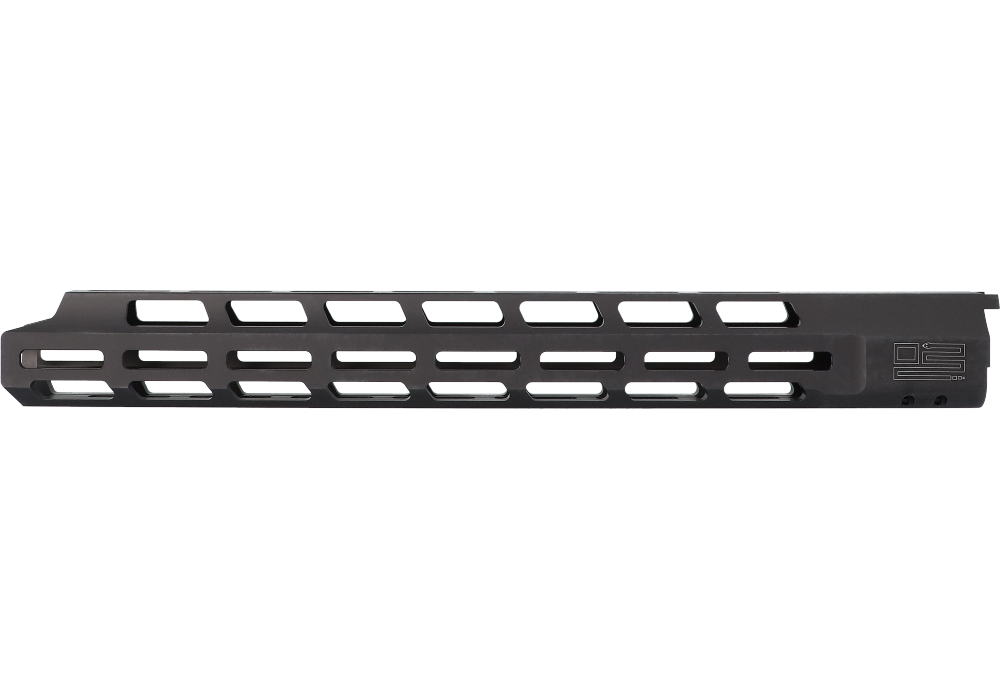
Modern sporting rifle parts are the components that support the function, fit, handling, and ongoing care of modular sporting rifles. Common categories include upper and lower receiver components, operating assemblies, furniture, and sighting accessories. On many platforms, the upper receiver supports the barrel and houses moving action components, while the lower receiver contains the trigger assembly and safety selector and provides attachment points for the grip and stock. The bolt carrier group is part of the mechanism that handles cartridges during the firing cycle, and the charging handle provides a manual interface with the action. Handguards surround the barrel area and provide a place for the support hand, while stocks establish the rifle’s contact with the shoulder. Grips, sights, mounting hardware, and smaller replacement components round out the broader category. These descriptions provide a useful starting point, but modern sporting rifles do not all share the same construction or parts compatibility. Similar appearance does not establish interchangeability, and components intended for one platform, generation, or configuration may not suit another. Manufacturer documentation is the most dependable reference for identifying the correct application. For recreational target shooters, competition participants, and hunters using an appropriate sporting rifle, parts selection often begins with an existing firearm and a clearly defined purpose. A rifle used mainly from a shooting bench presents different handling considerations than one carried between designated shooting positions or transported regularly to a range. Furniture shape, overall weight, attachment interfaces, and the relationship between the stock and sights all influence how the rifle feels in ordinary use. Replacement parts also serve a straightforward ownership need: maintaining a familiar setup as components experience wear. The value of a suitable component lies in its correct fit and documented purpose, rather than its resemblance to another part or the number of accessories attached to the firearm. A coherent setup keeps the owner’s actual activities at the center of the selection.
Materials and construction help explain the differences among modern sporting rifle components. Aluminum is common in receivers and handguards, steel appears in many action components and fasteners, and reinforced polymers are frequently used for grips and stocks. Each material brings a different combination of weight, rigidity, surface feel, and care requirements. Protective finishes can help resist corrosion and surface wear, although no finish eliminates the need for appropriate cleaning and storage. Machined edges, consistent surface treatment, secure attachment interfaces, and clearly stated compatibility information are useful details to evaluate alongside the material itself. Fit involves more than whether two parts can physically connect. Receiver dimensions, mounting patterns, fastener specifications, and platform-specific design differences can all affect suitability. A handguard attachment system, for example, must match the accessories intended for it; a stock must match the rifle’s specified interface. Those distinctions matter even when two components look nearly identical in photographs. Furniture also deserves attention as a point of contact between the shooter and the rifle. Grip contours, stock shape, adjustment features, and surface texture can affect comfort across a full range session. A pronounced texture may feel secure in the hand yet rub against a carrying case or clothing, while a broader stock profile may feel different at a bench than during standing practice. Neither appearance nor weight alone tells the whole story. Rounded contact surfaces, accessible controls, and space around existing equipment can matter more than decorative details. Sighting accessories bring another set of fit considerations, including the mounting interface and their relationship to the rifle’s existing configuration. Keeping components compatible helps preserve a consistent, familiar layout. For owners who spend more time maintaining and using one rifle than changing its appearance, durable materials and straightforward care requirements offer practical benefits long after the initial selection.
Operating components deserve the same attention to platform compatibility as visible furniture and accessories. Springs and related assemblies support the movement and return of action components, but their arrangement varies among rifle designs. Some platforms place these components within the receiver, while others use a different layout extending toward the stock. Modern Sporting Rifle Operating Springs Assemblies are a related category for owners identifying replacement components specified for their firearm. Selection should follow the manufacturer’s stated application rather than assumptions based on size, appearance, or a broad platform label. The same principle applies to small hardware: a modest-looking component can have a precise role, and substituting an unspecified part can create problems that are not apparent from a photograph. Inspection, installation, and required function checks belong with the manufacturer’s procedures and a qualified gunsmith when professional assistance is appropriate. Routine care is equally important to long-term ownership. Cleaning products and lubricants should be suitable for the component’s material and finish, with attention to the care instructions supplied for the firearm and its accessories. Before handling parts or performing maintenance, confirm that the firearm is unloaded and keep ammunition separate from the work area. A clean, organized storage space helps protect loose components from grit, moisture, and unnecessary contact with hard surfaces. Keeping original packaging, compatibility notes, and service records together also makes future identification easier, particularly when several similar-looking parts are stored nearby. For an experienced rifle owner, a compatible accessory or replacement component can be a thoughtful gift when the recipient’s exact platform and preferences are already known. Guesswork is less useful than a confirmed specification or a clearly expressed preference. Whether the purpose is routine upkeep, restoring a familiar configuration, or selecting comfortable furniture for sporting use, modern sporting rifle parts are best understood as elements of a complete system. Correct application, appropriate materials, sensible care, and respect for the firearm’s documented design provide a foundation for responsible ownership.