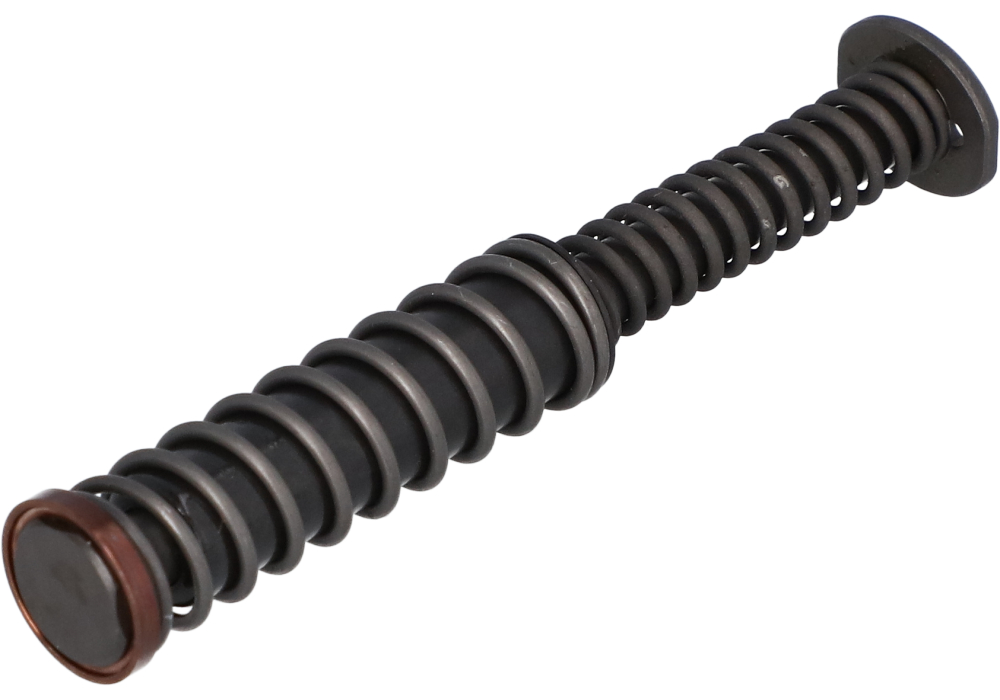
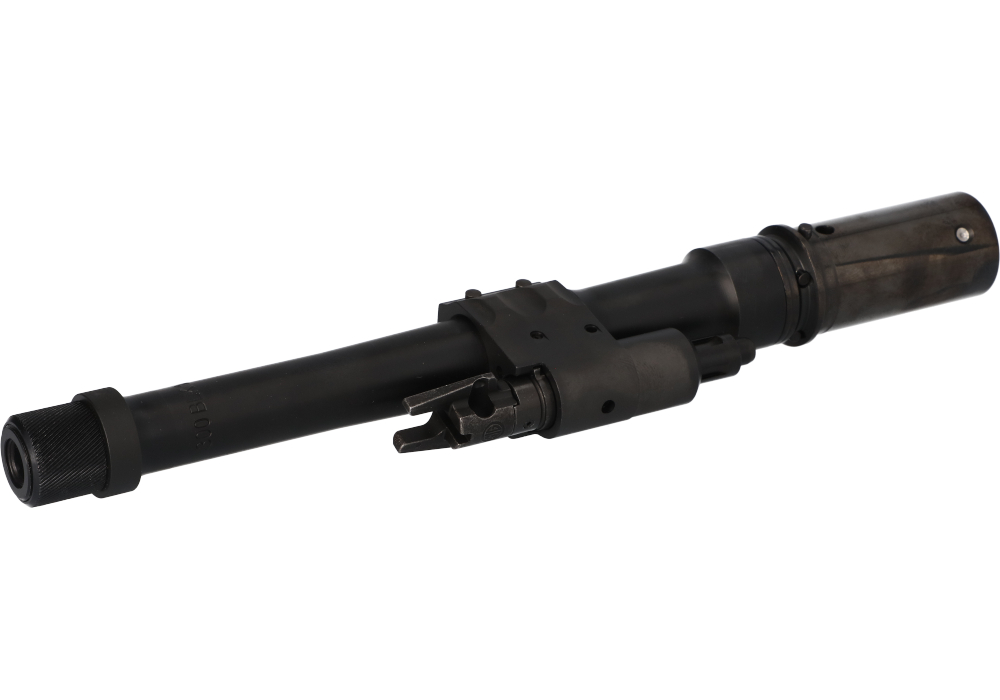
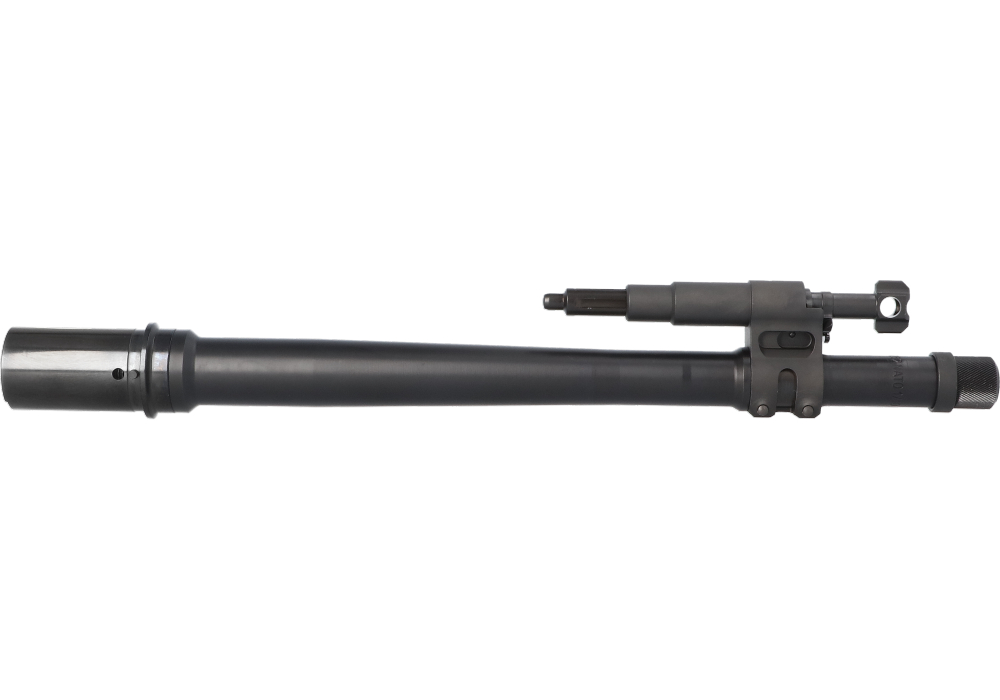
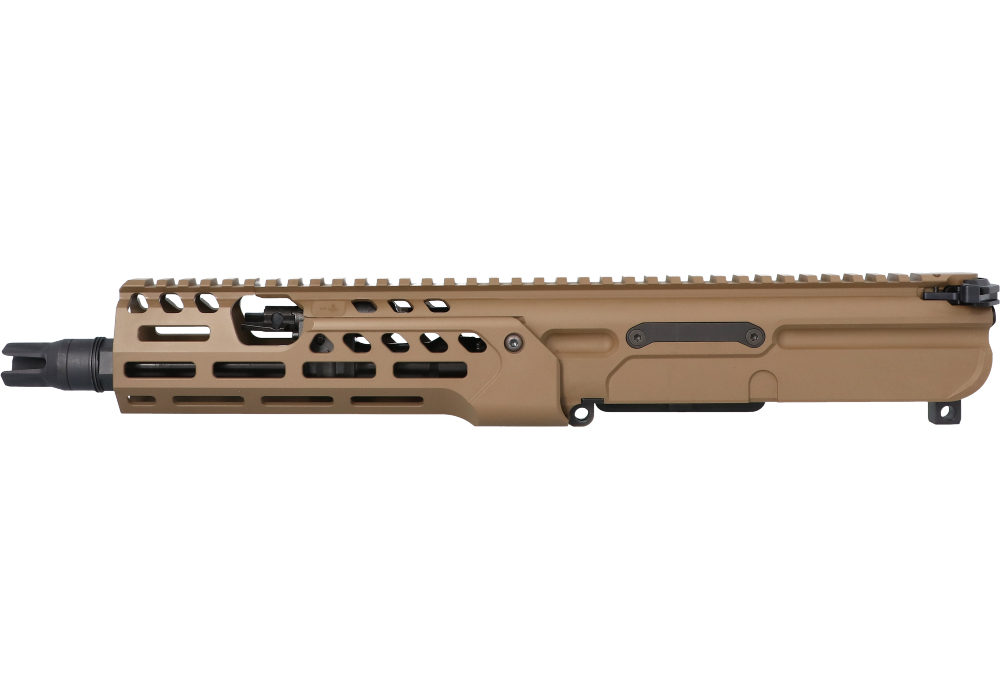
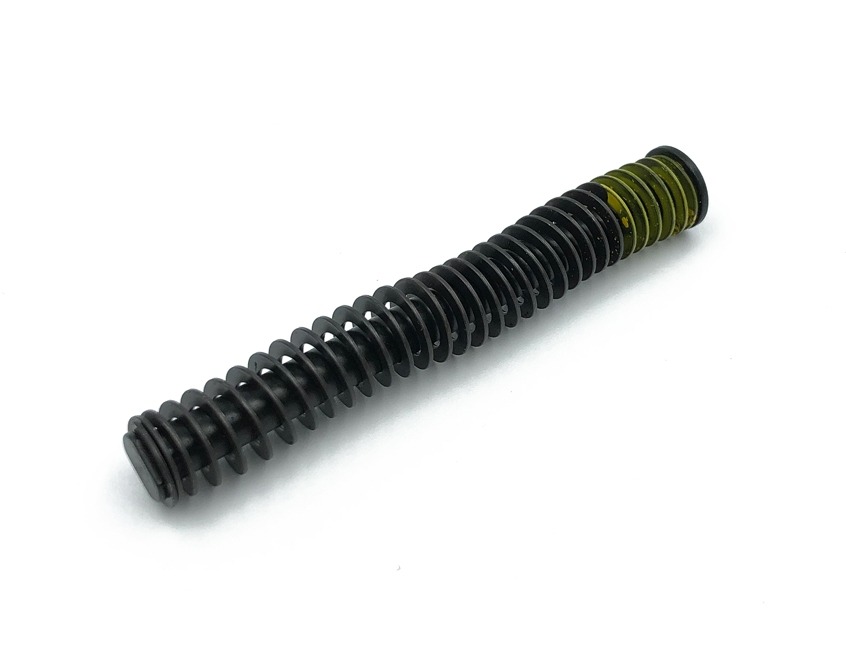
Modern sporting rifle operating spring assemblies help manage the movement of the action during cycling, storing energy as the bolt carrier travels rearward and releasing that energy to return the action forward into battery. In conventional layouts, the operating spring works with a buffer inside the receiver extension. Other designs use springs arranged around guide rods or contained within a dedicated assembly. These differences matter because an operating spring is part of a coordinated system, not an isolated component with a universal fit. Spring characteristics, buffer configuration, available travel, and the firearm’s operating design all influence how the assembly functions. A conventional spring and buffer arrangement, a captured recoil assembly, and a platform-specific return spring assembly can serve similar purposes while having very different compatibility requirements. Carbine-length, rifle-length, and intermediate receiver extension systems also require components intended for their particular dimensions; the terms describe the recoil system rather than simply the firearm’s barrel length. A fixed or adjustable stock can provide context, but its appearance alone does not establish which assembly belongs inside. For owners maintaining a familiar sporting rifle, these components are relevant to routine service and the replacement of worn parts. For competitive shooters, hunters, and people who practice regularly at the range, consistent cycling supports a more predictable experience from one session to the next. The practical value is often less about a dramatic change in feel and more about having the correct component performing its intended role. A properly matched assembly supports reliable operation within the firearm manufacturer’s specifications, while an unsuitable combination can interfere with action travel or function. Product descriptions are most useful when they identify the supported firearm family, receiver extension arrangement, included components, and any compatibility limitations. Those details provide a firmer basis for selection than broad language about smoother recoil or improved performance, particularly when two assemblies look nearly identical in a photograph.
Materials and construction help distinguish modern sporting rifle operating spring assemblies, although no single material or spring profile is automatically the best choice for every firearm. Conventional round-wire springs remain a familiar design, while flat-wire and multi-wire configurations offer different approaches to spring geometry and vibration behavior. Depending on the design, spring steels, stainless alloys, surface treatments, and protective finishes can contribute to fatigue resistance, corrosion resistance, or reduced friction at contact points. Durability also depends on manufacturing consistency, appropriate heat treatment, operating stresses, and the conditions in which the assembly is maintained. A bright finish or substantial appearance cannot establish service life on its own. Captured assemblies typically retain the spring on a guide rod, sometimes integrating additional components into a single unit. That construction can simplify handling during maintenance, but it does not make the assembly interchangeable across unrelated platforms. Likewise, a package described as an assembly may include a spring and guide rod, a spring and buffer, or another combination defined by the firearm’s design. The contents and fit specifications deserve equal attention. A spring that resembles the original can still differ in dimensions, end geometry, or intended operating range, and those differences may not be apparent in a product image. Compatibility information should therefore address more than a broad rifle category. Receiver design, action type, caliber family, and factory configuration can all affect the correct selection. Firearms configured for suppressor use may also have manufacturer-specific requirements, making documented compatibility especially important. Neither greater spring force nor additional buffer mass is inherently an improvement; both are characteristics that must suit the complete system. For a rifle kept close to its factory configuration, a specified replacement offers a straightforward reference point. For a firearm with an uncertain service history or previously changed components, an inspection by a qualified gunsmith can help establish which assembly is appropriate without relying on appearance or assumptions.
Care and inspection are central to the long-term usefulness of an operating spring assembly. Repeated compression is part of normal service, but contamination, corrosion, damaged contact surfaces, or a distorted spring can affect how the system moves. Maintenance expectations vary by design, especially when comparing a separate spring and buffer with a captured unit containing guide surfaces and retained components. Manufacturer instructions should govern cleaning products, lubrication, inspection intervals, and replacement criteria rather than a generic schedule applied to every rifle. Excess lubricant is not a substitute for clean components, and an aggressive cleaning method can be inappropriate for certain finishes or retained assemblies. Visible deformation, unusual wear, or a change in cycling behavior warrants attention, but spring condition cannot always be judged by appearance alone. Nor should a new operating spring be treated as a universal answer to a malfunction: ammunition, magazines, lubrication, and other mechanical factors can produce symptoms that overlap. Professional evaluation is appropriate when the cause is unclear. For a frequent range visitor, the appeal of a correctly specified assembly is dependable service through repeated practice. A competitive shooter may place particular importance on consistent action behavior, while a hunter may prioritize maintaining a trusted firearm in its intended configuration. Owners responsible for several rifles benefit from keeping compatibility records clear so that similar-looking components are not confused during maintenance. Related components can be explored within Firearm Action Springs Assemblies, with the same emphasis on documented fit and intended function. Across these uses, the strongest selection criteria remain concrete: the correct operating system, suitable materials, clearly identified package contents, and maintenance requirements that match the firearm. Modern sporting rifle operating spring assemblies are small parts with an important mechanical role, and their value rests in appropriate fit, durable construction, and reliable service rather than appearance or sweeping performance claims.