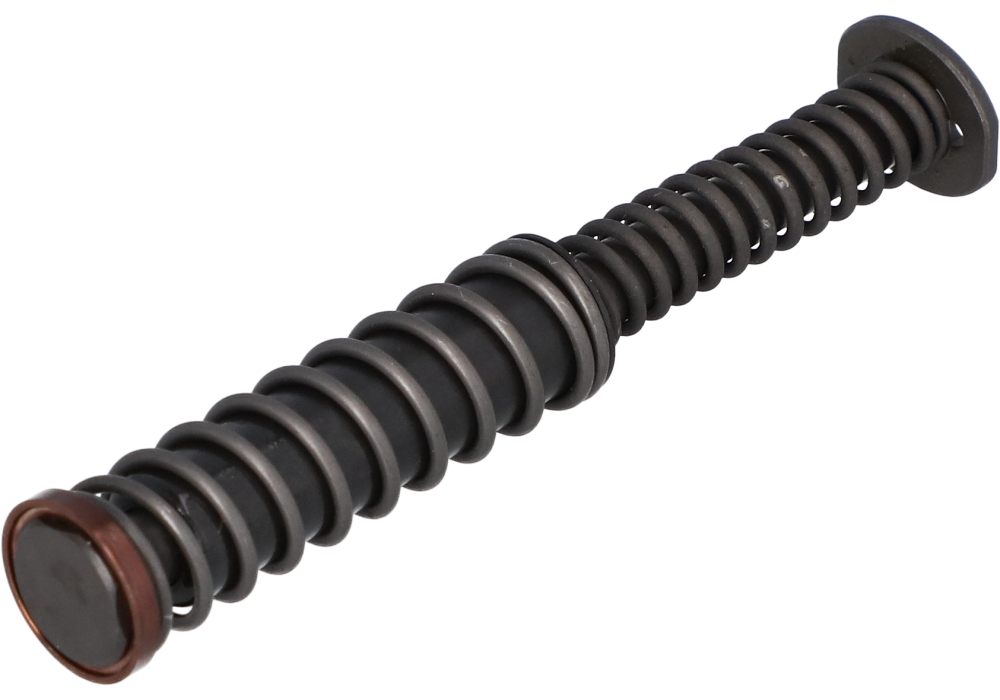
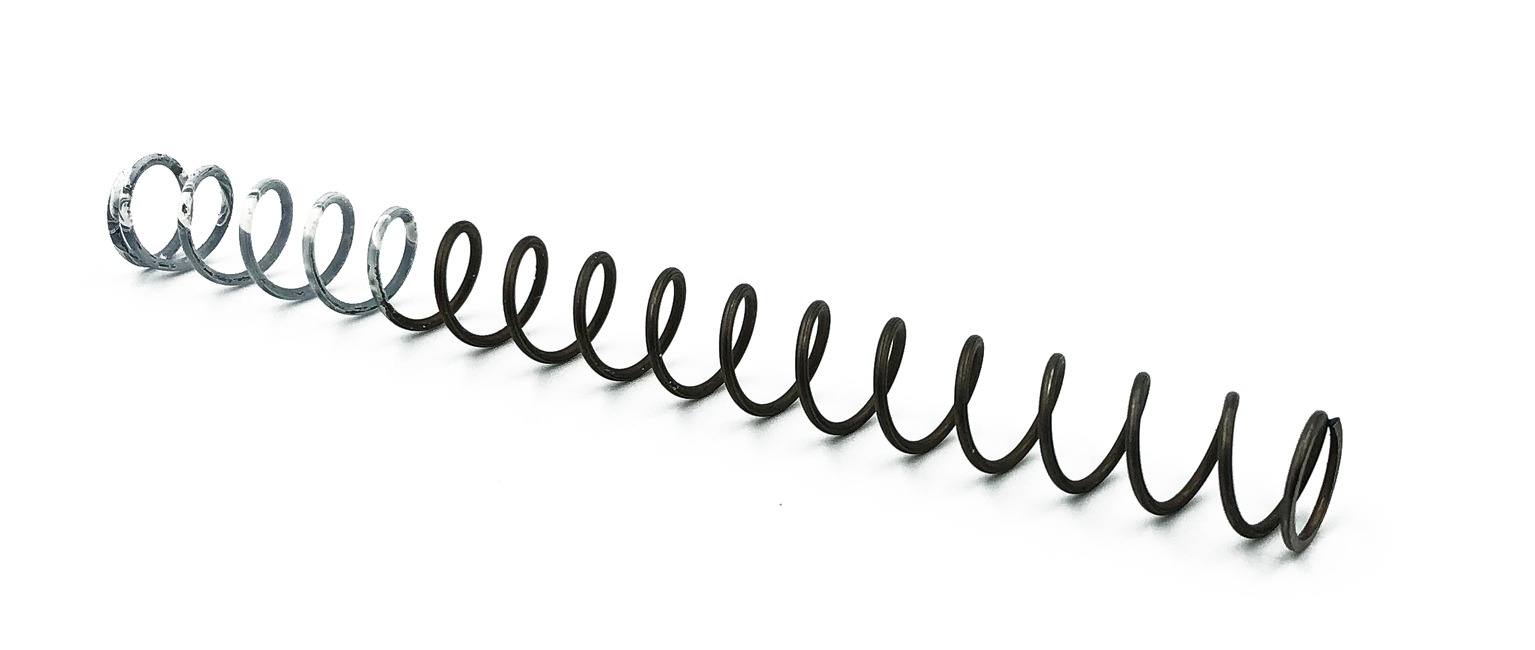
Firearm component spring assemblies are small parts with an outsized role in reliable operation. A recoil spring assembly manages the movement of the slide or bolt, absorbing energy as the action cycles and helping return it forward to chamber the next round. Magazine springs maintain upward pressure on cartridges so they can present consistently to the feed lips, while hammer or mainsprings store and release the energy needed to drive the hammer or firing mechanism. Trigger springs help provide reset tension and contribute to a predictable trigger cycle, and extractor or ejector springs support the controlled removal of fired cases from the action. Because these components work under repeated compression, expansion, heat, and friction, they are considered wear items even when the rest of a firearm appears clean and well maintained. Selecting the correct assembly starts with the exact make, model, generation, caliber, and configuration of the firearm. Small differences in spring length, wire diameter, guide rod dimensions, spring rate, or end configuration can affect cycling and fit, so compare the replacement against the manufacturer’s specifications and consult the owner’s manual before ordering. For many owners, replacing a worn assembly is part of responsible routine maintenance rather than a performance modification. A fresh spring can help restore the crisp, controlled movement that is easy to notice when manually cycling an unloaded action, especially after extended range use or storage.
When choosing among firearm component springs assemblies, consider the role each spring plays, the amount of use it receives, and the environment in which the firearm is stored or used. Recoil springs are often available in standard or specialized configurations, and the correct choice depends on the firearm’s original design, ammunition, and intended use. A spring that is too light or too heavy may change how the action cycles, while an incorrect magazine spring may contribute to feeding problems or difficulty seating the magazine. Material is another useful point of comparison. Chrome silicon spring wire is valued for its strength, fatigue resistance, and ability to maintain its shape through repeated compression, making it a consideration for applications with frequent cycling. Stainless steel offers useful resistance to moisture and corrosion, which may be helpful for firearms exposed to humid storage conditions, field use, or regular handling. No material eliminates the need for inspection: look for kinks, uneven coils, corrosion, binding, loss of free length, or a spring that no longer returns firmly to its designed position. Replacement intervals vary with firearm type, ammunition, maintenance, and round count, so there is no universal schedule that fits every owner. Some shooters inspect recoil assemblies every few thousand rounds, while others follow a more conservative interval recommended by the firearm manufacturer. During the cooler months, when range sessions may be followed by longer periods in a safe or case, it is especially helpful to clean, lightly protect, and inspect components before storage. Always unload the firearm completely, remove the source of ammunition, verify the chamber is clear, and follow the manufacturer’s disassembly instructions before examining or installing a spring assembly. If a part does not fit naturally or requires unusual force, stop and confirm the specification rather than altering the component.
These assemblies can be useful for a broad range of firearm owners, including new shooters building a maintenance kit, experienced range users who track round counts, instructors who keep training equipment dependable, and collectors preparing older firearms for careful inspection and service. They can also make a thoughtful gift for a responsible firearm owner when the exact model and configuration are known. A gift buyer may not need to understand every detail of spring rates or guide rods, but confirming the firearm’s model designation and checking the owner’s manual can prevent an otherwise well-intended purchase from being incompatible. For owners comparing replacement options, the best choice is usually the one that matches the original specification and supports dependable function, rather than the most unusual or aggressive configuration. Keeping a spare assembly on hand can be practical for frequent range users, particularly when a worn spring begins to show signs such as sluggish return, inconsistent feeding, unusual slide or bolt movement, failures to extract, or visible deformation. Those symptoms can have multiple causes, so a spring replacement should not be treated as a substitute for a complete inspection by a qualified gunsmith when function is uncertain. For a closer look at one of the most commonly serviced categories, browse Recoil Spring Assemblies and compare compatibility details before purchase. With the right specification, careful installation, and regular inspection, firearm component springs assemblies can help preserve the smooth mechanical rhythm of a well-maintained firearm—from the firm seating of a magazine to the controlled return of the action after each cycle.