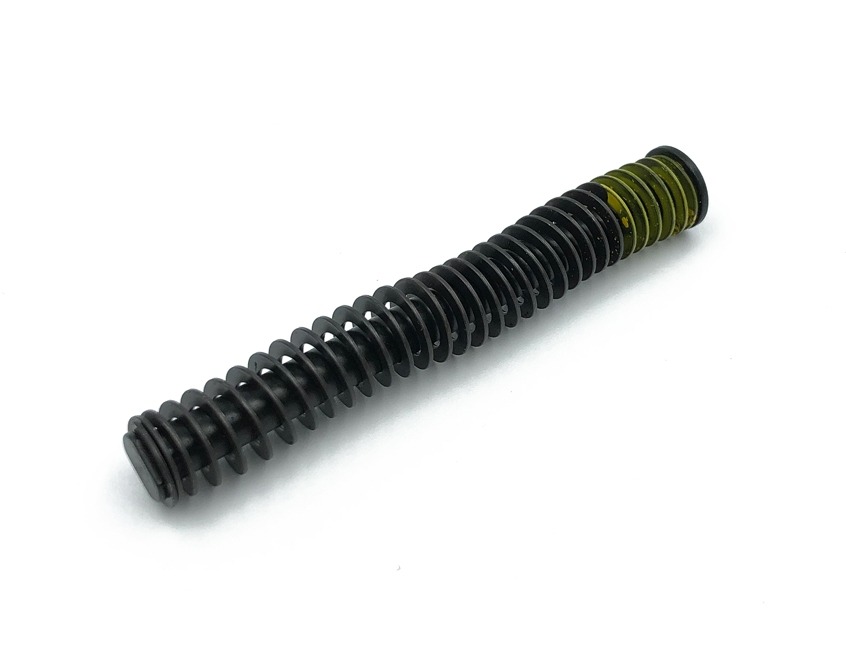
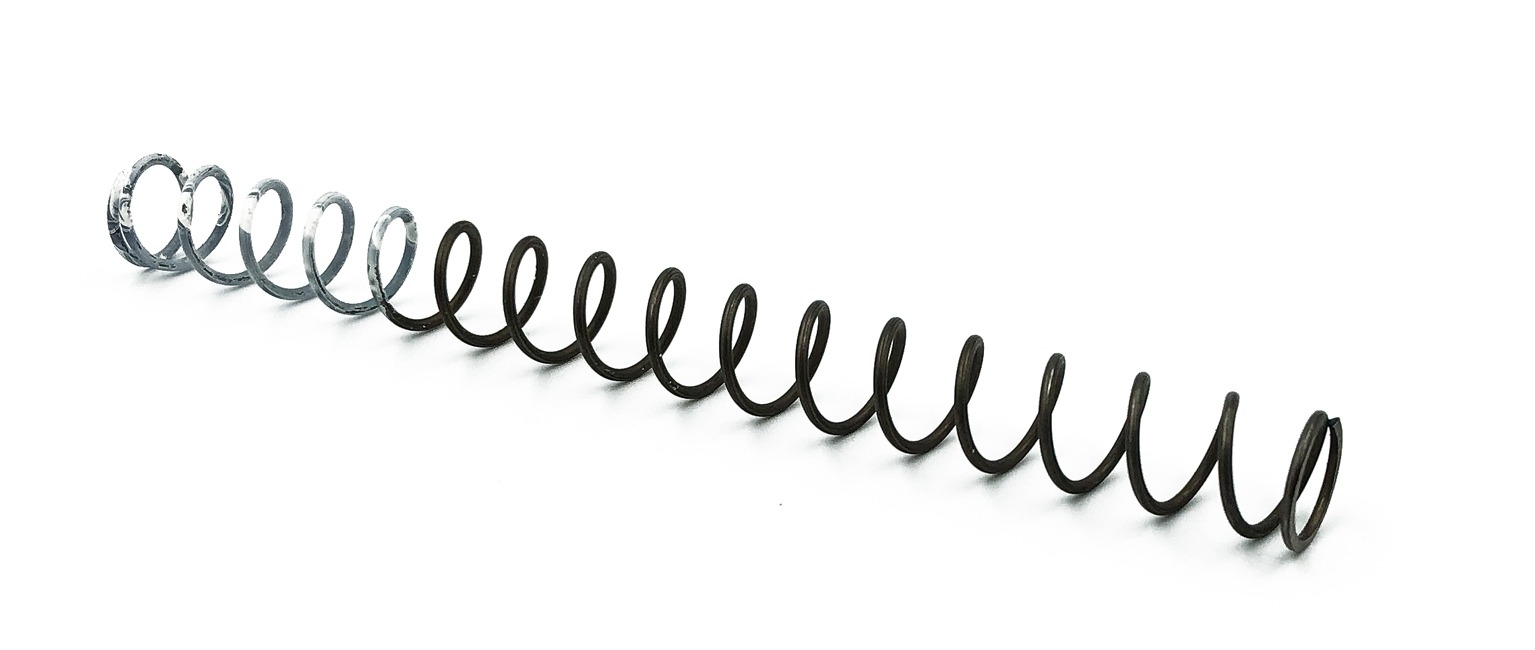
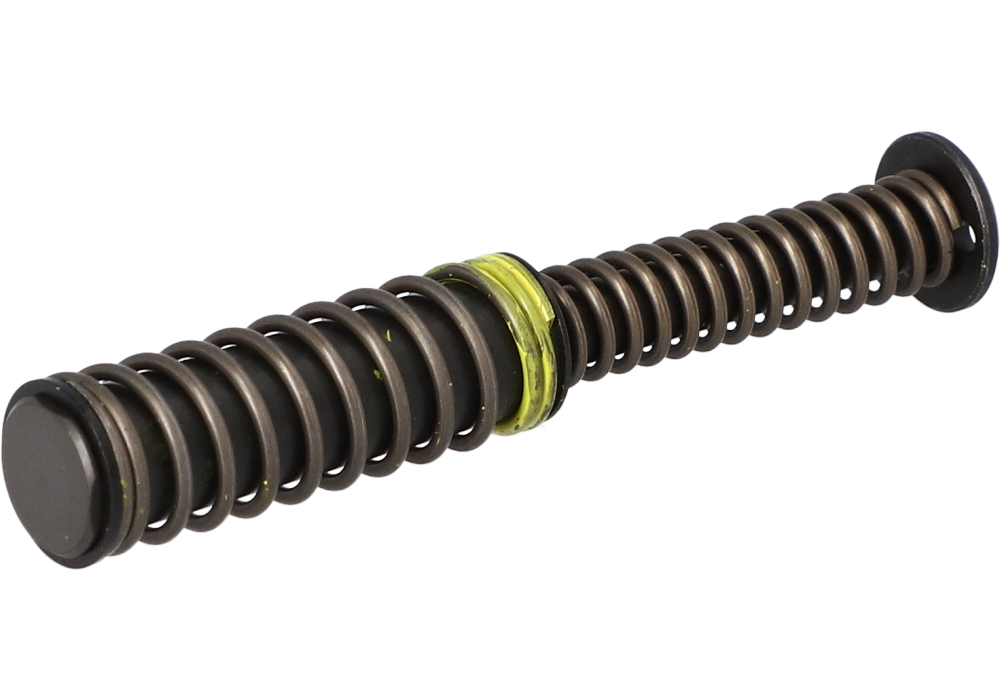
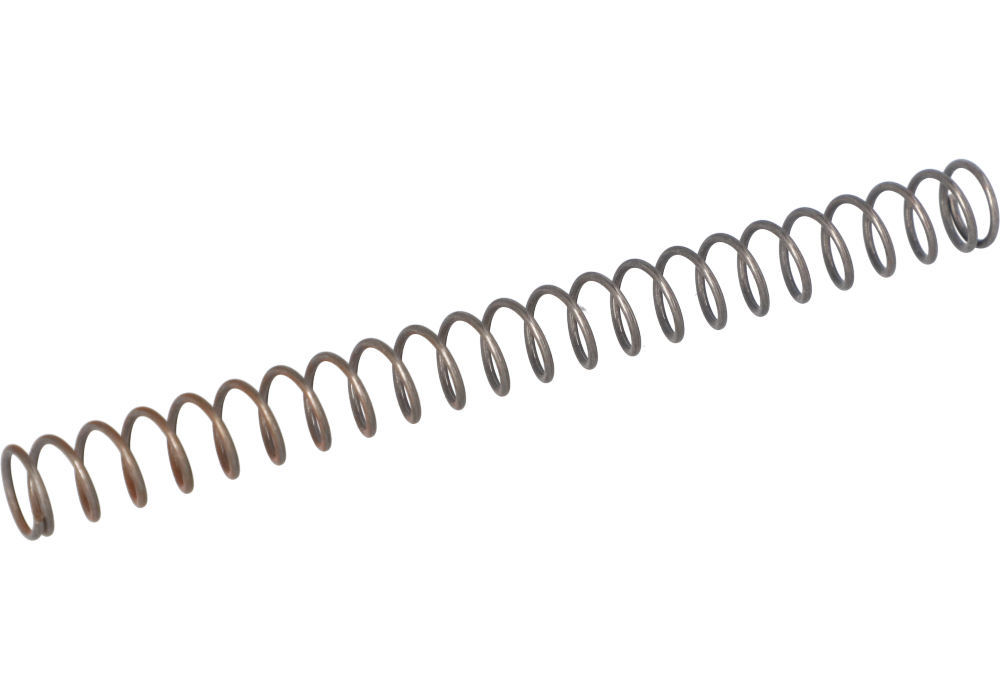
Firearm action spring assemblies help manage the cycling movement of a self-loading firearm and return its moving components to the forward position. Often described as recoil spring or return spring assemblies, these components store mechanical energy as a slide, bolt, or bolt carrier moves rearward, then release that energy during the forward stroke. Depending on the firearm’s design, that return movement supports feeding a cartridge into the chamber and bringing the action back into battery. The spring is one part of a larger operating system; reliable function also depends on the condition and compatibility of other components. An assembly may include a single coil spring or multiple springs, along with a guide rod, retainers, or other supporting hardware. Terminology varies between firearm designs, so similar names do not necessarily describe interchangeable parts. For related components organized under a familiar category name, Recoil Spring Assemblies provides another useful point of reference. Materials and construction help explain the differences between assembly designs. Spring steel and stainless steel are common spring materials, selected and processed to withstand repeated compression within a defined operating range. Supporting rods and retainers may use steel, other metals, or engineered polymers, depending on the application. Wire shape, spring arrangement, surface finish, and the dimensions of the supporting components can all vary. Those differences are not simply cosmetic: they reflect the space available inside the firearm and the requirements of its operating system. A metal guide rod is not automatically preferable to a polymer guide rod, nor does a more substantial appearance establish compatibility or longer service life. The meaningful comparison is how an assembly’s construction matches its intended application. For a shopper considering a replacement, the most useful starting point is a clearly documented fit rather than an assumption based on appearance, material alone, or a broad category label.
Fit is especially important because two action spring assemblies can look nearly identical on a workbench yet belong to different firearm configurations. A shared model family does not always establish compatibility across every size, generation, or variation within that family. Slide length, operating-system design, and other configuration details may affect which assembly is appropriate. Manufacturer fit information and the firearm’s documentation provide a firmer basis for selection than a visual comparison with an existing part. Assembly construction also deserves attention. In a captive assembly, the spring is retained with its supporting hardware as a unit, which can simplify handling during routine maintenance. A non-captive arrangement allows the spring and guide components to remain separate when the firearm is field stripped. Neither format is universally better; each belongs to a particular design, and the correct arrangement is the one specified for that firearm. Multiple-spring systems can also differ substantially from single-spring assemblies even when their overall purpose is similar. A replacement should preserve the specified configuration rather than introduce an unverified combination of components. Spring strength is another area where assumptions can be misleading. A stronger spring is not inherently an improvement, and spring characteristics must work within the requirements of the complete operating system. For ordinary replacement needs, restoring the intended configuration is a more useful objective than changing how the firearm cycles. This distinction matters to recreational shooters, instructors, competitors, and professional users who value predictable operation during repeated practice. A firearm used regularly for training may accumulate wear differently from one used only occasionally, but both still require the correct parts. Clear compatibility information helps distinguish a suitable replacement from a component that merely resembles it. It also makes a maintenance record more useful: knowing which assembly belongs to a particular configuration supports consistent care over the firearm’s service life, especially when an owner maintains several similar firearms.
Durability in an action spring assembly is best understood as sustained performance through repeated use, not an unlimited service life. Each operating cycle places stress on the spring, while contact between supporting components can contribute to wear over time. Material quality, manufacturing consistency, corrosion resistance, use history, and maintenance all influence how an assembly ages. There is no single replacement interval that applies to every firearm or spring design, so a general round-count estimate should not replace the manufacturer’s recommendations. A record of use and scheduled maintenance can offer more meaningful context than the age of the firearm alone. Care should follow the firearm’s manual, including its guidance for cleaning products, lubrication, inspection, and replacement. Excess residue, corrosion, damaged retainers, or visible deformation deserve attention, but appearance alone cannot confirm that an assembly remains within specification. Likewise, sluggish cycling, feeding interruptions, or difficulty returning to battery can have several causes and should not automatically be attributed to the spring. A qualified gunsmith can evaluate uncertain wear or recurring function concerns without relying on guesswork. Any handling or maintenance should begin with an unloaded firearm and follow established firearm safety practices. Replacement components also benefit from organized storage that protects them from moisture, contamination, and confusion with similar-looking parts. Keeping identifying information with an assembly is particularly useful when several firearm configurations share space in the same case or parts cabinet. For frequent range visitors, dependable replacement parts support an orderly maintenance routine; for instructors or professional users, documented compatibility and service history help keep equipment care consistent. An action spring assembly is a practical maintenance component rather than a universal accessory, and its value comes from suitability for the firearm, sound construction, and proper care. Attention to those fundamentals helps shoppers evaluate assemblies on relevant details instead of appearance or broad performance claims, with an emphasis on maintaining the firearm’s intended function throughout continued use.