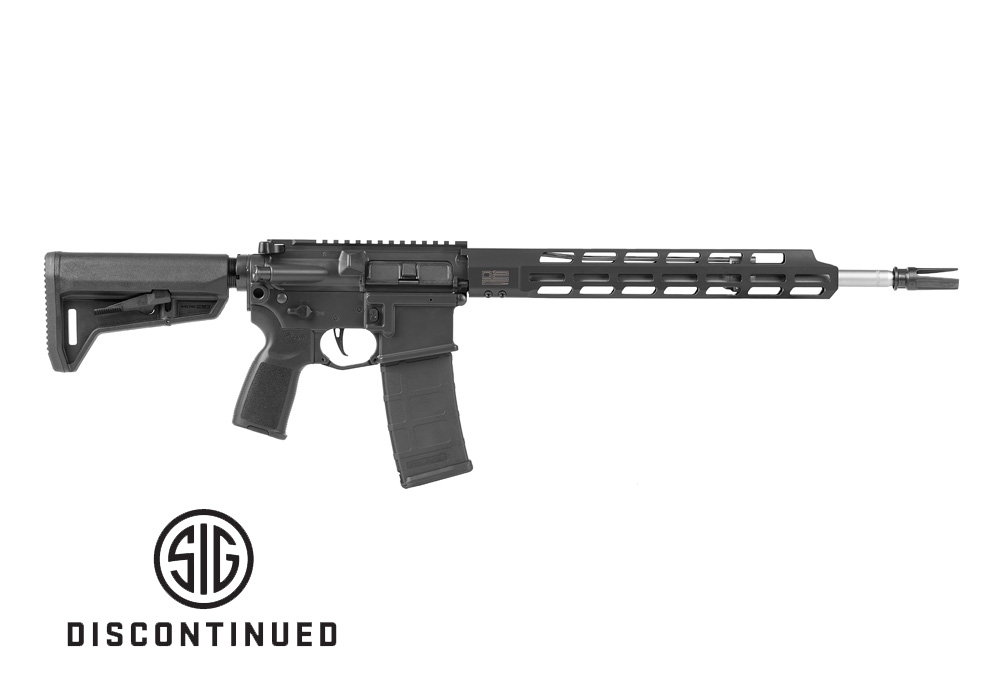
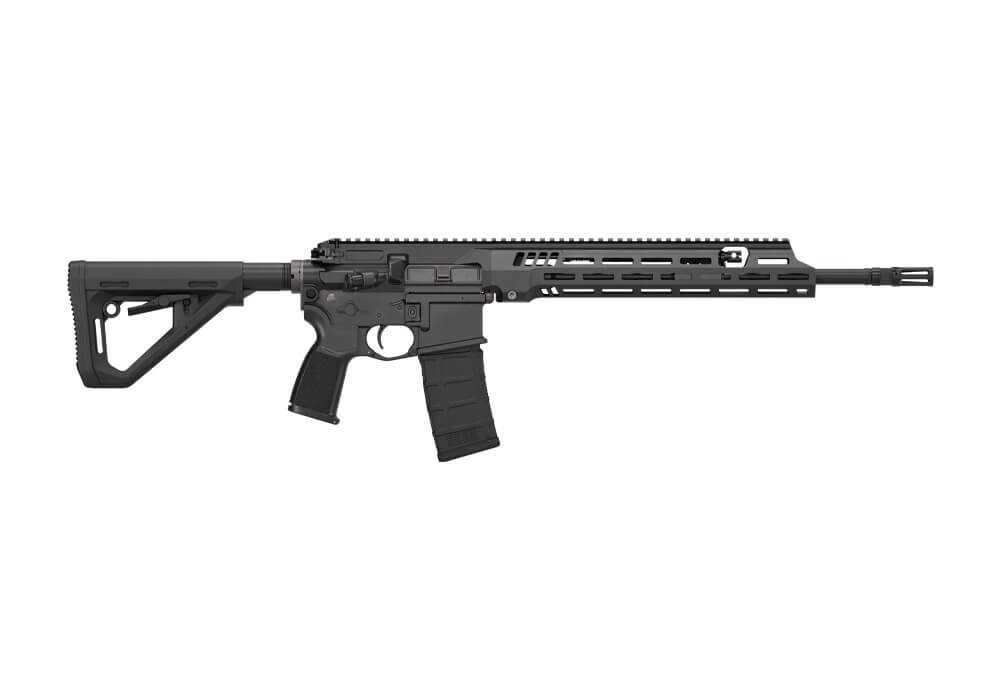
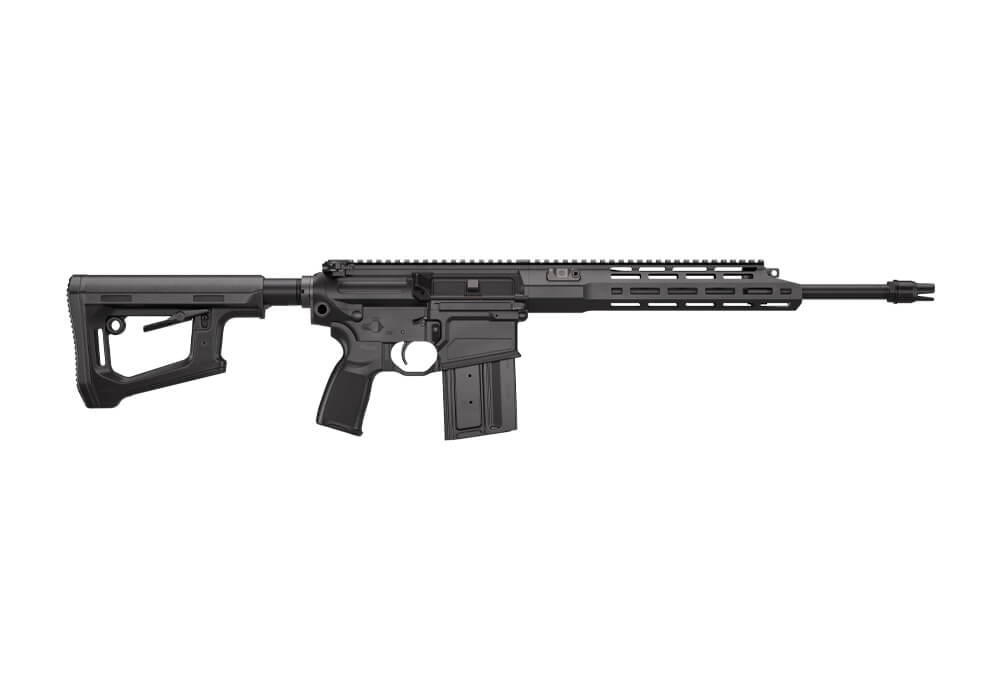
Modern sporting rifle manuals are model-specific reference documents covering safety information, firearm controls, intended operation, routine maintenance, and manufacturer-defined limitations. For owners of these rifles, the correct manual provides context that a general overview cannot: terminology tied to the actual firearm, illustrations of its components, and warnings written for its particular design. Many modern sporting rifles share a recognizable layout, but a similar appearance does not establish identical operating procedures or compatible parts. Differences in action design, chambering, control placement, and factory configuration can affect which instructions apply. A useful match therefore depends on the model designation and any applicable version or revision information, rather than the broad platform description alone. Depending on the rifle, a manual may identify the safety selector, charging handle, magazine release, bolt catch, and other controls, explaining their functions within that design. Clear diagrams help connect those names with the firearm itself without relying on informal terminology or assumptions carried over from another rifle. Safety sections establish the context for everything that follows, including safe handling, ammunition compatibility, storage, and circumstances that require professional assistance. Fundamental precautions include treating every firearm as loaded, maintaining a safe muzzle direction, and keeping a finger away from the trigger until ready to fire. The applicable manual adds the design-specific cautions needed alongside those principles. For someone becoming familiar with a first modern sporting rifle, that combination offers a consistent reference vocabulary. For an experienced owner moving between different configurations, it helps distinguish familiar features from meaningful differences. The value is not simply having a document with a recognizable rifle on the cover; it is having information that corresponds to the firearm being used. Model identification, publication details, legible illustrations, and clearly organized warnings are therefore important considerations when evaluating modern sporting rifle manuals as reference material. An exact match is especially important when a document covers several variants and separates shared information from instructions that apply only to certain configurations.
Maintenance information is another central reason owners keep a rifle manual close to their equipment records. Firearms combine materials and surfaces with different care requirements, including metal components, protective finishes, polymer furniture, and other factory-installed elements. The relevant manual may explain which cleaning products and methods are appropriate, where lubrication is specified, and which procedures fall outside routine owner maintenance. Those distinctions matter because a method suitable for one surface or component may not suit another. More cleaning is not automatically better care, and a general habit developed with a different firearm is not a substitute for the manufacturer’s directions. Illustrations, component names, and maintenance boundaries make this information easier to interpret, particularly when several small parts look similar on a work surface. A well-organized reference also distinguishes ordinary care from conditions that call for an authorized service professional. Unusual wear, damaged components, or a change in normal function should not become an invitation to improvise a repair. The manual’s role is to define the appropriate scope of owner attention and identify when further evaluation is necessary. Durability, in this context, includes both the long-term condition of the firearm and the continued usefulness of its documentation. A readable reference can support consistent care over years of ownership, while an incomplete or poorly reproduced copy may obscure an important warning or diagram. When a manual is printed, clear reproduction, intact pages, and protection from cleaning chemicals help preserve its usefulness. With an electronic document, readable illustrations, complete pages, and access to the correct revision are practical considerations. Neither format changes the need for model-specific information. A copy kept with maintenance records can also provide context for documented service, rather than leaving an owner dependent on memory. Manuals are particularly useful for understanding the difference between routine inspection, scheduled care, and work reserved for qualified personnel. That clarity supports a more deliberate approach to ownership without turning a reference document into a substitute for technical training.
Modern sporting rifle manuals serve a wide range of readers, from new owners learning unfamiliar terminology to experienced recreational shooters maintaining organized records for several firearms. Related references can also be found within Firearm Operation Manuals when documentation is needed for other firearm types. A rifle manual can be useful before a supervised range session, during a safety course, or when reviewing equipment with a qualified instructor, because everyone can refer to the same component names and manufacturer information. It can also clarify which questions belong with an instructor and which require assistance from the manufacturer or a service professional. Written documentation does not replace hands-on instruction, range rules, or applicable legal requirements; it supports those sources by providing information specific to the firearm. For an owner returning to a rifle after time away, familiar-looking controls may be less useful than a clear reference that confirms their actual function and limitations. In a household where more than one authorized adult uses shooting equipment, consistent documentation can reduce confusion between different designs. The same practical value applies when organizing a firearm’s original paperwork, service history, and related records. Keeping those materials associated with the correct model helps preserve context throughout ownership. Readability matters here as much as technical completeness: a searchable electronic file or a printed copy with a clear contents section can make a particular warning or maintenance topic easier to locate. Page references, labeled diagrams, and revision details are useful features because they help readers distinguish exact information from a general recollection. A manual is also a reference for understanding intended use, including any restrictions or cautions established by the manufacturer. Its purpose is not to suggest that every rifle suits every activity, but to describe the design within its stated boundaries. The strongest reference is one that remains understandable, complete, and connected to the firearm it covers, supporting informed questions, responsible handling, and consistent care throughout ownership.