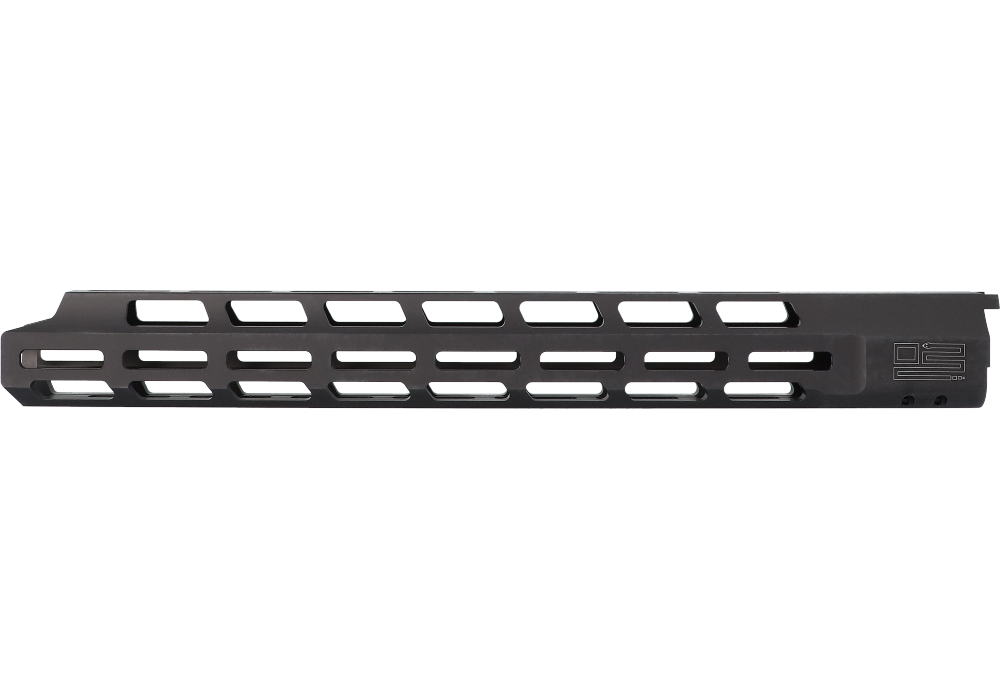
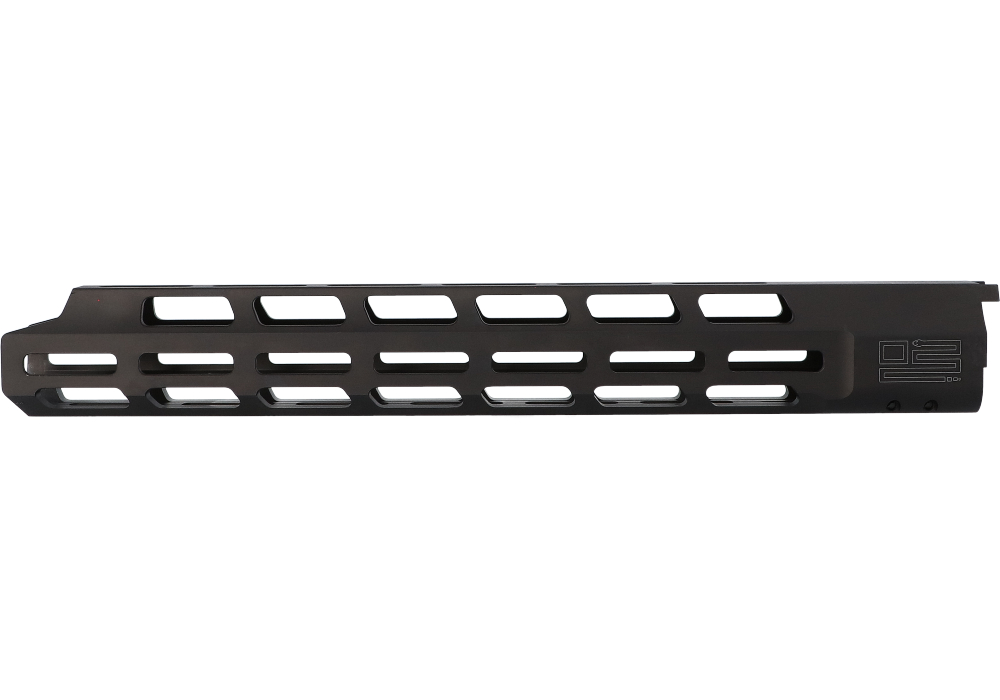
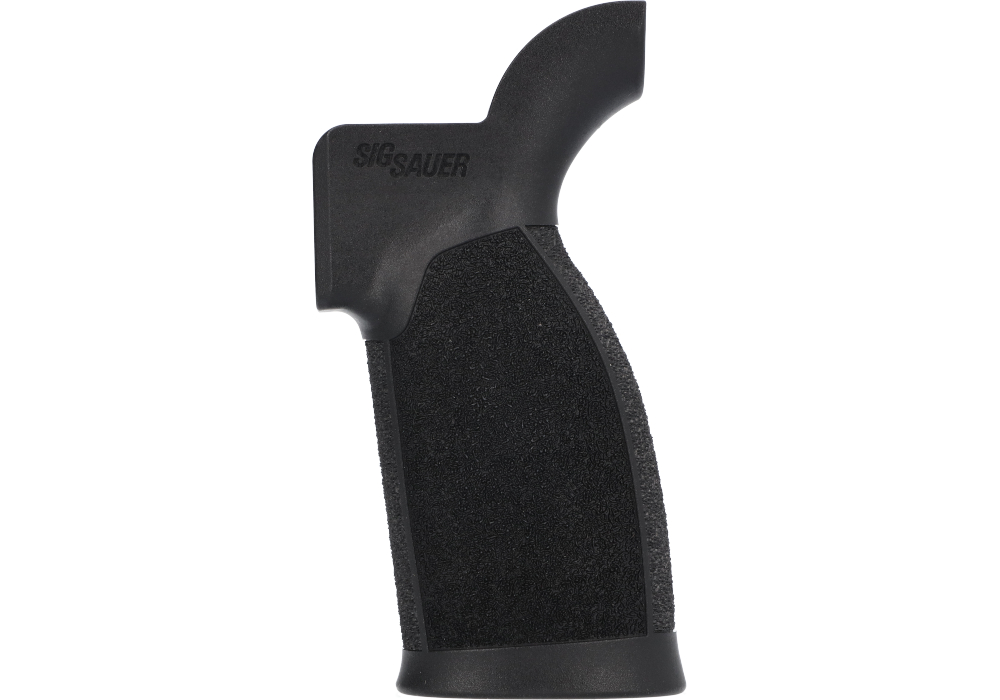
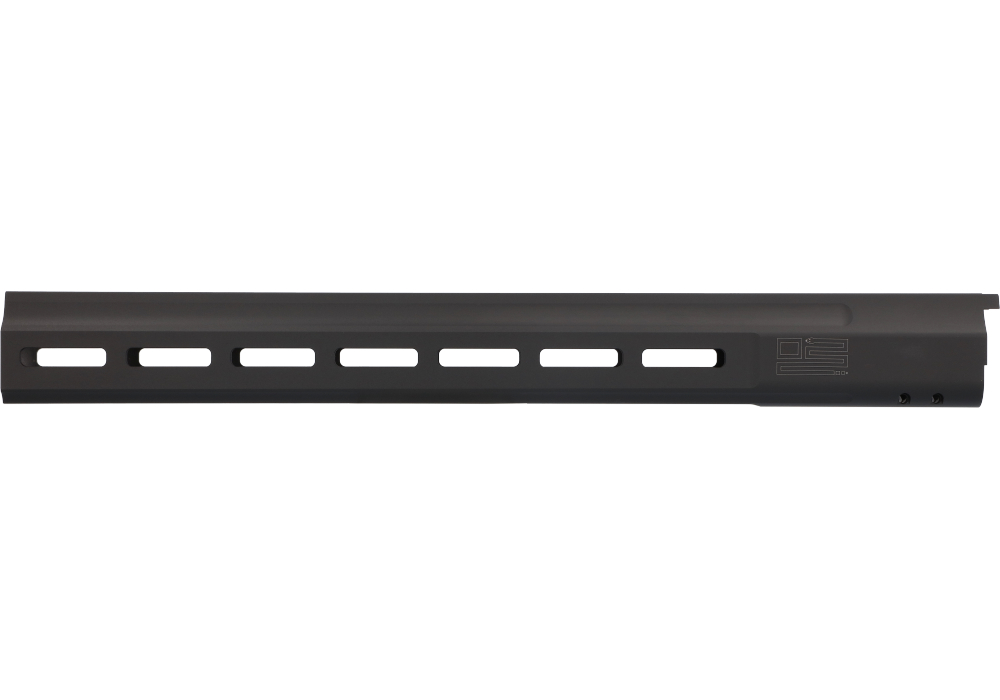
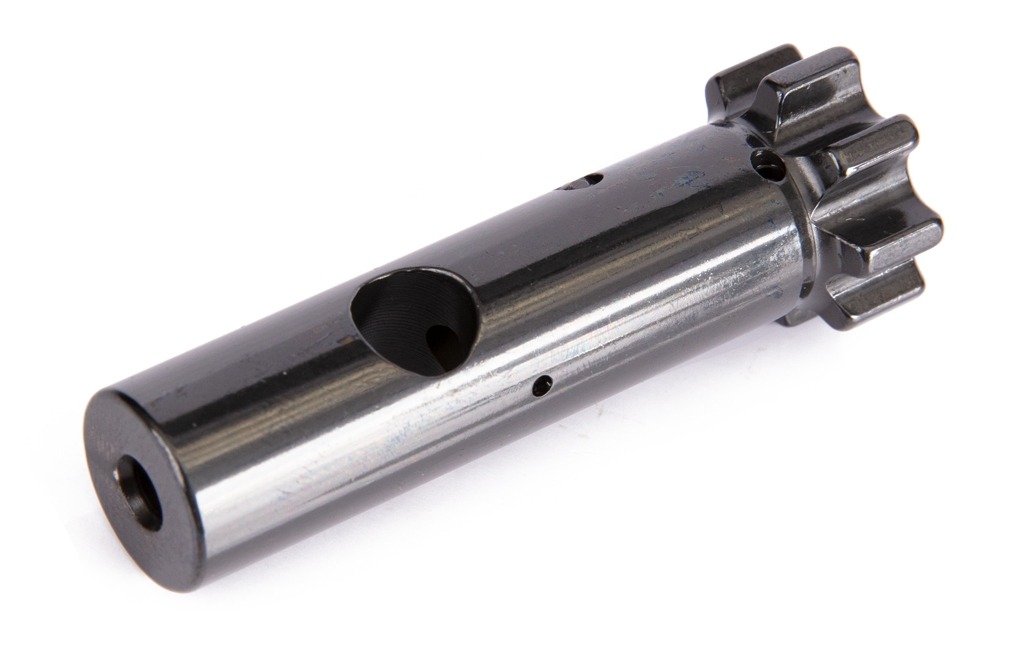
Rifle spare parts are replacement components used to maintain a rifle’s original configuration, address normal wear, and support manufacturer-recommended service. For recreational target shooters, hunters, competitive shooters, and owners who keep detailed maintenance records, the right replacement begins with an exact match to the firearm—not simply a similar appearance. Rifles within the same general platform can differ by model, production revision, dimensions, and factory configuration, so a familiar outline does not establish compatibility. Product descriptions, manufacturer documentation, and identifying information for the rifle provide a more dependable basis for selection. Where specifications are provided, details such as material, finish, dimensions, and intended application help distinguish components that might otherwise look alike in a photograph. A small difference that seems insignificant on a workbench can matter within a tightly fitted mechanical assembly. Replacement parts should support the rifle’s specified function rather than compensate for an unresolved mechanical problem or an uncertain diagnosis. A rifle with unexplained wear, inconsistent operation, or visible damage deserves inspection by a qualified gunsmith before replacement decisions are finalized. That distinction matters whether the firearm sees frequent range sessions or spends much of its time securely stored between outings. Spare parts serve practical ownership needs: replacing a worn component identified during inspection, supporting a scheduled service appointment, or keeping documented replacements organized for future maintenance. The most useful selection is therefore not necessarily the broadest assortment, but the one that corresponds to an identified rifle and a clear service requirement. Clear compatibility information also helps owners distinguish a routine replacement from work that belongs with a professional. At the parts counter or while reviewing an online listing, an exact model designation and the relevant manufacturer reference are more valuable than a guess based on appearance. This attention to fit keeps the focus on restoring the intended configuration and maintaining a clear record of what belongs with each firearm.
Materials and construction influence how rifle replacement parts withstand repeated use, routine cleaning, and contact with neighboring surfaces. Depending on the component’s purpose, manufacturers may specify steel, aluminum, engineered polymers, or other materials with particular mechanical properties. No single material is automatically the best choice for every location within a rifle. Strength, flexibility, weight, dimensional stability, and resistance to surface wear all matter differently according to the component’s role. Surface treatments can also serve practical purposes, including corrosion resistance and protection against friction-related wear, but a finish alone does not establish quality or suitability. The underlying material specification, dimensional accuracy, and compatibility with the intended assembly remain essential. A neat exterior can be reassuring, yet the more meaningful details are often found in the technical description and manufacturer’s service information. Edges, contact surfaces, and dimensions need to correspond to the original design; visual similarity is not a substitute for those requirements. Durability also depends on use and care rather than appearance alone. A rifle used for frequent practice may have different inspection needs from one used only occasionally, while exposure to dust, cleaning residues, and handling can affect how components should be evaluated. Maintenance intervals should follow the firearm manufacturer’s recommendations instead of assumptions about how long a replacement ought to last. Fresh wear marks, corrosion, deformation, or a change in fit can warrant professional assessment, particularly when the cause is unclear. Owners who log range use and service work have a useful reference when discussing those observations with a gunsmith. For a competition shooter, that record can support planned maintenance between events; for a recreational owner, it can keep occasional service needs from becoming guesswork. Thoughtful replacement is less about changing a rifle’s character than preserving the fit and function specified for it. A suitable component should be evaluated as part of the complete mechanical system, with attention to the condition of adjacent components and any manufacturer requirements for inspection or professional installation.
Careful organization gives rifle spare parts value long before they are needed. Original packaging, readable labels, and retained product information help prevent similar-looking components from becoming an anonymous collection in a drawer. In a household with more than one rifle, separating replacements by firearm and model can reduce confusion, especially when two components appear nearly identical. A compact service record can connect each replacement with its identifying reference, intended firearm, and any relevant inspection notes. That information is useful when arranging professional service, checking a past purchase, or deciding whether an unopened replacement still matches the rifle’s configuration. Storage should protect components from moisture, abrasive debris, and unnecessary contact with other metal objects, while following any material-specific guidance supplied by the manufacturer. Cleaning agents and protective treatments also deserve attention: a product suitable for one material or finish may not be appropriate for another. Before any inspection or maintenance, the rifle should be unloaded and handled according to its manufacturer’s safety instructions, with ammunition kept separate from the work area. Work beyond the owner’s training belongs with a qualified professional. For shoppers considering grouped maintenance components, Rifle Parts Kits provide a related category to evaluate alongside individual replacements; the contents and stated compatibility still need to match the intended firearm and service task. Neither an individual component nor a kit should be assumed to include everything a particular repair requires. Spare parts can also be a thoughtful gift for an experienced owner when the exact compatibility requirements are already known, although technical replacements are rarely a good place for a surprise selection. A recipient’s documented reference information is more useful than a general description of the rifle. Whether the purchase supports regular practice, responsible long-term ownership, or a planned visit to a gunsmith, the priorities remain consistent: verified fit, appropriate materials, traceable identification, and care that follows the firearm manufacturer’s instructions. Those details turn a small replacement into a practical part of maintaining equipment over time.