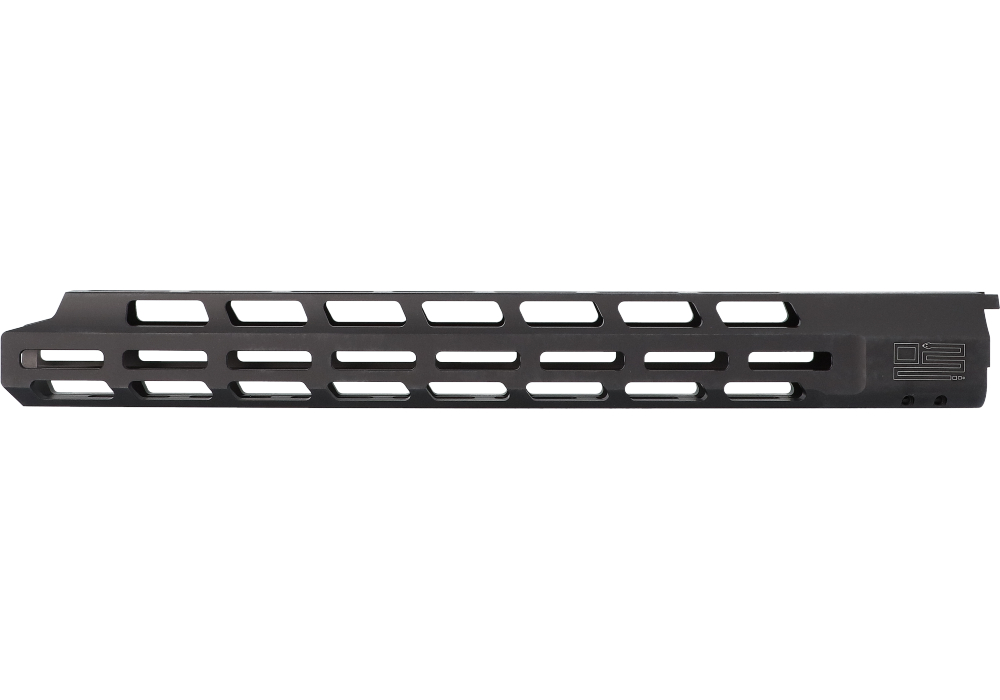
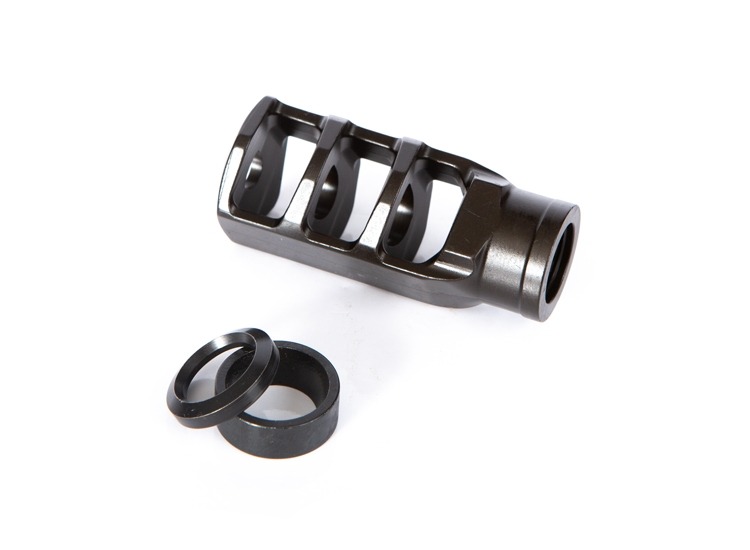
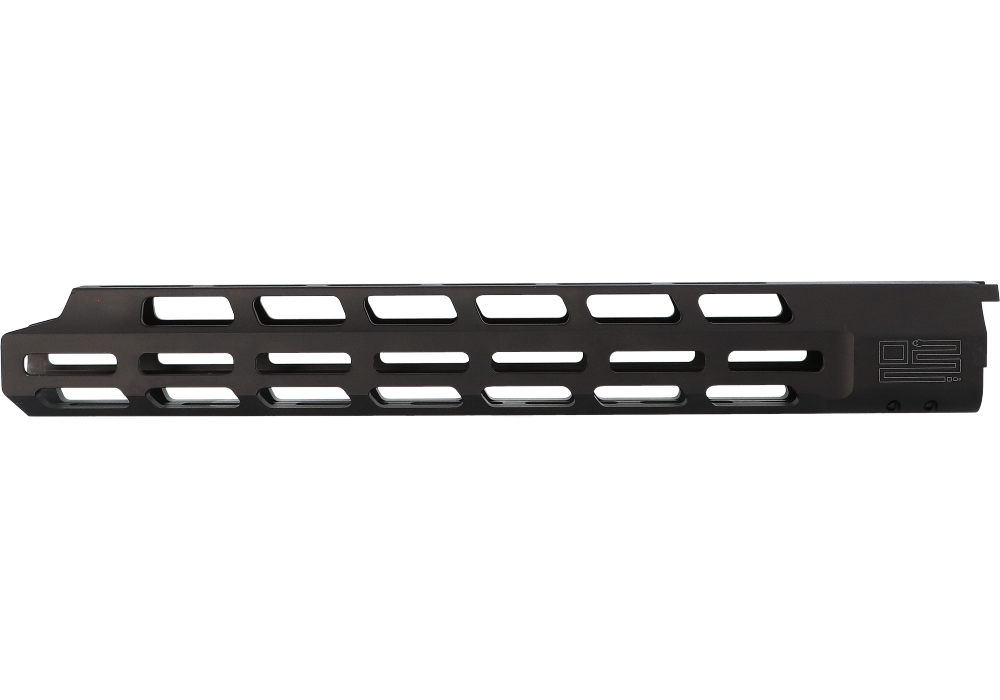
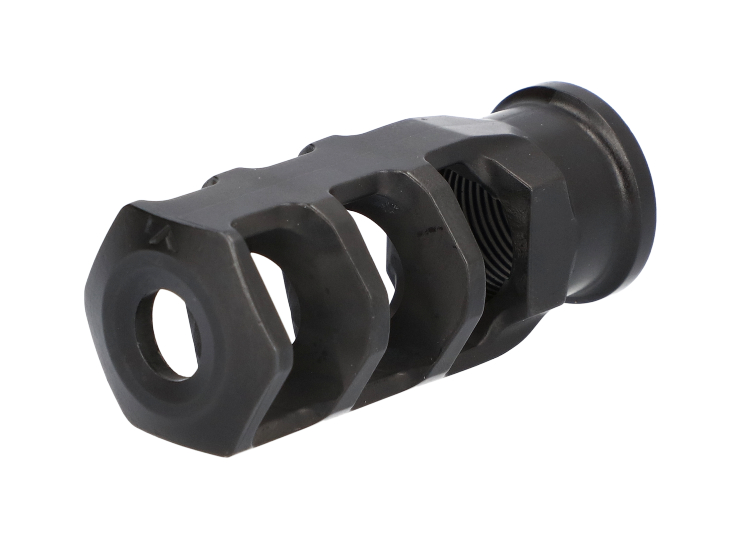
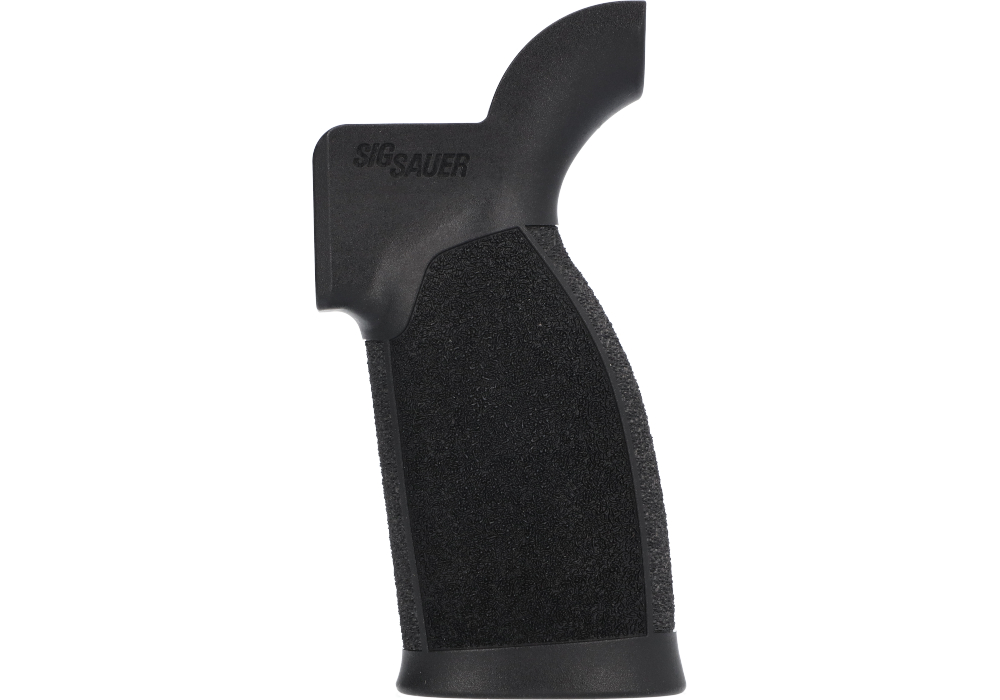
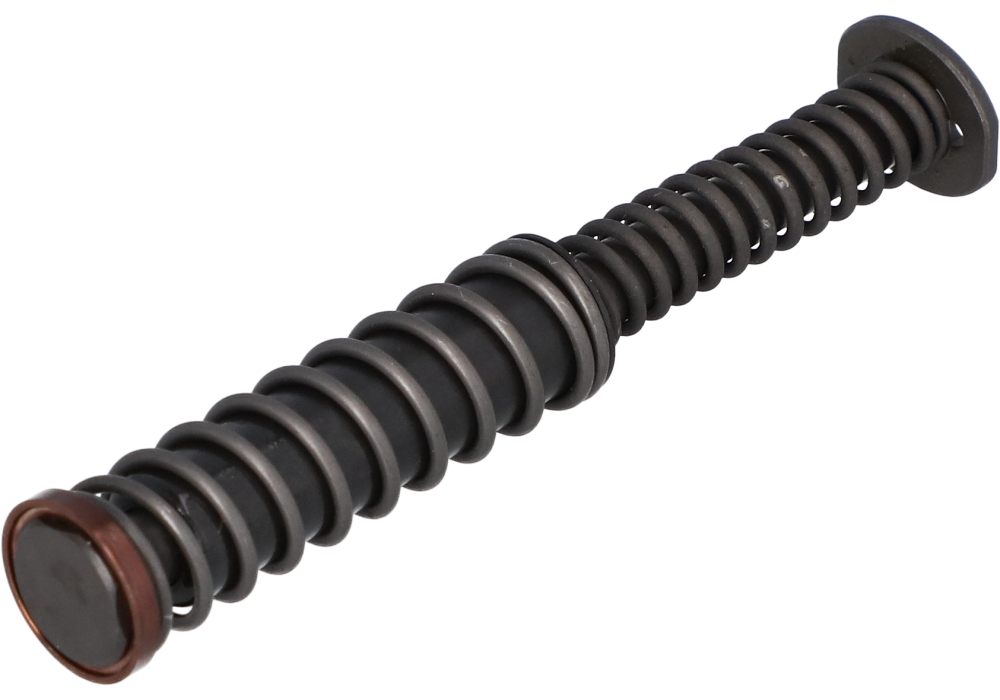
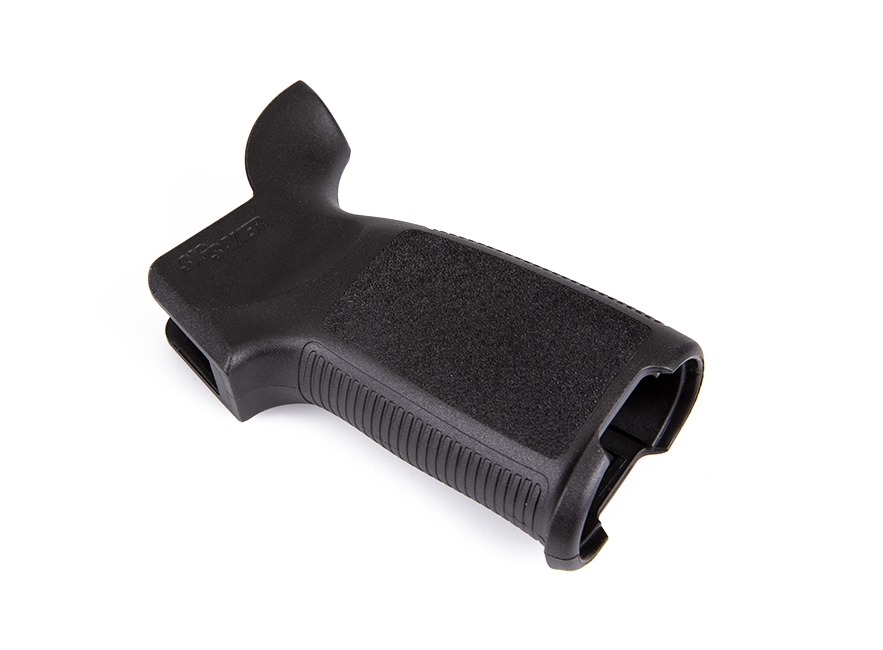
Rifle parts kits bring together the components needed to build, restore, repair, or maintain a rifle while typically excluding the serialized receiver or frame. For many enthusiasts, a kit offers a practical way to organize a project around compatible parts rather than sourcing every spring, pin, control, or small fitting separately. These kits may be intended for modern sporting rifles, historical restorations, field repairs, or armorer-level work, so the contents can vary considerably. Some focus on the lower receiver and may include fire-control components, takedown pins, detents, springs, controls, and related hardware. Others are designed around the upper assembly, with components such as a barrel, bolt carrier group, charging handle, handguard, or muzzle device. Shoppers comparing rifle parts kits should begin by identifying the exact rifle pattern, caliber, generation, and receiver configuration they are working with. Small differences in dimensions, interface standards, and compatibility can determine whether a component installs correctly or belongs in a different platform altogether. A kit described as compatible with one rifle family may not fit every variation within that family, particularly when manufacturers have changed specifications over time. It is also useful to review the listed contents carefully, since some kits are intended to complete a specific portion of a rifle while others are focused on replacement parts for routine maintenance. Those assembling a modern rifle may also want to explore Rifle Upper Kits when their project calls for a coordinated upper assembly rather than individual components. For a first-time builder, a complete and clearly documented kit can make inventory easier and reduce the chance of overlooking a small but essential part. Experienced owners may prefer a more specialized set that lets them tailor controls, furniture, or operating components to a familiar setup. In either case, a clean work area, good lighting, the correct tools, and a patient approach are just as important as the parts themselves. A tiny detent disappearing across a workbench is a familiar frustration, and organizing components in labeled trays before beginning can save considerable time.
Rifle parts kits are commonly used by hobbyists, competitive shooters, hunters, collectors, gunsmiths, and firearm owners who prefer to handle their own maintenance with the assistance of a qualified professional when needed. A replacement kit can be useful after extended range use, especially when wear appears on springs, pins, extractors, or other small components that experience repeated cycling. A restoration-oriented kit may help return an older rifle to a functional configuration while preserving the character of its original design. Military surplus and historical kits can be especially appealing to collectors because they may include period-specific furniture, controls, barrels, or other components connected to a particular service rifle or production era. These kits are often demilled, meaning the original receiver has been cut or otherwise rendered unusable, and completing the project generally requires additional components and specialized work. Surplus parts may show honest wear, storage marks, finish variation, or evidence of previous service, which can be part of their appeal but should be considered before purchase. Fit and condition may not be uniform, and some projects require inspection, refinishing, replacement components, or professional fitting. Headspace is a critical safety consideration on rifles where the barrel and bolt must be correctly matched; it should be checked with the proper gauges by a qualified gunsmith before the firearm is fired. This is not an area for guesswork or trial and error. Even a modern kit assembled from new components deserves a careful inspection to confirm that parts are correctly installed and that the rifle passes appropriate function and safety checks. Armorer’s tool kits are another category worth considering. Rather than supplying firearm components, these collections may include specialized punches, torque tools, receiver blocks, wrenches, gauges, cleaning accessories, and other equipment used for assembly or service. They can be a thoughtful gift for a mechanically inclined rifle owner, a new gunsmithing student, or someone setting up a dedicated bench during the cooler months. A well-organized tool kit has the same practical appeal as a quality range bag: it keeps important items together and ready for the next project, whether that project takes place at a home workbench, a club, or a professional shop.
Before purchasing rifle parts kits, confirm the legal requirements that apply to the intended project, the destination, and the specific components included. Under federal law, a serialized receiver or frame is generally treated as the firearm and must be transferred through a properly licensed dealer, while many unassembled parts may be shipped directly where lawful. The distinction is important, but it is not the only consideration. Federal, state, and local rules can differ, and some jurisdictions regulate unfinished receivers, build kits, rapid-conversion components, or particular configurations more strictly than others. Laws and agency interpretations can change, so buyers should review current requirements and consult a Federal Firearms Licensee or qualified legal professional when the classification of a component is unclear. It is also wise to check shipping restrictions, magazine rules, configuration requirements, and any registration or transfer obligations before placing an order. Parts compatibility deserves equal attention: verify caliber, barrel interface, gas-system length, receiver pattern, control layout, and manufacturer specifications instead of relying on a similar-looking photograph. If a kit contains used or surplus components, inspect them for corrosion, cracks, deformation, damaged threads, excessive wear, or missing hardware before installation. Keep receipts and product documentation, and do not modify a component in a way that could compromise safe operation or change its legal status. For projects involving fitting, headspacing, machining, or uncertain inspection results, a qualified gunsmith is the right resource. Rifle parts kits can support a wide range of responsible ownership goals, from keeping a familiar rifle maintained to preserving an interesting historical platform or preparing a well-equipped workbench for future service. Selecting a kit that matches the rifle, the owner’s experience, and the intended task helps make the project more organized, safer, and more satisfying from the first parts inventory through final inspection.