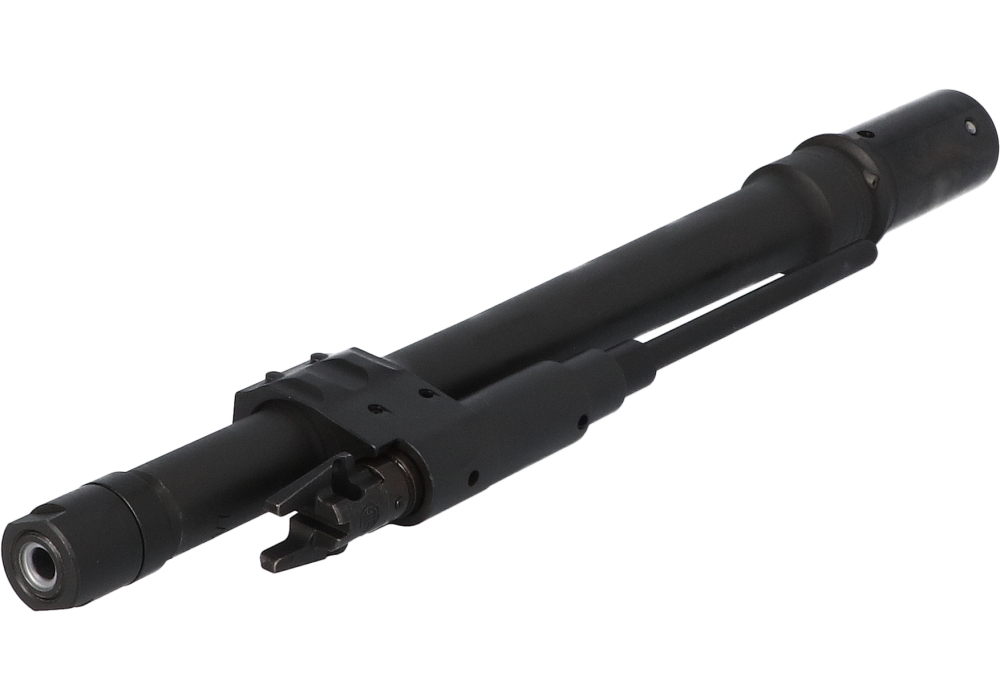
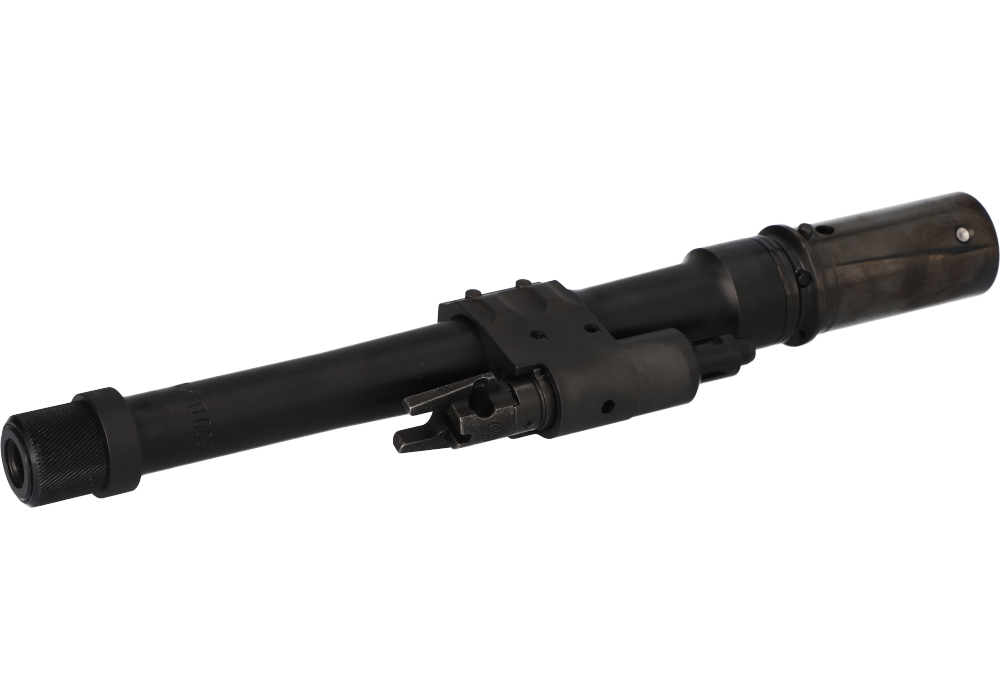
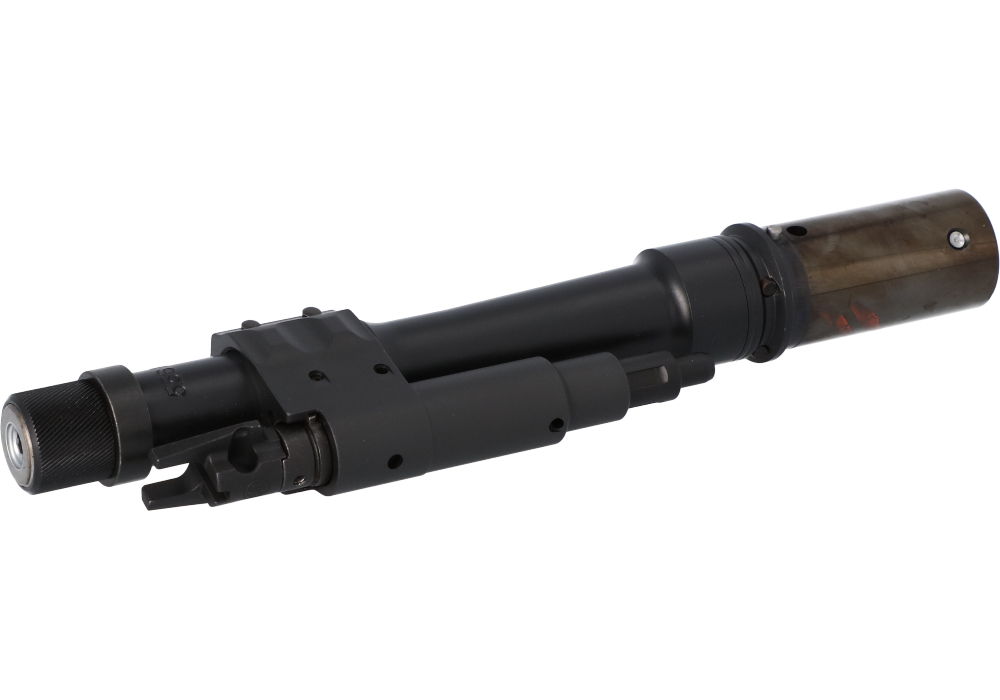
Rifle upper kits bring together the major components housed above the lower receiver, creating the portion of a rifle that chambers ammunition, contains the bolt and carrier, directs propellant gases, and supports the barrel and handguard. Depending on the configuration, a kit may include a complete upper receiver, barrel, gas block, gas tube, handguard, muzzle device, forward assist, and dust cover, while some packages also include the bolt carrier group and charging handle. Others are supplied as upper build kits with individual components intended for assembly. That distinction matters when comparing listings, since two kits may appear similar while requiring very different levels of preparation before use. A complete upper receiver assembly can be a practical choice for someone who wants a straightforward installation onto a compatible lower receiver, while an unassembled package may appeal to an experienced builder who already has a properly equipped workspace, a receiver vise block, torque tools, an armorer’s wrench, and the knowledge to verify every fit and specification. For a ready-to-pair selection in a common rifle caliber, explore 5.56 NATO Rifle Upper Assembly Kits. Before selecting any rifle upper kit, confirm the exact contents rather than relying on the product title alone. Pay particular attention to whether the bolt carrier group and charging handle are included, whether the muzzle device is installed, and whether the kit is intended for a forged or billet lower receiver with compatible dimensions. A careful compatibility check at the beginning can prevent the kind of frustration that turns a clean workbench into a spread of small parts, manuals, and measuring tools.
The barrel is often the first specification shoppers compare because it influences the rifle’s overall length, balance, handling characteristics, and ammunition compatibility. Common considerations include chambering, barrel length, twist rate, profile, material, and finish. A shorter barrel can make a rifle feel more responsive in confined spaces or while moving between positions, while a longer barrel may provide a steadier feel and can suit shooters who spend more time working from a bench or supported position. Barrel profile also affects weight distribution; a lightweight profile may carry easily during a long day outdoors, whereas a heavier profile can provide additional rigidity and a slower heat buildup during extended firing. Chamber markings should be read carefully, especially when comparing 5.56 NATO, .223 Remington, .223 Wylde, and .300 AAC Blackout configurations, since ammunition guidance and intended use are not interchangeable in every setup. The gas system is another defining feature. Pistol-, carbine-, mid-length, and rifle-length systems use different gas tube dimensions and can contribute to different cycling characteristics, so the gas system must match the barrel and gas block. A properly matched gas block should be installed and secured according to the manufacturer’s specifications, with alignment checked before the handguard is fitted. Handguards may use M-LOK, Picatinny, or another attachment interface, giving users options for mounting a sling, light, bipod, or other compatible accessories. The right choice often comes down to how the rifle will be carried and supported: a trim handguard can feel natural in the hands during a walk across uneven ground, while a longer rail may offer more usable mounting space for a carefully arranged setup. Every accessory adds weight and changes balance, so a sensible configuration usually starts with the essentials rather than filling every available slot.
Rifle upper kits can serve a wide range of responsible adult users, including first-time owners building a compatible rifle under qualified supervision, experienced shooters refreshing an older platform, hunters selecting a configuration suited to their equipment, and hobbyists who value the satisfaction of a carefully completed project. They may also be considered as a gift for an experienced firearm owner, particularly when the recipient has already identified a preferred caliber, barrel length, handguard style, and lower receiver pattern. Because compatibility is highly specific, a gift card or a conversation about preferred specifications can be more practical than choosing a kit without the recipient’s input. Buyers should review applicable federal, state, and local laws before ordering, and should confirm shipping, transfer, storage, and assembly requirements for their jurisdiction; regulations can differ substantially, and the fact that an upper component is generally not the serialized firearm under federal law does not eliminate other legal obligations or restrictions. Safe handling remains essential throughout installation and use. Any assembly should be performed with the firearm unloaded, ammunition removed from the work area, and the correct tools and manufacturer instructions close at hand. After assembly, qualified inspection and function checks should be completed before live firing, with particular attention to headspace, gas system alignment, fastener torque, bore obstruction, and the fit between the upper and lower receivers. During the cooler months or as outdoor conditions change, a rifle may encounter dust, moisture, temperature swings, and heavier use, making routine cleaning, lubrication, and inspection especially worthwhile. A well-matched rifle upper kit should feel like a natural extension of the lower receiver: secure at the takedown pins, balanced when shouldered, clear in its controls, and suited to the ammunition and accessories selected for the platform.