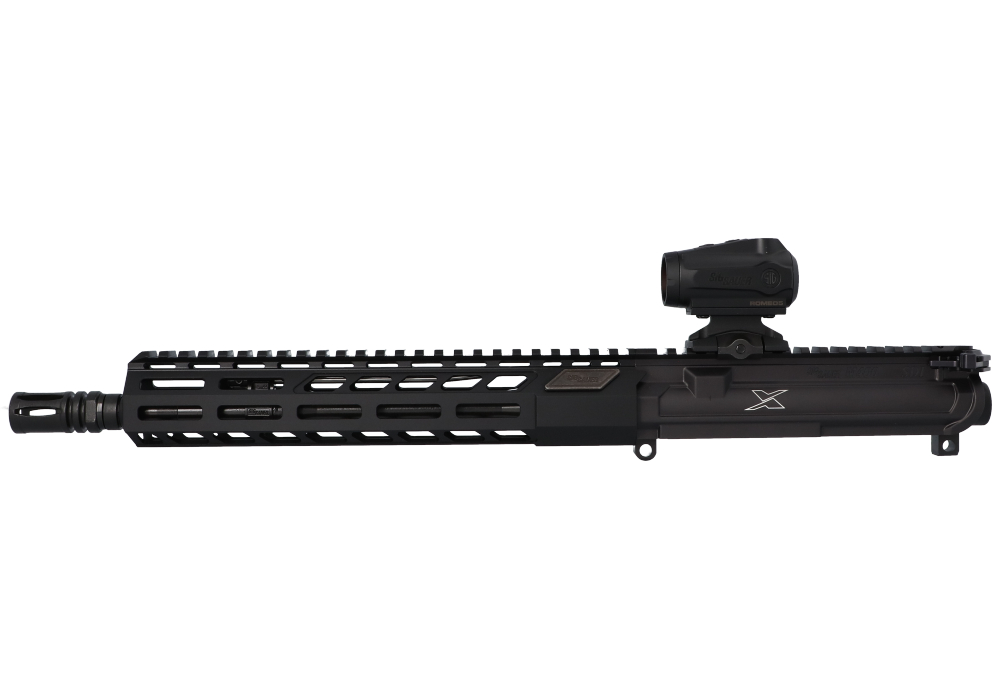
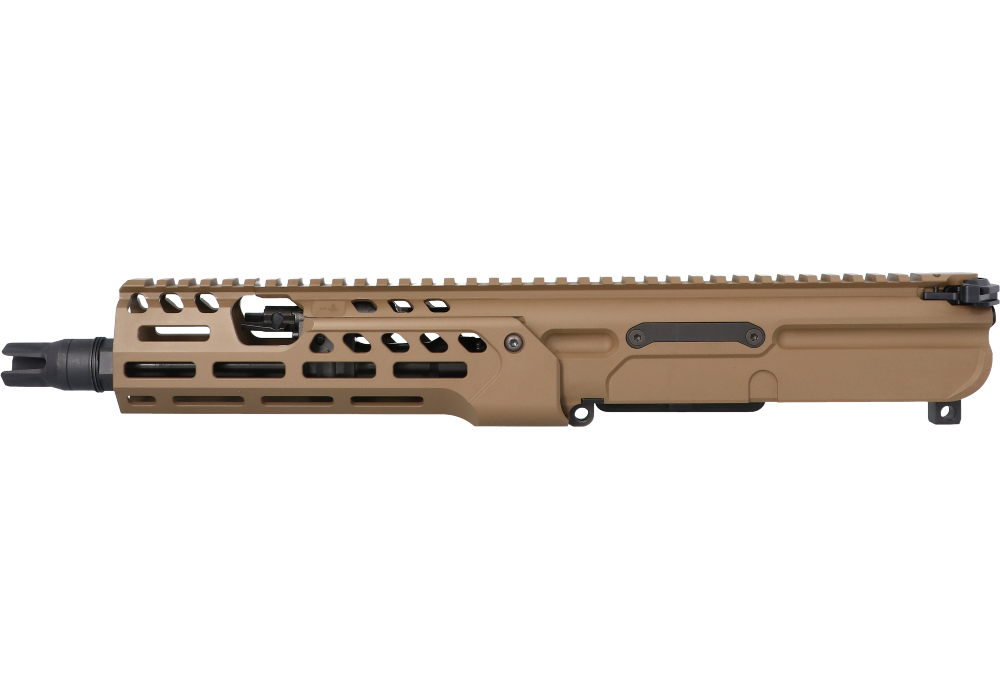
A 5.56 NATO rifle upper assembly kit provides the primary components for the upper half of an AR-platform rifle, making it a practical option for replacing an existing upper, configuring a new firearm with compatible parts, or tailoring a setup to a particular range, training, hunting, or recreational shooting preference. Depending on the configuration, a kit may include an assembled or stripped upper receiver, a 5.56 NATO-chambered barrel, a gas block and gas tube, a handguard, and a muzzle device. Some packages also include a bolt carrier group and charging handle, while others leave those components separate so the buyer can select them independently. Checking the exact contents before purchase is one of the most important steps, especially when comparing similarly described kits. A receiver may arrive with the forward assist and dust cover already installed, or those small parts may need to be added separately. Likewise, a muzzle device may be included, or the barrel may simply have the appropriate threaded muzzle ready for a compatible option. Product descriptions should be reviewed closely for barrel length, gas-system configuration, handguard style, receiver finish, and included hardware. For a broader selection of configurations, explore Rifle Upper Kits.
The barrel is often the first consideration because its length, profile, and chambering influence the overall handling characteristics of the completed rifle. Common 5.56 NATO barrel lengths include compact configurations around 10.5 inches, versatile 16-inch setups, and longer options around 18 inches. A shorter barrel can be convenient where maneuverability and reduced overall length matter, while a 16-inch configuration is a familiar, balanced choice for general-purpose range use. Longer barrels may appeal to shooters who prefer a steadier feel from a supported position. Buyers should confirm that the intended configuration complies with all applicable federal, state, and local requirements, particularly when considering shorter barrels or assembling a complete firearm. The gas system also deserves careful attention. Pistol-, carbine-, and mid-length systems are not interchangeable choices made only for appearance; the gas tube, gas block, barrel, and receiver configuration must be compatible. A low-profile gas block is commonly paired with a free-float handguard, while a fixed front sight or other sight arrangement may call for a different handguard design. Free-float handguards can provide useful space for mounting an optic, backup sights, a sling, or other accessories without placing pressure directly on the barrel. M-LOK and quad-rail patterns offer different approaches to accessory attachment, and the best selection often comes down to personal preference, existing equipment, and how the rifle will be carried or supported.
Compatibility extends beyond the large components. A 5.56 NATO upper should be matched with a compatible lower receiver and buffer system, and buyers should verify that the bolt carrier group is appropriate for the barrel and intended ammunition. The charging handle must match the upper receiver design, while the handguard must clear the gas block and leave adequate room for the chosen muzzle device. Some kits are ready to mount to a compatible lower receiver, while others are intended for more involved assembly and may require additional small parts. When a kit is not fully assembled, proper tools can include an armorer’s wrench, torque wrench, vise, receiver block, and other task-specific equipment. Careful assembly and inspection are essential, and anyone who is not familiar with the platform should use a qualified gunsmith rather than improvising with unsuitable tools. Even a seemingly minor issue, such as incorrect torque, an improperly fitted gas tube, or an incompatible bolt carrier group, can affect function and safety. A complete inspection should also confirm that the bore is clear, fasteners are secure, controls operate correctly, and the finished firearm is unloaded before any handling or testing. These kits can be a thoughtful choice for an experienced shooter who enjoys configuring equipment with purpose, or a practical gift for a knowledgeable firearm owner when the recipient’s existing lower receiver, preferred controls, and intended use are already understood. During the warmer and cooler parts of the year alike, a well-matched 5.56 NATO upper can move comfortably between bench work, informal range sessions, training practice, and supported field use. The most satisfying setup is usually the one selected patiently, with attention to specifications, compatibility, safe handling, and the way the rifle will actually be used.