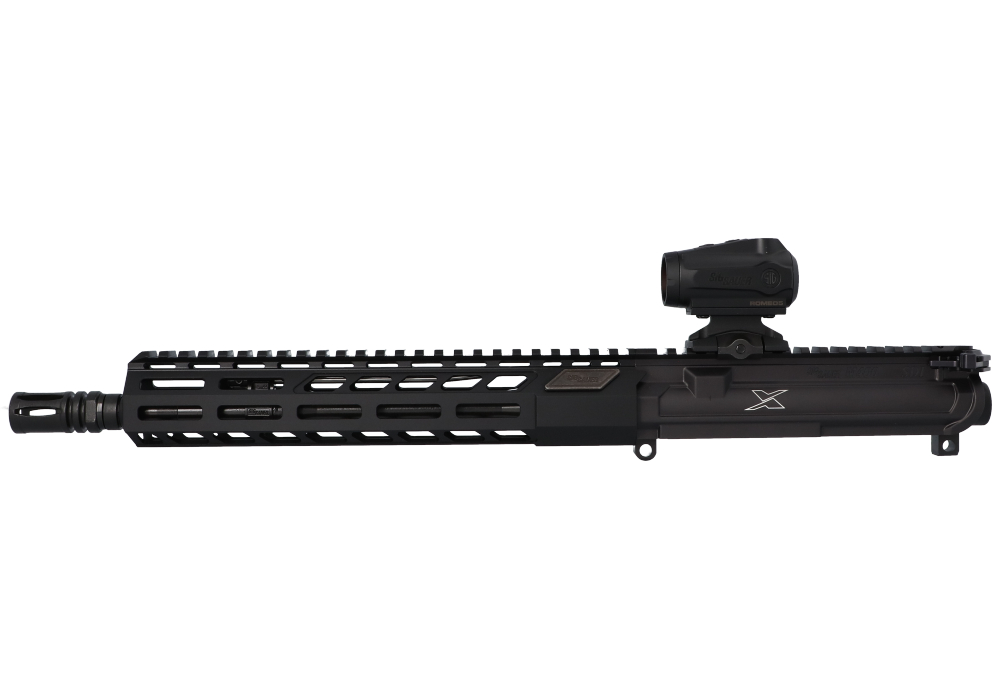
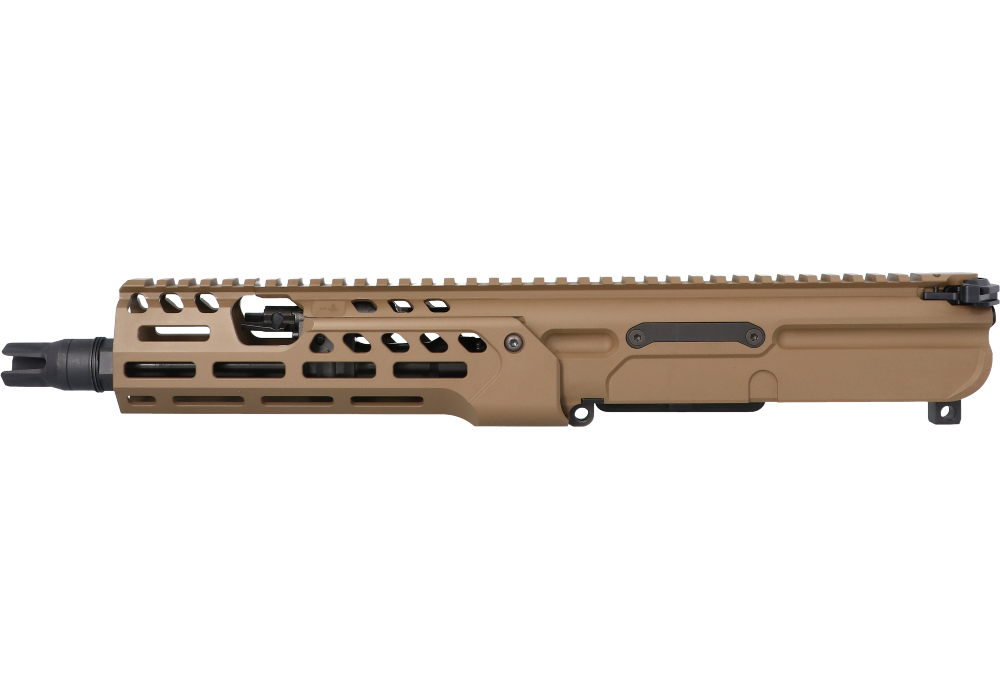
5.56 NATO upper receiver parts provide the foundation for configuring or maintaining the upper assembly of a compatible modern sporting rifle. Whether the goal is to complete a carefully planned build, refresh a well-used setup, or keep replacement components available for routine maintenance, each part contributes to the way the firearm handles, cycles, and performs. An upper receiver assembly generally brings together the receiver shell, barrel, bolt carrier group, charging handle, handguard, gas system, muzzle device, and smaller controls such as the dust cover and forward assist. Individual components may also be sold separately for customers who already have some of the necessary parts or who want to select each element around a specific use. Browsing the broader selection of Upper Receiver Parts can help shoppers compare compatible components before narrowing their choices to 5.56 NATO options. This caliber is widely used for recreational shooting, training, competition, varmint control where lawful, and general-purpose rifle configurations, making careful part selection especially important. A 5.56 NATO chamber is designed around 5.56x45mm ammunition, but chamber markings and ammunition compatibility should always be confirmed before use. The upper receiver must also be matched to a compatible lower receiver and operating system. Fit, finish, materials, and manufacturer specifications matter because the upper receiver houses the components that guide the bolt, support the barrel, and direct the cycling process. For a first-time buyer, a complete upper may simplify the purchasing process by bringing major components together. For an experienced enthusiast, separate parts allow more control over dimensions, controls, weight, and intended handling characteristics. In either case, product descriptions, technical drawings, and manufacturer instructions are valuable references, and any uncertainty about compatibility or installation is best addressed by a qualified gunsmith.
Barrel selection is one of the most important considerations when comparing 5.56 NATO upper receiver parts. Length influences overall balance, portability, sight radius on configurations that use traditional sights, and the way the rifle feels when carried or shouldered. A compact setup may be convenient around tight benches, vehicles, or dense cover where lawful, while a longer barrel can provide a steadier feel and may suit deliberate range work. Barrel profile also affects weight distribution and how the rifle handles during extended practice. Rifling twist rate should be considered alongside the bullet weights a shooter expects to use, with the appropriate choice confirmed through the barrel and ammunition specifications rather than guessed from appearance alone. The gas system must correspond with the barrel and operating design, including the gas block, gas tube, and related hardware. These parts work together by directing expanding gases back toward the bolt carrier group, so correct dimensions and fit are essential. The bolt carrier group should be selected for the intended 5.56 NATO configuration and inspected for the essential bolt, extractor, firing pin, and cam pin components. A properly matched charging handle provides a consistent way to manually retract the bolt carrier group, while a compatible handguard protects the support hand and offers mounting space for accessories. M-LOK and Picatinny interfaces are common, but they are not interchangeable in every application; accessory mounts, sling hardware, lights, and sights should match the interface provided. Weight is another practical consideration. A rifle assembled for long sessions at a bench may be comfortable with a different balance than one carried over uneven ground during a cooler-season outdoor outing. Small differences in rail length, handguard contour, and accessory placement can change the way the rifle rests in the hands, much like the difference between a balanced tool and one that feels front-heavy after an hour of work.
Muzzle devices and smaller upper components deserve the same attention as the larger parts. A flash hider, muzzle brake, or compensator may serve different purposes, and the choice should reflect the shooter’s intended use, local regulations, barrel threading, and the presence or absence of other muzzle-mounted equipment. Thread specifications must match precisely; forcing an incompatible device onto a barrel can damage components and create an unsafe condition. Dust covers help shield the ejection-port area from debris during storage and transport, while forward assists are included on some configurations as a manual control for seating the bolt when appropriate. These parts may be small, but they are easy to overlook when planning a build or replacing worn hardware. Buyers should compare receiver and handguard interfaces, barrel chambering, gas-system length, muzzle threads, bolt carrier group specifications, and the intended lower-receiver compatibility before placing an order. It is also wise to confirm whether a listing includes the small installation hardware needed for the selected configuration, since a visually complete assembly may still require separate pins, screws, springs, or retainers. These parts can make thoughtful gifts for an experienced shooter, competitive participant, hobbyist, or family member who enjoys maintaining a compatible rifle, although gift-givers should confirm local laws, age requirements, and the recipient’s preferred specifications before purchasing. A gift card or a conversation about a preferred configuration may be more practical than guessing at a barrel length or rail interface. For anyone preparing for range time as the weather shifts from warmer days to cooler months, a methodical inspection is worthwhile: check that components are correctly matched, verify that the firearm is unloaded before handling, read all manufacturer instructions, and use qualified professional assistance for fitting or installation when needed. Properly selected 5.56 NATO upper receiver parts can support a dependable, personalized setup while leaving room for future changes as a shooter’s experience, equipment, and lawful activities evolve.