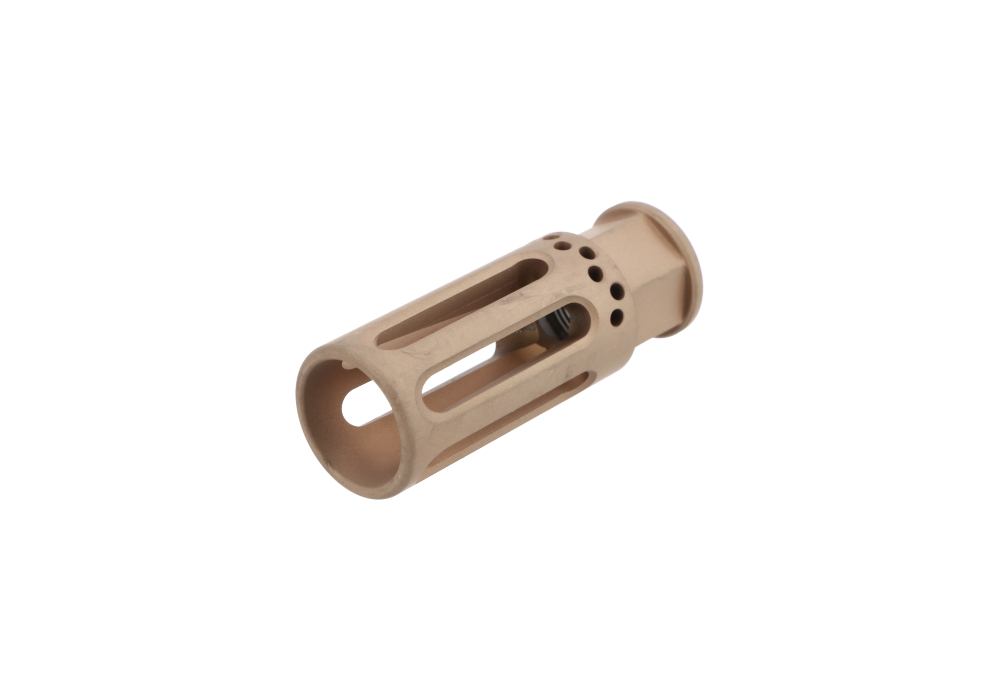
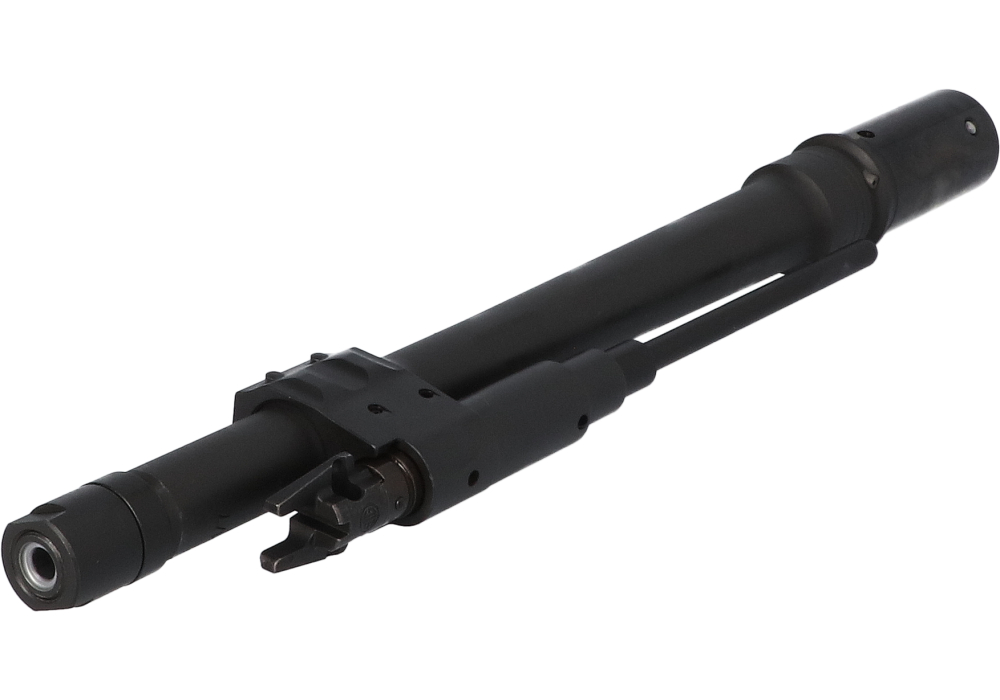
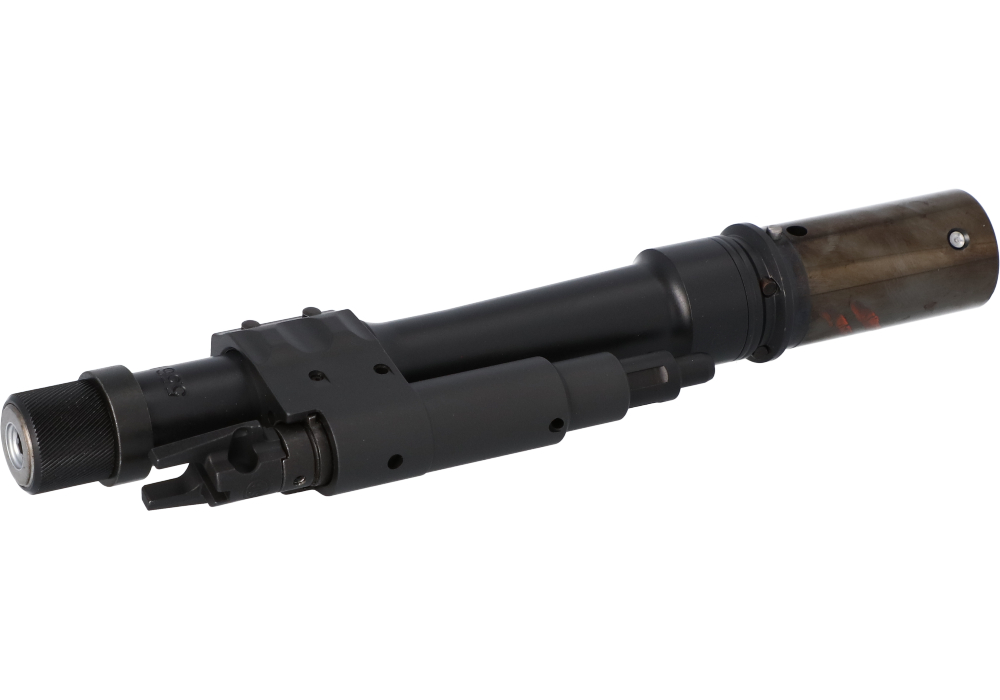
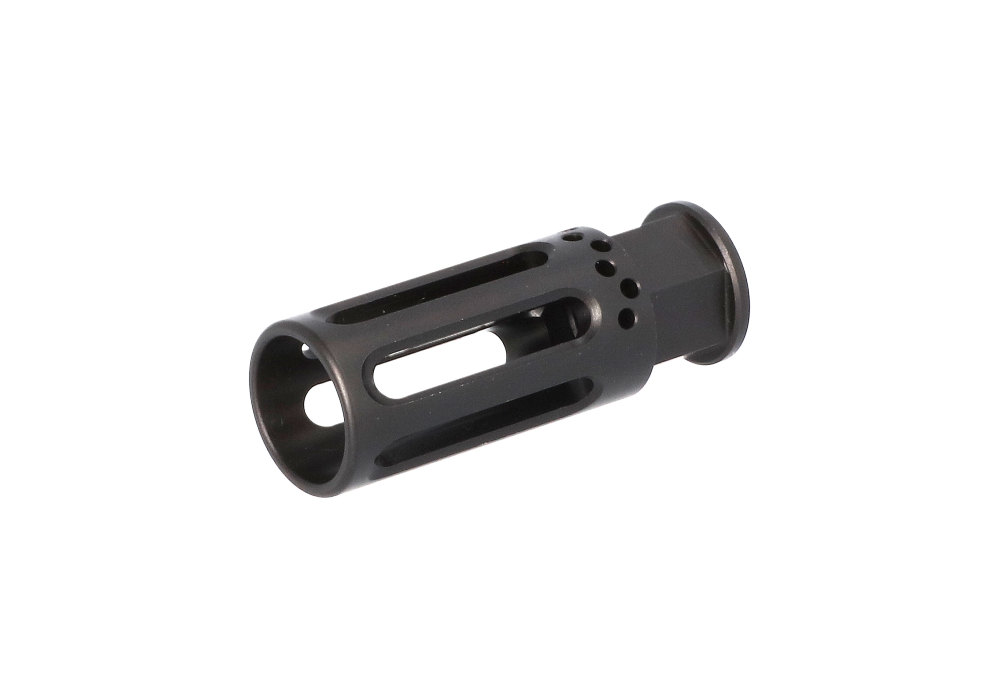
Upgrading a 5.56 NATO rifle can be a practical way to improve handling, sight acquisition, comfort, and overall usability without replacing an entire firearm. The right 5.56 NATO rifle upgrade parts depend on the rifle’s configuration, the shooter’s experience, and the intended role of the platform. A rifle used for recreational range sessions may benefit from a comfortable stock, improved grip, adjustable sling, or clearer sighting system, while a rifle kept for personal protection may call for dependable illumination, intuitive controls, and a setup that can be operated confidently in low-light conditions. Before selecting components, verify the rifle’s pattern, interface, and dimensions, since parts that appear similar may not be interchangeable. Pay close attention to mounting standards, handguard dimensions, gas-system compatibility, receiver fit, buffer-system specifications, and the manufacturer’s installation requirements. A well-matched upgrade should feel like a natural extension of the rifle rather than an unnecessary addition. Shooters often get the best results by addressing the points they interact with most: the stock and grip for a consistent hold, the trigger for a predictable firing experience, the charging handle and safety selector for easier manipulation, and the optic or sight for faster, more precise aiming. Those who are assembling or refreshing the front half of a rifle can also review 5.56 NATO Upper Receiver Parts to help identify compatible components for the upper receiver assembly.
Optics and sights are among the most noticeable 5.56 NATO rifle upgrades because they influence every shot and every transition between targets. A compact red dot sight can support quick aiming at common range distances, while a low-power variable optic can offer added flexibility when a shooter wants a wider field of view at close range and more magnification for careful accuracy work. Whichever style is selected, the mount should be secure, appropriately matched to the optic, and positioned so the shooter can obtain a consistent cheek weld. A weapon light can be valuable for positive identification in dim interiors, around a property, or during outdoor activities that continue into the cooler months; light output, activation method, battery access, and mounting location all deserve consideration. Slings are another useful upgrade, particularly for training, range transport, and practical movement. A two-point sling can help retain the rifle while leaving both hands available, and adjustable hardware makes it easier to move between supported and ready positions. Controls such as ambidextrous charging handles and safety selectors may be especially useful for left-handed shooters, shared rifles, or anyone practicing manipulation from different shooting positions. Triggers should be selected with care, balancing a clean, consistent pull with the shooter’s ability to operate the rifle safely under stress. Stocks, grips, handguards, rail sections, and fore-end accessories can further tailor reach, balance, and comfort. During long range sessions, small improvements in ergonomics often become the details a shooter appreciates most, especially when cold weather, gloves, or extended time on the firing line make controls harder to reach.
When prioritizing 5.56 NATO rifle upgrade parts, begin with the rifle’s primary use, then establish a realistic budget and make changes in stages. A range-focused setup may place greater emphasis on sight quality, trigger control, and comfortable support, while a home-defense-oriented configuration should remain simple, reliable, and easy to operate without adding accessories that create snag points or unnecessary complexity. Hunters and outdoors users may favor a lightweight configuration, a durable optic, a dependable sling, and controls that remain usable when wearing layers or gloves. Upgrades can also make thoughtful gifts for an experienced shooter when the recipient’s rifle model, preferred mounting system, and intended use are known; consumable items and broadly compatible accessories are often easier to choose than highly specific internal components. Always confirm fitment before purchase, and consult the firearm and component instructions for installation, maintenance, and inspection procedures. Any modification that affects the fire-control system, receiver assembly, barrel interface, gas operation, or safety function should be installed or checked by a qualified professional when appropriate. Responsible ownership also includes following all applicable federal, state, and local laws, observing range rules, storing firearms and ammunition securely, and confirming that an upgraded rifle functions safely before regular use. With careful selection, compatible parts can refine the rifle’s balance and controls while preserving the dependable, familiar handling that makes the 5.56 NATO platform popular for training, recreation, competition, and responsible defensive preparation.