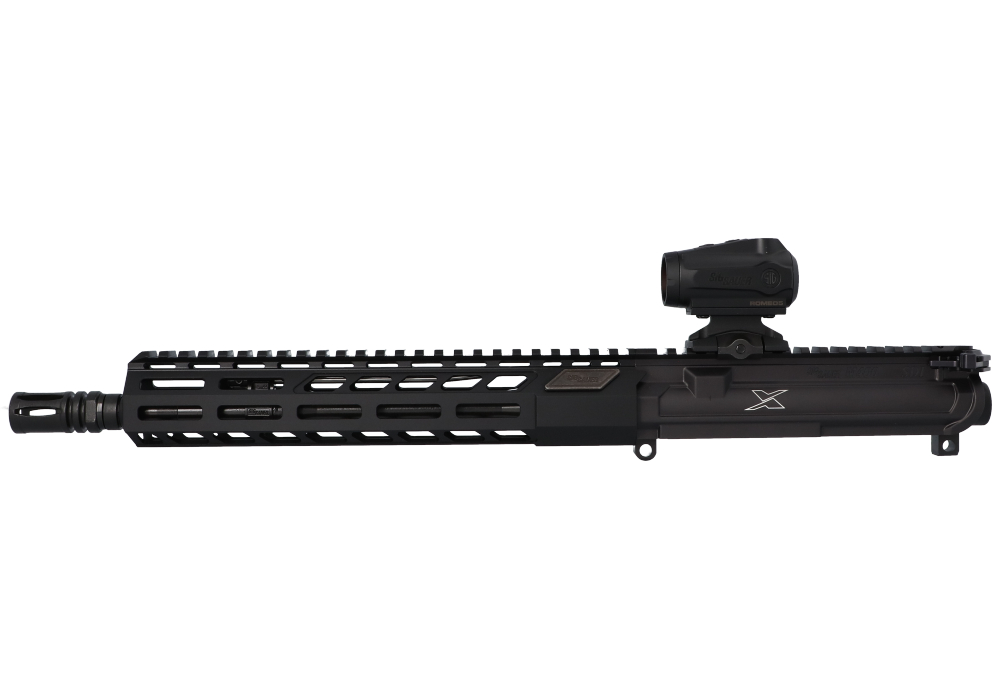
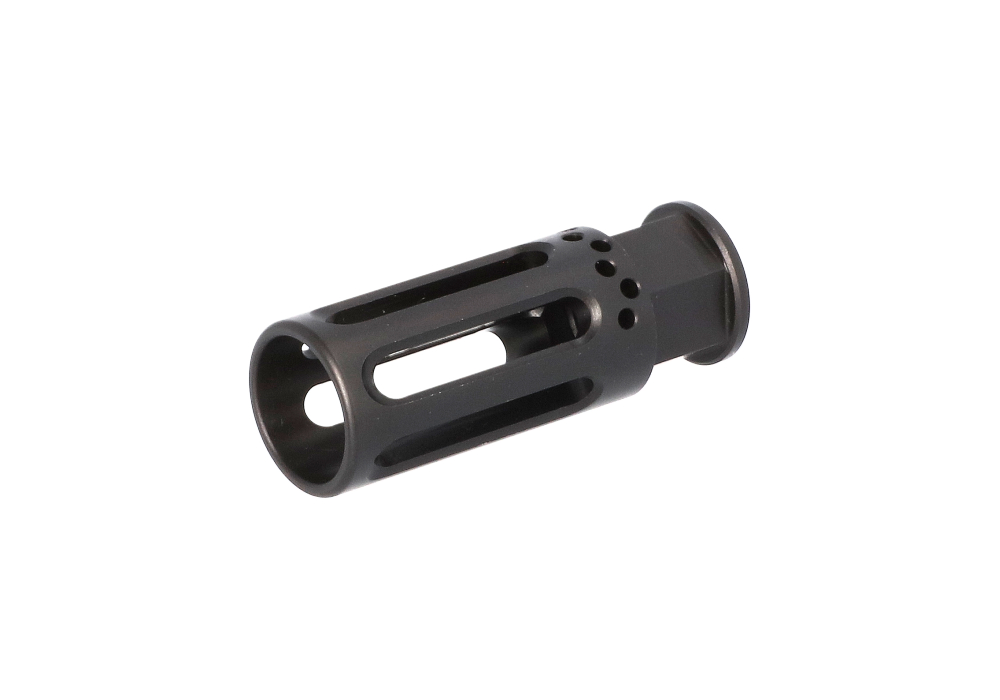
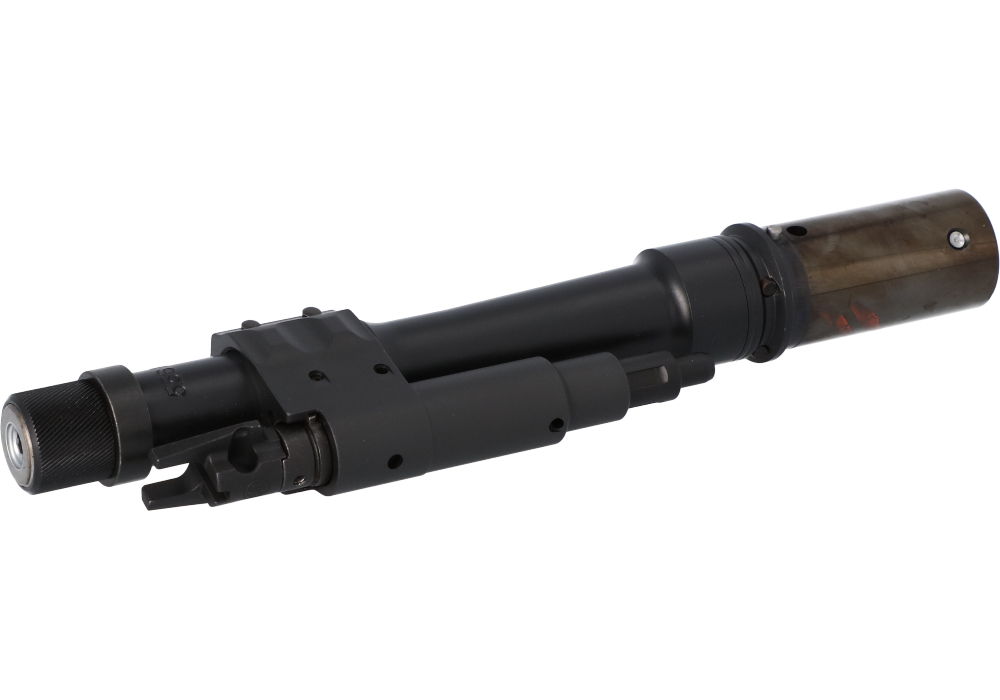
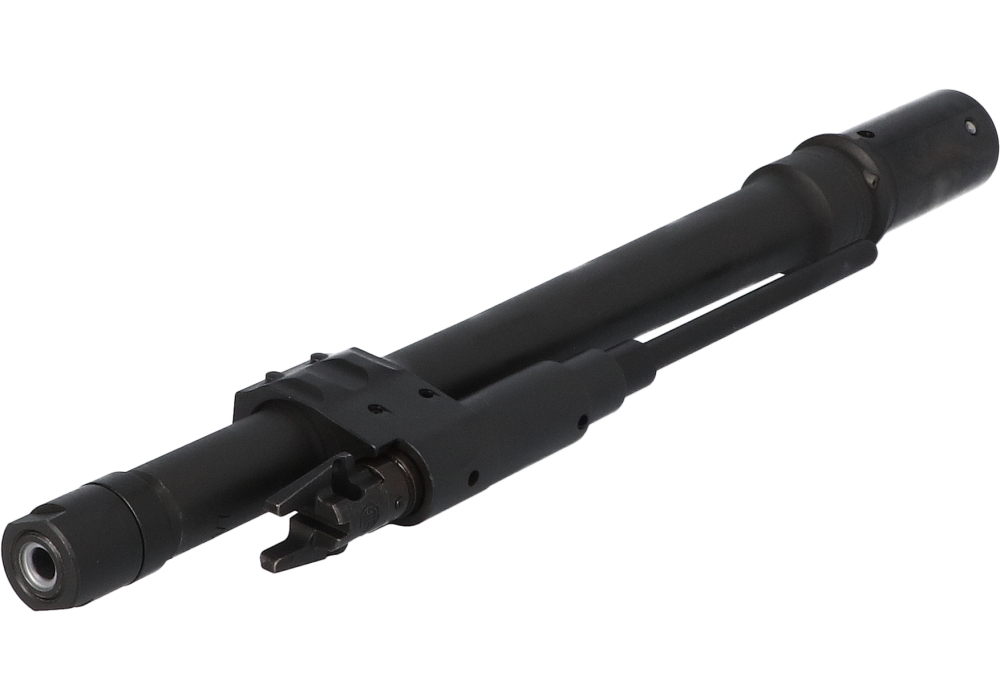
5.56 NATO rifle parts kits provide a practical starting point for assembling, maintaining, or refreshing a modern sporting rifle around a separately purchased lower receiver. Depending on the configuration, a kit may combine an upper receiver assembly, barrel, handguard, bolt carrier group, charging handle, muzzle device, lower parts kit, buffer tube assembly, pistol grip, and stock or brace. Some packages are designed as broad build solutions, while others focus on replacement components for a rifle that already has a compatible foundation. The most important first step is confirming exactly what the kit includes and which components must be sourced separately. A stripped lower receiver is the serialized portion of the firearm and is generally purchased through a Federal Firearms License dealer, subject to applicable federal, state, and local requirements. Buyers should also verify that the kit is intended for a standard AR-pattern platform, since dimensions, interfaces, and component compatibility can vary between rifle configurations. For those comparing options, consider whether the goal is a complete build, a straightforward parts replacement, a training rifle setup, or a more tailored configuration for range use. A kit that includes matched upper components and a compatible bolt carrier group can simplify the selection process, while an individual replacing worn parts may prefer a more focused package. Product descriptions should be reviewed carefully for barrel length, gas-system configuration, handguard mounting pattern, stock or brace type, and included controls. Keeping a simple checklist beside the workbench can prevent the common frustration of discovering that one small spring, pin, or receiver interface does not match the rest of the build.
Chambering and component specifications deserve particular attention when selecting 5.56 NATO rifle parts kits. A barrel marked for 5.56 NATO is generally designed around that cartridge and may also accommodate .223 Remington ammunition, but the reverse should not be assumed without consulting the manufacturer’s specifications. Twist rate, barrel profile, length, and muzzle-thread pattern all influence how a rifle fits its intended role and which accessories will work with it. A lighter profile may be comfortable during extended range sessions, while a more substantial profile can suit users who prioritize sustained durability. Handguards vary in length and attachment system, so they should be matched to the gas system and barrel arrangement rather than selected by appearance alone. The bolt carrier group should be compatible with the chambering and receiver pattern, and the charging handle should offer the fit and handling characteristics expected by the user. Lower parts kits typically include the fire-control components, safety selector, magazine catch, takedown pins, and related hardware, but contents differ from one package to another. Buffer tube assemblies may include a receiver extension, buffer, spring, end plate, and castle nut, although buyers should confirm whether the stock or brace is included. Magazine compatibility also matters: select magazines designed for 5.56 NATO or .223 Remington ammunition and ensure their capacity complies with local law. A careful review of technical specifications before ordering is much like laying every tool on a bench before beginning a repair; it makes missing pieces easier to spot and keeps the project organized. Those seeking replacement-oriented components can also explore 5.56 Nato Rifle Replacement Kits when refreshing an existing platform.
These kits can appeal to experienced builders, recreational shooters, instructors, competitive participants, and responsible owners who want a consistent way to replace aging or damaged components. They may also be considered as a gift for an adult enthusiast, but firearm-related gifts require thoughtful attention to lawful transfer requirements, age restrictions, and the recipient’s preferences; giving a parts kit does not remove the need to follow applicable regulations. For someone spending cooler days at an outdoor range, a well-matched kit can support a familiar training setup, provide a spare configuration, or make it easier to keep commonly replaced parts together. Before use, every assembled or serviced firearm should be inspected by a qualified professional or gunsmith when the owner is uncertain about fit, function, or installation. The finished rifle should be checked for safe operation, proper component engagement, and compatibility with the selected ammunition, followed by function testing in a controlled environment that follows all range rules. Owners should use appropriate eye and hearing protection, keep the firearm pointed in a safe direction, and store it unloaded and secured when not in use, with ammunition stored responsibly and separately where required. Local laws may govern magazine capacity, stock or brace configurations, barrel features, transportation, and the transfer of serialized receivers, so those requirements should be confirmed before purchase. Whether the aim is a first carefully planned build or a dependable refresh of a familiar rifle, choosing compatible parts, documenting what is included, and treating every component as part of a complete system helps create a safer, more satisfying ownership experience through every season.