When refining a 7.62 NATO rifle, the most useful upgrades are the ones that support the way the rifle is handled, carried, and maintained in real use. This cartridge is valued for its reach, energy, and broad availability, yet rifles chambered for it can vary substantially in receiver dimensions, operating systems, barrel profiles, gas arrangements, and magazine patterns. Before selecting any part, confirm the exact rifle model and technical pattern, then verify compatibility with the manufacturer’s specifications or a qualified gunsmith. Parts intended for one large-frame platform may not fit another, even when both rifles use 7.62 NATO or .308 Winchester ammunition. A careful upgrade plan can address several practical goals, including improved handling, more consistent trigger control, reduced felt recoil, better balance, and a more comfortable fit for the individual shooter. Start with the rifle’s intended role. A field rifle carried over uneven ground may benefit from lighter furniture, a secure sling setup, and controls that are easy to reach while wearing gloves. A range-oriented rifle may place greater emphasis on a stable stock, a crisp trigger, a rigid handguard, and a muzzle device that helps the shooter stay on target for follow-up shots. For a rifle used across several seasons, corrosion-resistant finishes, protected adjustment points, and durable materials can be especially valuable as temperatures shift and outdoor conditions become less predictable.
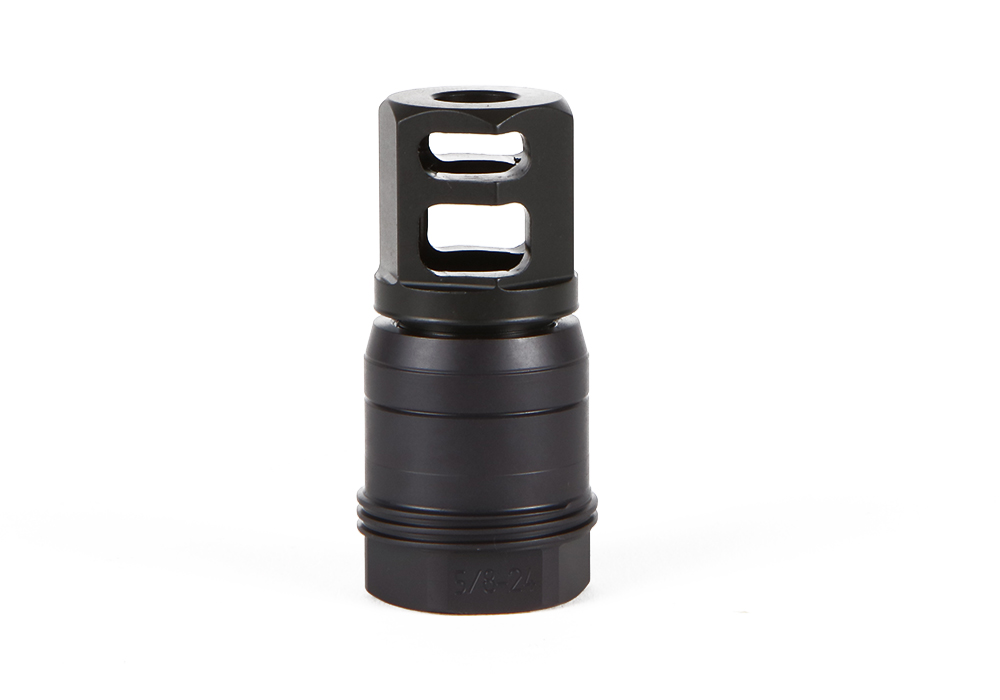
Muzzle devices, barrels, gas-system components, triggers, controls, buffer assemblies, stocks, grips, handguards, and mounting hardware each influence the rifle in a different way. A muzzle brake can help manage rearward movement, while a flash hider may be selected for a lower-profile appearance and reduced visible signature in low-light settings. Suppressor-compatible mounts can provide another option for experienced owners who operate within all applicable laws and understand the added requirements of sound-suppressor use. Barrel selection involves more than length alone: profile, twist rate, chamber specifications, material, and finish all affect balance, heat management, and accuracy potential. Gas blocks and related components should match the barrel and operating system, with installation checked carefully to support reliable cycling. Trigger upgrades may provide a cleaner break and more predictable reset, but the trigger must remain appropriate for the rifle’s purpose and handled by a qualified person when installation or adjustment is complex. Enhanced safety selectors, magazine releases, charging handles, and other controls can improve access and ergonomics without changing the rifle’s basic role. Recoil-system components may help tune cycling and soften the impulse, though spring, buffer, gas, and ammunition choices should be considered together rather than in isolation. Furniture also deserves close attention. An adjustable stock can help align the eye with an optic and accommodate different clothing layers during the cooler months, while a properly shaped grip may reduce hand fatigue during a long practice session. Handguards with practical attachment points allow owners to position a sling, bipod, or light where it supports their natural shooting position. For shooters exploring related rifle configurations, the 7.62 X39 Upgrades collection offers a separate path to review components for that cartridge family.
A thoughtful purchase begins with a written list of the rifle’s current configuration, the desired improvement, and any limitations imposed by local regulations, range rules, or intended storage. Measurements such as receiver pattern, barrel interface, gas-system length, thread specification, and mounting standard can prevent costly compatibility mistakes. It is also wise to consider the complete system rather than selecting parts based only on appearance. A heavier barrel may improve steadiness from a bench but add noticeable weight during a long walk. A very compact setup may feel quick in tight spaces while producing more blast and a sharper recoil sensation. An adjustable stock can improve fit, but its length and cheek support should work with the chosen optic, sling, and shooting position. Installation is another important consideration: some external accessories may be straightforward for an experienced owner, while barrel, gas, trigger, and recoil-system work may call for a qualified gunsmith, proper gauges, and platform-specific tools. After any significant change, function checks and careful range testing should take place in a controlled setting, using the correct ammunition and observing the rifle for reliable feeding, ignition, extraction, and cycling. Keep the owner’s manual, installation instructions, and service information with the rifle, and store all components securely when not in use. These parts can also be a practical gift for an experienced 7.62 NATO rifle owner when the recipient’s exact platform and preferences are known; a gift card or accessory selected from a confirmed specification is often more useful than a part chosen by guesswork. Whether the goal is a more comfortable fit for hunting conditions, steadier control from a bench, or a dependable setup for regular training, the best 7.62 NATO rifle upgrade parts are those that complement the rifle’s existing design and help the owner use it with confidence, consistency, and care.