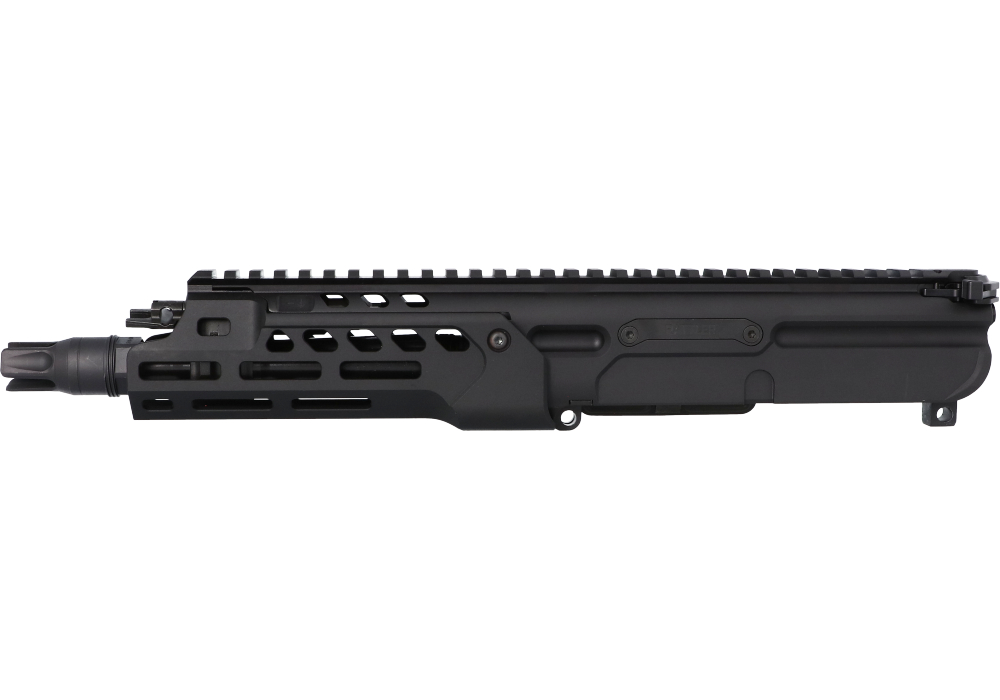
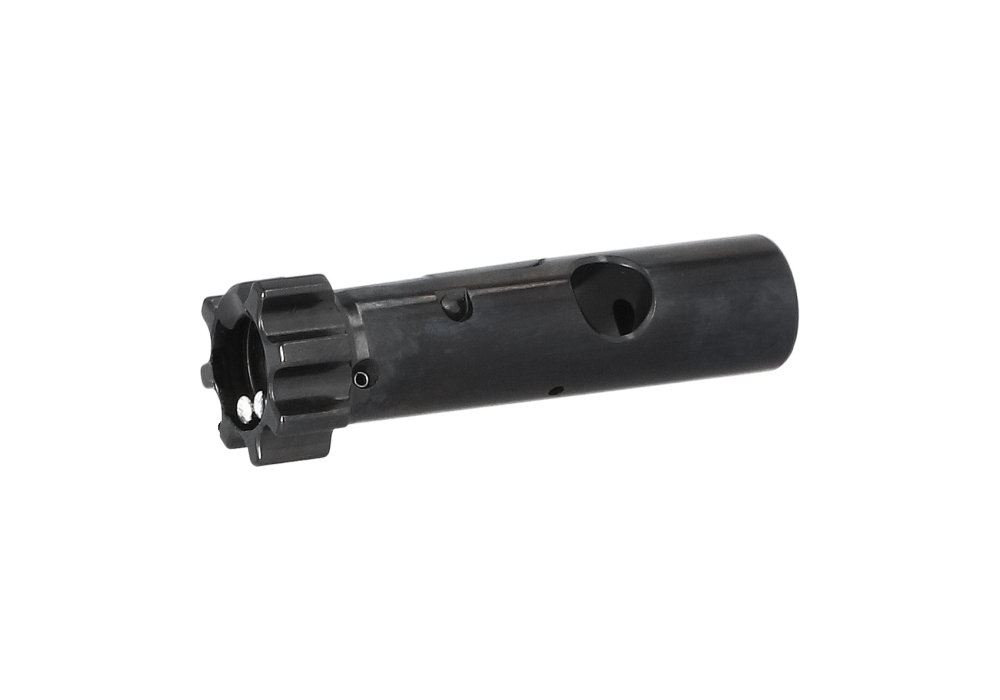
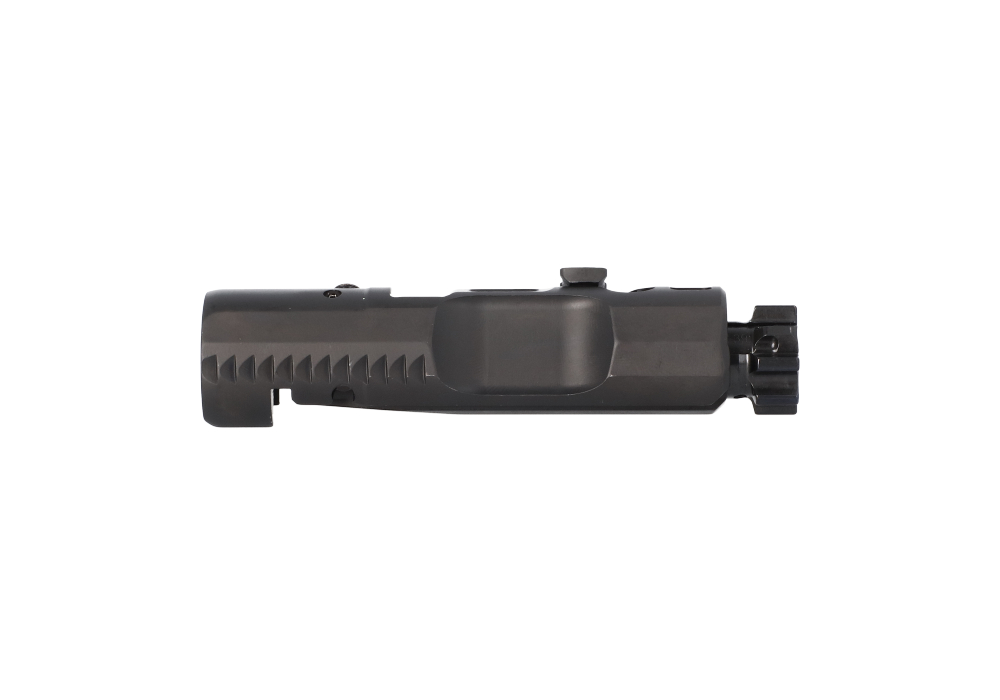
Shopping for 7.62x39 upgrades starts with the rifle, not just the cartridge designation. The 7.62x39 cartridge appears in several distinct firearm designs, and a shared chambering does not mean those designs accept the same accessories or replacement components. A product intended for one platform may have a different attachment interface, profile, or clearance requirement than a similar-looking product intended for another. That distinction matters whether the goal is a more comfortable range setup, better protection during transport, or a refreshed exterior after years of regular use. This collection brings the focus to products associated with 7.62x39 platforms, with individual product descriptions providing the details needed to assess their intended applications. The most useful starting points are the firearm’s exact model, its configuration, and the manufacturer’s stated compatibility requirements. Appearance alone cannot establish fit, and broad descriptions such as “universal” still deserve a close reading of the listed limitations. Even within a single family of rifles, different generations or factory configurations can affect which accessories belong on a particular firearm. For an owner who spends an afternoon at a covered range, comfort against a shooting bench and protection from repeated handling may matter more than an elaborate exterior finish. Someone carrying a cased rifle between a vehicle and an outdoor firing line may place greater value on manageable weight, secure storage, and surfaces that are easy to wipe clean. Neither situation calls for changing everything at once; a coherent setup reflects how the rifle is actually used. Good product descriptions make those distinctions easier to understand by identifying compatible platforms, construction materials, dimensions, and care requirements rather than relying on appearance or broad performance claims. For shoppers comparing 7.62x39 rifle accessories, that practical information is more meaningful than the chambering label by itself. It also helps separate a product that genuinely suits an existing setup from one that belongs to an entirely different firearm.
Materials and finish contribute to how rifle accessories feel, wear, and respond to ordinary exposure. Depending on the product category, construction may include aluminum, steel, reinforced polymer, woven textiles, or combinations of these materials. Each serves a different purpose, so material names are most useful when considered alongside the product’s intended role and design. Aluminum can offer a useful balance of weight and rigidity, while steel may be appropriate where a manufacturer’s design calls for particular strength or wear characteristics. Reinforced polymer can provide a lighter exterior surface and a different feel in cold weather, though its suitability still depends on the application and formulation. Textile accessories bring their own considerations, including seam quality, edge finishing, abrasion resistance, and the care directions for padding or liners. A smooth edge, an evenly applied finish, and clearly documented dimensions often say more about everyday usability than an aggressive visual style. Surface treatments can help resist corrosion or routine wear, but no finish eliminates the need for suitable care. During cooler months, a rifle case carried in from a damp range can retain moisture around fabric, seams, and enclosed surfaces. Allowing storage accessories to dry according to their care instructions and keeping equipment in an appropriate environment helps protect the overall setup between outings. Cleaning products also deserve attention: a solvent suitable for one surface may not suit another coating, polymer, adhesive, or fabric. Manufacturer-approved care methods are the sound reference point, especially when several materials meet in the same accessory. Durability should be understood in the context of repeated use, not as a promise that a product cannot wear. Contact points may develop visible marks, fabric can collect grit, and protective finishes benefit from periodic inspection. For a rifle that travels regularly, easy maintenance and clear care guidance can be as valuable as a particular color or texture. Those details help an accessory remain useful long after its first trip to the range.
Fit and intended use tie the rest of the selection together. An accessory should suit the owner’s handling preferences without obstructing controls, interfering with required clearances, or conflicting with the firearm manufacturer’s instructions. Published measurements and compatibility notes are especially important when an existing setup already includes several accessories. A product may fit the underlying platform yet occupy space needed by another component, and a photograph rarely shows every relevant relationship. Where suitability or installation is uncertain, confirmation from the manufacturer or a qualified gunsmith is more dependable than assumptions based on a similar rifle. Any work involving internal operating components warrants professional assessment rather than treating a collection page as installation guidance. For everyday shopping, the emphasis can remain on documented fit, comfortable handling, protective features, and the level of upkeep a product requires. An occasional range visitor may prefer a straightforward setup with few additional care demands; an enthusiast who practices regularly may appreciate materials and finishes that stand up well to frequent handling. Gift shopping calls for the same attention to detail. Knowing that someone owns a rifle chambered in 7.62x39 is not enough to choose a compatible accessory, but an exact model and a clearly expressed preference provide a much better basis. When those details are unavailable, non-fitted storage or care accessories may be worth considering, provided their dimensions and material compatibility are still verified. Owners browsing for a separate rifle platform can also explore Cross Rifle Upgrades, keeping each collection’s stated applications distinct rather than assuming interchangeability. Across any platform, a considered purchase begins with accurate information and a realistic picture of the product’s role. The right 7.62x39 upgrades complement the rifle’s existing configuration, suit the conditions in which it is used, and bring clear benefits to ownership without unnecessary complexity. Whether the priority is easier care, a preferred exterior feel, or protection on the way to a scheduled range session, compatibility and construction remain the details that turn a promising accessory into a sensible long-term choice.