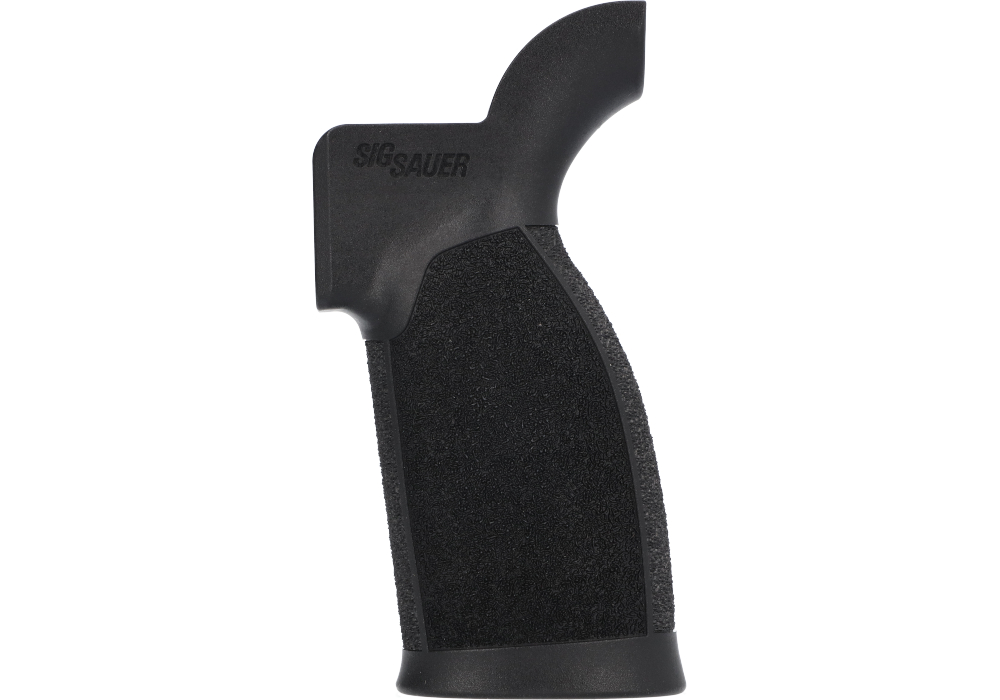
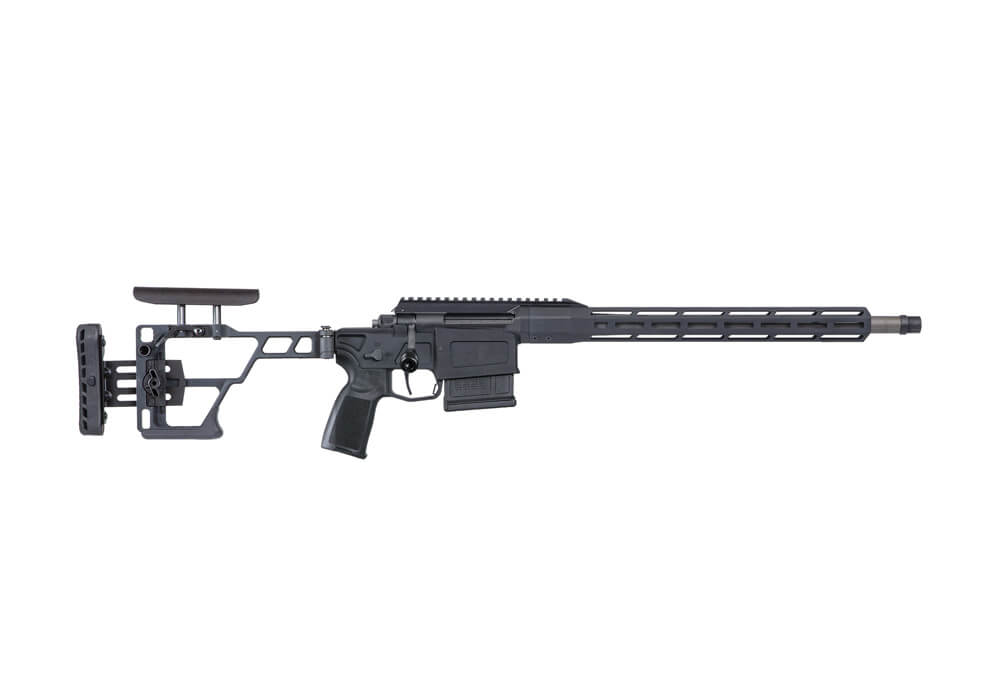
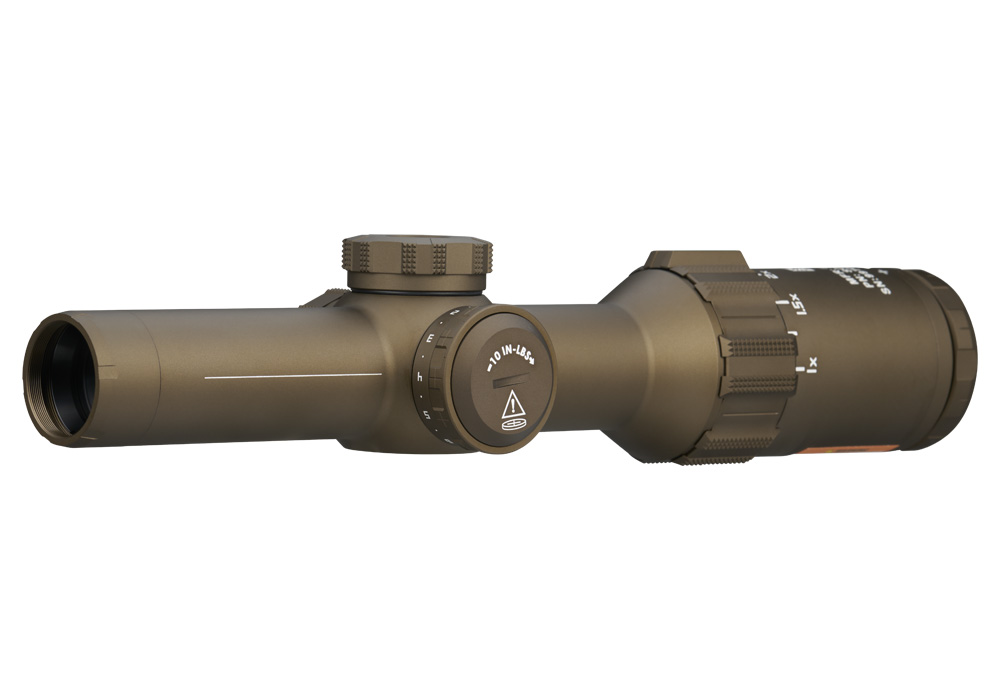
Cross rifle upgrades can help tailor a bolt-action platform to the way you actually shoot, whether your time is spent practicing from a bench, carrying gear across uneven terrain, or building a steady position for long-range work. The best starting point is your primary use, current chambering, and the way the rifle fits your hands and equipment. A shooter who spends weekends on a range may value a stable bipod interface, a comfortable sling, and a handguard that accepts common mounting accessories. Someone who carries the rifle during the cooler months may place greater importance on balanced weight, a snag-resistant profile, positive controls, and a stock setup that remains comfortable while wearing layered clothing. Before selecting any component, confirm its fit with the exact Cross configuration, barrel length, chambering, and existing mounting system. A short list of compatible upgrades is usually more useful than a collection of parts chosen only for appearance. It also helps to consider the order of installation: a barrel or caliber conversion can influence balance and ammunition selection, while a handguard or rail system can affect how a bipod, tripod, sling, or other support attaches. For a broader look at practical equipment choices, explore Reliable Firearm Upgrades.
A refined Cross rifle setup often begins with the points that influence stability and control. A properly fitted barrel can support consistent performance when paired with suitable ammunition and careful maintenance, while a compatible muzzle device may help manage recoil and muzzle movement during practice. Recoil management is especially noticeable when firing from a supported position, where a smoother return to the target can make it easier to observe impacts and refine technique. Handguards with M-LOK mounting slots or a full-length ARCA-style interface provide flexibility for attaching a bipod, tripod clamp, barricade support, or other range equipment without forcing the shooter into one fixed arrangement. Rail scales and compact handstops can add texture where the support hand naturally rests, helping maintain a repeatable grip in wet, cold, or dusty conditions. An upgraded bolt knob may give the firing hand a more positive purchase and make cycling feel more deliberate, particularly when the rifle is shouldered or positioned beside a pack. These details are small, but they can change the way a rifle feels over a long session. The right magazine is equally important. Choose a standard or extended magazine that matches the rifle’s chambering, feed geometry, and intended use, then verify reliable feeding with the ammunition you plan to carry. Hunters and field shooters may prefer a compact option that sits close to the stock, while range users may favor additional rounds between reloads. Ammunition selection should account for bullet weight, distance, target type, and local regulations, with careful attention to the markings on both the rifle and cartridges. Any caliber conversion or barrel change deserves particular care; use only components specifically listed as compatible, follow the manufacturer’s instructions, and have installation and headspace checks completed by a qualified gunsmith when required.
These upgrades can also be thoughtful gifts for a rifle owner, provided the recipient’s exact configuration is known. A sling, rail accessory, compatible bipod, spare magazine, or upgraded control component can be useful for a new owner who is assembling a practical setup, while an experienced shooter may appreciate a part that solves a familiar annoyance, such as limited mounting space, an uncomfortable grip point, or an awkward bolt handle. If you are buying for someone else, record the rifle’s chambering, stock style, handguard pattern, and existing rail dimensions before ordering. A gift card or conversation about intended use may be wiser than guessing, since seemingly similar components can vary in fit and function. Once an upgrade arrives, inspect it for damage, compare it with the listed specifications, and confirm that fasteners, interfaces, and moving parts operate as intended. Follow torque values, use the correct tools, and avoid forcing a component into place. After installation, perform a careful function check with the rifle unloaded, then confirm zero and reliability at a controlled range before relying on the setup in the field. Store ammunition separately as required by law and keep the rifle secured when not in use. During the cooler months, pay attention to condensation when moving between warm vehicles and cold outdoor air, and wipe down metal surfaces after exposure to moisture. With thoughtful selection, careful fitting, and regular inspection, Cross rifle upgrades can support a more comfortable, stable, and personal shooting experience across practice days, organized matches, hunting outings, and time spent introducing a new shooter to responsible equipment use.