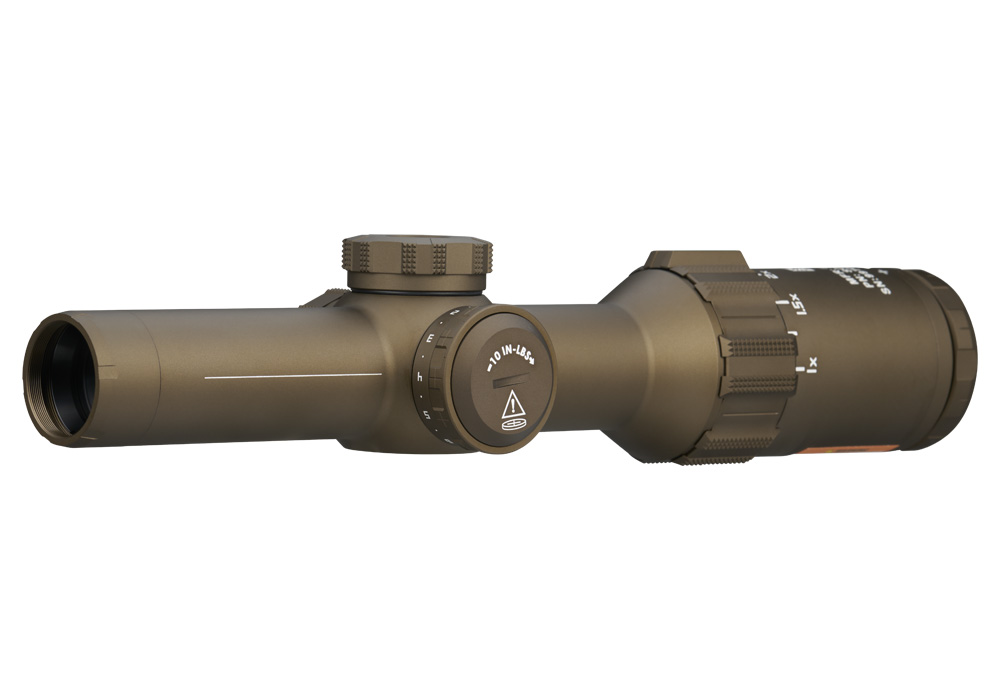
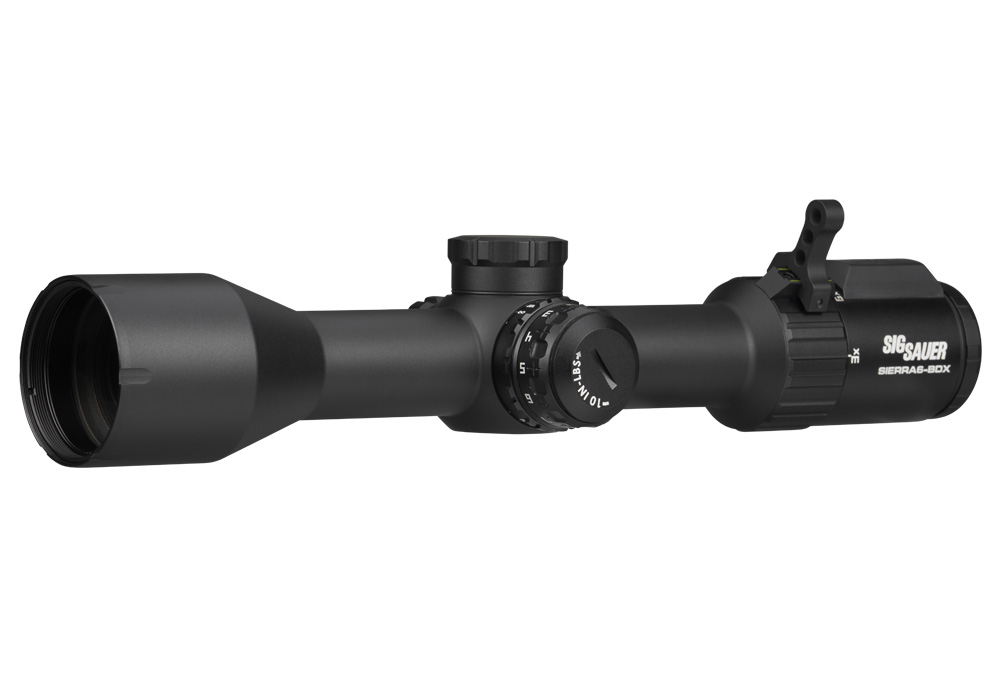
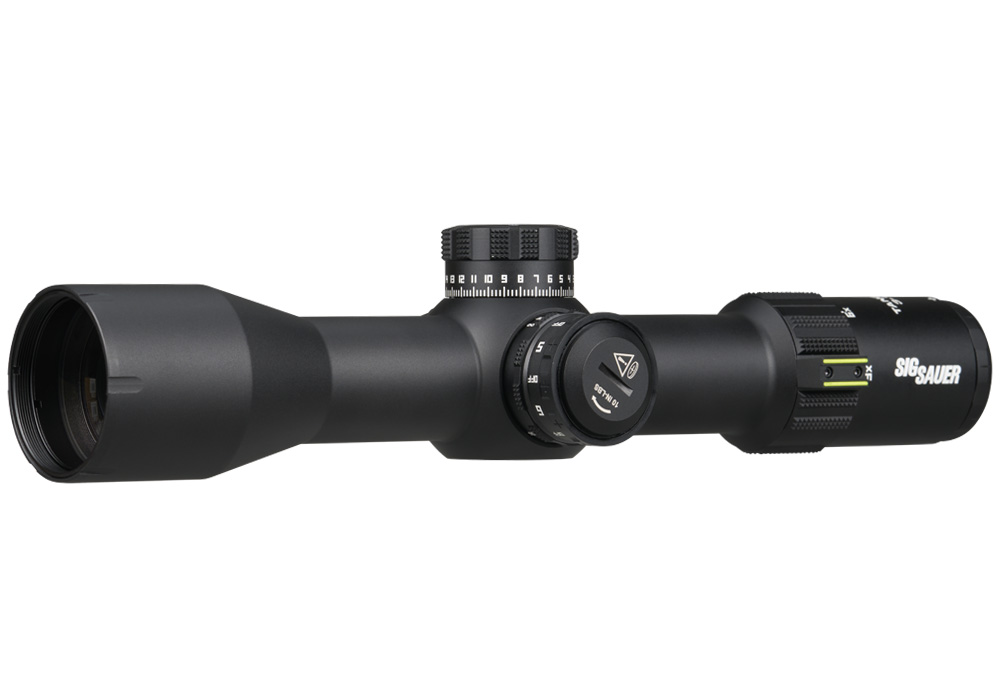
Riflescope upgrades can make a familiar rifle easier to use, more adaptable in changing conditions, and more rewarding on the range or in the field. For many shooters, the most noticeable improvement begins with optical clarity. Quality glass and effective multi-coated lenses can help produce a sharper sight picture, better contrast, and improved light transmission during the soft, uneven light of early morning or late afternoon. That added clarity is valuable when identifying a precise aiming point against brush, a shaded hillside, or a distant paper target. When comparing an upgraded scope, consider more than the maximum magnification printed on the box. A lower starting magnification can provide a broader field of view for closer shots, while a higher upper range can support careful target work at extended distances. Variable magnification is often a practical choice for a rifle that may be used in more than one setting, but the ideal range depends on the cartridge, rifle configuration, expected distances, and whether the priority is hunting, recreational shooting, competition, or general preparedness. A scope should also complement the rifle rather than overwhelm it. Excessive size or weight can change the balance of a lightweight hunting setup, while a larger optic may be entirely appropriate for a precision-oriented rifle used from a stable rest. Eye relief, adjustment range, reticle design, and the location of the controls all deserve attention before making a purchase. Shooters who spend time carrying a rifle through timber or uneven ground may value a compact, streamlined optic, while those who work from a bench or prone position may prefer a more feature-rich configuration. For a gift, a riflescope upgrade can be a thoughtful choice for an experienced hunter or range enthusiast, particularly when the recipient has already identified the rifle and shooting distances they use most often. Because compatibility matters, gift buyers should confirm the rifle model, mounting system, objective clearance, and preferred reticle before ordering. A gift card or a conversation about intended use may be more practical than guessing at magnification.
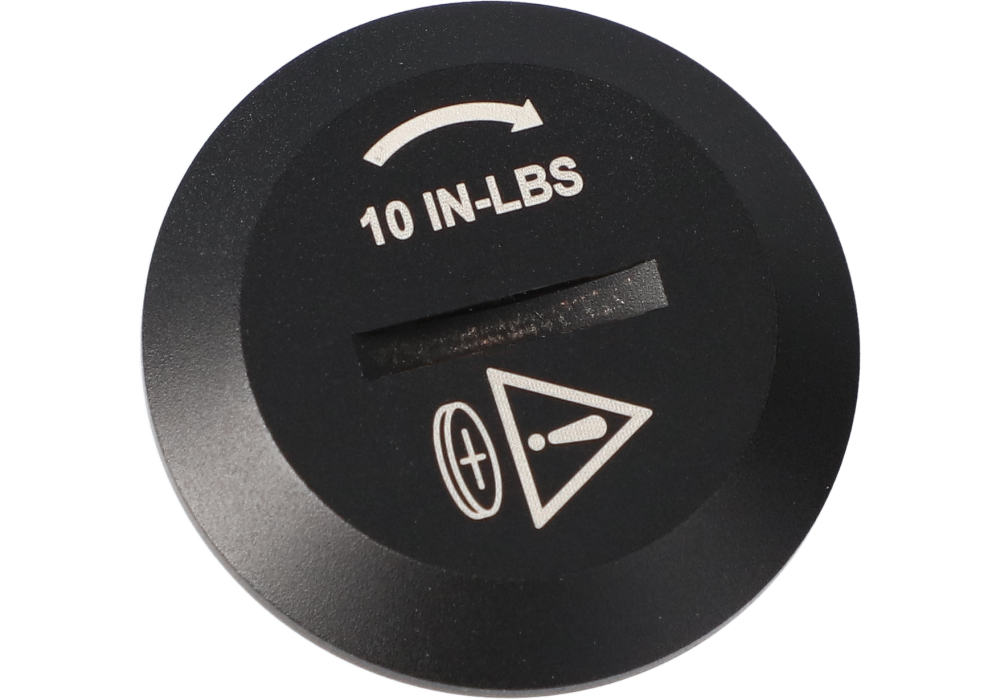
Mechanical controls are another important part of a riflescope upgrade. Turrets should offer positive, repeatable adjustments that are easy to read and operate without forcing the shooter to break position. Target-style or exposed turrets can be useful for dialing elevation and windage when a shooter has verified the distance and environmental conditions, while capped turrets may suit hunters who prefer to establish a zero and rely on a reticle for most corrections. A zero-stop system can simplify the process of returning to a known reference after making adjustments, reducing confusion when conditions change or a shot requires a quick transition back to the original zero. Reticles vary widely in appearance and purpose, from simple aiming patterns that keep the sight picture uncluttered to designs with holdover references for elevation, wind, or moving targets. An illuminated center point can improve reticle visibility against dark backgrounds or during low-light periods, though illumination does not replace a clear, properly focused image. Parallax adjustment can also become more important as magnification and shooting distance increase, helping the reticle and target appear on the same optical plane when properly set. Small accessories can make a substantial difference in daily use. A throw lever may speed magnification changes while maintaining a consistent grip, and a bubble level can help reveal rifle cant that might otherwise introduce a horizontal aiming error at longer distances. Flip-open lens covers help shield the glass from dust, rain, and branches during transport, while a sunshade can reduce glare when the light is bright and low across the landscape. These additions are especially useful for hunters moving between open fields and shaded cover, or for range shooters who spend long sessions behind the optic. Digital or connected aiming systems may offer additional holdover support when paired with compatible ranging equipment, but they should be selected with attention to battery life, controls, weather resistance, and the shooter’s comfort with the technology. Simple, reliable operation remains valuable when cold fingers, gloves, or fading light make fine adjustments more difficult.
Before installing any riflescope upgrade, confirm that the optic, rings, base, and rifle are compatible and that the mounting height provides adequate clearance without creating an awkward cheek position. A secure mount is essential; even excellent glass cannot compensate for loose hardware or an inconsistent shooting position. After installation, begin at a safe, appropriate distance and establish a careful zero using the ammunition intended for regular use. Confirm the point of impact again at the distances that matter for the rifle’s purpose, and record the settings in a small notebook or durable field card. It is worth checking eye relief from a natural shooting position, cycling the action safely, and verifying that the scope remains clear of the bolt handle, safety controls, and other moving parts. Weather can expose weaknesses that are easy to overlook indoors: condensation, rain, dust, and glare may affect how the image appears, while gloves can change how easily turrets and magnification controls are operated. During the cooler months, a scope that remains dependable when carried through damp grass at dawn or set up on a cold bench can inspire more confidence than one chosen only for its specifications. Responsible shooters should follow all applicable laws, use appropriate backstops and eye protection, and verify that a firearm is unloaded before installing or adjusting equipment. Those selecting an upgrade for a versatile bolt-action platform may also wish to explore Cross Rifle Upgrades for related rifle configuration options. Whether the goal is a brighter sight picture, faster adjustments, a more useful magnification range, or a better-balanced setup, the right riflescope upgrade should support the way the rifle is actually carried, mounted, aimed, and maintained.