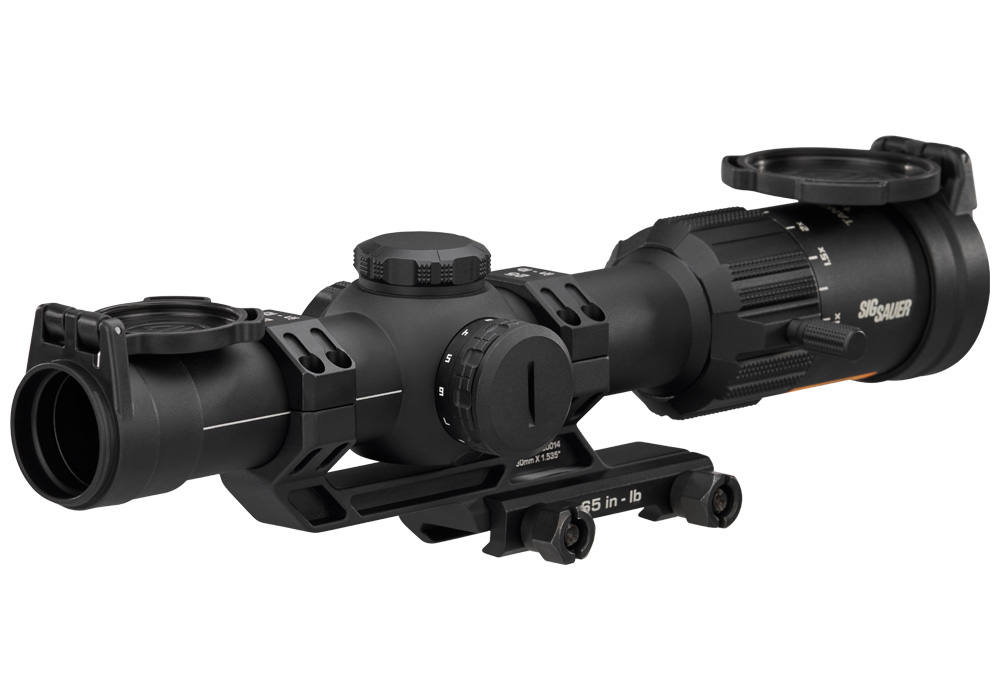
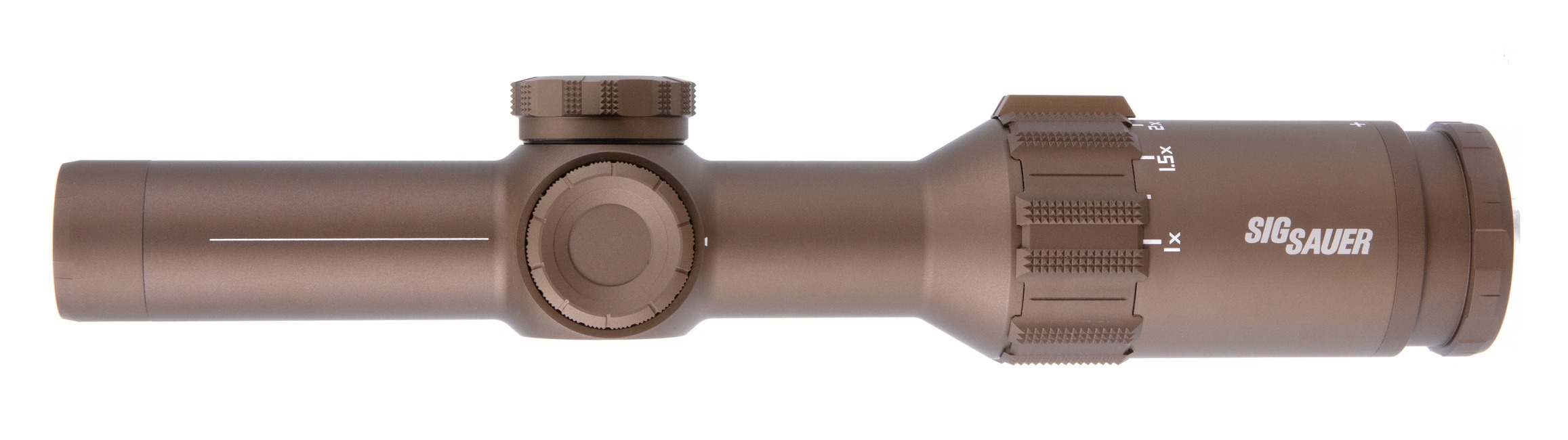
Riflescope replacements bring together optical performance, physical fit, and the way a rifle is actually used. A scope that suited one setup may feel less comfortable after a stock change, offer more magnification than a shooter needs, or have lens damage that interferes with a clear view. Replacing it is an opportunity to reassess the whole combination rather than choosing solely by the largest number on the magnification scale. For hunting and general range use, a useful field of view, comfortable eye relief, and an image that is easy to acquire can matter more than maximum magnification. Target shooters may place greater emphasis on fine image detail, clearly marked adjustments, and controls that remain easy to distinguish without looking away from the rifle. Physical compatibility comes first in either case. The replacement scope’s main tube diameter must match the rings; common diameters include 1 inch, 30 mm, and 34 mm, and these sizes are not interchangeable. Ring height also needs to accommodate the objective housing, barrel profile, and any nearby components without forcing an awkward head position. Objective lens diameter alone does not establish the correct height because the outside housing adds to the overall dimensions. Mounting length deserves equal attention, particularly when an optic has a short straight section between its central adjustment housing and its larger front or rear sections. Enough usable tube length is necessary for proper ring placement and comfortable eye relief. Clearance around the bolt handle, access to controls, and room for lens covers can further influence fit. These details explain why two scopes with similar magnification ranges may suit very different rifles. A balanced replacement feels like part of the setup rather than an attachment that demands a different posture every time the rifle is shouldered. Comparing dimensions, weight, and mounting requirements alongside optical specifications helps narrow the selection to scopes that suit the rifle and its intended purpose.
Optical quality involves more than magnification or a large objective lens. Contrast, resolution, edge clarity, and the treatment of reflections all contribute to how clearly a riflescope presents a target and its surroundings. Lens coatings can help manage reflections and improve light transmission, but broad coating descriptions do not tell the entire story; the complete optical design matters. Higher magnification can reveal finer detail, yet it also narrows the field of view and can make small changes in eye position more noticeable. A forgiving viewing position is especially useful for someone who values comfortable, repeatable handling during an extended range session. Reticle design is another practical distinction among replacement riflescopes. A simpler pattern can keep the image uncluttered, while a more detailed pattern may appeal to experienced target shooters who already have a preferred system. First focal plane reticles change apparent size as magnification changes, while second focal plane reticles retain a consistent apparent size. Neither arrangement is universally preferable; familiarity, visibility, and intended use shape the choice. Illuminated reticles add another consideration, including battery type, control placement, and whether the reticle remains useful without illumination. Construction deserves the same close attention as the view through the glass. Aluminum scope bodies can offer a useful balance of strength and weight, while mounting hardware may use aluminum, steel, or a combination of materials. Material names alone do not establish durability: machining quality, surface finish, fastener condition, and compatibility all influence the finished assembly. A larger tube can provide design space for internal adjustment, but tube diameter by itself does not guarantee better image quality. Protective exterior finishes help resist ordinary handling wear, while lens surfaces require their own careful treatment. For a rifle carried frequently, modest weight and compact dimensions may be welcome. For a rifle used primarily from a supported position, additional size may be acceptable when it serves a specific optical preference. The strongest choice is the one whose features have a clear purpose, rather than a list of specifications that adds bulk without a practical benefit.
A replacement riflescope also deserves a close look at the components that support it. Existing rings and bases are not automatically suitable simply because they held the previous optic. Their dimensions, condition, mounting interface, and manufacturer requirements still need to align with the new setup. Worn screw heads, damaged threads, uneven contact surfaces, or uncertain hardware specifications warrant attention before an otherwise suitable scope is installed. Related mounting needs can also lead to Replacement Hardware for Tactical Optics, where compatibility remains just as important as the component’s appearance or material. Manufacturer-specified tightening requirements matter because insufficient clamping and excessive pressure can both create problems; a universal torque figure is not a substitute for the instructions supplied with the scope and mounting components. Professional assessment is worthwhile when fit is uncertain, hardware condition is questionable, or the rifle has an unfamiliar mounting arrangement. Any inspection or installation should take place with the firearm unloaded and ammunition kept separate, and mounting work should be followed by appropriate verification before use. Long-term care is less complicated but equally important. Lens covers help protect exposed glass during storage and transport, and a padded case can reduce contact with surrounding equipment. Loose grit should not be rubbed across a lens, and cleaning materials should be suitable for coated optics. Exterior surfaces, adjustment controls, and battery compartments benefit from periodic inspection according to the manufacturer’s recommendations. Persistent image problems, a loose control, or unexplained changes in alignment call for evaluation rather than repeated adjustment without a clear cause. Replacement optics can be a thoughtful gift for an experienced hunter or target shooter, but personal preferences and exact mounting requirements make consultation especially valuable. Knowing the recipient’s rifle setup, preferred reticle style, and typical use is more helpful than choosing by appearance alone. With those details established, a riflescope replacement can support a comfortable, dependable setup without unnecessary compromises in fit, handling, or care.