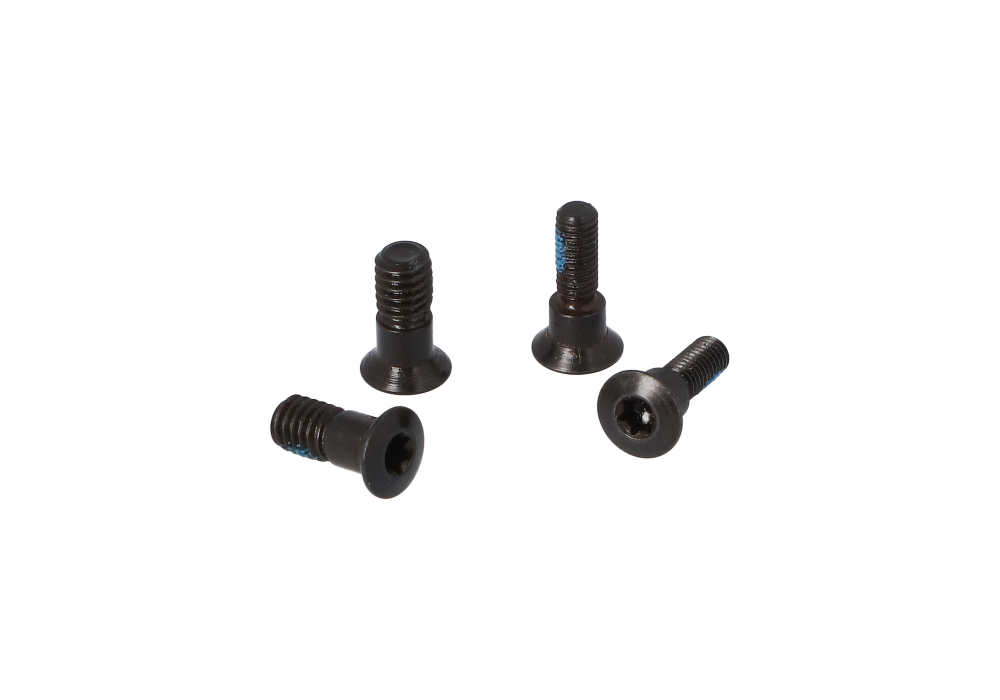
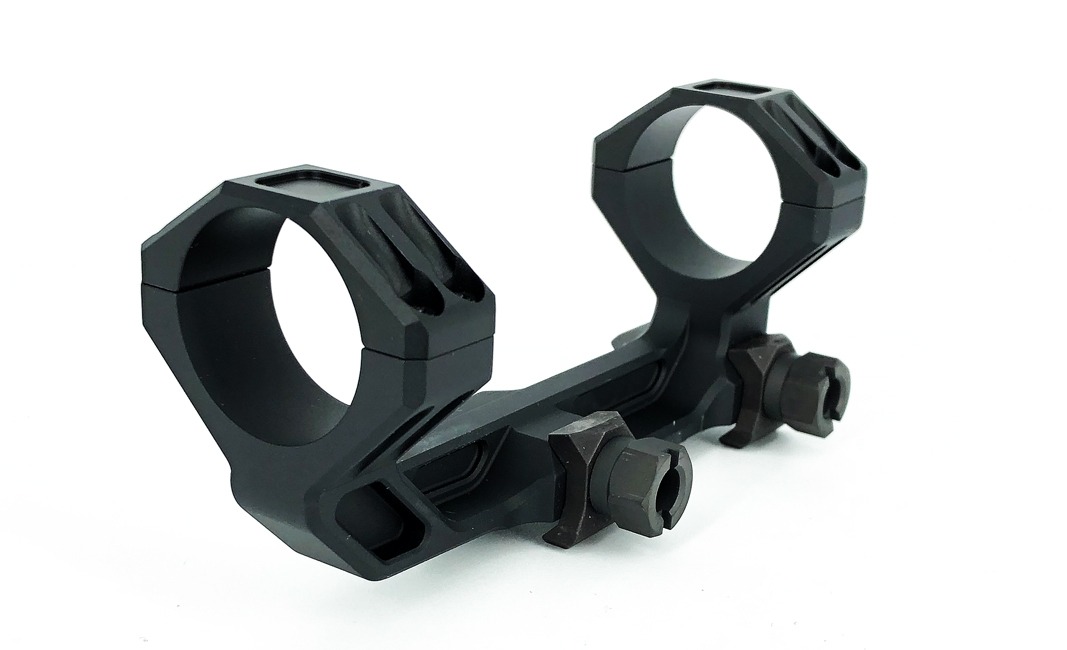
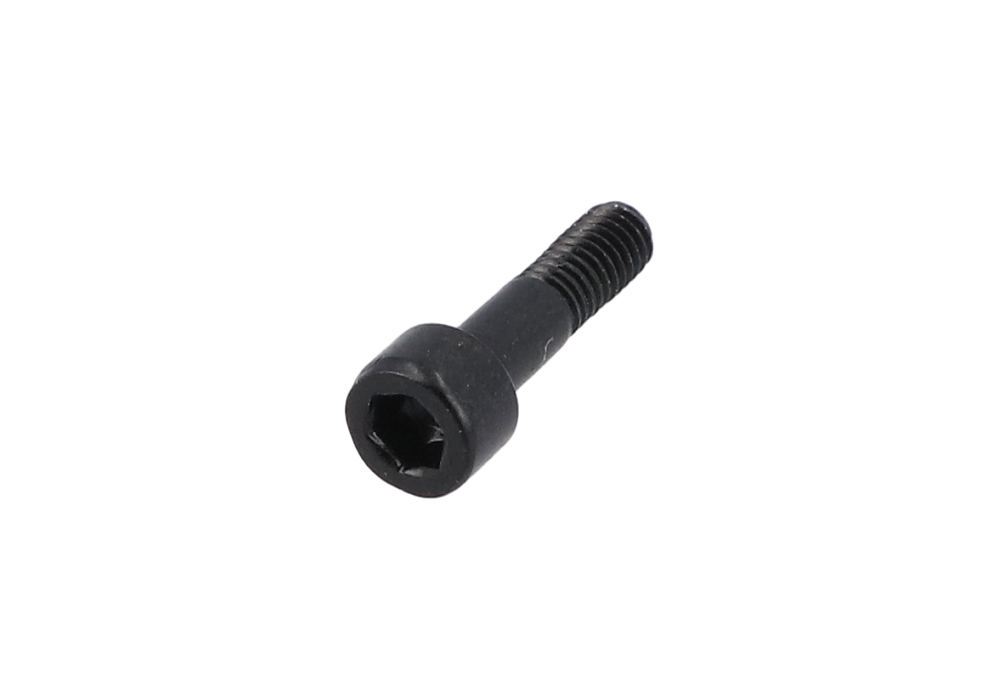
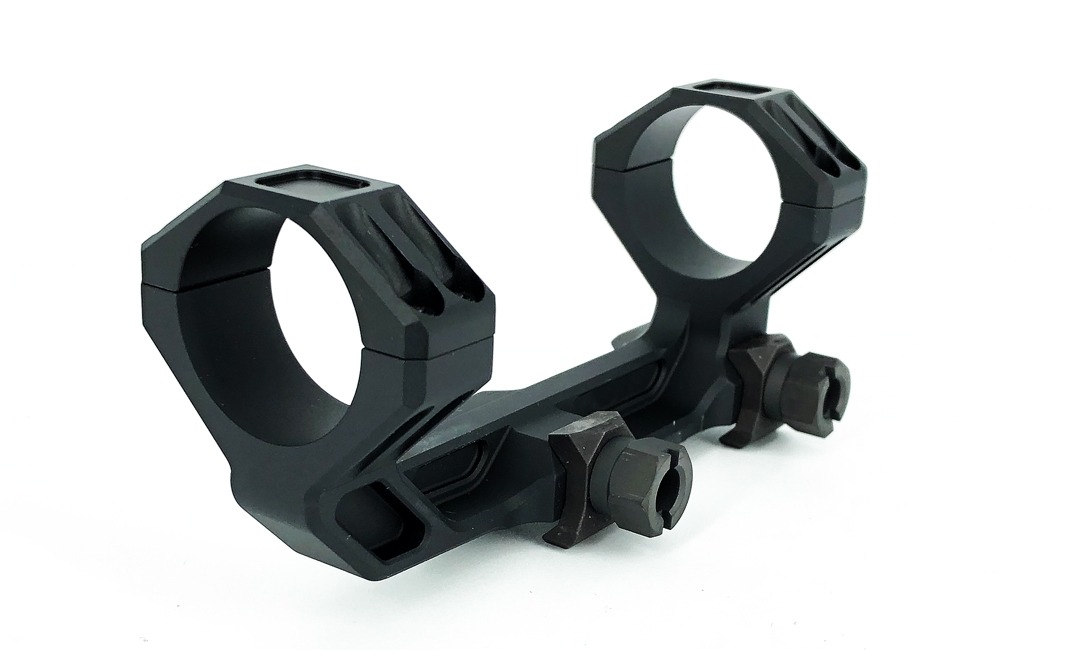
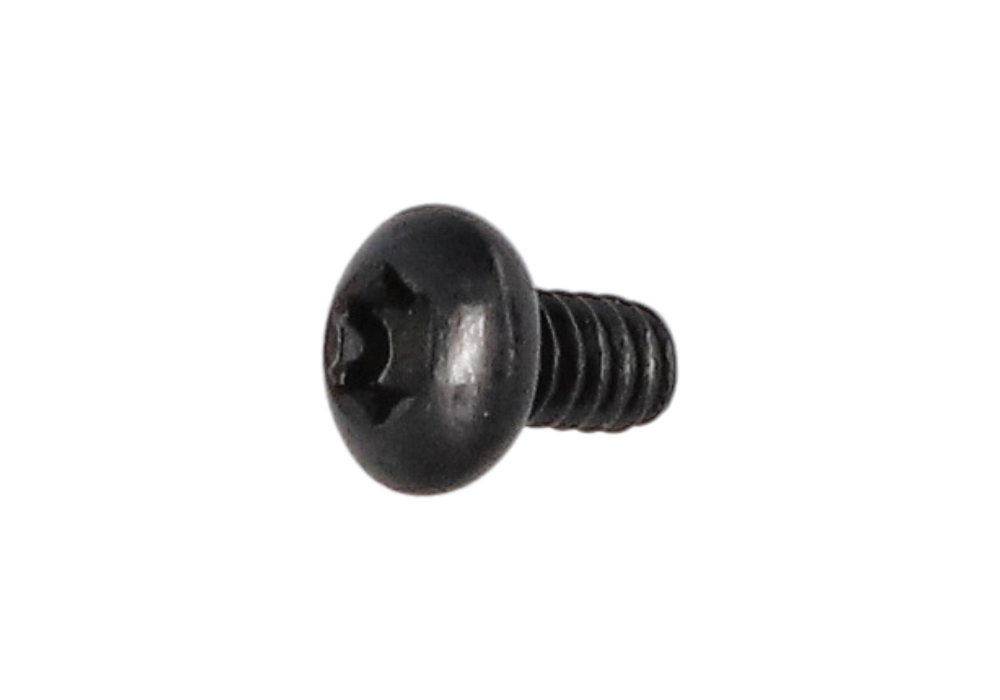
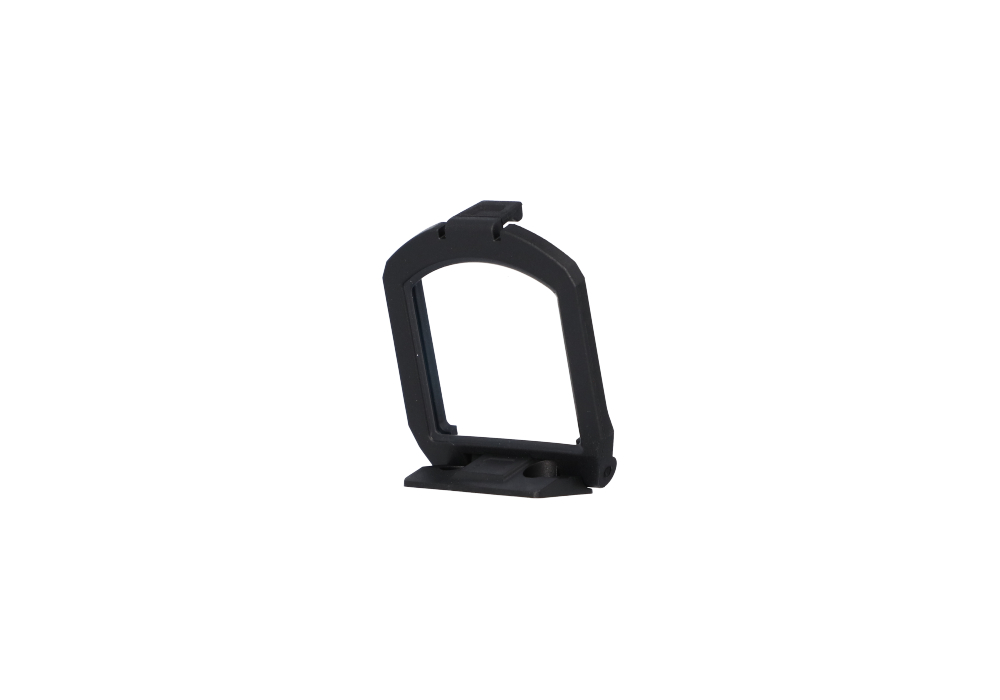
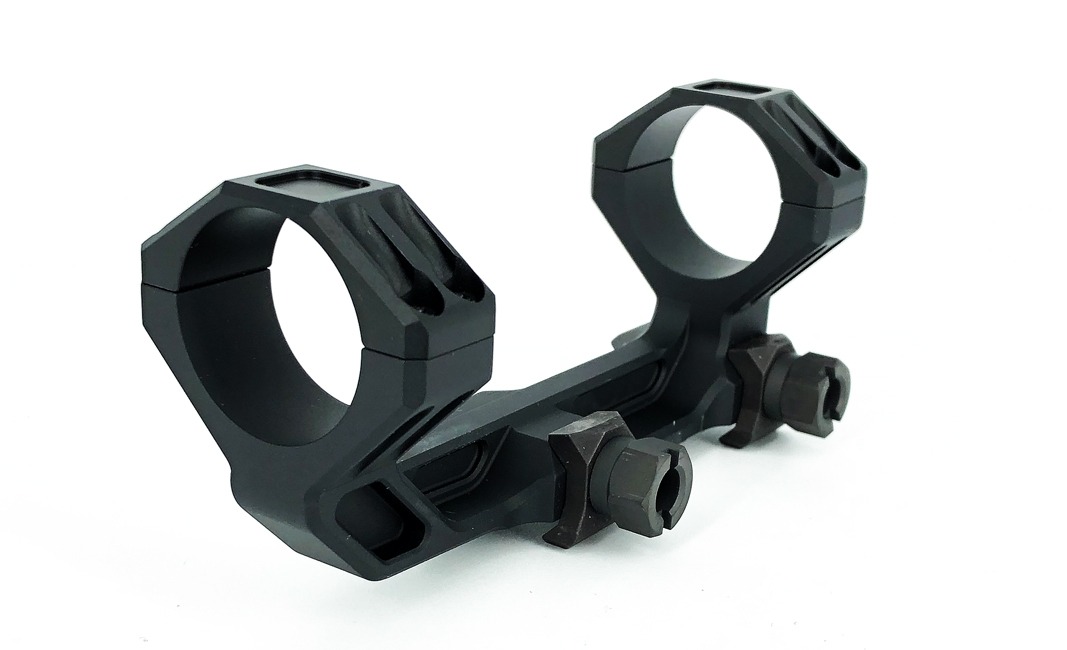
Replacement hardware for tactical optics consists of the fasteners, caps, covers, and other compatible components that support an optic’s attachment, protection, and routine upkeep. Mounting screws, adapter plate hardware, battery compartment caps, and protective adjustment caps serve different purposes, so the correct replacement depends on the optic model, its mounting arrangement, and the particular component being replaced. A screw that looks identical to the original can have a different thread pitch, length, or head profile. Likewise, a cap can resemble another part without matching its threads, seal, or internal clearance. Those differences matter more than appearance: reliable fit begins with the manufacturer’s documented compatibility, not a visual estimate. For an owner replacing a worn screw after years of range use, or finding a missing cap after transporting equipment, the goal is to restore the intended configuration without introducing an uncertain substitute. Mounting footprints help identify the interface between an optic and its supporting surface, but a shared footprint alone does not establish that every fastener is interchangeable. The optic, mounting plate, and underlying platform can each affect the required hardware. Thread diameter and pitch describe only part of that relationship; overall length, threaded length, seating surface, and available clearance also influence suitability. Hardware descriptions are most useful when they clearly identify the supported configuration and distinguish between components intended for the optic itself and those intended for a separate mount. Small differences are easy to overlook when parts sit together on a workbench, especially when several optics or mounting systems are involved. Keeping replacement hardware associated with its original packaging or a clearly labeled storage compartment helps preserve that distinction. For shoppers comparing similar-looking components, a documented match offers a firmer basis for selection than a general claim that a part fits tactical optics. The category covers many designs, and compatibility remains specific even when the hardware appears simple. A replacement part should be evaluated as one element of an existing assembly, rather than as an isolated piece of metal.
Materials and construction influence how replacement optic hardware handles repeated use, contact with tools, and ordinary exposure to dirt and moisture. Steel fasteners offer strength in compact dimensions, while aluminum is common in lightweight plates and certain external components. Protective covers may use resilient polymers or elastomers where flexibility and resistance to scuffing are useful. No material is automatically the best choice for every position. The original component’s function, the surrounding materials, and the manufacturer’s requirements determine whether a replacement is appropriate. Surface treatments can help resist corrosion or wear, but a dark finish alone does not establish strength, dimensional accuracy, or compatibility. Cleanly formed threads, an undamaged drive recess, and a seating surface that matches the intended interface are meaningful details. A rounded screw recess can prevent a tool from engaging securely, while a distorted cap or damaged seal may compromise the protection that component is intended to provide. Replacement hardware should preserve the original design’s function rather than merely occupy an empty opening. On battery-powered optics, for example, a compartment cap may contribute to both battery retention and environmental sealing; matching the visible diameter is not enough. Protective lens covers have a different role, helping shield optical surfaces from dust, fingerprints, and contact during transport or storage. Their fit should suit the optic’s shape without interfering with its controls or normal operation. Care considerations are similarly specific to the component. Cleaning products suitable for an external metal surface may not be appropriate for a seal, coating, or polymer cover, and thread treatments are not universally required. Manufacturer guidance governs cleaning, lubrication, tightening specifications, and any approved thread treatment. A qualified professional is a useful resource when threads are damaged, compatibility is uncertain, or a mounting interface no longer seats correctly. These details keep the emphasis on preserving the optic’s intended condition. Replacement hardware supports maintenance, but it cannot correct damaged mounting surfaces or substitute for inspection when an assembly shows unusual wear.
Shooters who practice regularly, participate in organized competition, teach on the range, or maintain equipment for professional use all have reasons to keep track of the small components associated with their optics. Frequent handling can reveal a worn cover hinge, a damaged fastener head, or a cap that no longer engages as it should. Equipment that travels between a storage case, a workbench, and the range also benefits from attention to protective parts that are easy to overlook beside the optic itself. A missing lens cover does not call for the same replacement as a worn mounting screw, and separating those needs helps keep the purchase focused. Protective components primarily address handling and storage, while mounting hardware must match the mechanical requirements of the installed assembly. Controls and external adjustment components can be more model-specific still, with designs that differ in indexing, sealing, or retention. Owners comparing hardware for a magnified optic can also explore Riflescope Replacements while keeping the optic’s exact configuration in mind. Across these applications, useful replacement choices begin with clear identification: the optic model, the component’s purpose, and the mount or plate involved when relevant. Documentation becomes especially valuable when an optic has moved between platforms or when an owner has inherited equipment without its original accessories. A small, labeled assortment of verified spares can simplify organization, but an assortment of unidentified screws creates uncertainty rather than convenience. For someone choosing a practical gift for an optics enthusiast, confirmed compatibility matters more than the number of parts included. A correctly matched protective component or replacement accessory can be useful; a close visual match may have no suitable role at all. Whether the need is routine upkeep, replacement of a missing external part, or preparation for continued range use, the most important qualities remain consistent: accurate fit, appropriate materials, sound condition, and a clear relationship to the equipment already in service.