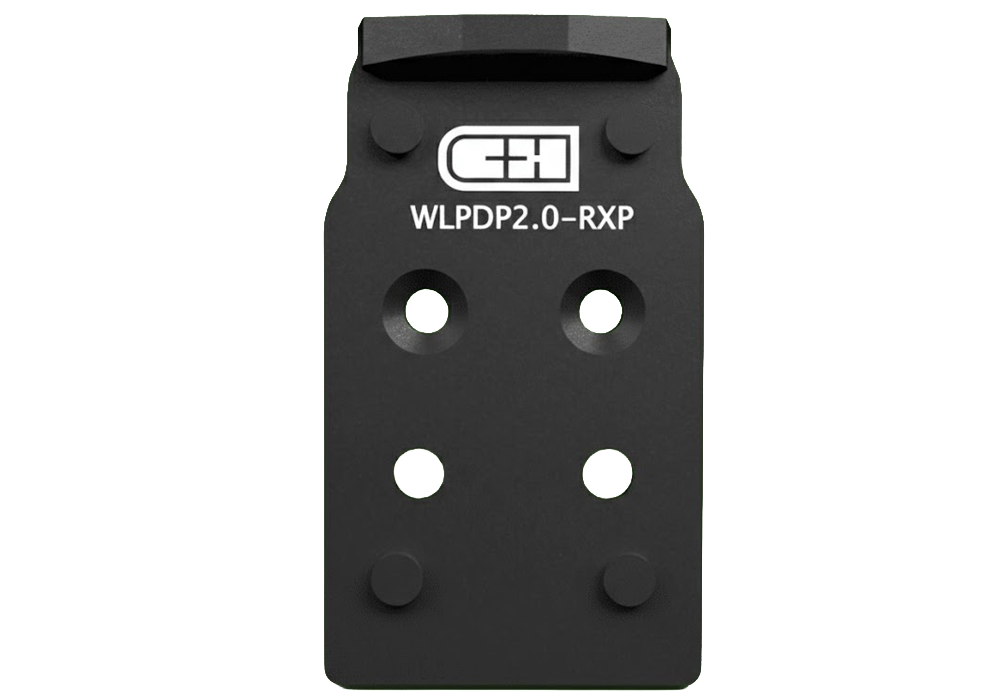
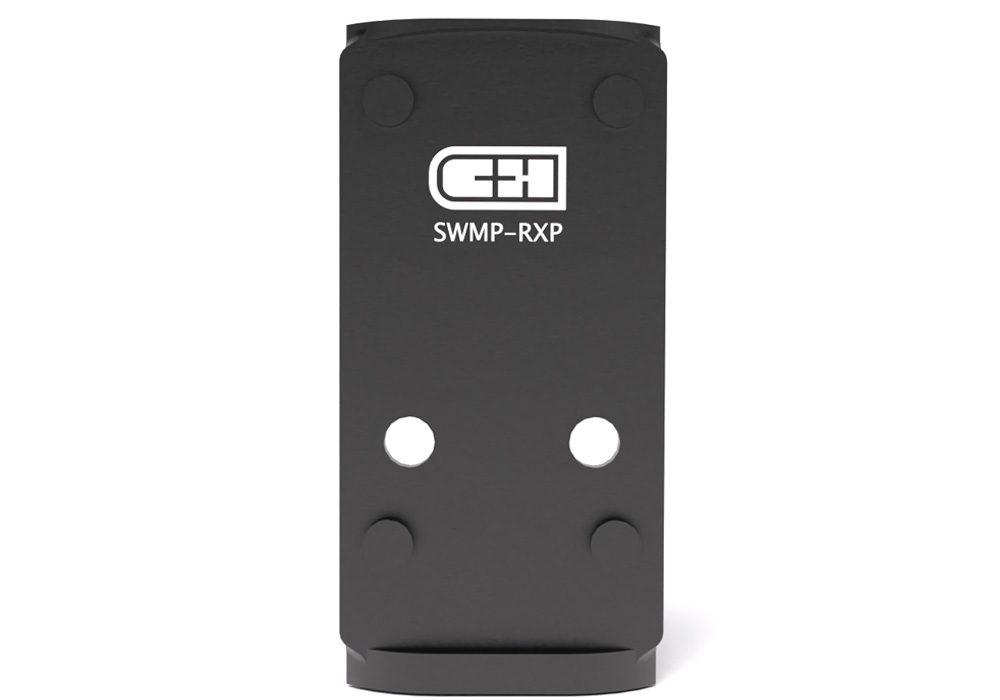
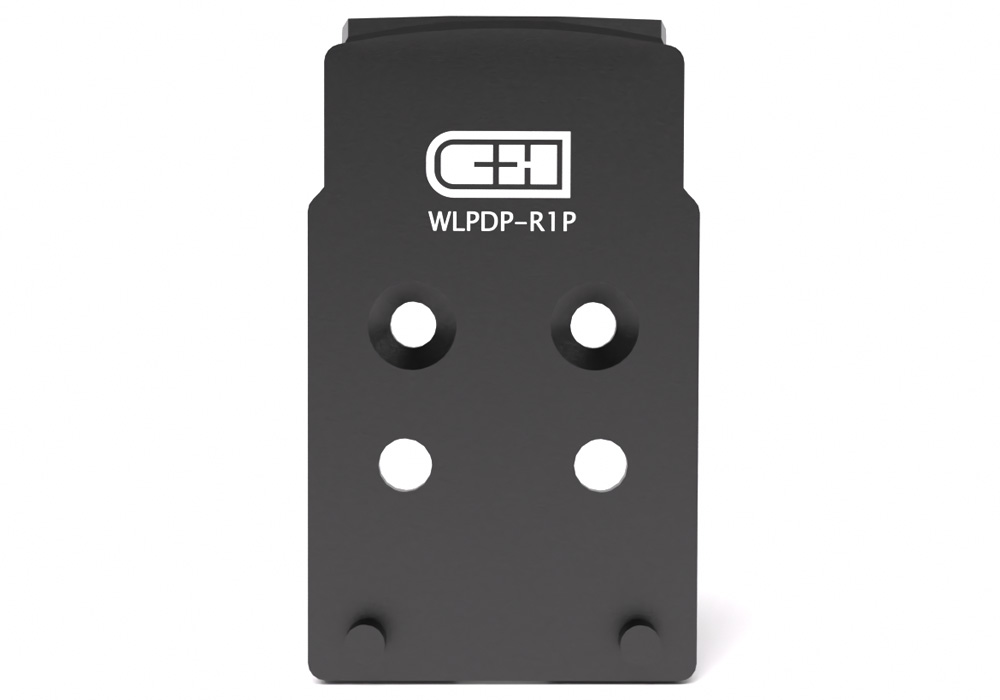
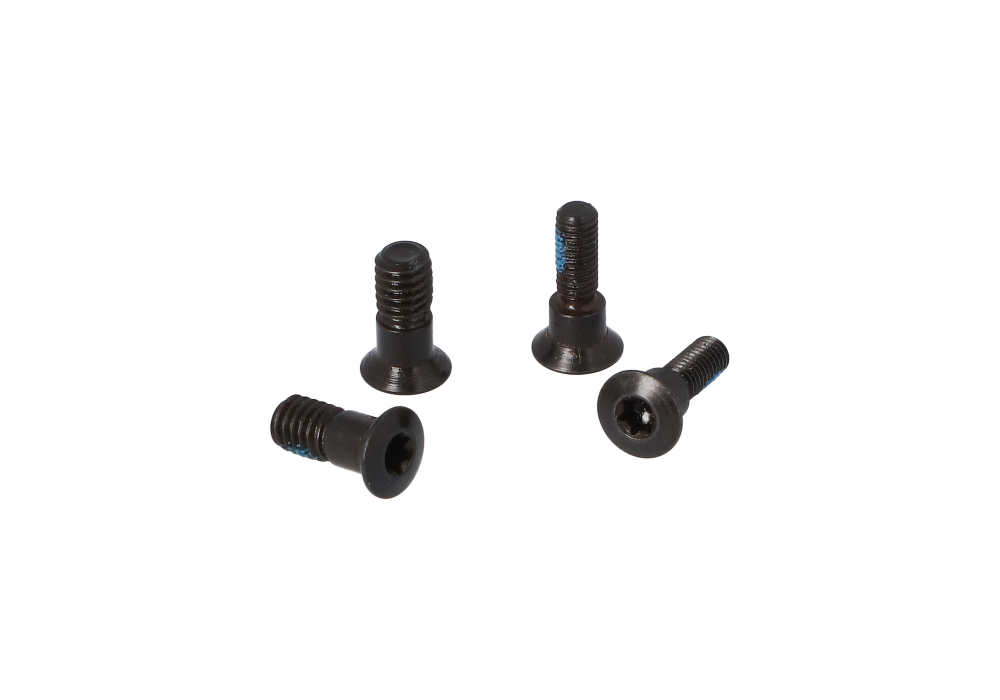
Replacement hardware for pistol optics includes mounting screws, adapter plates, battery caps, battery-tray screws, and other small components used to secure or service a handgun sight. Some hardware connects the optic directly to a compatible slide cut, while other components support an installation that uses an intermediate mounting plate. The right replacement depends on the optic model, the handgun’s mounting interface, and any plate between them; a similar appearance alone does not establish compatibility. Two screws can share a head style yet differ in thread diameter, thread pitch, overall length, or the shape of the surface beneath the head. Those differences matter because the fastener must suit both the threaded connection and the part it secures. A screw that is too long may interfere with components beneath the mounting surface, while one that is too short may provide insufficient thread engagement. Adapter plates introduce another consideration: the optic-to-plate connection and the plate-to-slide connection can require different fasteners. Mounting footprints also involve more than screw spacing. Locating features, recoil bosses, pocket dimensions, and supporting surfaces can affect whether an optic and plate fit together as intended. Battery-related hardware has its own requirements, including cap diameter, thread design, tray geometry, and any specified seal. Replacement hardware for pistol optics is therefore best understood as a group of application-specific parts rather than interchangeable general-purpose fasteners. The most useful compatibility information identifies the exact optic, handgun configuration, plate, and hardware position involved. Model generations can matter, too, particularly when an updated housing or mounting system changes the required screw dimensions. A familiar-looking screw from another installation is not necessarily an equivalent replacement. Matching the documented specifications helps preserve the intended fit without relying on guesswork. That attention to small distinctions is especially valuable when a mounting arrangement contains several similar-looking parts with separate roles.
Materials and finish influence how replacement optic hardware handles repeated use, moisture exposure, and routine maintenance. Steel fasteners are common, with alloy, hardness, protective finish, and manufacturing tolerances contributing to their suitability for a particular application. Stainless steel and coated steel offer different characteristics, but material alone does not determine whether a screw belongs in an optic mount. Strength, dimensions, head geometry, and compatibility with the surrounding components remain essential. Adapter plates may use aluminum or steel, depending on the design, with their thickness and machining affecting how the optic sits on the slide. A properly matched plate provides the intended contact surfaces and locating features rather than simply filling the space beneath the sight. Battery caps and trays may combine metal or polymer components with seals that help limit moisture and debris intrusion when the assembly is intact and correctly fitted. Even a small sealing ring deserves attention if it is part of the original design. Durability also depends on the condition of the hardware in service. Rounded screw recesses, damaged threads, corrosion, distorted caps, and worn seals can complicate maintenance or compromise the connection they support. A clean, undamaged screw head gives the correct driver a more secure engagement than one already scarred by an ill-fitting bit. Care considerations include keeping loose components organized, protecting threaded surfaces from contamination, and following the equipment manufacturer’s requirements for cleaning products, tightening specifications, and any thread-locking treatment. More tightening force is not a substitute for correct fit, and thread-locking compounds are not universal solutions for mismatched or damaged hardware. Some fasteners have a specified reuse limit or a factory-applied locking feature, so replacement requirements can differ even between otherwise similar installations. When the condition of a threaded mounting point is uncertain, evaluation by a qualified armorer can help distinguish a hardware issue from damage to the optic, plate, or slide. The goal is a sound connection that remains serviceable, not merely a screw that turns into the opening.
Replacement hardware serves a practical role for recreational shooters, competitive shooters, professional users, and handgun owners who maintain an established optic setup. The need may be straightforward: a screw goes missing while an optic is off the slide, a battery cap develops a damaged tool slot, or an existing plate no longer suits a different mounting configuration. In each case, the replacement should correspond to the actual connection rather than the broad description “pistol optic screw.” Compact installations deserve particular attention because small housings and mounting surfaces can leave little room for differences in screw heads, plate contours, or battery-access hardware. Compact Pistol Optic Hardware Sets are relevant to those configurations, with compatibility still determined by the equipment and mounting arrangement involved. A grouped hardware set can help keep application-specific components together, but its contents should correspond to the intended service task; mounting screws, plate screws, and battery-access parts are not interchangeable roles. For a competition handgun that sees frequent practice, consistent mounting fit supports confidence in the sighting setup across repeated range sessions. For a regularly carried handgun, low-profile hardware and secure battery closures matter alongside protection from lint, perspiration, and everyday handling. For an owner maintaining more than one optic-equipped pistol, clearly identified spare hardware can prevent confusion between fasteners that look nearly identical on the workbench. Original packaging or a labeled parts container helps preserve that identification after small components are separated from the equipment. Useful records include the optic model, plate designation, screw specification, and the manufacturer’s service requirements. These details become especially helpful when a sight returns to service after storage or moves to another compatible configuration. Well-matched replacement hardware supports the continued use of existing equipment without treating every small service need as a reason to replace an entire optic assembly. Its value lies in precise fit, appropriate materials, intact fastening and sealing surfaces, and a clear match to the mounting system it serves.