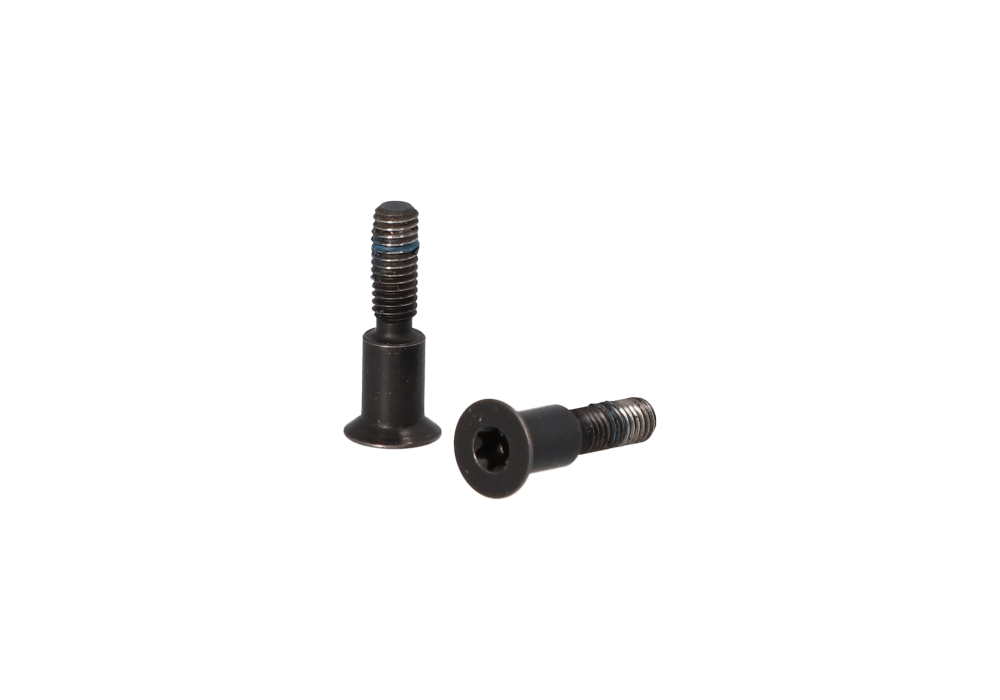
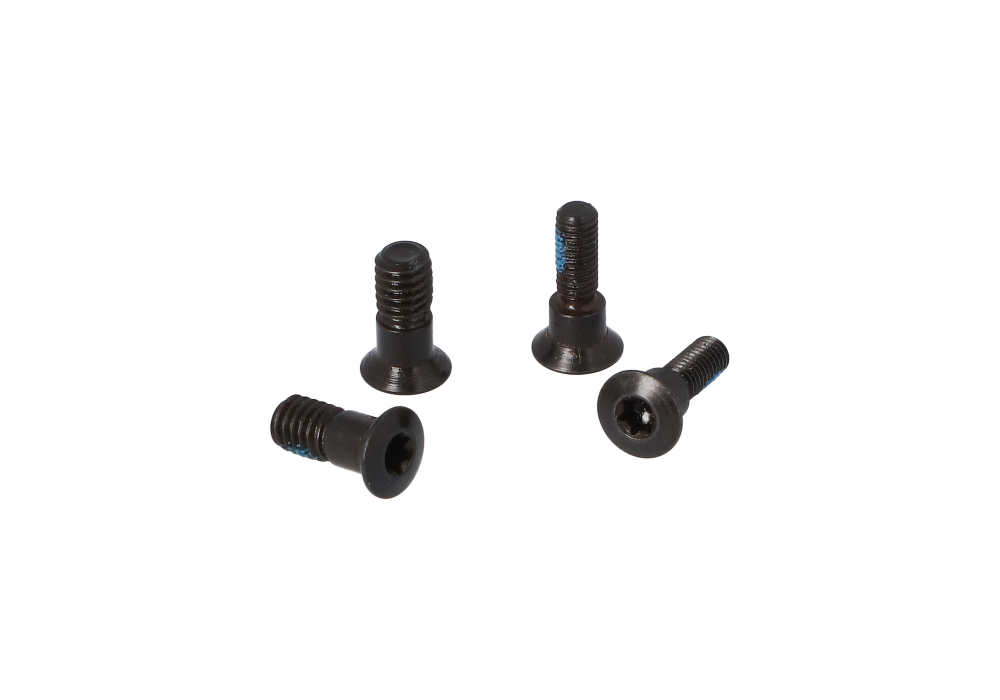
Compact pistol optic hardware sets are groups of mounting components used to attach a compatible red dot sight to an optics-ready handgun slide. Depending on the intended mounting arrangement, a set may include screws, an adapter plate, alignment pins, washers, or a tool for the supplied fasteners. Some sets contain only replacement screws, while others support a particular plate-and-optic interface. The important distinction is that compact describes the general application, not a universal mounting standard. A small sight and a compact pistol can look well matched yet require very different hardware from another combination of similar size. Compatibility depends on the slide cut, the optic footprint, the mounting arrangement, and the specifications of each fastener. An optic footprint is the pattern of mounting holes and locating features on the underside of the sight. That pattern must correspond with the slide or with an appropriate adapter plate; visual similarity alone does not establish a match. Screw diameter, thread pitch, length, and head shape also matter, since a fastener must suit both the threaded opening and the surface it secures. A screw that appears to fit can still be unsuitable for the assembly. For a pistol that accepts a sight directly, the relevant hardware may differ from the components required when a plate sits between the sight and slide. Even within a familiar handgun family, variations in slide design or production generation can change the requirements. Clear compatibility information is therefore more useful than a broad claim that a hardware set fits compact pistols. Manufacturer documentation for the handgun, optic, and mounting plate provides the reference point for comparing these details. For someone replacing missing hardware or pairing an existing sight with a different compatible handgun, identifying the complete mounting arrangement helps distinguish an appropriate set from a collection of similar-looking parts. Package contents deserve the same attention: an image showing several components does not replace a precise description of what the set includes and which interface each component serves.
Materials and construction influence how mounting hardware holds up to repeated use, maintenance, and handling. Steel fasteners are common in these assemblies, while mounting plates may use steel or aluminum, depending on the design. Neither material name alone tells the full story. Dimensions, machining quality, material treatment, and protective finishes all contribute to how a component performs in its intended application. Cleanly formed threads, consistent screw heads, and accurately positioned openings matter more than an elaborate appearance. A protective finish can help limit corrosion, but no finish eliminates the need for appropriate care, especially around perspiration, cleaning residue, and routine handling. Plate surfaces and locating features also need to remain free of damage that could affect how the parts seat together. Because the sight rides on a moving slide, its mounting interface experiences repeated mechanical stress; the hardware needs to match the complete assembly rather than simply look substantial. Longer screws are not automatically more secure, and additional components are not automatically beneficial. Correct dimensions and the specified mounting arrangement take precedence over assumptions about size or strength. Any installation requirements, including tightening specifications and the suitability of a thread treatment, should come from the relevant manufacturers rather than a general recommendation applied to every pistol. A qualified gunsmith can help resolve unclear compatibility information or assess a mounting surface with visible wear. For ongoing care, manufacturer-approved cleaning practices help protect finishes without introducing unnecessary residue around the interface. Rounded screw heads, damaged threads, corrosion, or a sight that no longer sits firmly warrant attention rather than repeated tightening. Small components also benefit from organized storage: a labeled container that identifies the associated handgun, sight, and plate is more useful than a loose assortment of black screws in a range bag. Keeping the original documentation with spare hardware preserves the details that can be difficult to distinguish by sight alone. Replacement parts should match the specified application, not merely the appearance of the part being replaced.
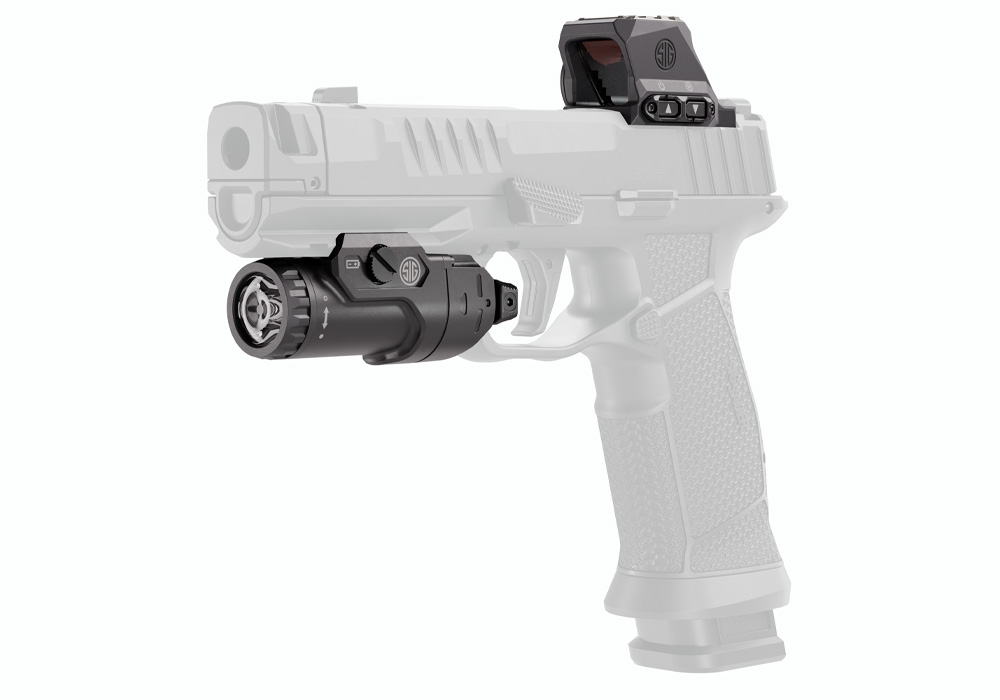
These hardware sets serve handgun owners who need compatible components for a new optic pairing, maintenance, or replacement of missing or worn mounting parts. Range shooters may value a clearly identified spare set for an established setup, while competitors and people who train regularly may want the correct replacement components documented alongside their other maintenance supplies. For a compact pistol used for lawful personal protection, a secure, correctly matched optic interface is part of the broader attention given to equipment condition and function. Hardware does not change the sight’s features or replace training, and a compatible mounting arrangement is not a guarantee that the sight is properly zeroed. Its role is narrower and essential: connecting the components as their designers intended. Practical fit also extends beyond the threaded connection. A mounting plate can influence the sight’s height above the slide, which may affect its relationship with the pistol’s iron sights and other compatible accessories. Those relationships depend on the complete setup, so a low-profile appearance should not substitute for documented compatibility. A familiar scenario is an owner retaining a compact red dot sight while changing to another handgun: the optic may remain suitable, but the original screws or plate may not transfer with it. Another is a maintenance session interrupted by a worn fastener, when a correctly labeled replacement set is far more useful than an unidentified assortment. Hardware can also be a thoughtful gift for an experienced handgun owner when the exact application is known, although guessing from the pistol’s general size is unlikely to provide enough information. The recipient’s documented mounting requirements are the better reference. Shoppers comparing hardware across firearm platforms can also explore Compact Rifle Optic Kits for a separate category of optic-related components; pistol and rifle mounting hardware should not be treated as interchangeable. Within compact pistol optic hardware, the most useful comparison remains straightforward: the intended interface, included components, material specifications, and care requirements. Those details help identify hardware suited to the existing equipment without relying on appearance, broad fit claims, or assumptions about what belongs in every set.