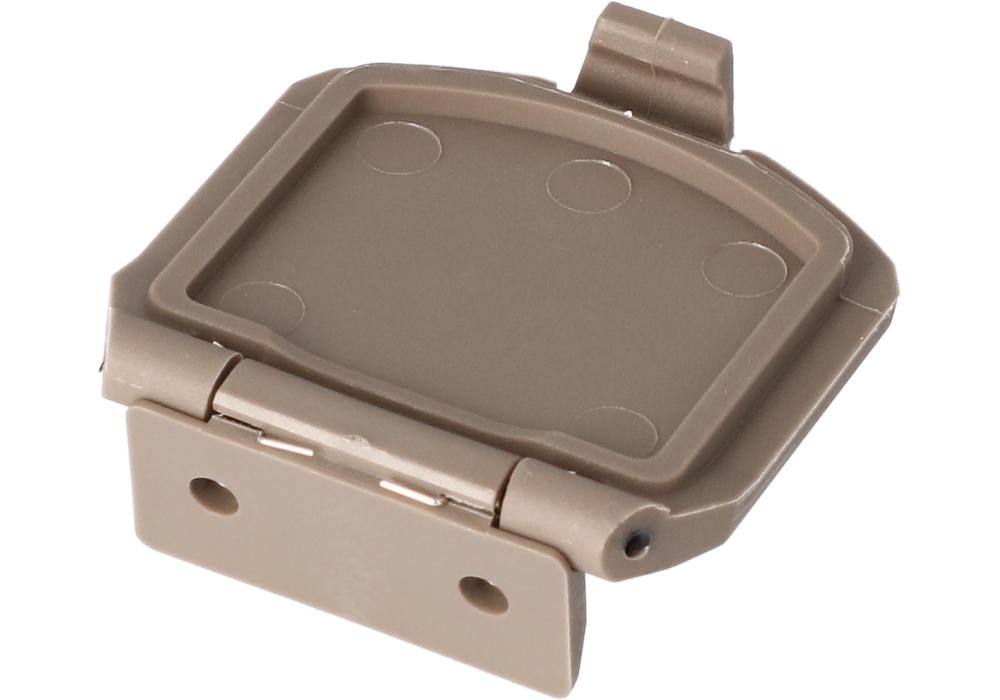
Factory replacement flip up covers for optics provide a practical way to protect exposed lenses without changing the fit, balance, or clean profile of a trusted optic. Designed around the dimensions of a specific scope or sight housing, these covers are typically a better match than a universal option when maintaining a secure fit matters. Closed covers help shield objective and ocular lenses from dust, rain, mud, airborne grit, brush, and the occasional bump against a vehicle, safe, or range bag. That protection is especially useful when an optic moves between storage and the field, where a small amount of debris can leave a distracting spot in the sight picture or create extra cleaning work. When the optic is ready for use, flip-up covers open quickly and fold back against the housing, helping keep them out of the way while preserving access to turrets, illumination controls, and other adjustments. A well-matched replacement can also restore the original appearance and function of an optic after a cover is lost, damaged, or worn from repeated use. Shoppers comparing factory replacement flip up covers for optics should begin with the exact optic make, model, tube or bell dimensions, and generation, since even closely related configurations may use different attachment points or cover sizes. Confirm whether the cover attaches by threading, friction fit, a hinge, or another dedicated mounting method, and check that the listed part is intended for the front or rear lens as needed. A precise fit reduces movement and helps prevent a cover from shifting into the field of view, while a low-profile design can lay flat or fold completely back when open. These details matter on a rifle carried through dense cover, a precision setup used from a bench, or an optic stored in a crowded case where protruding accessories can catch on fabric and straps.
Material and sealing features are also worth considering. Flexible rubber and resilient polymer covers can be lightweight and quiet when handled around equipment, while reinforced or rigid construction may appeal to users who want additional resistance to impact and repeated outdoor use. Some designs use tight-fitting edges or integrated O-rings to help keep moisture and fine debris away from the lens, an advantage during wet range sessions, dusty trails, or long periods of transport. Spring-loaded hinges and positive-stop positions can make opening more consistent, while a cover that stays securely closed helps protect the glass during storage. Buyers should look for a design that opens naturally with the hand position used on their setup and does not interfere with magnification rings, throw levers, bolt handles, charging handles, or other controls. The best replacement is not necessarily the most elaborate option; it is the one that matches the optic’s housing, clears surrounding equipment, and supports the way the optic is actually carried and used. Users who spend time outdoors may appreciate weather-resistant covers that can be closed before moving through wet grass or changing conditions. Range users may value a simple, flush-fitting design that keeps lenses clean between strings of fire. Hunters and field observers often benefit from quiet operation and a secure hinge, particularly when equipment is handled carefully in cooler months and changing weather. For anyone assembling a dependable optic setup, replacement covers are a modest accessory with a noticeable effect on maintenance, readiness, and lens protection. They can also make a thoughtful gift for a hunter, competitive shooter, outdoors enthusiast, or new optic owner, especially when the exact model is known and the replacement restores a missing part of a familiar setup.
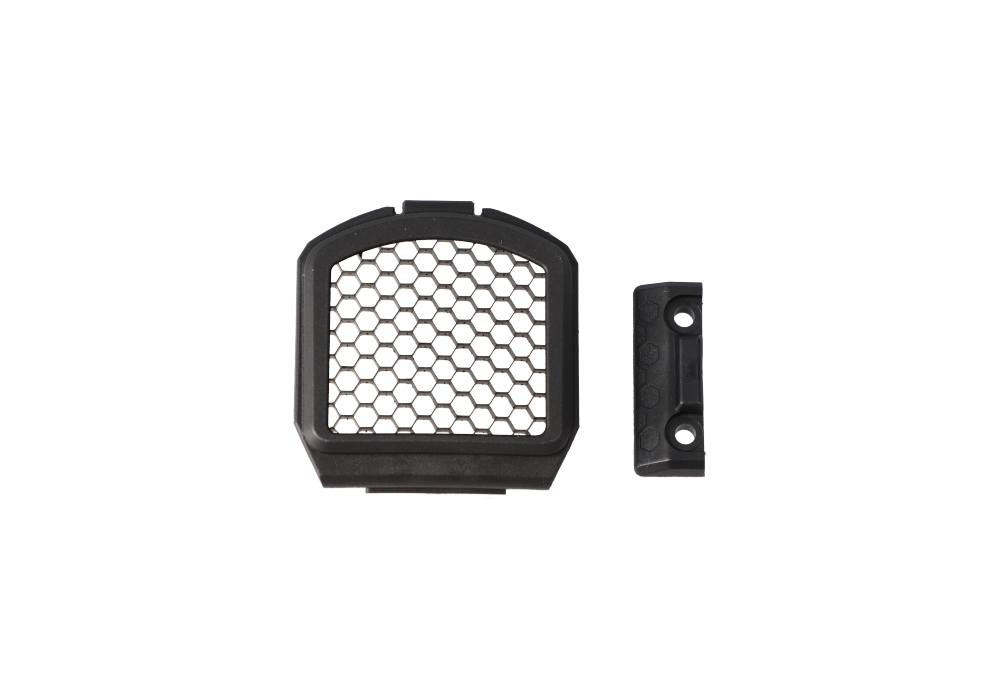
Before adding a replacement to an order, compare the manufacturer’s fit information with the markings on the optic and inspect the existing cover, hinge, rim, or mounting surface for clues about the required configuration. Measurements should be taken from the appropriate housing area rather than from the lens itself, since the outer body determines how the cover attaches and whether it clears nearby controls. It is also helpful to consider how the optic is stored: a cover that folds fully back may be preferable for a compact case, while a cover with multiple open positions can provide flexibility when access or clearance changes. Integrated features may be available on select factory designs, including provisions for a spare battery or a built-in viewing screen intended to reduce glare; shoppers should verify compatibility and intended use before choosing one. Replacement lens protection is only one part of good optic care, so lenses should still be handled with clean hands, brushed free of loose grit, and cleaned with suitable materials rather than clothing or abrasive fabric. For additional options that serve a similar protective purpose across range-oriented setups, explore Replacement Lens Covers for Range Optics. Whether replacing a misplaced original, refreshing an older optic, or preparing equipment for regular use during the warmer and cooler stretches of the year, a properly matched flip-up cover helps keep the glass ready, the profile unobtrusive, and the overall setup dependable from storage case to firing line.