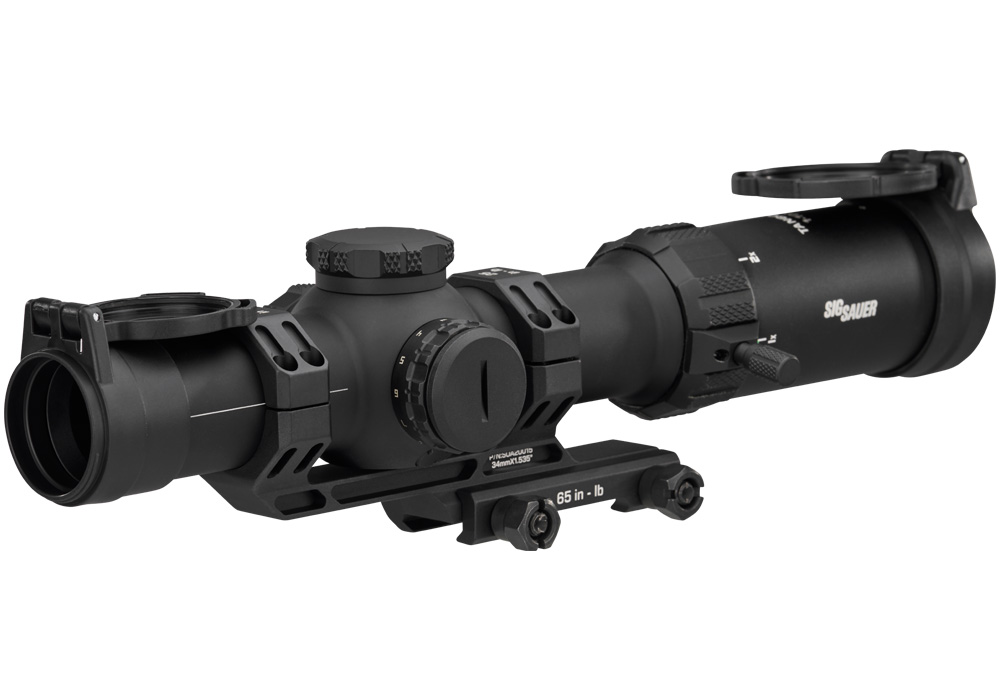
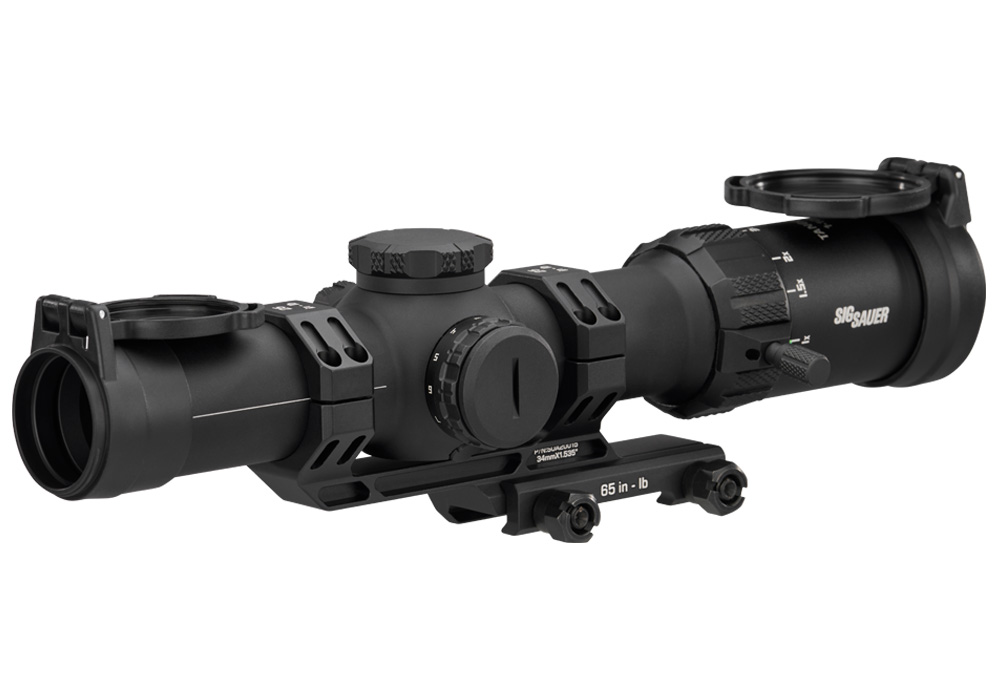
Aftermarket lens covers for micro sights help protect compact optic lenses from scratches, dust, fingerprints, and other debris during storage and transport. Their main purpose is straightforward: place a protective barrier between the glass and the objects that share a case, bag, or storage compartment. A compact red dot sight can sit close to a zipper, a cleaning kit, or the textured lining of a range bag, and exposed lenses can collect grit even when the optic housing looks clean. A properly fitted cover helps limit that contact without adding unnecessary bulk. Common styles include flip-up lens caps, flexible bikini covers, full-body rubber or thermoplastic polyurethane covers, and neoprene slip-on sleeves. Each approach suits a different handling routine. Flip-up caps remain attached to the sight and swing clear when opened, reducing the number of loose accessories to keep track of at the range. Bikini covers typically connect two lens caps with flexible straps, offering a simple way to cover both ends of an enclosed optic between uses. Full-body covers wrap around more of the housing and may incorporate lens flaps that fold back against the sight. Slip-on sleeves surround the optic for storage or transport and are removed before use. These styles are not interchangeable across every micro sight, and their protection depends on the design, material, and fit. A cover can help keep loose debris away from the lens, but it should not be treated as a substitute for a protective case or assumed to create a waterproof seal. For recreational shooters, competitors, and owners who transport equipment regularly, the most useful design is often the one that fits securely and integrates naturally with the way the optic is stored. A low-profile cover that stays in place inside a padded case serves a different need from hinged caps intended to remain attached throughout a range session. Neither approach is universally better; the right choice balances coverage, clearance, and ease of handling.
Fit deserves particular attention with aftermarket lens covers for micro sights because similar-looking optics can have different external dimensions. A description such as 1x20 identifies an optical format, not a universal specification for the outside of the housing. Lens opening diameter, housing width, front and rear profiles, control placement, and mounting height can all affect whether a cover seats correctly. Compatibility should be confirmed against the exact sight model and the cover’s stated application rather than appearance alone. Enclosed micro red dot sights often accept front and rear caps, while open-emitter designs can require a differently shaped protective cover. Mounts and nearby accessories matter, too. A cap that fits the optic body may still need clearance to rotate without touching a mount, an adjustment control, or another accessory positioned behind the sight. When open, the cover should stay clear of the viewing path and avoid blocking access to controls. When closed, it should seat without forcing a hinge or pressing against the lens. Materials influence both that fit and the way a cover feels in everyday handling. Flexible rubber can stretch over contours and provide a cushioned barrier, while thermoplastic polyurethane offers a pliable option for shaped covers that wrap around a housing. Rigid polymer caps hold a defined shape and often use hinges or retaining rings to stay attached. Neoprene sleeves provide soft coverage over a broader area, although their fabric surfaces can collect lint and should be kept clean inside. Material alone does not determine durability: wall thickness, hinge construction, attachment points, and the quality of the fit also matter. A strap that is constantly stretched or a hinge that catches against the case lining can become a weak point over time. Close-fitting edges, secure retention, and an opening motion that feels smooth are useful qualities to consider. Covers should provide protection without creating strain on the optic, disturbing its adjustments, or requiring excessive force to install or remove.
Routine care helps lens covers remain useful instead of becoming another source of dirt near the glass. Before closing a cover, check that its interior is free of grit, lint, and oily residue. A small particle trapped between a cap and a lens can work against the protection the cover is intended to provide, especially when equipment moves around in transit. Loose particles should be removed with an appropriate lens-cleaning tool before the glass is wiped, and any cleaning solution should be suitable for the optic’s lens coatings. A clean microfiber cloth is useful for lens care, but a cloth that has been loose in a range bag may carry abrasive debris of its own. Cover care should follow the material’s instructions; harsh cleaners or firearm-maintenance solvents can affect flexible components, adhesives, or finishes. Covers should be clean and dry before they are placed over the sight for storage. Periodically inspecting hinges, straps, retaining edges, and sleeve seams can reveal wear before a cover stops staying securely in place. It is also worth checking how the covered optic sits in its case. Foam cutouts should accommodate the cover without forcing caps sideways, and a bag compartment should not pull on a flap or strap every time equipment is removed. These small details matter for owners who travel to organized matches, visit a local range, or store a compact sight between occasional outings. Lens covers can also be a practical gift for an optics enthusiast, provided the exact sight model and preferred cover style are known; a similar shape is not enough to establish compatibility. For equipment with different dimensions or protection needs, Replacement Lens Covers for Range Optics provides a related category to consider. The goal remains consistent across these accessories: protect exposed optical surfaces, preserve convenient access, and keep the sight ready for its intended use without adding awkward bulk. A well-matched cover is a modest accessory, but its secure fit and straightforward handling can earn it a regular place in an equipment routine.