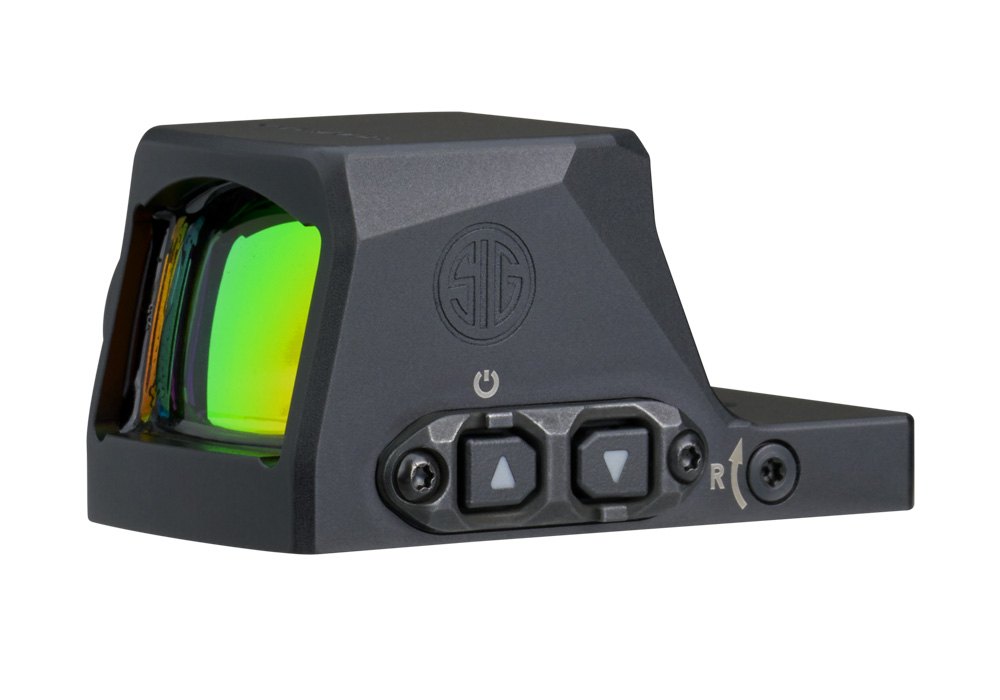
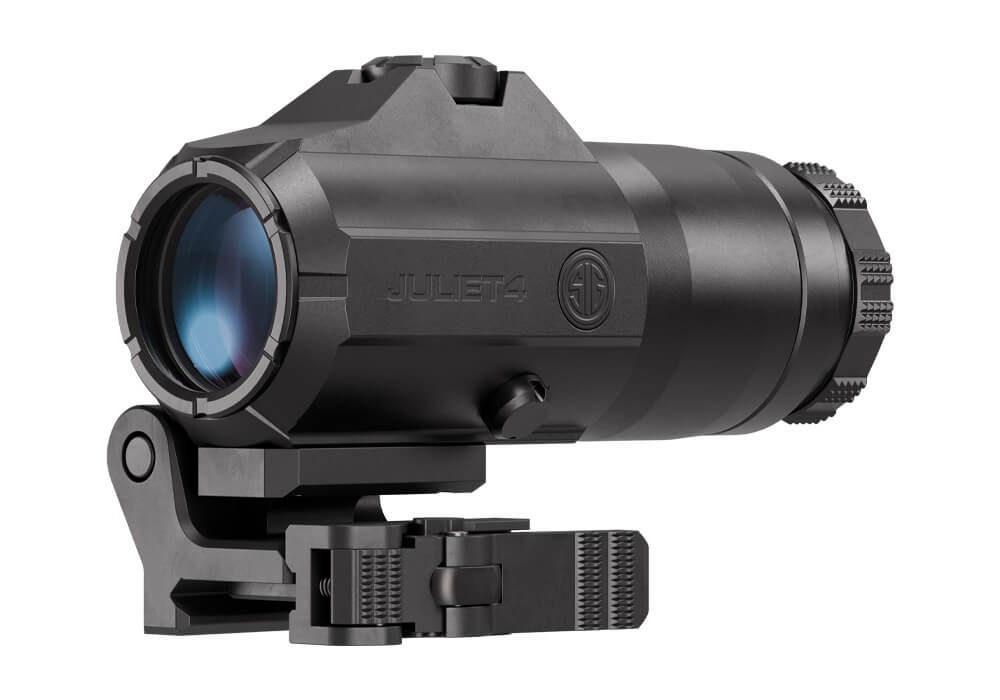
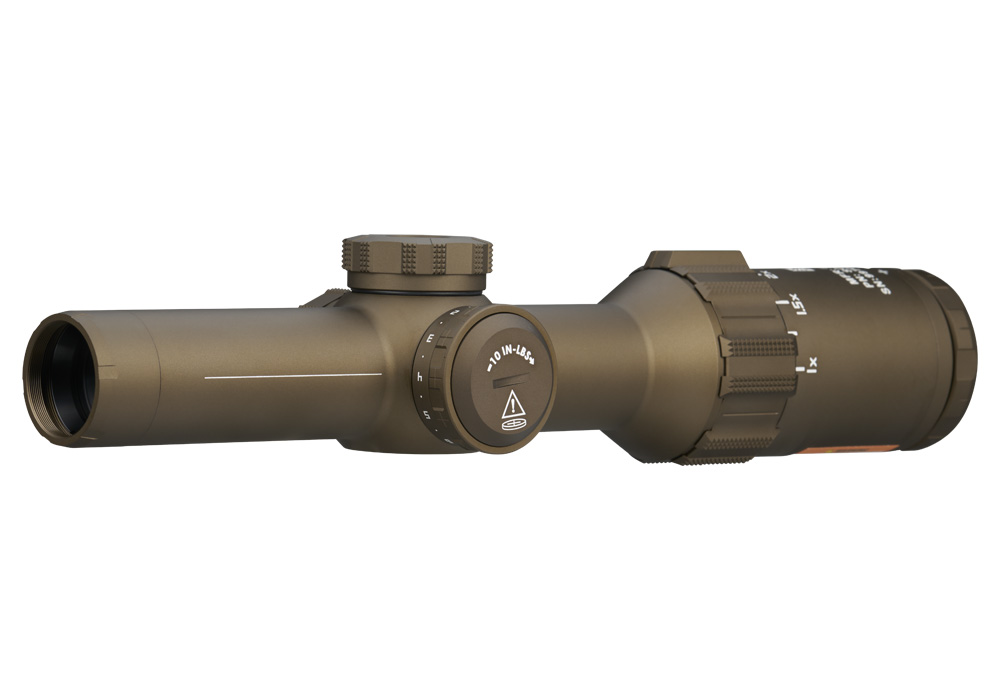
Optics upgrades expand the ways a firearm’s sighting system can support target shooting, hunting, and other lawful shooting activities. Common upgrade categories include reflex sights, red dot sights, magnifiers, variable-power rifle scopes, and compatible optic-ready slide assemblies. Each serves a different purpose, so the most useful upgrade depends on the firearm, the distances involved, and the shooter’s preference for sight picture and handling. A red dot sight uses an illuminated aiming point to simplify visual alignment without adding magnification. Reflex sights belong to this broader family and provide a viewing window through which the shooter sees the reticle over the target. These designs are often valued for an uncluttered sight picture during close-range target work, though their usefulness is not tied to a universal distance limit. A magnifier adds optical magnification behind a compatible nonmagnified sight, helping the shooter see smaller target details more clearly. It does not change the firearm’s mechanical accuracy or replace an assessment of the target and its surroundings. Low-power variable optics, often called LPVOs, offer an adjustable magnification range that can accommodate both a broad view at lower settings and closer examination of distant targets at higher settings. Other variable-power scopes emphasize greater magnification for applications where small details deserve more attention. For a range session centered on large paper targets, a simple illuminated dot may provide all the visual information needed. On a small bull’s-eye farther downrange, additional magnification can make the aiming area easier to distinguish. Reticle design also affects the experience: a fine aiming point may obscure less of a small target, while a larger point can be easier to notice. Neither is automatically better. Optical clarity, usable brightness settings, field of view, and the way the reticle appears to an individual’s eyes all influence whether an upgrade feels natural rather than distracting.
Fit is as important as optical performance because a sighting system is only as useful as its compatibility with the firearm beneath it. An optic-ready pistol slide does not necessarily accept every reflex sight directly; mounting footprints, adapter plates, screw specifications, and clearance requirements can differ. Compatible slide assemblies can provide an option for certain upgrades, but the firearm model, configuration, and manufacturer’s requirements still determine suitability. Rifle optics introduce their own considerations, including rail compatibility, mounting height, ring diameter, and sufficient clearance around adjacent components. Eye relief—the distance between the eye and the optic at which the intended image is visible—deserves particular attention with magnified scopes. The eye box describes the area in which the shooter can maintain a usable view, and a forgiving eye box can make an optic more comfortable across different shooting positions. A compact sight may preserve a familiar balance on a pistol, while a scope and mount can noticeably change the weight and handling of a rifle. That difference matters on a supported range bench and becomes especially apparent when a firearm is carried for an extended outing. Materials and construction help explain those tradeoffs. Aluminum housings are common because they combine relatively low weight with structural strength; protective finishes can help resist surface wear. Mounting hardware and internal components must also withstand the recoil associated with the intended firearm. Lens coatings can improve light transmission, reduce reflections, or protect exposed glass, although coating descriptions alone do not establish overall image quality. Open-emitter reflex designs leave the emitter area more exposed, while enclosed-emitter designs place it within a protective housing. Housing design, sealing, turret construction, and battery-compartment layout all contribute to durability and everyday convenience. Published compatibility information and installation requirements deserve close attention, particularly when an upgrade involves both an optic and a slide or mounting interface. Qualified professional installation is appropriate when the fit or required work falls outside the owner’s experience.
Living with an optic involves more than comparing magnification numbers or reticle illustrations. Controls should suit the intended use, with brightness adjustments, illumination settings, and scope adjustments that are understandable and accessible without interfering with normal handling. Battery life is useful context for illuminated sights, but the stated runtime may depend on brightness settings and operating features. An etched reticle on a magnified optic may remain visible without illumination, while an electronic-only aiming point depends on a functioning power source. Battery access is another practical detail: some compartments are accessible without removing the optic, while others require more involvement. For frequently used range equipment, that distinction can affect maintenance convenience. Care is generally straightforward when it follows the manufacturer’s recommendations. Loose grit should be cleared before the glass is wiped, and appropriate lens-cleaning materials help preserve coatings that ordinary household cleaners or abrasive cloths could damage. Protective covers can limit contact with dust and other debris during storage or transport. Mounting interfaces, adjustment controls, and accessible hardware also warrant periodic attention according to the manufacturer’s instructions, with the firearm unloaded and handled safely during inspection or care. A durable optic still benefits from thoughtful storage and protection from unnecessary impacts. Shooters who practice regularly may value consistent controls and a familiar sight picture more than extra features, while hunters may prioritize manageable weight, clear target detail, and a reticle suited to their lawful application. Someone choosing an optics upgrade as a gift should know the recipient’s firearm configuration and shooting interests; mounting compatibility and personal reticle preferences make these accessories less interchangeable than they first appear. Related options in Advanced Optics offer another place to explore sighting technology with those considerations in mind. The strongest upgrade is not necessarily the largest scope or the most elaborate illuminated reticle. It is a well-matched combination of optical performance, secure fit, manageable weight, and dependable controls that supports the firearm’s intended role without adding unnecessary complexity.