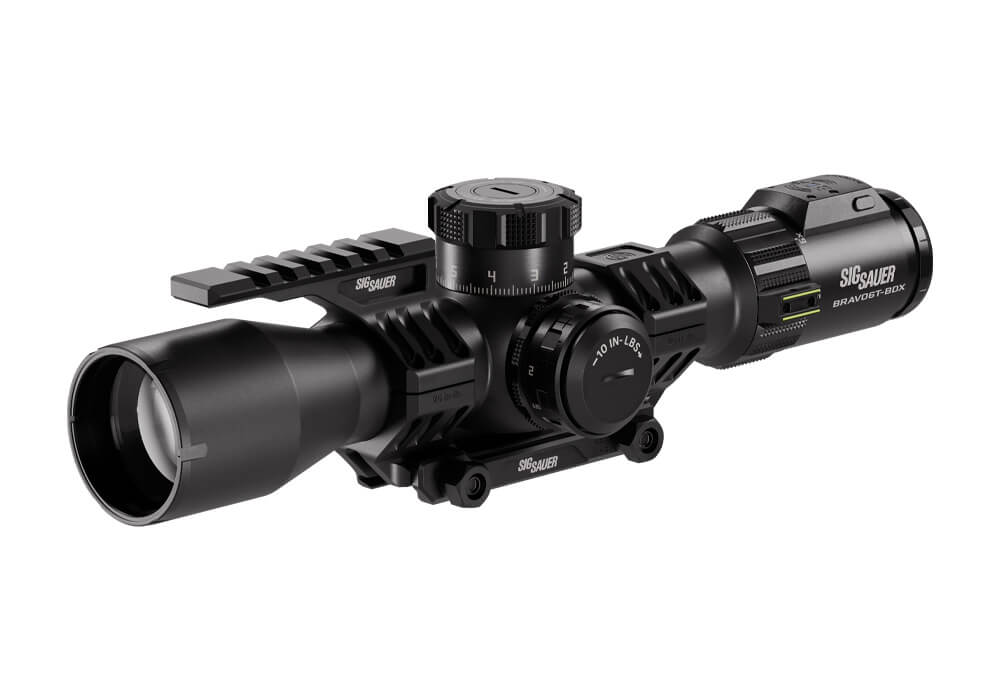
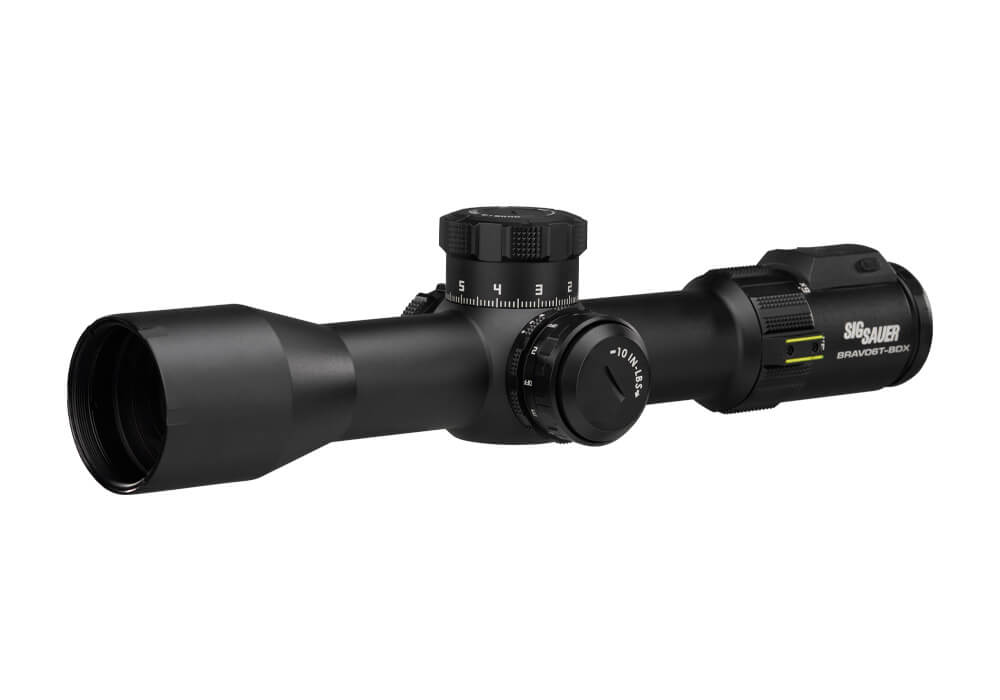
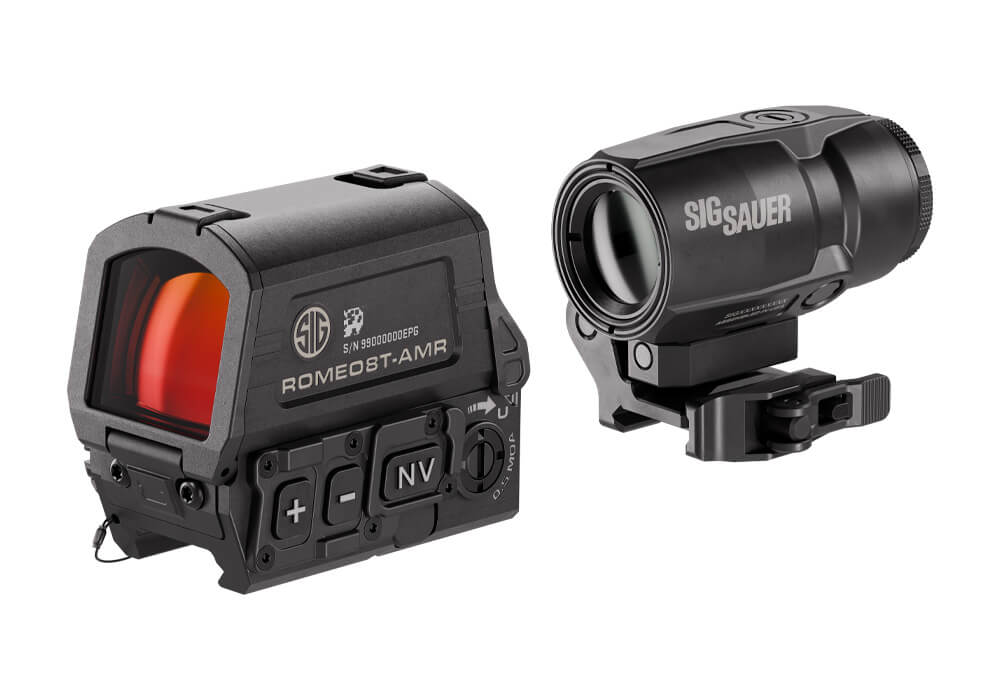
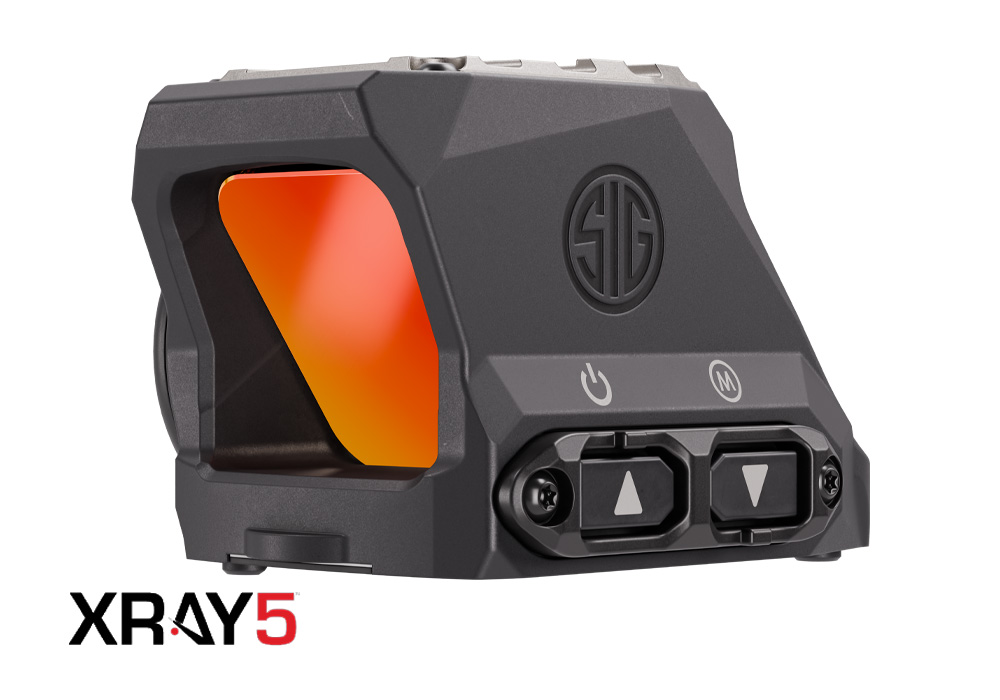
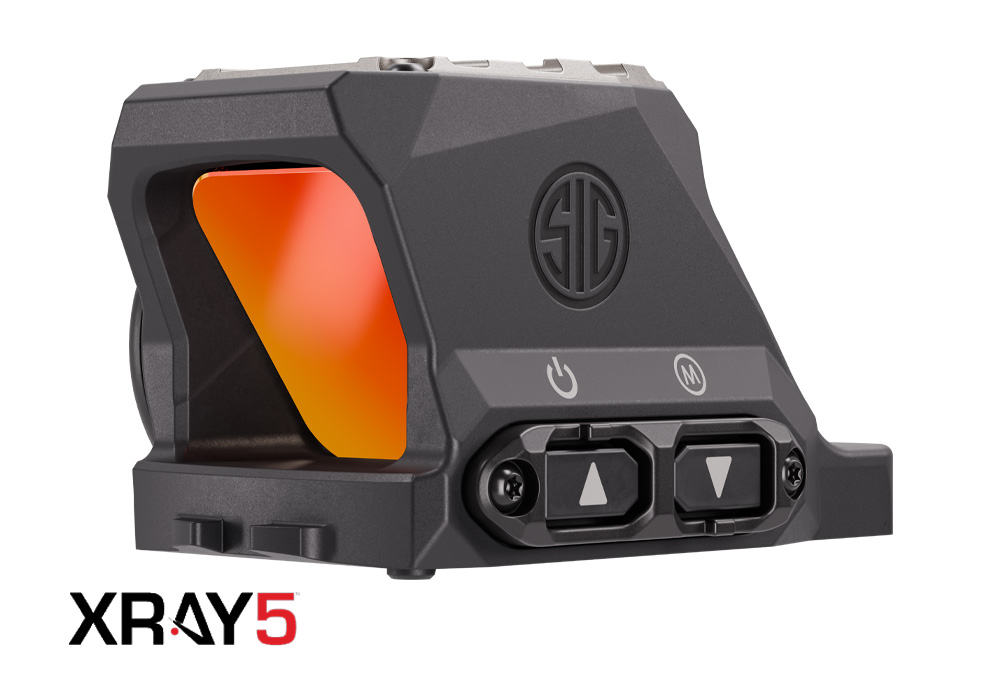
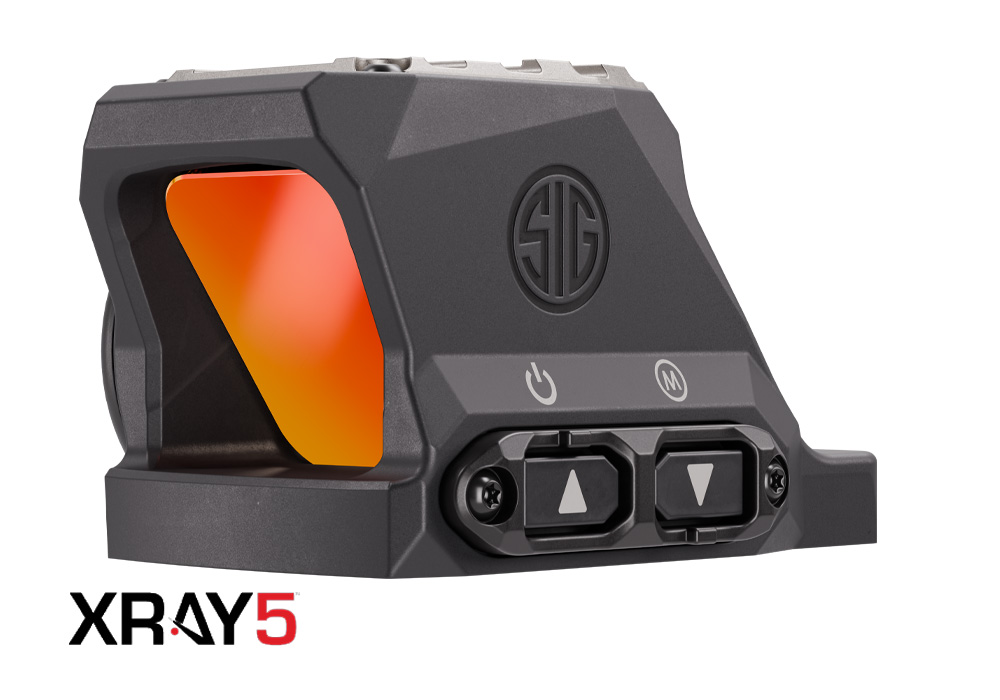
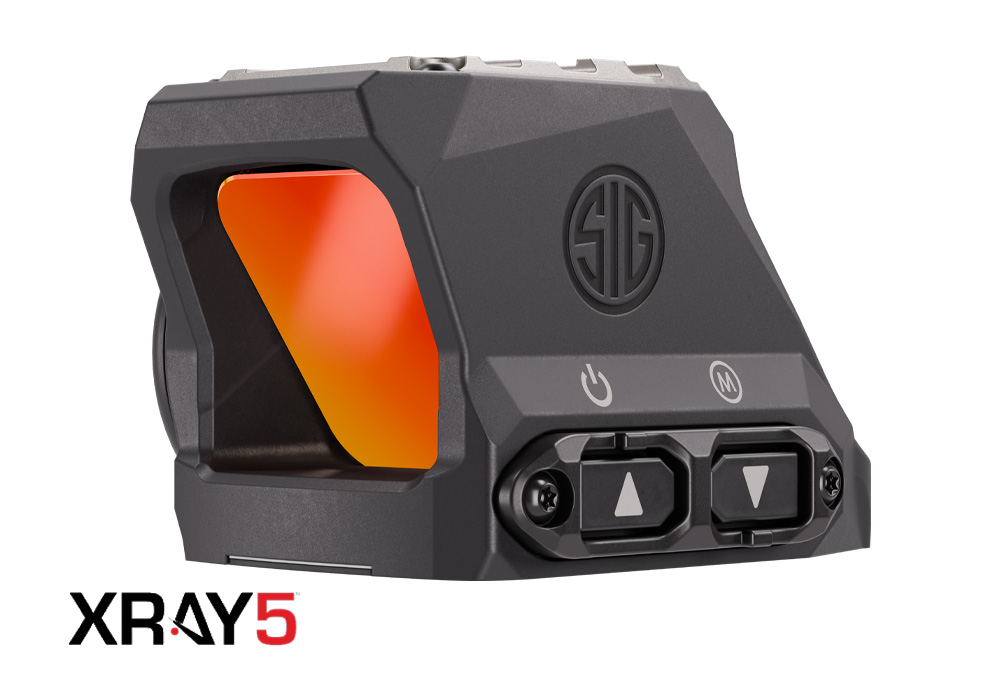
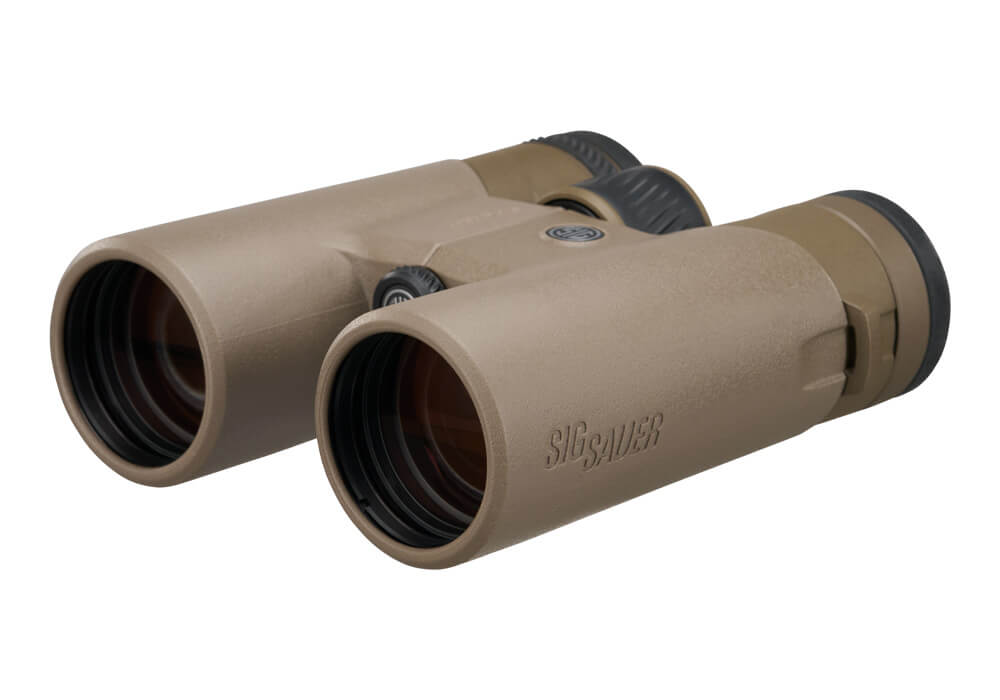
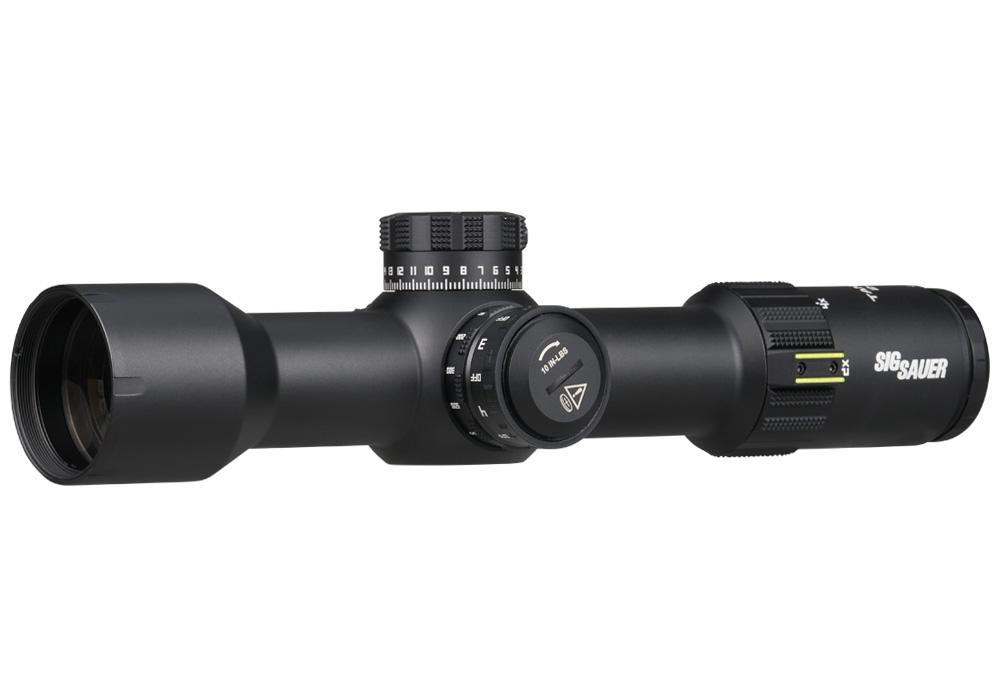
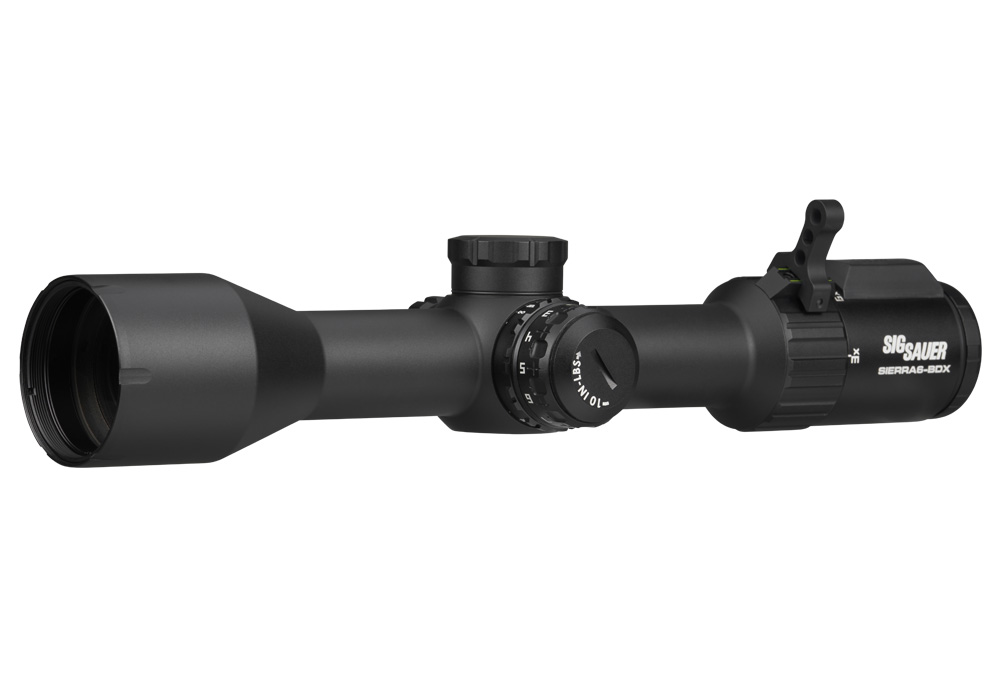
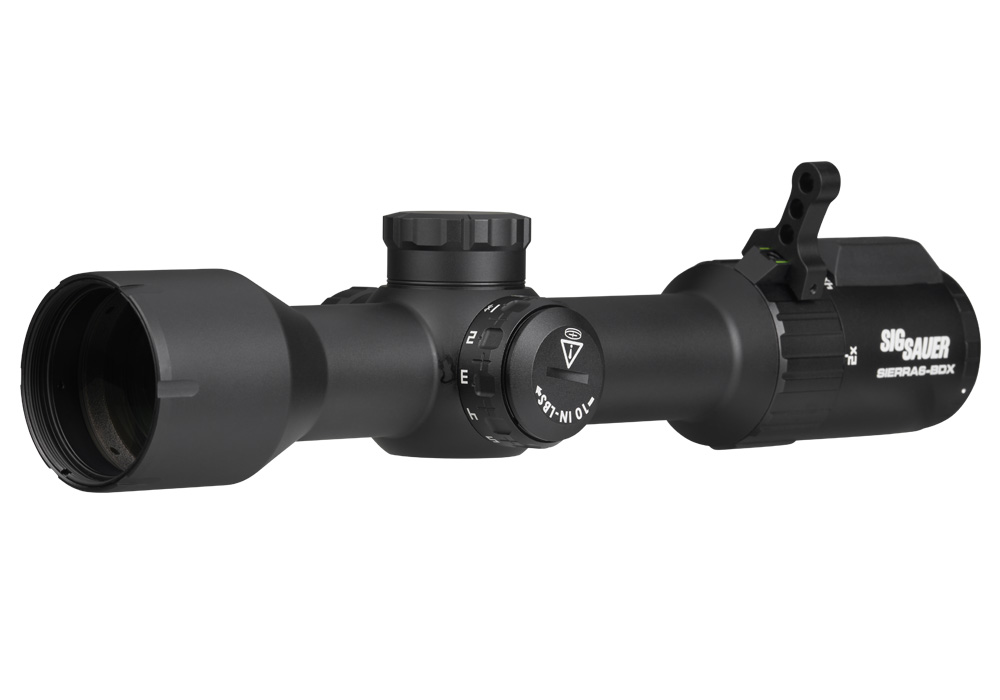
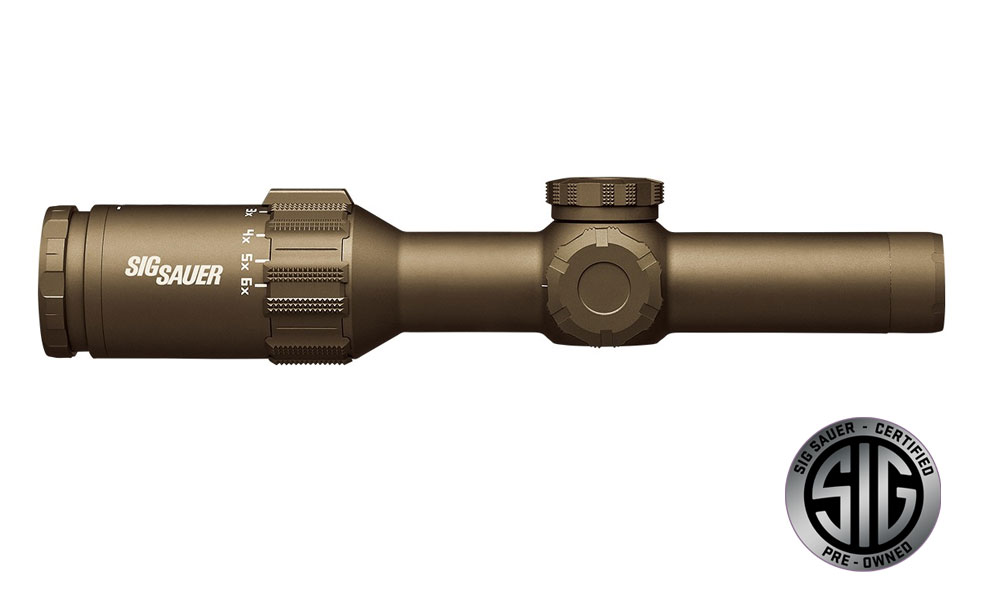
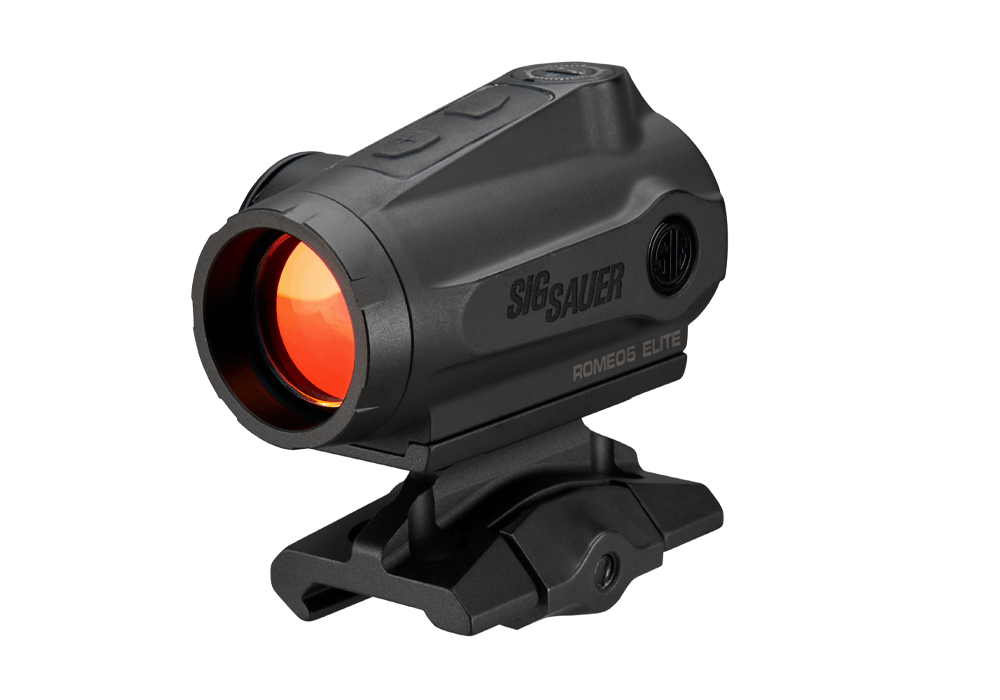
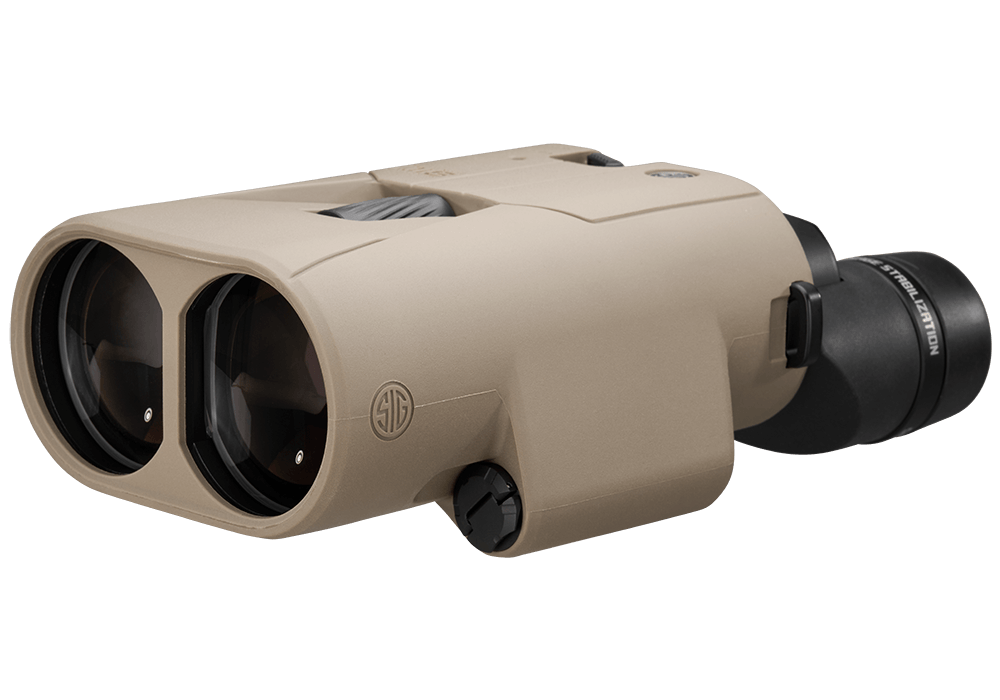
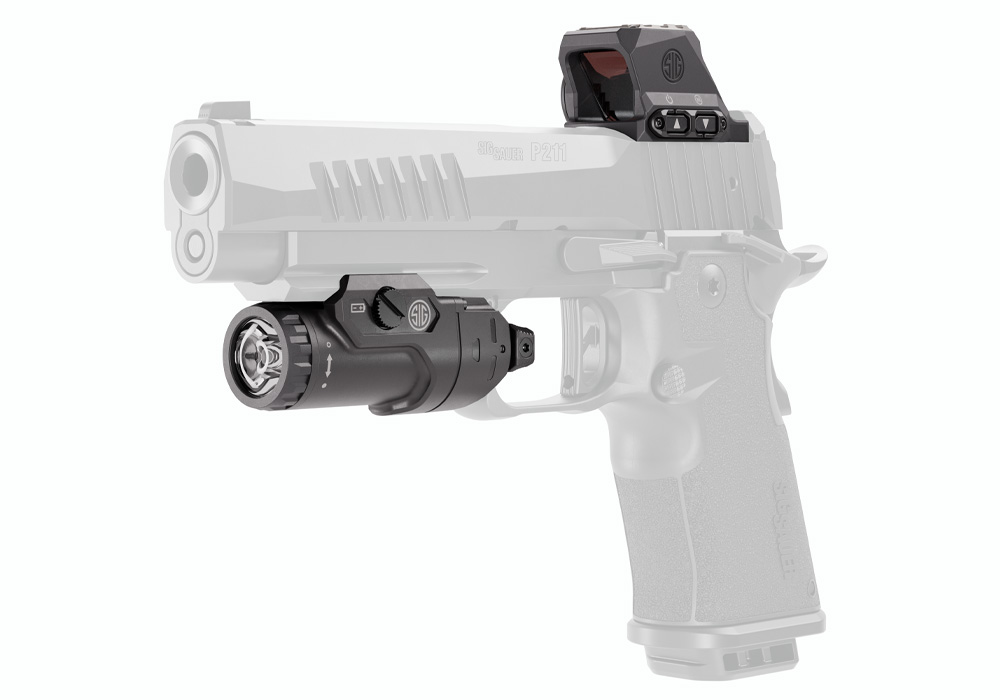
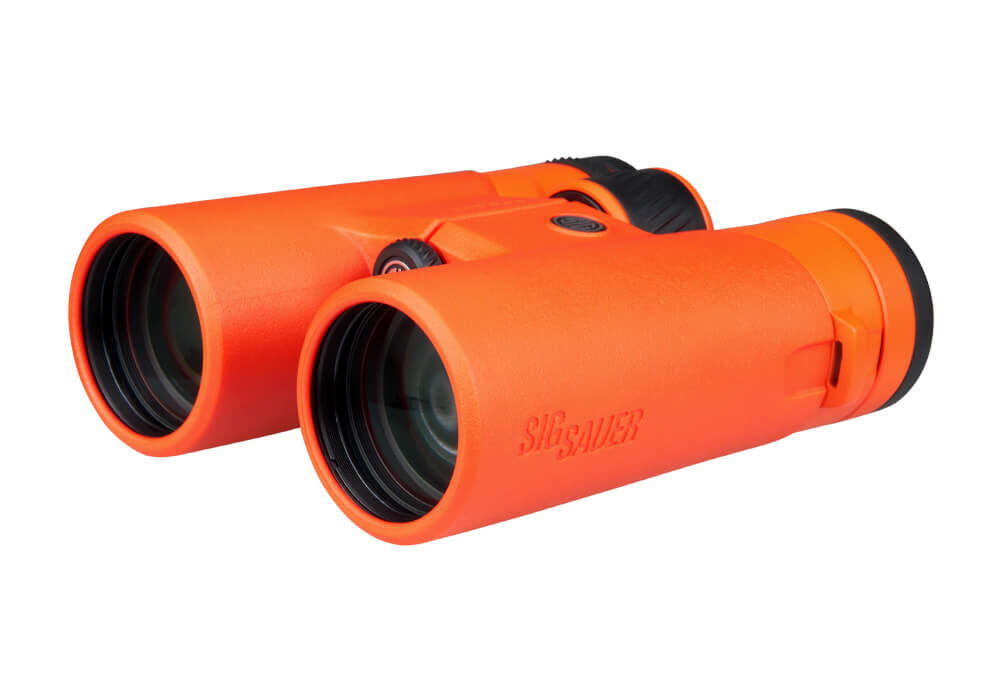
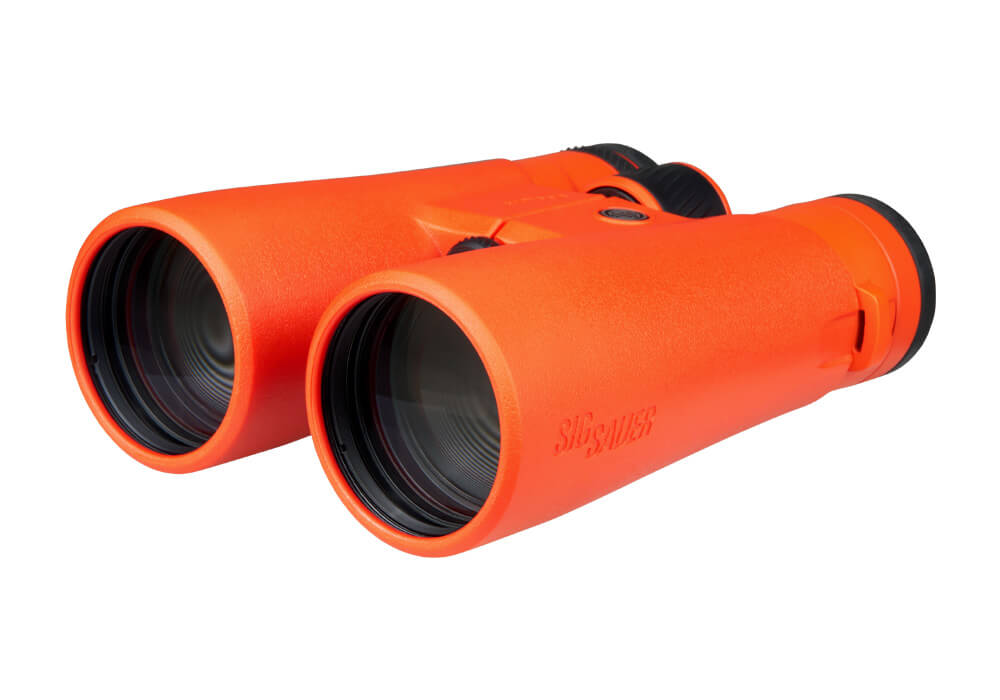
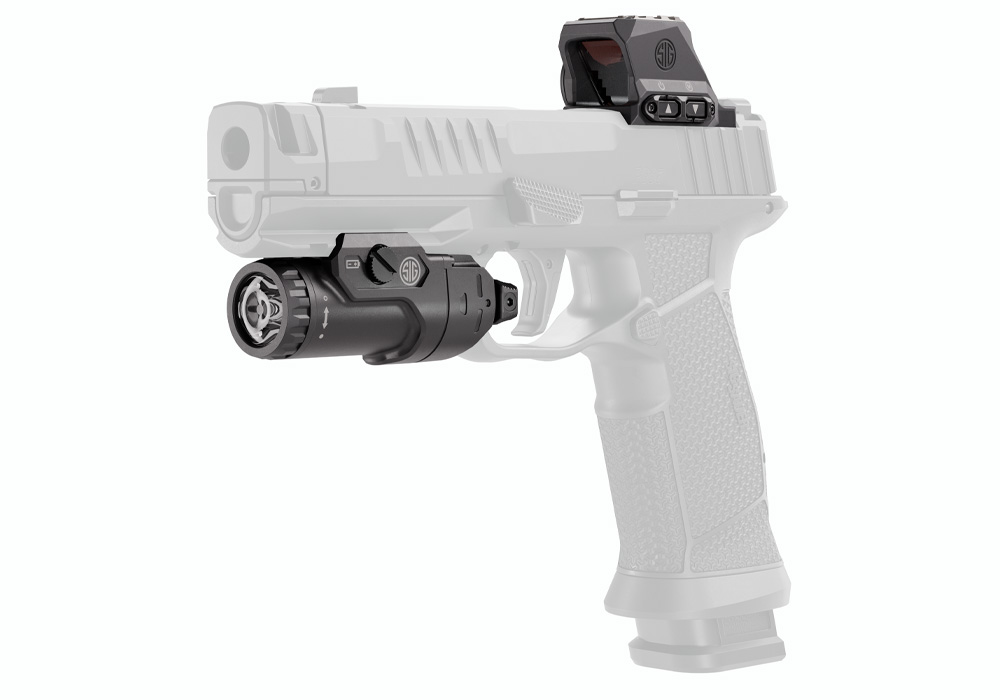
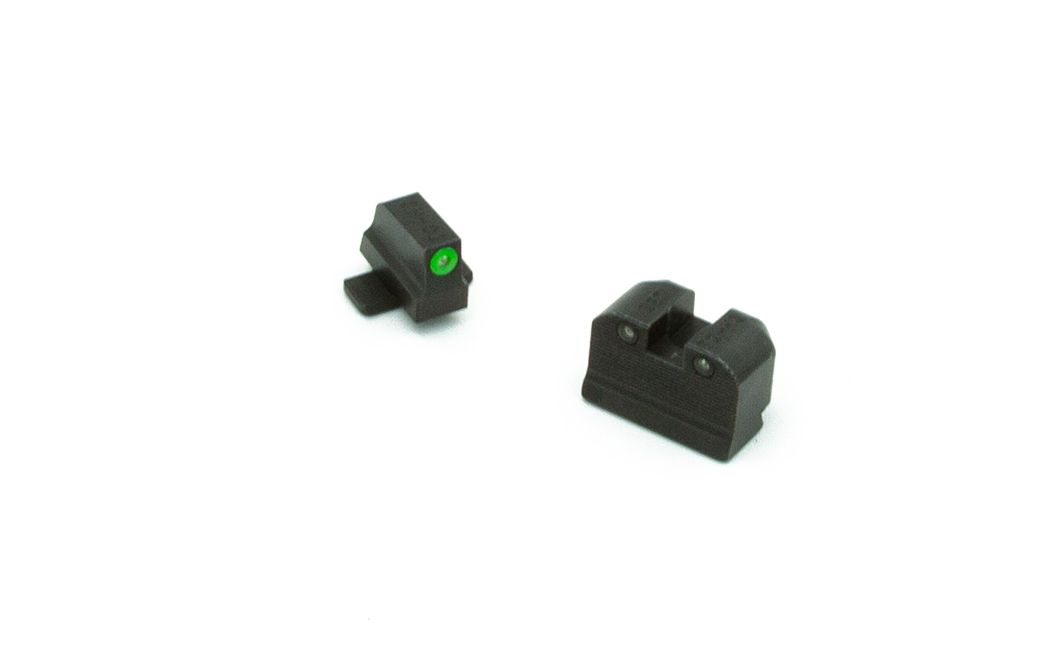
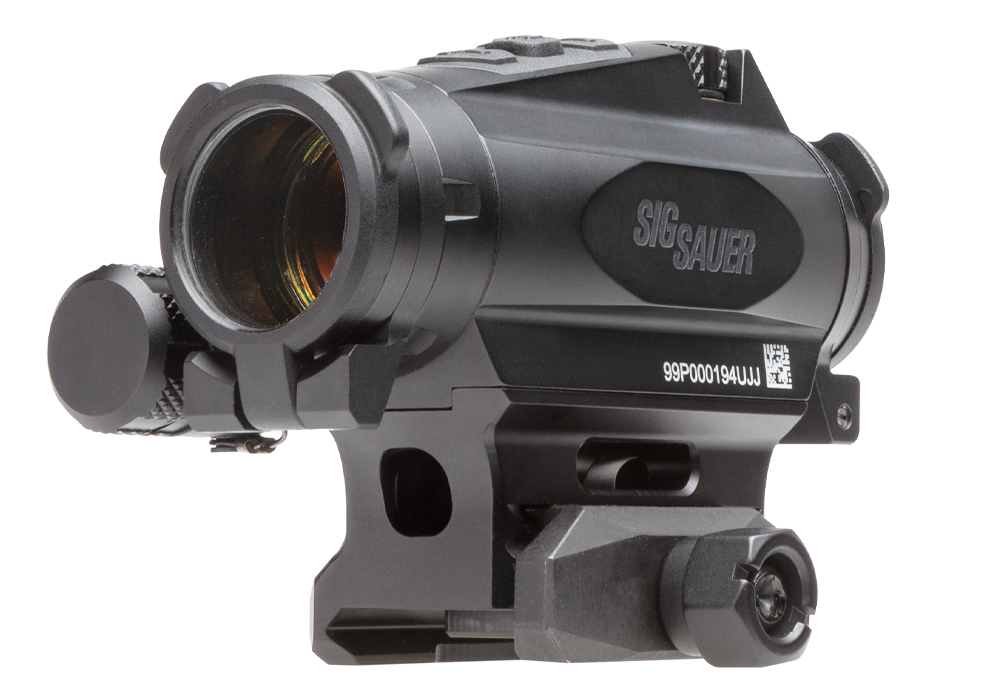
Advanced optics bring a clearer, more adaptable view to shooting sports, hunting, range practice, and responsible firearm ownership. In the context of firearm accessories, the term generally refers to precision sighting systems and optical equipment designed to help the shooter identify a target, establish a consistent aiming reference, and make better use of available light and distance. This category can include red dot sights, reflex sights, variable-power scopes, prism sights, magnified optics, thermal devices, night-vision equipment, and supporting accessories. Each type serves a different purpose. A compact reflex sight may be well suited to a handgun or a lightweight carbine where a quick, unobstructed sight picture matters, while a variable-power optic can offer flexibility for someone who moves between close-range practice and longer-range shooting. Prism optics may appeal to users who prefer a defined aiming reticle with magnification in a streamlined format, and specialized low-light equipment can support observation when daylight fades. Browse the selection of Zoom Optics to compare magnification options and find an optic that aligns with your setup, experience level, and intended use. As with any firearm accessory, optics should be selected with safe handling, proper training, and a clear understanding of local laws in mind.
Choosing the right advanced optic starts with the firearm, the way it will be used, and the conditions where it will be used most often. Mounting compatibility is an essential first step: confirm the footprint, rail interface, ring height, tube diameter where applicable, and available clearance before making a purchase. A sight that sits too high, uses the wrong mounting pattern, or does not provide adequate eye relief can make an otherwise excellent setup uncomfortable and difficult to use. Magnification also deserves careful thought. Fixed magnification can keep controls simple and reduce distractions, while variable magnification gives the shooter more flexibility when the distance or field of view changes. Consider reticle style, illumination controls, adjustment range, battery type, battery access, and the ability to maintain a usable sight picture in bright sun, overcast weather, or the dim light common during the cooler months. Durability matters as well. A well-designed optic should be able to handle regular transport, recoil, dust, and the occasional bump against a vehicle, range bench, or hunting blind. Weight and overall profile can influence balance, especially on a compact firearm or a setup carried over uneven ground. When evaluating advanced optics, look for dependable construction, intuitive controls, clear glass, reliable adjustment tracking, and a field of view that matches the intended application. It is also wise to account for the cost of quality mounting hardware, protective covers, batteries, and professional installation or zeroing. A carefully chosen optic should feel like a natural extension of the firearm rather than an accessory that complicates every step.
Advanced optics can serve a wide range of users, from a first-time range visitor building confidence with a properly fitted sight to an experienced hunter refining a familiar setup before heading into the field. They may also make thoughtful gifts for a responsible firearm owner, competitive shooter, outdoorsperson, or enthusiast who enjoys improving and maintaining equipment. Gift buyers should avoid guessing at fitment whenever possible; the firearm model, mounting system, preferred reticle, and shooting distance all affect compatibility. A gift card or a conversation about the recipient’s setup may be more useful than selecting an optic based only on appearance. For hunters, optical clarity and dependable performance can help with identification and observation across changing terrain, whether glassing from a shaded ridge or watching the edge of a field during the cooler months. For range users, an optic with straightforward controls and a crisp reticle can make practice sessions more productive by allowing attention to remain on stance, grip, trigger control, and safe target awareness. For home collection and transport, compact dimensions, protective storage, and secure mounting are practical considerations. Whatever the intended use, take time to read the manufacturer’s specifications, verify compatibility, follow mounting and zeroing instructions, and practice in a controlled environment before relying on new equipment in the field. Clear lenses, fresh batteries, properly torqued fasteners, and a confirmed zero can make a noticeable difference when the light changes or conditions become less predictable. Advanced optics are ultimately about confidence through preparation: choosing suitable equipment, learning its controls, and building familiarity through safe, consistent practice.