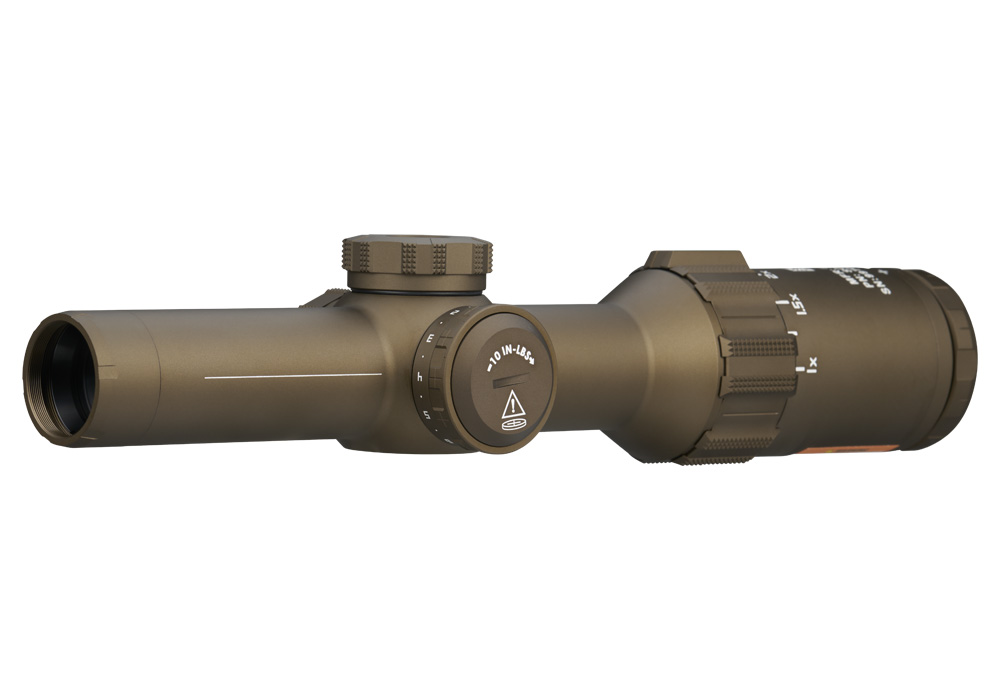
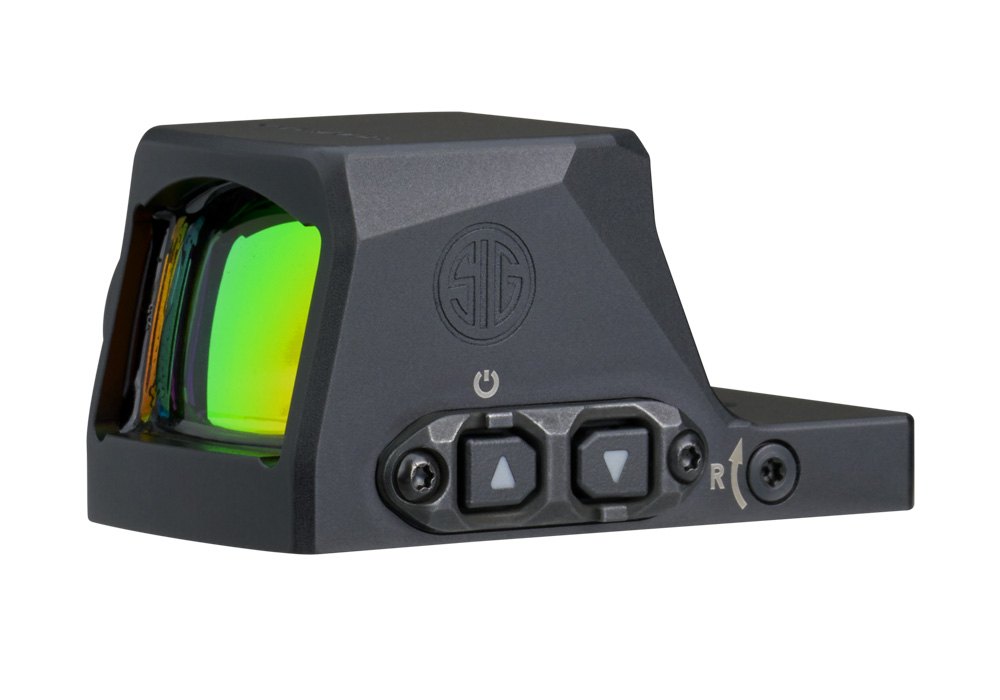
Zoom optics bring adjustable magnification to a sighting or observation system, allowing the view to change without switching equipment. At lower magnification, a wider field of view helps a shooter or observer locate a subject and understand its surroundings. Increasing magnification reveals finer detail, whether that means seeing the scoring rings on a paper target or distinguishing an animal from the brush behind it. That flexibility is useful, but the largest number on a magnification dial is only one part of the picture. A clear, comfortable image at a practical setting often matters more than additional enlargement that is difficult to hold steady. For variable-power riflescopes, the relationship between the lowest and highest settings shapes how versatile the optic feels across different distances and shooting positions. A broad adjustment range can support several applications, while a narrower range may suit a more focused purpose. Field of view, eye relief, reticle visibility, and the ease of finding a complete sight picture all contribute to the experience. A reticle that appears crisp against a clean target may look different against a cluttered background, so its line thickness and layout deserve attention alongside magnification. First focal plane designs change the reticle’s apparent size as magnification changes, preserving its relationship to the target. Second focal plane designs keep the reticle’s apparent size consistent, with measuring references generally corresponding to a designated magnification setting. Neither approach is automatically the better choice; each offers a different balance of visibility and reference consistency. Adjustable illumination, where included, can improve reticle contrast, but it does not replace sound optical quality. The most useful zoom optics bring these features together in a way that matches the intended task, with controls that are easy to distinguish and a view that remains comfortable during extended observation. A deliberate match between magnification range and application keeps the optic useful rather than unnecessarily complicated.
Construction and fit influence performance just as much as the view through the glass. Many riflescope bodies use aluminum for a balance of strength and manageable weight, while protective finishes help resist the wear associated with handling, transport, and regular range use. Lens coatings can reduce reflections and support light transmission, although coating claims alone do not describe the quality of the entire optical system. Resolution, contrast, edge clarity, and control of distracting reflections work together to determine how much useful detail reaches the eye. Objective lens diameter also deserves context: a larger front lens can support a brighter image at certain magnification settings, but it may add weight and require a higher mounting position. The result needs to suit the firearm, the shooter’s position, and the intended use rather than a single specification. On a rifle, tube diameter must match the rings, and the mounting arrangement must provide appropriate clearance without compromising a comfortable cheek position. Eye relief is especially important because the distance between the eyepiece and the eye must allow a full sight picture while maintaining suitable clearance during recoil. An optic that feels comfortable from a bench may feel different when used from another supported position, making overall fit an important consideration. Weight and length matter as well. A substantial optic can feel at home on a dedicated range setup but change the balance of a lighter firearm carried over longer distances. Shooters who favor a smaller footprint can also explore Compact Performance Optics when comparing size, handling, and viewing priorities. Adjustment controls should offer readable markings and a feel suited to their purpose, whether they are protected settings or controls intended for frequent use. Where present, parallax adjustment helps align the target image with the reticle plane, reducing apparent movement between them as eye position changes. Sealed construction, dependable internal mechanisms, and recoil suitability are also worth evaluating; these qualities support consistent performance through repeated handling and use, not just an impressive first look.
Zoom optics suit a range of users, from recreational target shooters seeking a clearer view of a paper target to hunters who need careful visual identification before making a decision. For someone practicing at a familiar range, useful magnification may mean enough detail to see the target clearly without losing the surrounding view or magnifying every small movement into a distraction. For a hunter, a practical balance of field of view, manageable weight, and straightforward controls can matter more than maximum enlargement. Observation-focused optics, including variable-magnification spotting scopes, serve a different role: they allow detailed viewing from a stable support without using a firearm as an observation tool. That distinction matters whenever the goal is simply to examine something at a distance. A steady tripod or other appropriate support can make higher magnification more useful, especially during longer viewing sessions when handheld movement becomes tiring. These products can also be thoughtful gifts for an experienced shooting-sports participant or outdoor observer, provided the recipient’s preferences and compatibility requirements are understood. Mounting dimensions, preferred reticle style, typical viewing distance, and tolerance for additional weight are personal details that can determine whether an optic feels like a natural extension of existing equipment. Care is similarly practical. Protective lens covers help limit contact with grit during storage and transport, while a clean, optics-safe cloth and an appropriate lens-cleaning solution help preserve delicate surfaces. Loose particles are best removed before wiping, since rubbing grit across a lens can damage its coatings. Harsh household cleaners and unnecessary disassembly can compromise finishes, seals, or internal components. A secure storage location, periodic inspection of mounting hardware, and attention to the manufacturer’s care instructions support long-term reliability. Professional mounting assistance is valuable when compatibility or alignment is uncertain. With an appropriate fit and sensible care, adjustable magnification becomes a dependable feature: a way to see relevant detail clearly while retaining the handling, comfort, and simplicity the application requires.