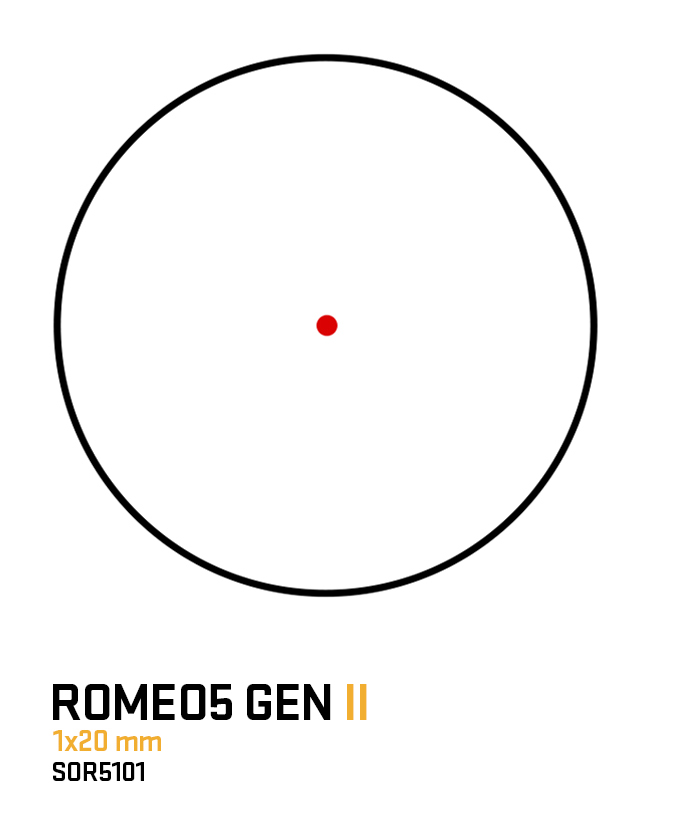
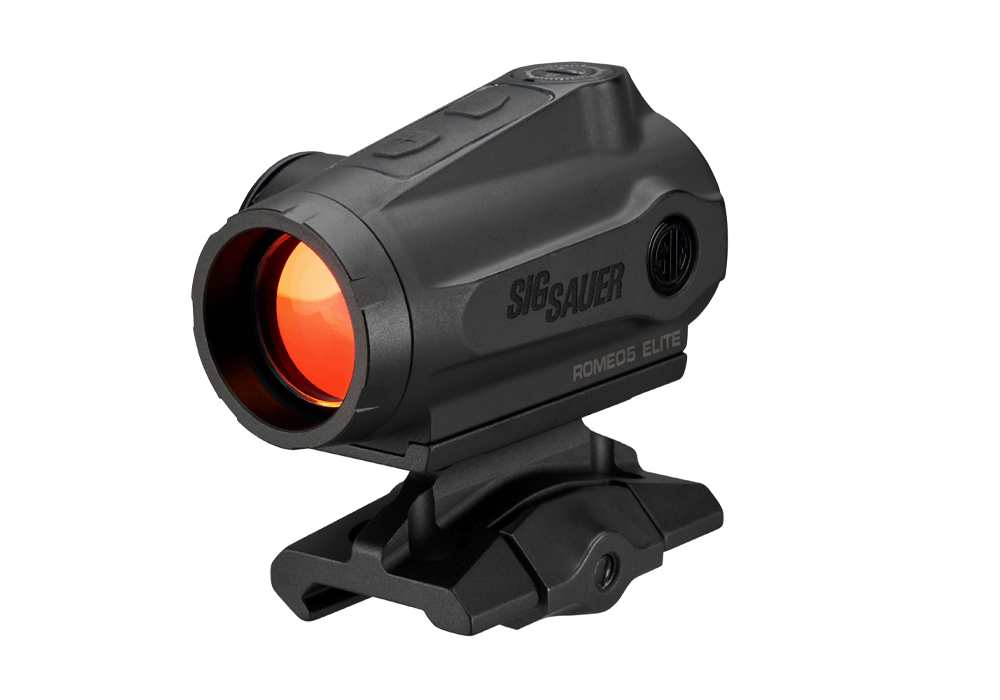
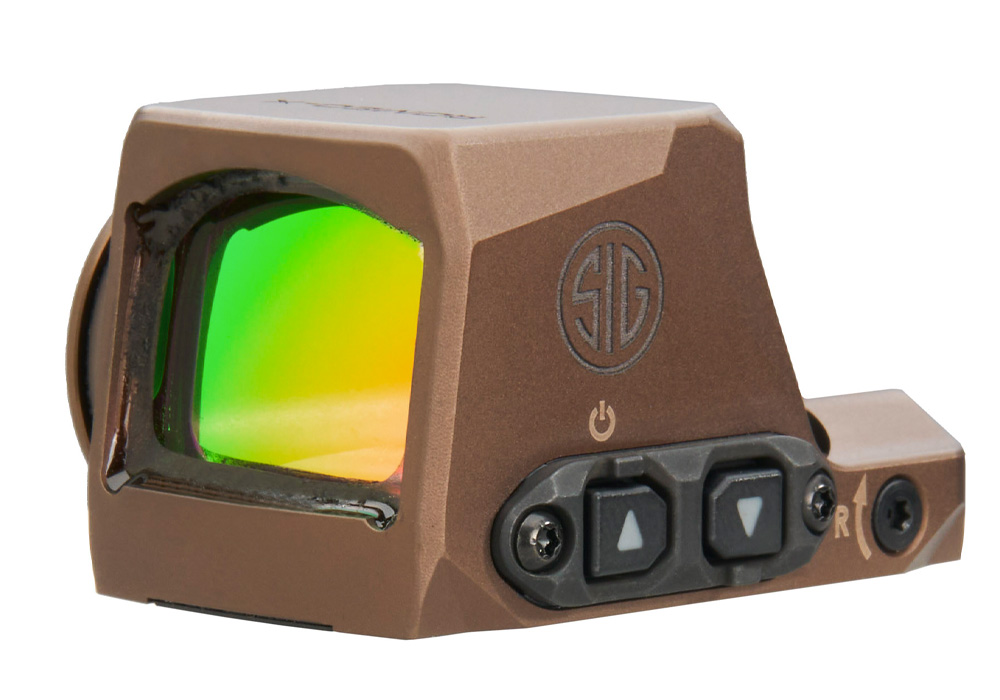
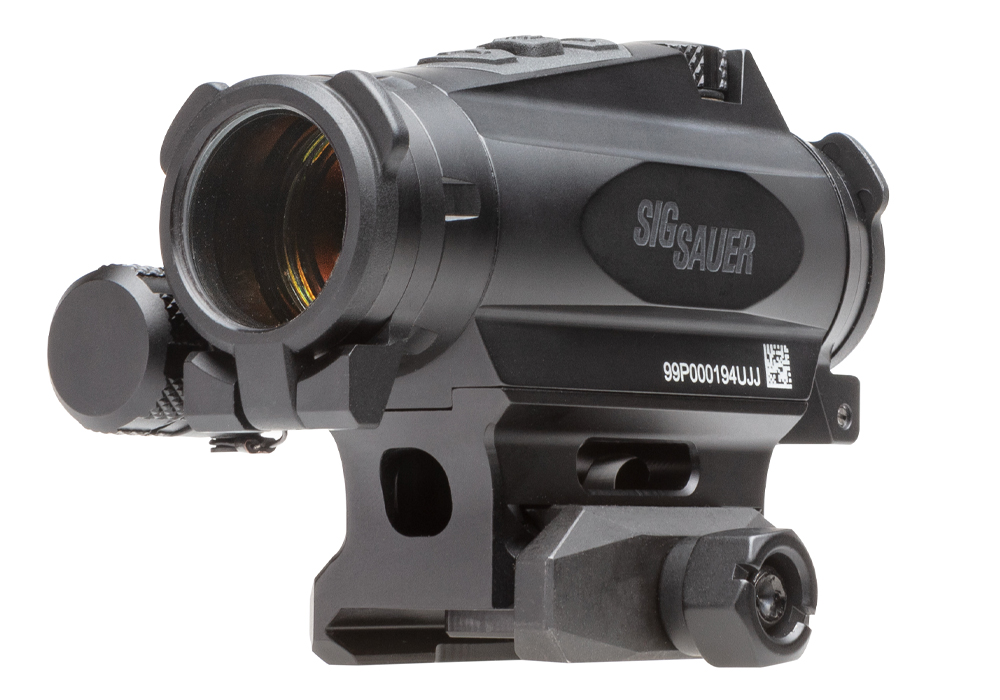
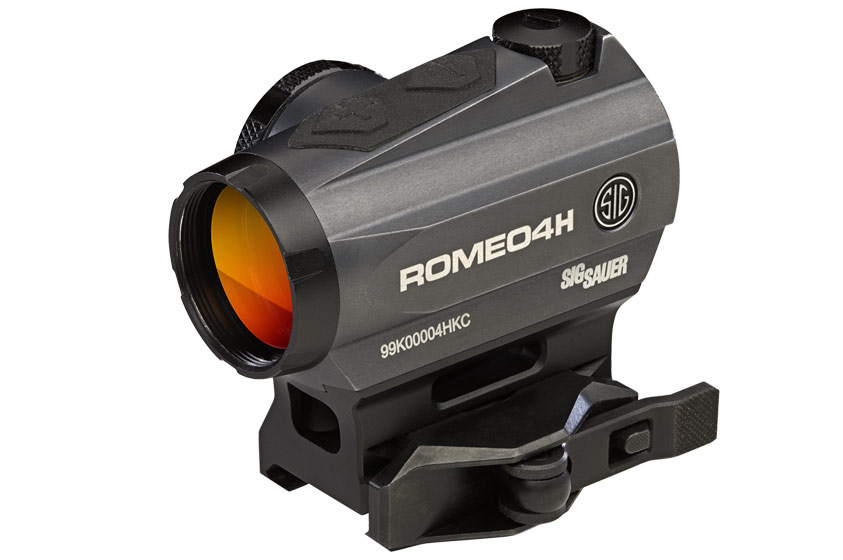
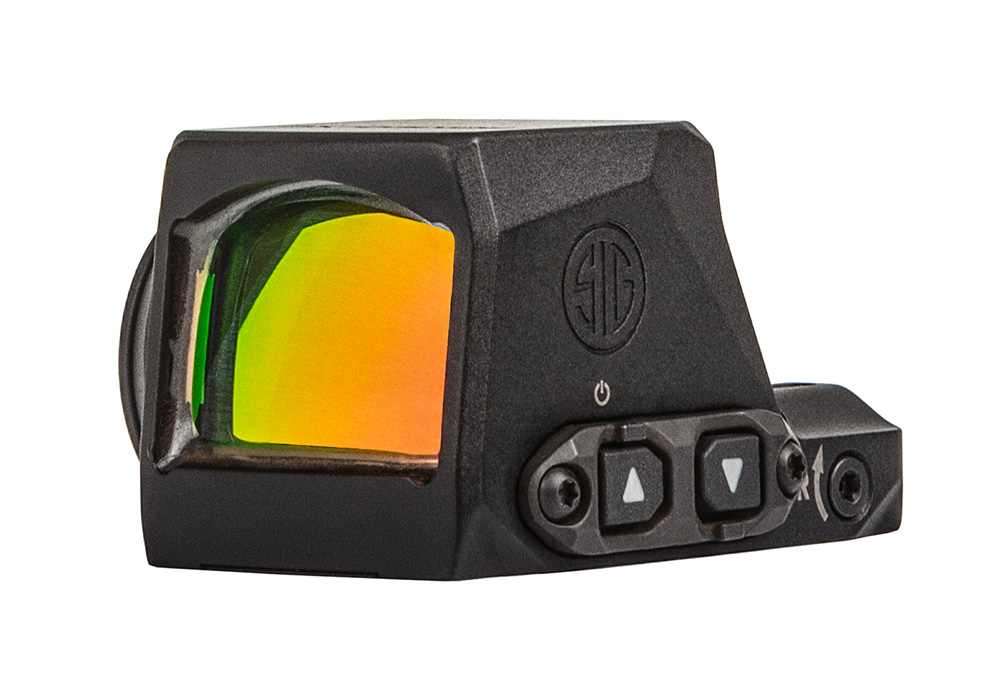
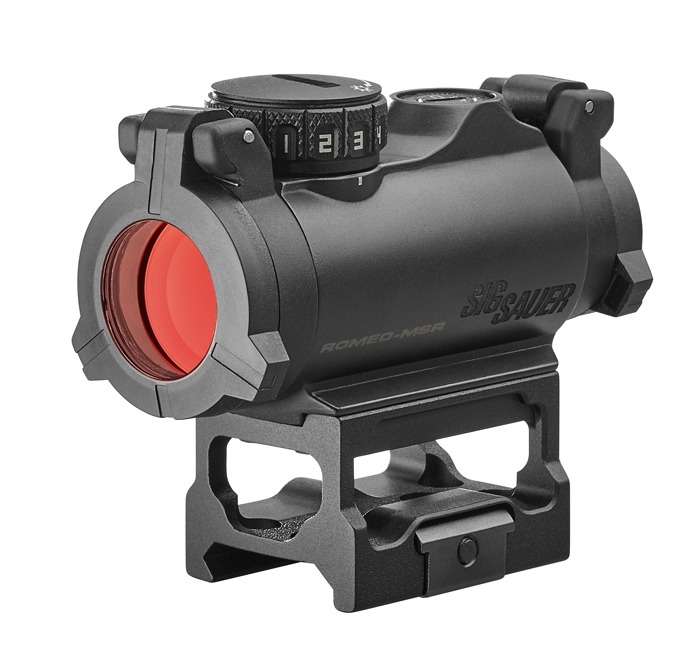
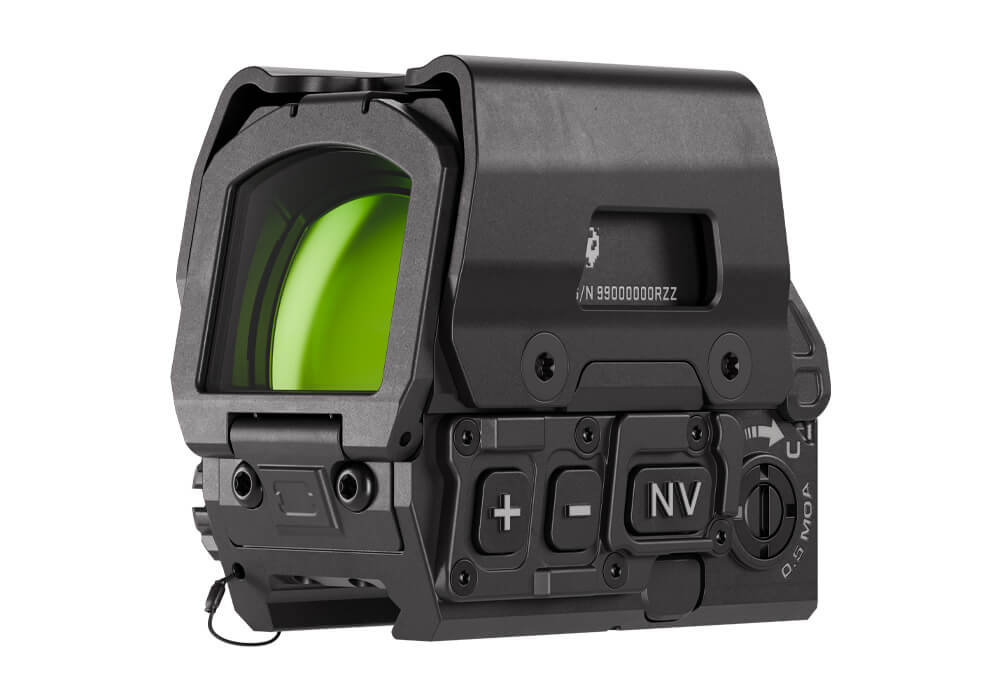
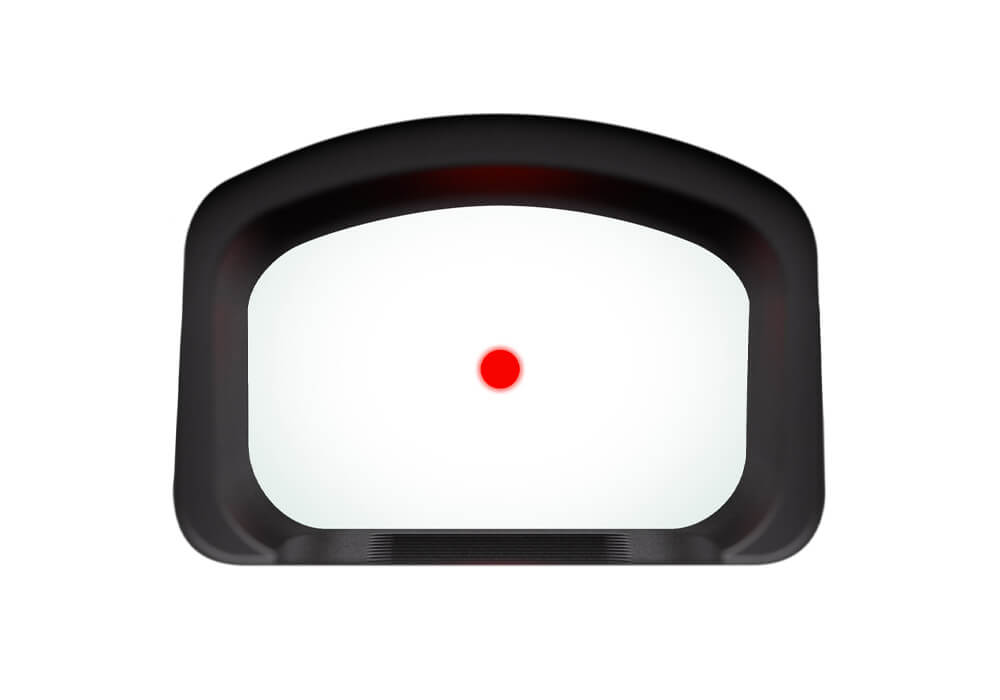
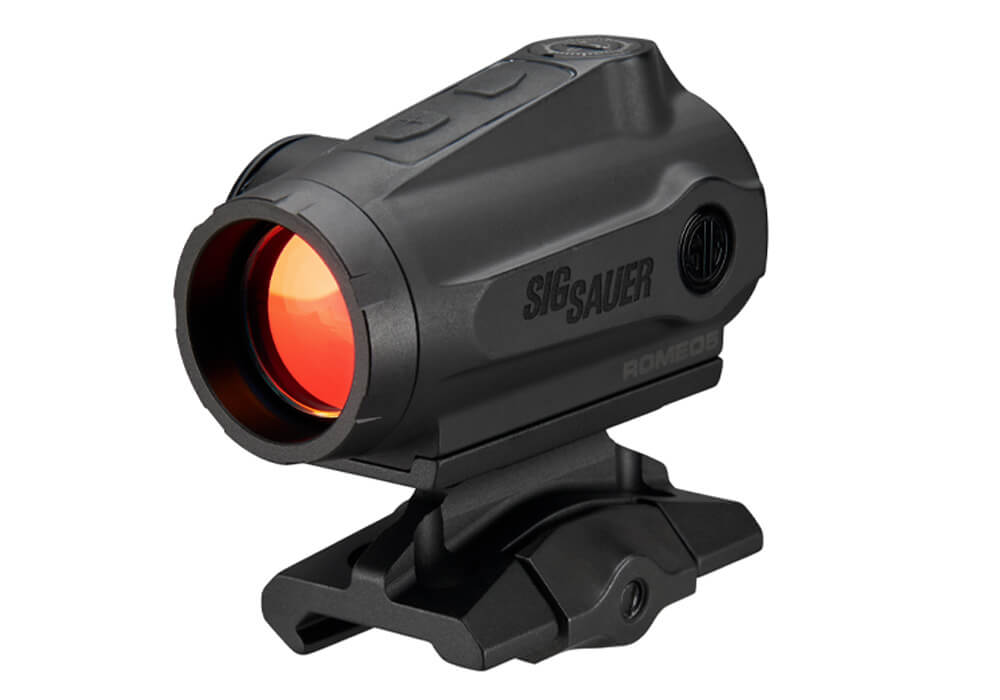
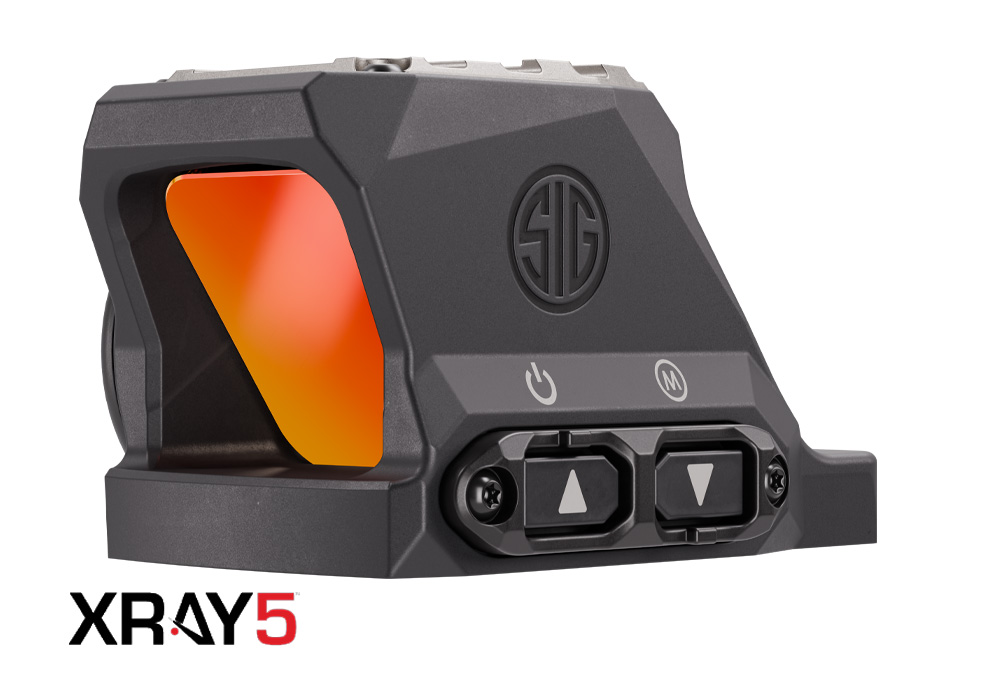
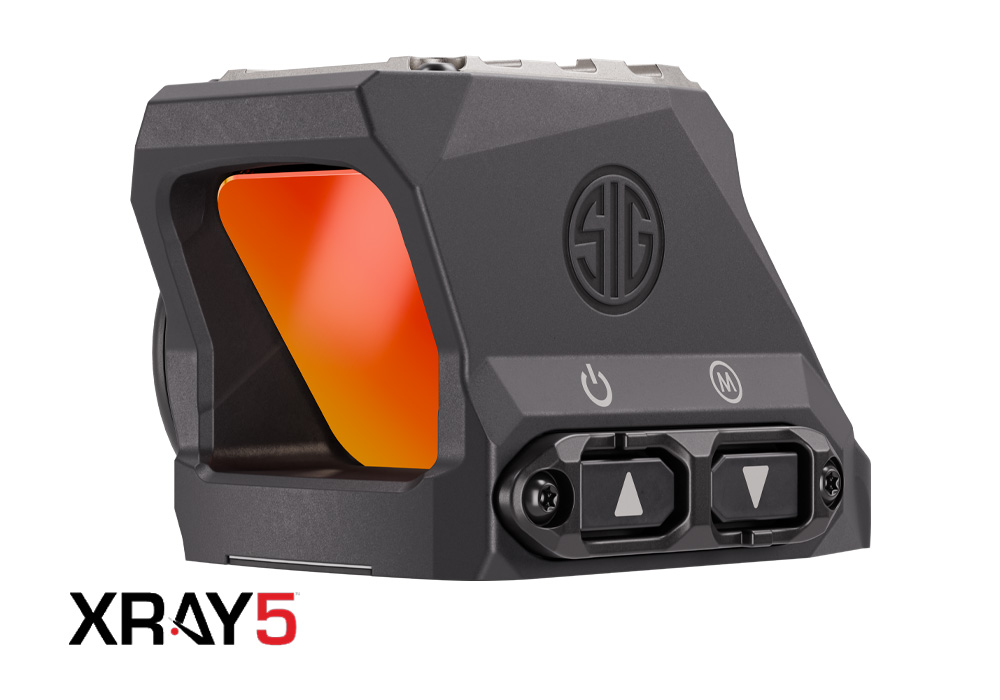
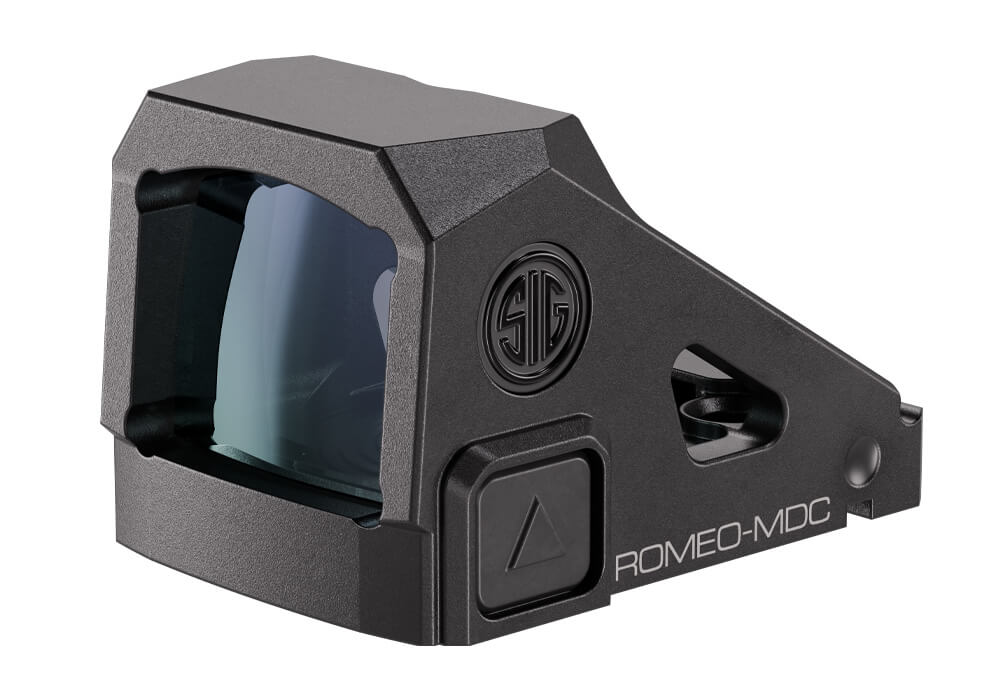
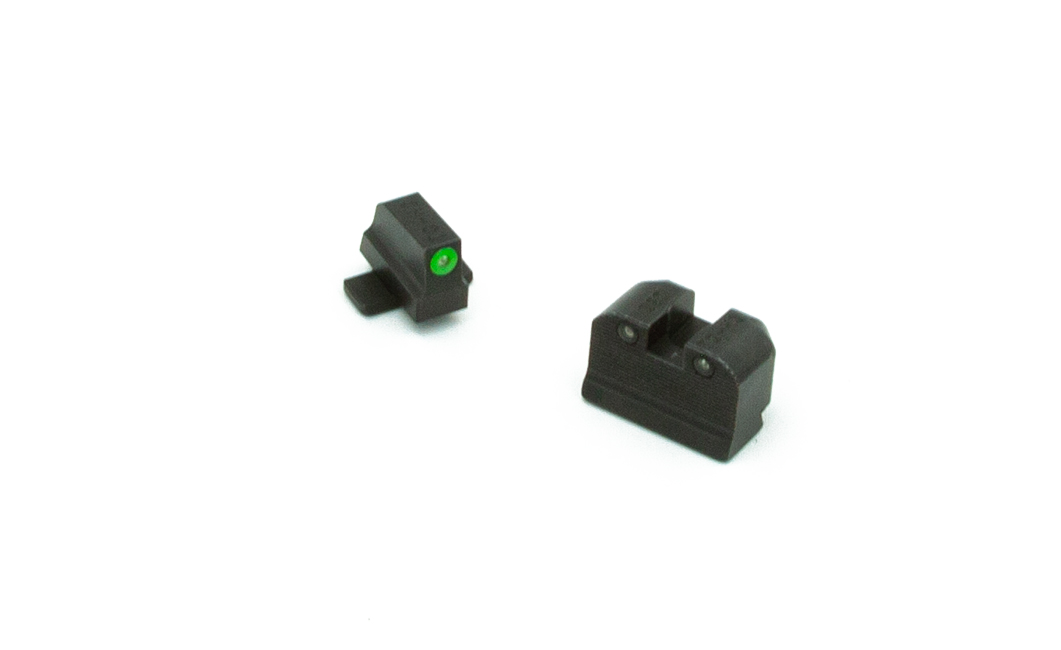
Dot optics are firearm sights that display an illuminated aiming point, usually a red or green dot, within a generally non-magnified view. Often called red dot sights, they are commonly used on handguns, rifles, and shotguns for recreational target shooting, organized shooting sports, and appropriate hunting applications. Most electronic designs use an internal light source and an optical surface to create a visible reticle; they do not project a visible aiming dot onto the target like a laser sight. Their appeal is a relatively simple sight picture: a clearly defined aiming reference without the visual task of aligning separate front and rear sights. Many designs also accommodate viewing with both eyes open, helping preserve awareness of the surrounding area. That simplicity does not make every dot optic interchangeable, however. Window dimensions, housing shape, reticle design, brightness controls, and mounting requirements all influence how a sight feels on a particular firearm. A compact sight can preserve the proportions of a handgun, while a larger viewing window may appeal to someone who values a more open view during supervised range practice or competition. Dot size is commonly expressed in minutes of angle, or MOA, a measurement of angular size rather than the physical diameter of a mark on the lens. A smaller dot generally covers less of the viewed target, while a larger dot can be easier for some eyes to distinguish. Neither choice is universally better; visual comfort, target type, and intended use matter more than a specification considered alone. Brightness range deserves similar attention because an overly intense setting can make an otherwise crisp dot appear enlarged or fuzzy. People with astigmatism may perceive an illuminated dot as a streak, cluster, or starburst rather than a perfect circle. Lens tint and corrective eyewear can also affect the viewing experience, making optical comfort an important consideration alongside size and weight. A clear, comfortable view is more useful than a feature list that does not match the person using the sight.
Construction and fit are central to the long-term value of dot optics. Aluminum housings are common because they provide structural strength without excessive weight, while protective finishes help resist surface wear from regular handling. Lens coatings can support light transmission, reduce unwanted reflections, and make routine cleaning easier, although their characteristics vary by design. Open-emitter sights typically leave the light path between the emitter and lens more exposed, often allowing a compact housing with a comparatively unobstructed window. Enclosed-emitter sights surround that optical path within a protective body, helping shield internal surfaces from dust, lint, and other debris. The distinction is especially relevant when a sight will spend time in a range bag, on a frequently handled firearm, or around cleaning supplies and loose fibers. Durability also depends on whether an optic is rated for its intended firearm platform and recoil environment; a sturdy appearance alone is not evidence of suitability. Mounting compatibility deserves equally close attention. Handgun slide cuts, mounting footprints, adapter plates, and rail interfaces follow different specifications, and similar-looking mounting patterns do not necessarily fit one another. Overall sight height can affect clearance, holster compatibility, and the relationship between the optic and existing sights. A mounting arrangement should follow the firearm and optic manufacturers’ requirements, with a qualified professional consulted when compatibility is uncertain. Controls should remain accessible without awkward interference from the surrounding setup, and battery access is worth evaluating before choosing a design. Some battery compartments can be reached without removing the optic, while others require removal and a subsequent verification of alignment. Published battery-life estimates also depend on brightness settings and operating features, so practical expectations should reflect how the sight will actually be used. Automatic illumination adjustment, manual controls, and motion-responsive functions offer different conveniences rather than a single best approach. Together, these details shape everyday ownership: how easily the sight fits its role, how straightforward it is to maintain, and how confidently its condition can be checked before a range session.
The right dot optic complements an intended activity rather than trying to serve every possible purpose. A recreational shooter may prioritize a clean dot, uncomplicated controls, and a comfortable window for paper-target sessions. Someone participating in an organized shooting sport may place more emphasis on housing dimensions, equipment rules, and compatibility with an established setup. Hunters may consider overall weight, reticle visibility against varied backgrounds, and whether a non-magnified sight suits the distances and conditions of their chosen activity. Dot sights generally preserve a broad, natural view, but they do not provide the target enlargement associated with magnified optics. For shoppers whose primary need is adjustable magnification and a closer view of distant details, Zoom Optics offer a different category to consider. That distinction helps keep the choice grounded in actual use rather than appearance alone. Care is another practical part of ownership. Dust and fingerprints can interfere with the view, and an exposed lens benefits from careful handling rather than repeated wiping with whatever cloth happens to be nearby. Lens-safe cleaning materials and the manufacturer’s recommended methods help protect optical coatings, while suitable storage keeps loose hardware and abrasive objects away from glass surfaces. Routine condition checks can reveal worn seals, damaged controls, or mounting concerns before they become an unwelcome interruption. Any inspection or maintenance involving the firearm should begin with it unloaded and handled according to established safety practices. As a gift for an experienced sport shooter or hunter, an optic is most useful when the recipient’s firearm interface, visual preferences, and intended activity are already understood. Matching those requirements matters more than choosing the largest window or the longest feature list. Whether the goal is a streamlined recreational setup or equipment suited to a particular sporting discipline, thoughtful selection brings the important qualities together: a readable aiming point, sound construction, compatible mounting, manageable upkeep, and a sight picture that feels natural to the individual behind it.