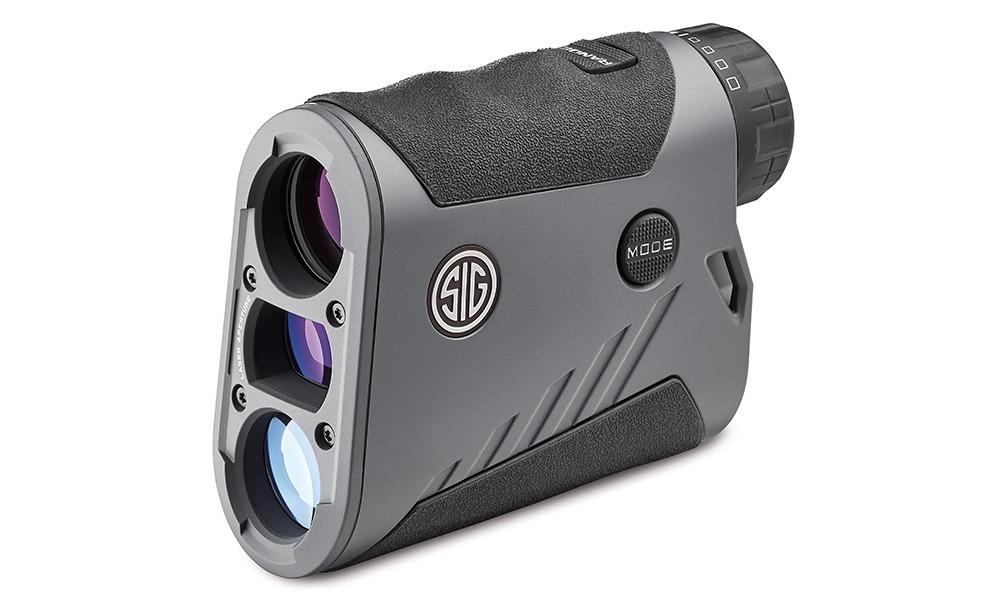
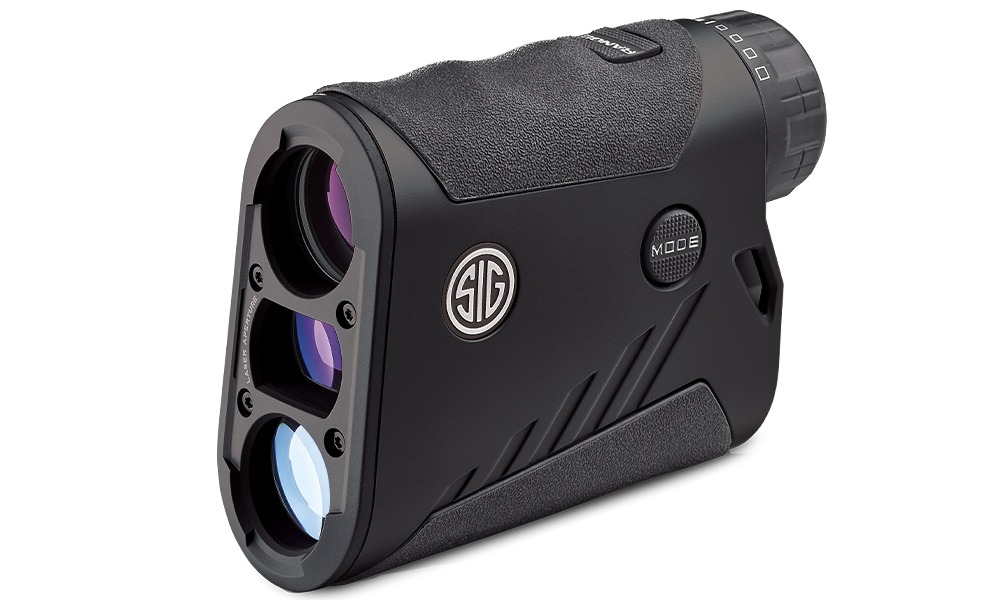
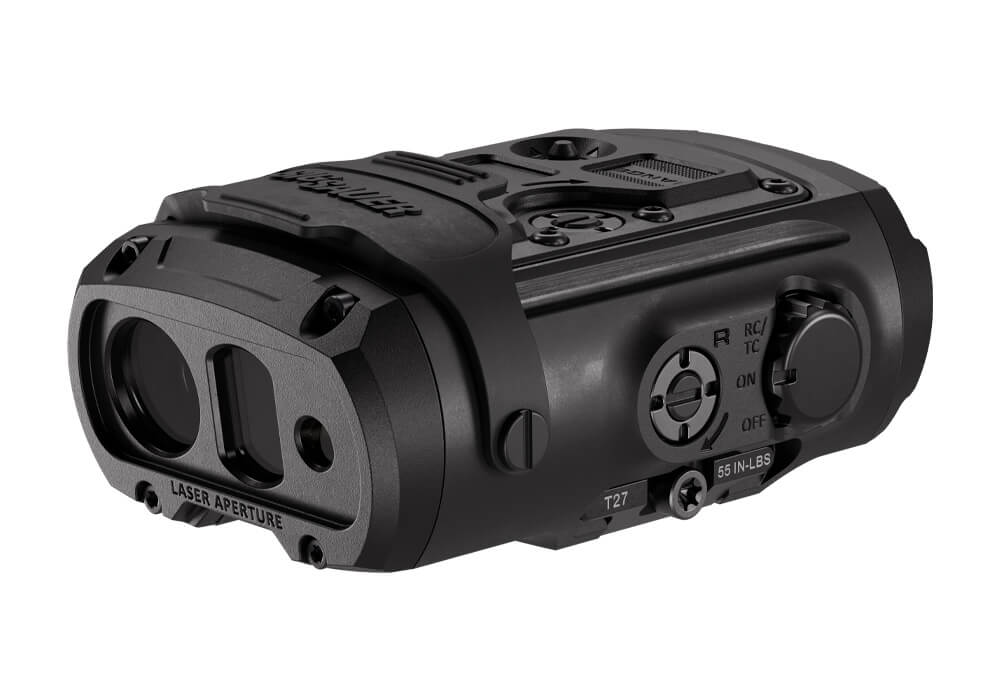
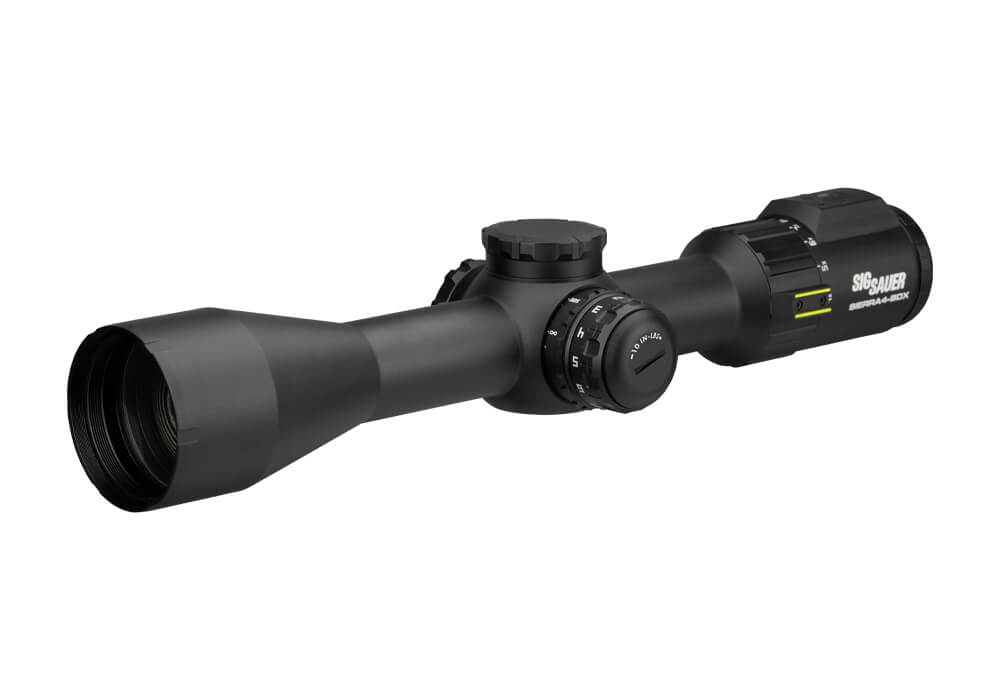
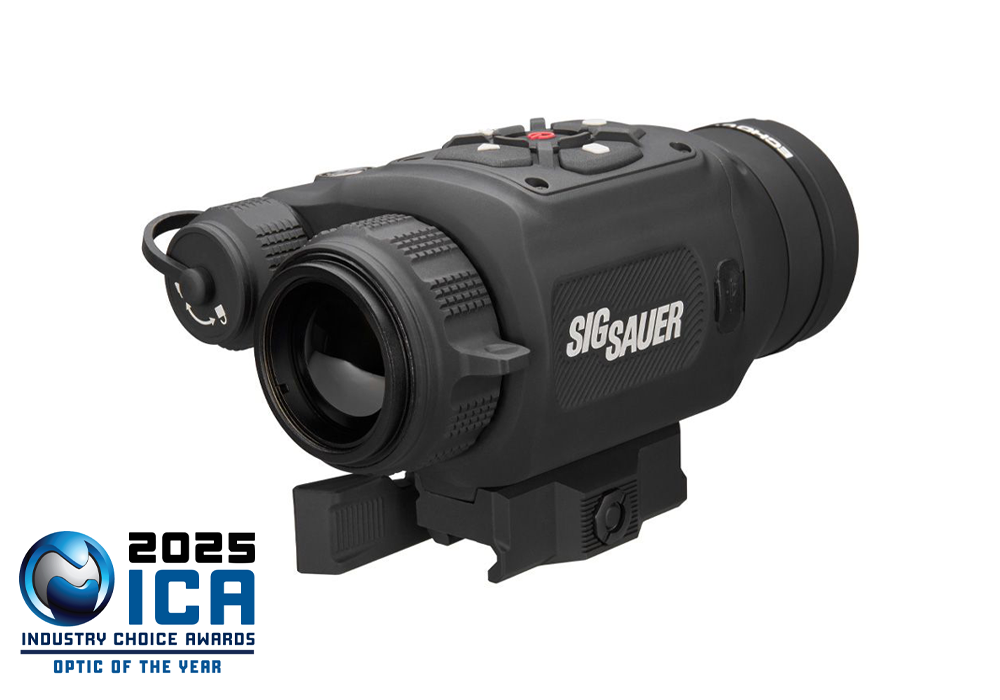
Digital optics combine optical components with electronic sensors, processors, and displays to present an image or add useful information to the view. In a digital imaging optic, a sensor captures incoming light or infrared energy, a processor interprets that information, and an internal screen presents the result to the viewer. That electronic image can support features such as adjustable contrast, selectable viewing modes, image capture, and digital magnification, depending on the device. The distinction matters: an illuminated reticle alone does not turn a conventional scope into a digital imaging system. Digital night vision and thermal imaging also work differently. Digital night vision detects visible and near-infrared light, and certain systems can use a compatible infrared illuminator when ambient light is insufficient. Thermal optics detect differences in infrared energy emitted by objects and translate those differences into a visible image, without requiring visible light or an infrared illuminator. Neither technology reveals every detail in every setting, and thermal imaging does not provide an unobstructed view through walls or dense vegetation. These differences shape how digital optics serve hunters, recreational shooters, wildlife observers, and others who need more information than a conventional optical view provides. A handheld viewer can help an observer examine activity along a distant tree line, while a firearm-mounted digital optic brings compatible imaging or electronic aiming features into a shooting setup. Some devices prioritize observation, others emphasize aiming, and some connect image information with distance measurements or recording tools. Daytime performance, low-light capability, and operation in complete darkness are separate characteristics rather than interchangeable promises. The most useful digital optic is one whose sensing technology, controls, and viewing experience suit its intended role. For observation, a dedicated handheld device also allows an area to be examined without pointing a firearm toward something that has not been identified as a safe, lawful target.
Image quality in digital optics depends on the whole system, not a single resolution figure. Sensor resolution affects the information captured, while display resolution influences how that information appears to the eye. Lens quality, image processing, contrast, and refresh rate all contribute to a view that feels clear and responsive. A higher-resolution screen cannot restore detail that the sensor never captured. Digital zoom enlarges part of the electronic image, so greater magnification can make individual pixels more noticeable without revealing additional detail. Optical magnification changes the image reaching the sensor, making the relationship between base magnification and field of view especially important. A broad field of view can help an observer follow an animal moving across an opening; stronger base magnification may suit deliberate viewing of a smaller, distant area. Comfortable eye relief, an adjustable eyepiece, and accessible controls influence how naturally the optic fits the user, particularly during longer observation sessions. For firearm-mounted equipment, compatibility includes the mounting interface, mounting height, available clearance, weight, and the manufacturer's stated recoil rating. A secure fit and repeatable mounting arrangement matter as much as an impressive feature list. Materials and construction deserve similar attention. Aluminum housings can offer structural strength, while reinforced polymer components can help manage weight; actual durability depends on the complete design, seals, controls, and protective finishes. Protective lens coatings, recessed optical surfaces, and well-fitted port covers can help preserve performance through regular handling. Water-resistance ratings describe defined test conditions rather than unlimited protection, and an optic intended for observation should not be assumed suitable for firearm mounting. Across the broader Advanced Optics category, these practical details help connect sophisticated electronics with dependable use. Controls that remain easy to distinguish by touch, a readable display, and a balanced setup often contribute more to an enjoyable session than a long list of functions that rarely get used.
Electronic features are most valuable when they support the activity without distracting from it. Depending on the design, digital optics may include photo and video recording, wireless connectivity, range measurement, electronic reticles, or onboard ballistic tools. Recording can preserve a wildlife encounter or provide a useful record of a range session, but image resolution, audio support, storage format, and export options vary. Wireless viewing may help a companion follow the image on a compatible device, while also introducing considerations such as connection reliability, app compatibility, privacy settings, and battery demand. Ballistic functions depend on accurate inputs and appropriate configuration; they do not replace sound judgment, target identification, or awareness of what lies beyond the target. Power planning is another practical part of ownership. Published runtime usually reflects particular operating conditions, and display brightness, recording, wireless features, and other electronic functions can change how long a battery lasts. Battery type, charging connections, and access to the battery compartment affect everyday convenience, especially when a device is mounted. Straightforward care helps protect both the optical surfaces and the electronics. Loose grit should be cleared before a lens is wiped, and cleaning materials should match the manufacturer's recommendations for the lens coatings. Solvents intended for other equipment may be unsuitable for screens, seals, or optical finishes. Protective covers, a padded case, clean electrical contacts, and dry storage help keep a digital optic ready for its next outing. Firmware updates may address performance or compatibility, so the manufacturer's documentation remains an important reference throughout ownership. For a gift, an experienced hunter, range enthusiast, or wildlife observer may appreciate digital viewing technology, but fit and intended use are more useful starting points than feature count. A recipient's preferred activity, existing mounting system, comfort with electronic controls, and charging routine all influence whether the equipment feels practical. Local rules governing night vision, thermal equipment, infrared illumination, recording, and hunting use can also differ. A well-matched digital optic brings the right combination of image detail, manageable weight, durable construction, and useful electronic functions to the task, with fewer compromises between what appears on the screen and how the equipment is actually used.