Shooting range upgrades encompass the equipment and improvements that support a safer, more comfortable, and better-organized range experience. At a facility level, that can mean professionally designed ventilation, sound control, lighting, and target systems. For an individual shopper, the focus is usually more personal: dependable protective gear, practical equipment storage, compatible accessories, and supplies that help each visit run smoothly. The most useful upgrades address something you notice repeatedly, whether that is uncomfortable protection halfway through a session, a crowded bench, or equipment that is difficult to keep organized between trips. Picture arriving at your lane with everything in its place, enough clear workspace to follow the range’s procedures, and no need to search through loose supplies before getting started. That kind of improvement may be less dramatic than a complete equipment overhaul, but it can matter every time you visit. New range users often benefit most from establishing a comfortable, reliable foundation, while frequent visitors may be ready to replace worn equipment or refine an arrangement they already know well. Protective equipment deserves particular attention because fit and suitability are essential, not optional extras. Look for clearly stated protection ratings and applicable testing information, and follow the facility’s requirements for eye and hearing protection. Comfort matters here, too: pressure points, slipping frames, or an inconsistent seal can become distracting over a longer visit. Trying equipment on, when possible, helps reveal issues that a photograph cannot show. Consider how everything works together rather than evaluating each purchase in isolation. Eyewear, hearing protection, clothing, and other worn equipment should fit comfortably together without compromising their protective function. A thoughtful range setup feels orderly and familiar, leaving you better able to listen to staff, follow instructions, and give safe handling your full attention. The goal is not to bring more equipment to the range; it is to bring equipment that earns its place.
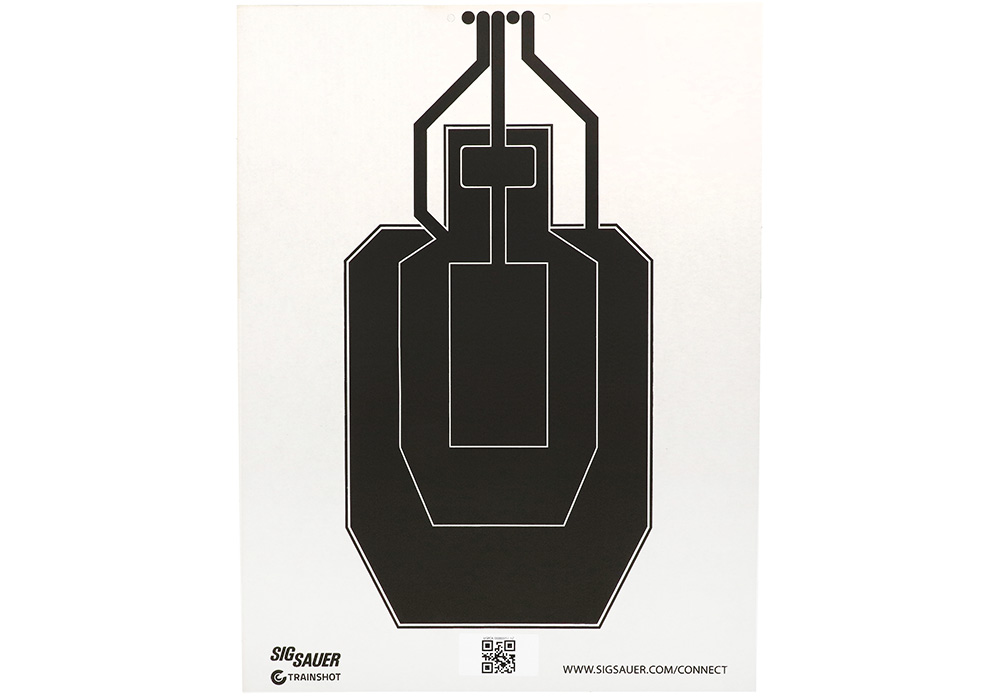
When comparing shooting range equipment, start with the conditions in which it will actually be used. Indoor and outdoor facilities place different demands on personal gear, and the rules at one location may not match those at another. Indoor visits make facility lighting, sound levels, and available bench space especially noticeable. Outdoor sessions add changing light, wind, moisture, and uneven surfaces to the picture. Before purchasing, check posted equipment policies and confirm that any supplies you intend to bring are permitted. Target materials and supporting equipment, in particular, must suit the facility’s rules and the intended use; construction, placement, and operating requirements are not interchangeable. Large-scale improvements involving air handling, protective structures, or installed systems belong with qualified range-design and installation professionals. For personal purchases, the practical details are often easier to assess: dimensions, weight, material specifications, closure quality, cleaning requirements, and compatibility with equipment you already own. Storage that looks generous online may be awkward on a narrow bench, while an overly compact arrangement can leave frequently used supplies buried beneath everything else. Look for organization that keeps protective equipment accessible and separates clean personal belongings from used range gear. Surfaces that tolerate routine cleaning can be especially useful in an environment where dust and residue are part of regular use. Follow manufacturer care instructions and the range’s hygiene procedures, including washing your hands after handling equipment and before eating. If your shopping extends beyond comfort and organization, the Firearm Accuracy Upgrades collection offers a related place to browse, with compatibility and manufacturer guidance remaining essential purchase considerations. Evaluate the full cost of ownership as well as the initial price. Replacement parts, consumable supplies, warranty terms, and service availability can influence long-term value. An upgrade is a better investment when its specifications are clear, its upkeep fits your routine, and its advantages solve a problem you actually have.
The right range upgrades also depend on who will use them and how often. Someone attending an introductory session may need a different level of equipment than a regular recreational shooter, a participant in organized shooting sports, or an instructor spending extended periods at a facility. Beginners should check what the range provides before buying, since rental or loan equipment can offer a useful opportunity to learn which fit and features feel comfortable. More experienced users often have specific preferences developed through repetition: a closure that is easy to operate, compartments arranged in a familiar order, or protective gear that stays comfortable through a full scheduled session. Those ordinary details become noticeable when a bench is busy and you are packing up at the end of the day. During the cooler months, consider how your range equipment works with additional clothing and how you will transport it through damp parking areas or store it between visits. Temperature changes can affect comfort and visibility, so check relevant manufacturer guidance rather than assuming equipment performs identically in every setting. Weather resistance also deserves a careful reading of the stated specifications; resistance to occasional moisture is not the same as suitability for prolonged exposure. Range-related gifts can be thoughtful for an established enthusiast, especially when they support an activity the recipient already enjoys. Fit-sensitive purchases call for extra care, and compatibility-dependent accessories are best selected with reliable information about the recipient’s existing equipment. Clear sizing information, a practical return policy, and an understanding of the recipient’s usual range rules help prevent a well-intended gift from becoming an unused extra. For shared outings, individual protective equipment should fit each person correctly rather than being chosen simply because it is available. Over time, a well-considered collection of range gear should become easier to manage, not more complicated. Keep useful equipment in good condition, inspect it according to manufacturer recommendations, and replace worn protective gear when appropriate. The most satisfying shooting range upgrades are often the ones you stop noticing: comfortable protection, orderly storage, and dependable everyday equipment that supports a consistent routine from arrival through cleanup.