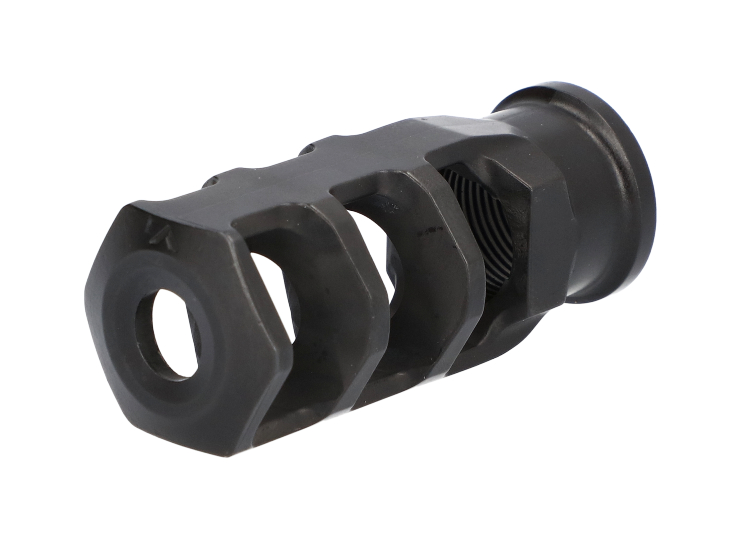
Firearm accuracy upgrades are accessories and components intended to support a clearer sight picture, more consistent handling, or repeatable performance when properly matched to a firearm. Their value depends on compatibility, sound construction, and the needs of the person using them. Accuracy describes how closely shots align with the intended point of aim, while precision describes how closely those shots group together; equipment can influence both, but neither is guaranteed by a single purchase. A clear, comfortable view of the target, a secure grip, and dependable equipment all contribute to a more consistent shooting experience. For someone practicing on paper targets at a supervised range, an easily acquired sight picture may be more useful than an elaborate setup with features that rarely see use. A competitive shooter may place greater emphasis on repeatability, equipment rules, and an interface that remains comfortable through an extended practice session. Sight systems differ in their presentation, dimensions, and viewing characteristics, while grip-related accessories vary in texture, contour, and how they suit different hand sizes. These differences matter because equipment that feels natural to one shooter may feel crowded or awkward to another. More features do not automatically mean better results, and added bulk can change the balance and handling of an otherwise familiar firearm. A thoughtful selection starts with the intended activity and the characteristics of the existing platform rather than a promise of smaller groups. Ammunition consistency, firearm condition, and individual shooting fundamentals also affect results, so accessory claims deserve realistic expectations. Quality equipment supports practice; it does not replace it. The most useful choices address a recognizable need, such as a sight picture that is difficult to distinguish or an interface that does not fit comfortably, without creating unnecessary complexity elsewhere. For shoppers comparing firearm accuracy upgrades, a clearly defined purpose provides a better basis for selection than appearance alone.
Materials, fit, and construction deserve close attention because even a well-finished accessory has limited value if it is incompatible with the firearm or poorly suited to its intended use. Aluminum, steel, and reinforced polymers each offer different combinations of weight, rigidity, surface feel, and resistance to everyday wear. Material names alone do not establish quality: design, manufacturing consistency, protective finishes, and the suitability of the material for its role all matter. Metal surfaces may have finishes intended to resist corrosion or abrasion, but no finish eliminates the need for appropriate care. Textured polymer surfaces can offer a different feel from metal, while edges, contours, and overall dimensions influence comfort during repeated handling. For optical accessories, lens clarity, coating quality, viewing comfort, and housing protection are useful considerations alongside published specifications. A rugged appearance is not a substitute for documented performance, and durability claims should be read in the context of the manufacturer’s stated testing and limitations. Fit is equally specific. A shared platform name or similar appearance does not establish compatibility across every model, generation, configuration, or mounting interface. Manufacturer compatibility information should identify the intended application, and any uncertainty warrants confirmation before purchase. Accessories can also affect clearance, access to controls, case fit, or compatibility with other equipment, making the complete setup more important than any isolated component. Where installation or functional evaluation is required, a qualified gunsmith can assess suitability and help preserve the firearm’s safety and reliable operation. Modifications should comply with applicable federal, state, and local laws, as well as relevant range or competition requirements. Clear documentation, understandable care instructions, and accessible manufacturer support can be meaningful indicators of long-term ownership value. Rather than treating an upgrade as a cosmetic addition, consider how its dimensions, materials, and compatibility will serve the firearm throughout regular use, transport, cleaning, and storage. A durable accessory should remain practical to own, not simply look substantial in a photograph.
Intended use helps narrow the choices within firearm accuracy upgrades without turning every purchase into a pursuit of specialized equipment. Recreational target shooters may appreciate straightforward designs with a clear visual presentation and uncomplicated upkeep. Those attending structured training may favor familiar controls, comfortable handling, and equipment that meets the instructor’s requirements. Competitors should consider the rules of their discipline before selecting accessories, since an otherwise suitable configuration may not be permitted in a particular division. For handgun-focused comparisons, Pistol Accuracy Enhancements provides a more focused category to explore alongside the exact compatibility requirements of the firearm. Regardless of application, everyday ownership involves more than the first range visit. Lens surfaces benefit from cleaning methods intended for optical coatings, and exterior finishes should be maintained with products approved by the relevant manufacturer. Abrasive materials or unsuitable chemicals can damage surfaces, obscure a sight picture, or shorten an accessory’s useful life. Routine condition checks by an appropriately qualified professional can help identify wear, looseness, or damage that deserves attention, particularly when equipment no longer feels or performs as expected. Secure storage and protective transport help safeguard both the firearm and attached accessories while keeping them inaccessible to unauthorized users. Gifts in this category call for particular care because fit and personal preference are difficult to judge from appearance. An experienced adult shooter may welcome a thoughtfully chosen accessory for a familiar sporting activity, but the recipient’s exact firearm configuration, preferences, and applicable rules should be confirmed first. Surprises are less useful when they introduce a compatibility problem or require changes the recipient does not want. Across recreational practice, organized competition, and ongoing skill development, the strongest purchases balance function, durability, comfort, and responsible ownership. A suitable upgrade should have a clear role, reliable compatibility information, and maintenance requirements that fit the owner’s routine, supporting a familiar, dependable experience each time the firearm is used.