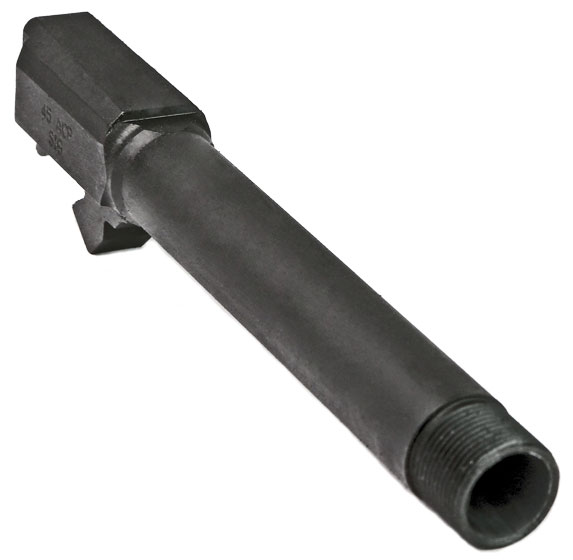
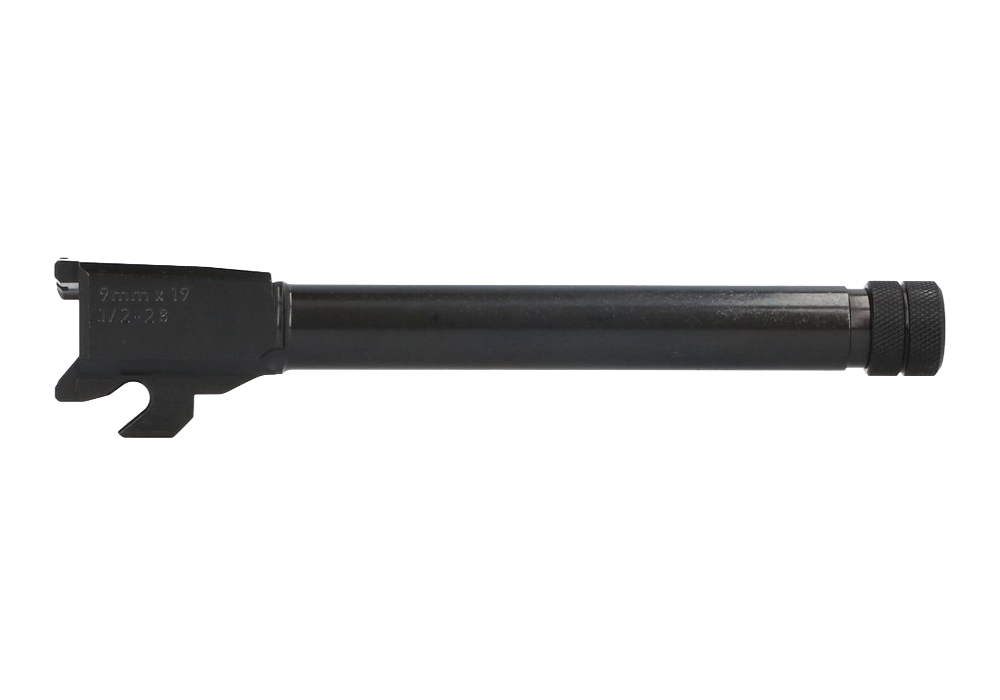
Reliable firearm upgrades are selected to improve control, visibility, comfort, and practical handling while preserving the dependable operation of the firearm. The most useful enhancements are not always the most dramatic; often, a better sight picture, more secure grip, or brighter method of identifying a target in low light makes a greater difference than a complicated modification. When comparing upgrade parts, start with the firearm’s exact make, model, generation, caliber, and configuration. Small differences in slide dimensions, frame size, mounting cuts, magazine geometry, and control placement can affect compatibility, so product specifications should be reviewed carefully before purchase. It is also important to consider the firearm’s intended role. A handgun used for range practice may benefit from a comfortable grip sleeve, visible sights, or additional factory magazines, while a firearm kept for home protection may call for a dependable weapon-mounted light and controls that can be operated confidently under stress. Competitive shooters often prioritize a quick sight picture, a consistent trigger feel, and a grip texture that remains secure through long practice sessions. Hunters, outdoorsmen, and recreational shooters may value rugged illumination, weather-resistant construction, and sighting equipment that remains legible as daylight fades. For every use, proven materials, secure attachment, precise fit, and established reliability deserve more attention than aggressive cosmetic changes or unverified internal modifications. The goal is a firearm that feels familiar in the hand, performs consistently on the range, and remains easy to inspect, maintain, and operate.
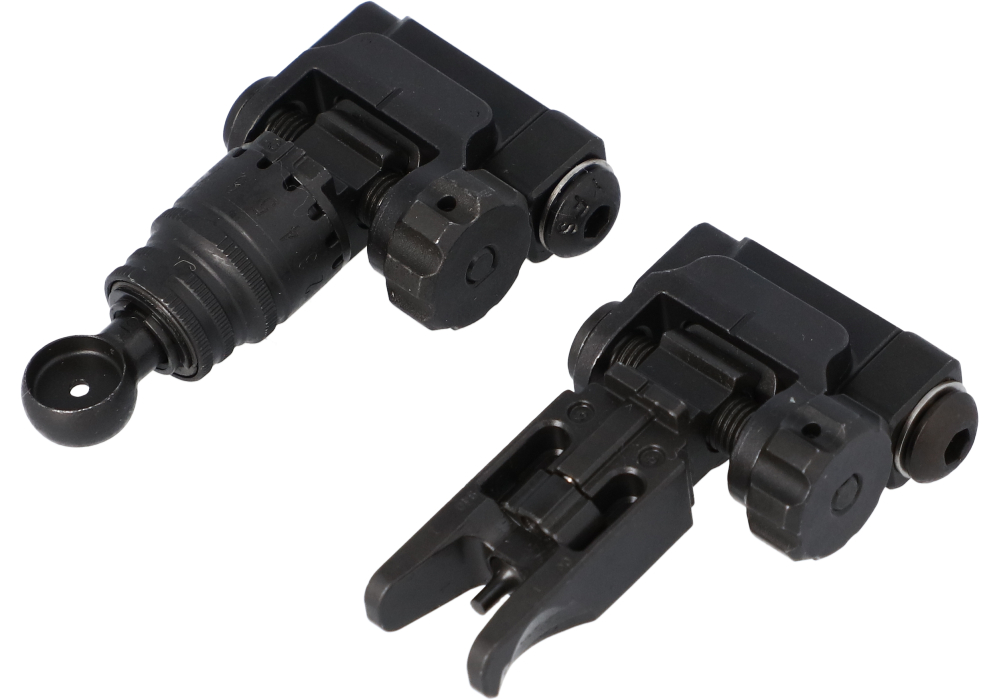
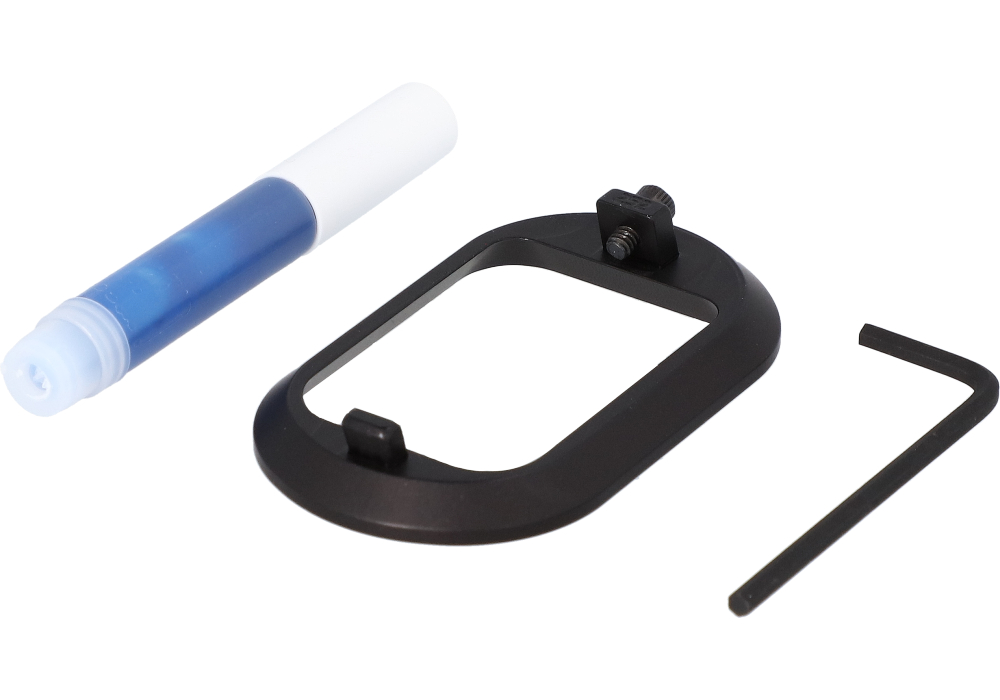
Sight upgrades are among the most noticeable ways to refine a firearm’s handling. High-visibility front sights and contrasting rear sights can make the sight picture easier to acquire against dark targets, changing backgrounds, or uneven outdoor light. Fiber-optic elements are often appreciated during daylight, while illuminated or tritium-style sights can provide a useful reference in dim conditions without relying on a separate battery. Compact red dot optics can support rapid aiming with both eyes open, but they require careful attention to mounting compatibility, optic height, battery access, durability, and the user’s ability to maintain a consistent presentation. A quality weapon-mounted light can add valuable illumination when identifying objects or navigating dark spaces, provided it is securely mounted and operated in accordance with safe handling practices and applicable law. Grip enhancements serve a similarly practical purpose. A textured grip, replacement grip panel, or fitted sleeve can help manage perspiration, gloves, recoil, and repeated practice, while an ergonomic shape may make the controls easier to reach without shifting the hand. Magazine-related upgrades can improve handling as well. Additional factory magazines support uninterrupted range sessions and provide convenient spares, while base plates or extensions may offer a more positive grip or a standard or extended capacity where lawful and appropriate. Reliability should remain the central consideration: magazines should feed correctly, lock into place, drop free when intended, and be inspected regularly for damage or worn components. Trigger components and other internal parts deserve particular care because changes to engagement, pull characteristics, or reset can influence safe operation. These parts should be selected from reputable sources, installed according to the manufacturer’s instructions, and evaluated by a qualified gunsmith when fitting, function, or safety is uncertain. The broader selection of Parts For Firearm Upgrades can help shoppers compare compatible components for a more deliberate, dependable setup.
Reliable upgrades can also make thoughtful gifts for responsible firearm owners, range partners, instructors, and outdoors enthusiasts, especially when the recipient’s exact firearm and preferences are known. A set of additional magazines, a secure grip treatment, a durable case accessory, or a well-chosen sighting component can be useful for someone who spends cooler months practicing fundamentals, preparing equipment for outdoor trips, or maintaining a home range routine. Gift buyers should avoid guessing at parts that depend on a specific model unless they have confirmed the details in advance; a gift card or an accessory with clearly documented compatibility may be the better choice. Fit and function should be checked before a modified firearm is carried or relied upon. Begin with the firearm unloaded, remove all ammunition from the work area, and follow the owner’s manual and the upgrade manufacturer’s directions. After installation, inspect fasteners, mounting surfaces, controls, and magazine fit, then test the firearm in a safe, lawful environment using appropriate eye and ear protection. Pay attention to feeding, extraction, lockup, sight alignment, light operation, and any change in the way the firearm feels or handles. A short function check is not a substitute for responsible practice, and any unusual movement, inconsistent operation, or uncertainty about installation is a reason to stop and seek qualified professional assistance. Storage remains part of reliability as well: keep the firearm and ammunition secured as required by law, protect optics and electronic accessories from unnecessary moisture or impact, and maintain a regular inspection routine. During warmer days, perspiration and dust can affect grip surfaces and moving parts; during cooler months, gloves and heavier clothing can change reach and handling. Choosing upgrades with those real-world conditions in mind helps create a setup that feels natural rather than distracting. Whether the purpose is improved range confidence, easier target identification, more comfortable practice, or a carefully considered gift, dependable firearm upgrades should support safe habits and consistent performance from the first session onward.