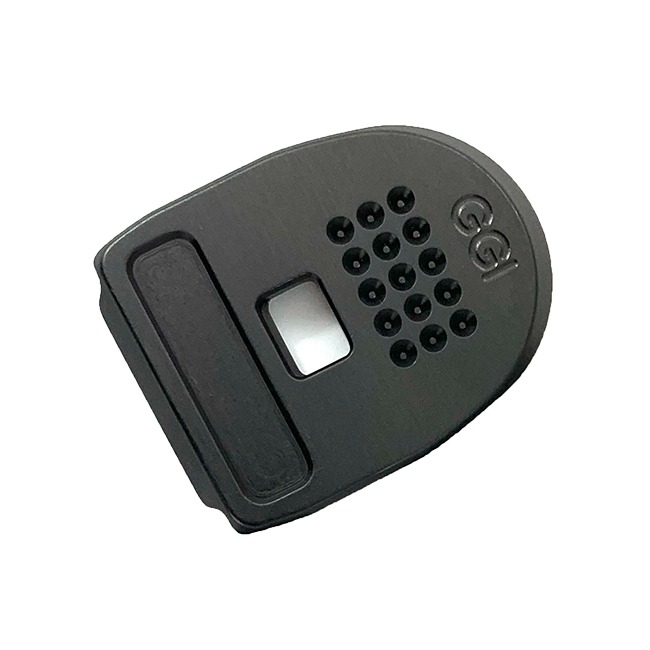
Firearm durability upgrades are replacement components and protective accessories intended to help resist wear, corrosion, and damage from regular handling. Their value comes from appropriate materials, sound construction, and compatibility with the firearm—not simply from a heavier part or a more elaborate finish. For real-world firearms, durability means preserving the condition and function of physical components through repeated use and proper maintenance. A finish can help protect an exposed surface, while a correctly specified replacement component can address wear in an area subject to repeated movement or contact. Neither eliminates the need for inspection, and replacing a part does not automatically restore the condition of the entire firearm. Material selection is an important distinction within this category. Steel offers strength and wear resistance, but its performance depends on the alloy, heat treatment, surface treatment, and component design. Aluminum can provide a useful balance of structural strength and manageable weight, particularly when its surface receives an appropriate protective treatment. Reinforced polymers can suit applications that benefit from resistance to corrosion and routine handling wear. No single material is the best choice for every location or purpose. A component that works well as an external protective surface may not be appropriate for an internal area with different mechanical demands. Surface treatments deserve the same careful consideration. Nitriding changes the surface properties of suitable metals, while anodizing creates a protective oxide layer on aluminum; other finishes provide a separate barrier over the underlying material. Their effectiveness depends on preparation, application, and the conditions of use. A dark or textured appearance alone says little about service life. For someone who practices regularly, transports a firearm between home and the range, or uses equipment for demanding professional duties, useful durability features are often practical rather than dramatic: surfaces that tolerate repeated handling, construction suited to the intended workload, and components that remain easy to inspect and maintain. The strongest choices support the firearm’s intended role without introducing unnecessary complexity.
Fit is just as important as material strength when comparing durability-focused components. Firearms that look similar can differ in dimensions, production revisions, mounting interfaces, and manufacturer specifications. A part intended for one configuration may not suit another, even when both belong to the same general platform. Compatibility information should identify the relevant model and configuration clearly, and any uncertainty about installation or mechanical condition belongs with a qualified gunsmith or the manufacturer. Correct fit helps preserve proper operation; forcing an incompatible component into place can create wear rather than prevent it. For a broader selection centered on component longevity, Durable Firearm Parts offers a related place to consider the relationship between construction, compatibility, and intended use. The most useful comparison is not whether one option sounds tougher than another, but whether its documented characteristics address a real need. A firearm used for frequent supervised practice has a different service history from one handled occasionally and stored carefully between outings. Repeated movement, friction at contact surfaces, and repeated assembly during routine maintenance can affect different areas in different ways. Cosmetic marks from a case or holster are also different from cracking, deformation, loose attachment points, or changes in function. A durability upgrade should not conceal damage or substitute for a professional assessment of a questionable component. Replacement springs and other wear-sensitive parts need to match the applicable specifications, rather than being selected on the assumption that greater stiffness or mass always improves longevity. External accessories likewise need secure attachment and enough clearance to avoid interfering with controls or normal operation. Added bulk can change how a firearm fits its storage case or compatible holster, so practical fit extends beyond the firearm itself. Thoughtful selection considers the complete setup: the component, its interface with the firearm, and the accessories used alongside it. That approach keeps durability connected to dependable everyday service instead of treating it as an isolated material claim.
Care remains essential even when a firearm has corrosion-resistant finishes or upgraded components. Protective surfaces can wear at contact points, and residue can collect in areas that are difficult to see without routine inspection. Maintenance products should be suitable for the relevant metals, polymers, finishes, and other materials, with cleaning and lubrication following the firearm manufacturer’s recommendations. More lubricant is not automatically better, and a finish described as corrosion resistant is not a promise that the underlying surface can be neglected. A regular maintenance routine also creates an opportunity to notice changes: a previously secure accessory that begins to shift, a surface showing unusual wear, or a component whose condition differs from earlier inspections. Those observations matter more than the appearance of a newly installed part. Handling and storage contribute to longevity as well. A clean, appropriately fitted case helps limit rubbing and contact with other equipment, while storage practices that control moisture help protect exposed surfaces. Packing a firearm beside loose tools or abrasive debris can undermine the benefit of a protective finish. For range enthusiasts, hunters, competitive participants, and professionals with authorized duties, durability-focused products are most relevant when their features match actual patterns of use. Someone who carries equipment frequently may place particular value on resistance to handling wear, while a frequent range visitor may pay closer attention to documented service intervals and compatible replacement components. Gift selection requires that same attention to detail. A component is a thoughtful gift only when the recipient’s exact firearm configuration and preferences are known; appearance or a familiar platform name is not enough to establish fit. Accessories should also match the recipient’s existing equipment and maintenance practices. Ultimately, firearm durability upgrades work best as part of responsible ownership: appropriate components, verified compatibility, careful handling, and consistent care. They can help support a longer service life, but they cannot compensate for damaged equipment, unsuitable installation, or ignored maintenance requirements. Lasting value comes from selecting products for a clear purpose and keeping the complete firearm in sound condition.