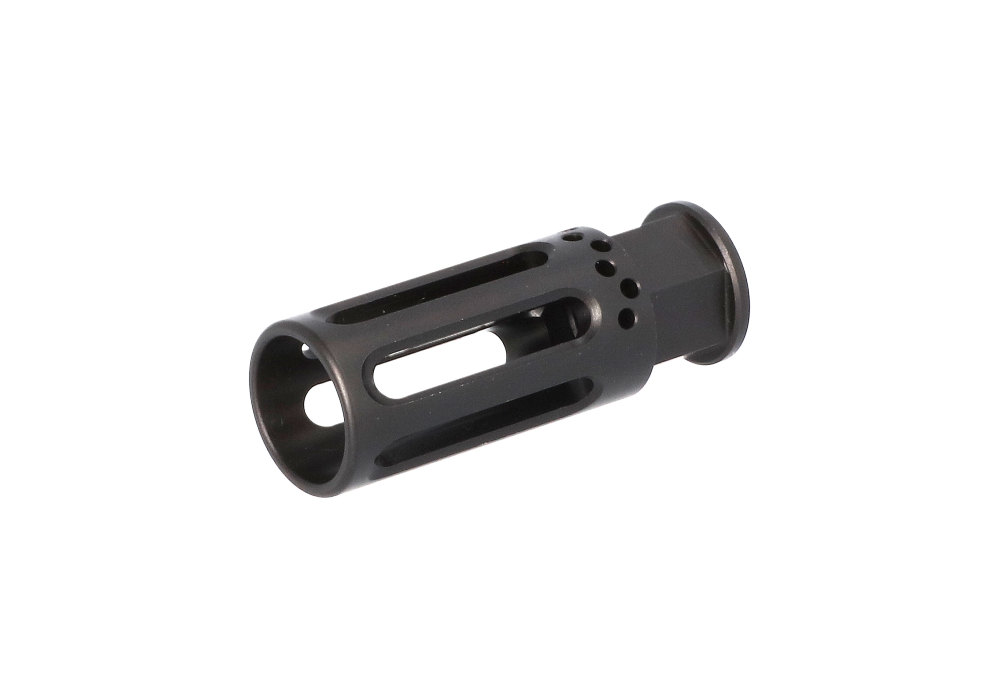
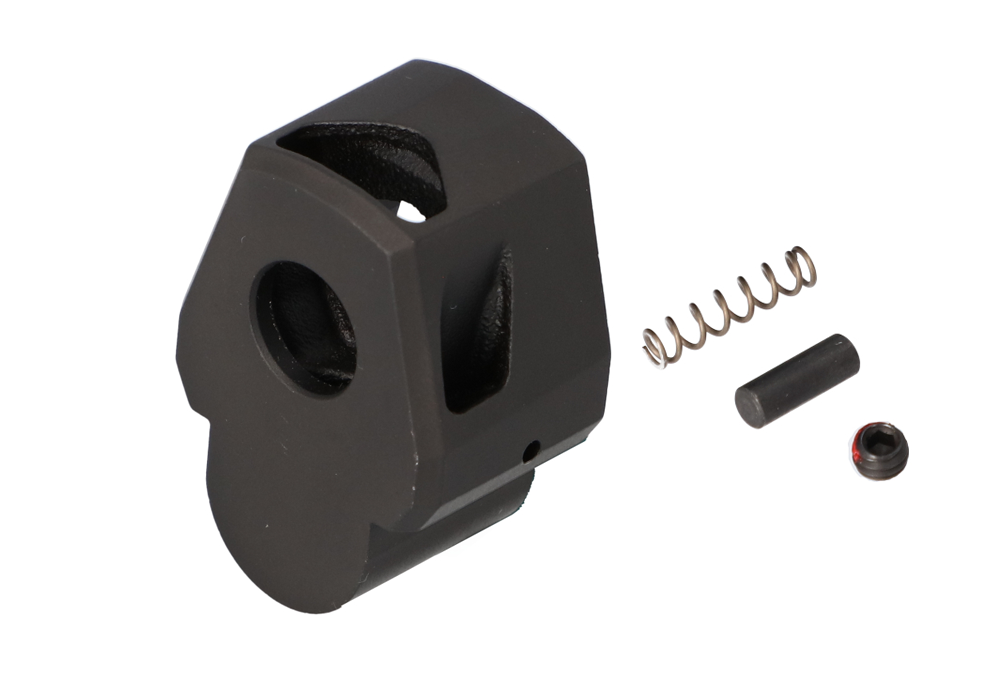
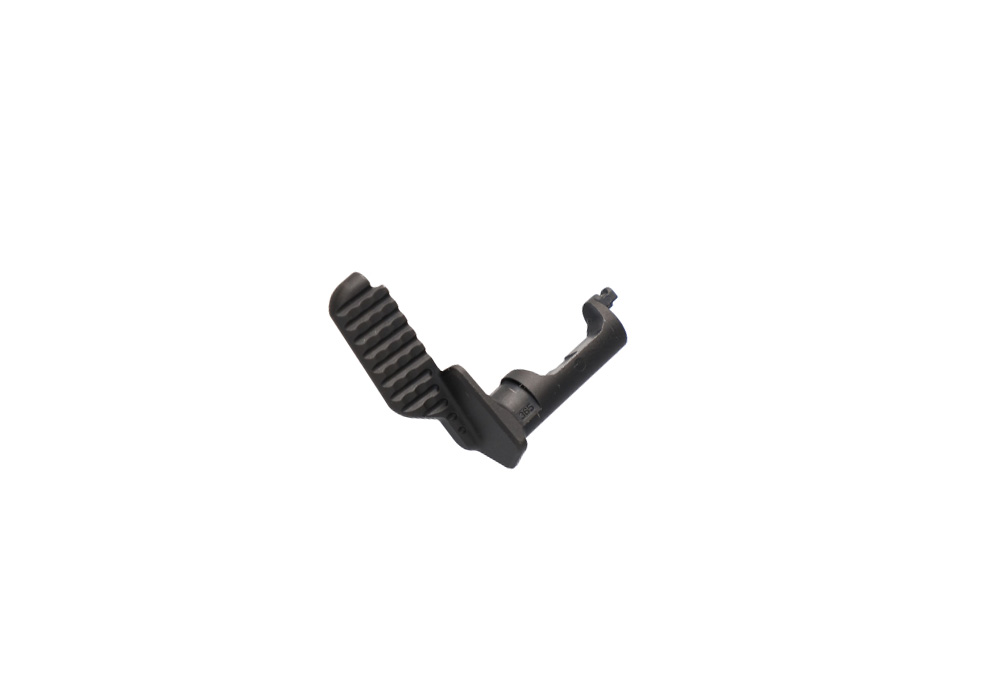
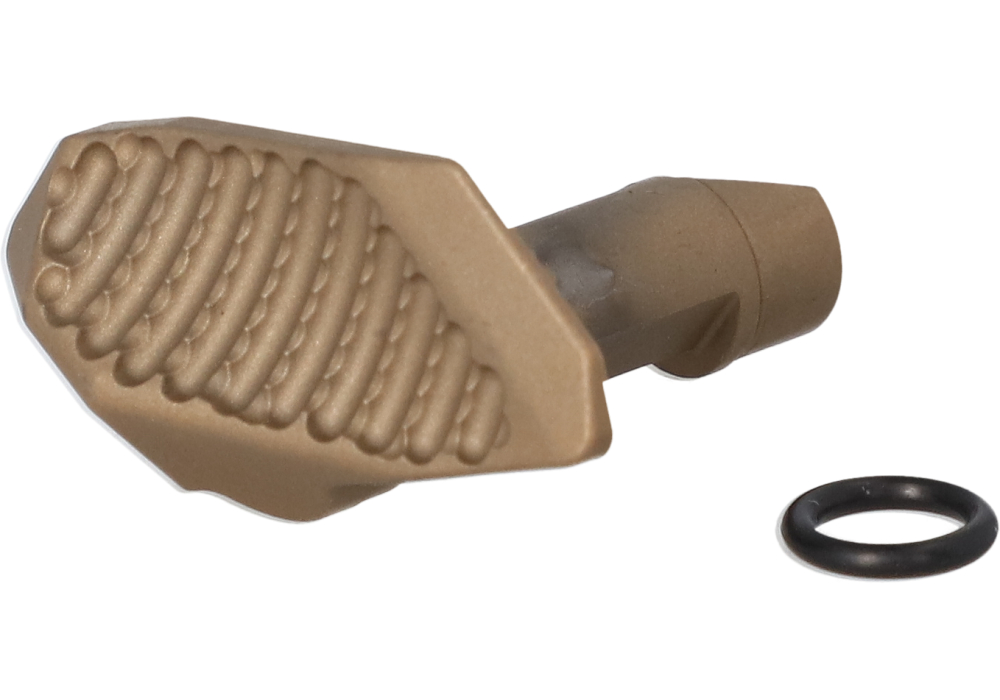
Firearm performance enhancements include accessories and replacement components designed to support clearer sight references, better ergonomic fit, comfortable control, and consistent handling. Common categories include optics, sights, grip accessories, controls, trigger-related components, and recoil-management accessories, each addressing a different aspect of the shooting experience. Their value depends on the firearm, the shooter, and the intended activity rather than a universal definition of an upgrade. For a recreational target shooter, a clearly defined sight picture and a comfortable grip may matter most. Someone participating in organized shooting sports may place greater emphasis on predictable handling and equipment that meets the rules of a particular discipline. A firearm used for lawful everyday carry brings additional considerations, including overall dimensions, secure holster compatibility, and dependable operation. Optics and sights offer different viewing characteristics, with lens clarity, reticle visibility, adjustment design, and housing durability contributing to the experience. Ergonomic accessories address the contact points between the shooter and the firearm, where differences in hand size, finger reach, and texture preference can become noticeable over a long practice session. Trigger-related components warrant particular attention to manufacturer compatibility and preservation of the firearm’s safety functions; a different feel is not automatically a better fit for every purpose. Recoil-management accessories can also affect balance and shooting comfort, but their suitability depends on the complete firearm configuration. None of these categories replaces sound fundamentals, appropriate training, or responsible handling. A useful enhancement supports an identifiable need without introducing unnecessary complexity. At a supervised range, for example, a shooter who struggles to distinguish a sight against a busy target background has a different equipment concern from someone whose grip feels uncomfortable halfway through a practice session. Understanding that distinction helps keep the focus on practical benefits rather than appearance alone. The most meaningful improvements often feel unobtrusive: a sight reference that is easier to see, a contact surface that feels natural, or controls that remain comfortable without interfering with safe operation.
Fit is central to evaluating firearm accessories because similar-looking platforms do not necessarily share the same dimensions, attachment interfaces, or component specifications. Model, generation, configuration, and manufacturer documentation all matter when assessing compatibility. An accessory intended for one configuration may affect clearances, holster fit, or the operation of another, even when the difference is not obvious at a glance. Manufacturer-approved installation requirements and assessment by a qualified gunsmith are especially important for components that interact with operating or safety systems. Physical comfort deserves equally careful consideration. Grip shape, surface texture, and control placement should suit the shooter’s hands and intended use without encouraging awkward positioning. A pronounced texture that feels secure during a range session may feel abrasive against clothing, while a smoother surface may offer a different balance of comfort and purchase. Related options in Firearm Comfort Enhancements address these contact-point considerations alongside the broader performance-focused categories. Materials contribute to both feel and longevity. Aluminum can offer a useful balance of weight and rigidity, steel is often selected where strength and wear resistance matter, and reinforced polymers can provide durable shapes without the weight of comparable metal components. Elastomer surfaces may soften contact areas, although their resistance to cleaning agents and wear varies by formulation. No material is automatically superior for every application. Construction quality, dimensions, finish, and suitability for the intended role are more informative than material names alone. Protective finishes can help resist corrosion and surface wear, but they do not eliminate the need for routine care. Optical components introduce additional concerns, including lens protection, accessible controls, and a housing that suits normal handling and transport. Small details become tangible in regular use: an edge that catches on a case lining, a surface that holds residue, or an adjustment control that is difficult to distinguish by touch. Accessories that fit correctly and feel comfortable tend to integrate more naturally into an established equipment setup, allowing attention to remain on safe practice rather than an unfamiliar or distracting interface.
Durability is best understood as reliable performance over repeated use, cleaning, transport, and storage—not simply a rugged appearance. Firearm performance accessories may encounter handling marks, cleaning residue, friction at contact points, and repeated movement inside cases or holsters. Appropriate care helps preserve their condition and makes developing problems easier to recognize. Cleaning methods should follow the accessory manufacturer’s recommendations, particularly where coated lenses, polymer surfaces, rubberized areas, or electronic housings are involved. A solvent suitable for one firearm component may not be appropriate for an adjacent accessory. Lens-safe cleaning materials, protective storage, and attention to visible wear can help protect equipment without unnecessary abrasion. Inspection and maintenance should take place with the firearm unloaded and handled according to its manufacturer’s safety instructions; unfamiliar wear, looseness, damage, or changes in function call for evaluation by a qualified professional. For accessories with electronic features, battery requirements and storage guidance are also part of ownership. Intended use provides context for these practical considerations. Frequent range visitors may appreciate surfaces that are easy to clean and components that remain comfortable through extended practice. Sporting participants need equipment compatible with their discipline’s rules, while collectors may prioritize preserving the firearm’s original configuration. Someone transporting equipment regularly may place particular value on protective cases and accessories that do not create awkward protrusions. These products can also be thoughtful gifts for an experienced firearm owner, provided the recipient’s preferences and exact compatibility requirements are understood. An accessory chosen for someone else should reflect an expressed need rather than an assumption about how that person shoots or handles equipment. Fit-sensitive and function-related components are especially personal choices. Across these uses, the strongest purchasing considerations remain straightforward: documented compatibility, appropriate materials, dependable construction, manageable care requirements, and a clear purpose. Firearm performance enhancements are most useful when they complement the equipment and habits already in place, supporting a comfortable, consistent experience without compromising safety or adding features that serve no practical role.