Shooting upgrades for fall matches are most useful when they suit the discipline, meet division rules, and address a practical need in an existing setup. Precision rifle, practical pistol, multigun, and sporting clays competitions place different demands on equipment, so a useful addition for one match may have little relevance to another. Precision rifle competitors often look closely at optical clarity, weather resistance, and protective storage. Practical pistol competitors may be more concerned with compatible sighting equipment, secure holsters, and comfortable belt systems. Multigun participants need organized transport for several types of equipment, while sporting clays shooters may prioritize eyewear, hearing protection, and comfortable carry gear. Across these disciplines, fall conditions bring their own considerations: low-angle sunlight across an open range, moisture on a bench, leaves underfoot, and an extra clothing layer that changes how equipment sits against the body. Useful accessories account for those ordinary details without adding unnecessary complexity. A bag that keeps protective glasses separate from dusty equipment can be more relevant than another accessory with no clear role. A case with dependable closures can matter when the walk from the parking area includes gravel, wet grass, and crowded staging areas. For newer competitors, the strongest starting point is often dependable personal protection and equipment that fits comfortably throughout a full match. Experienced participants may be replacing worn gear, improving organization, or choosing accessories better suited to a particular event. Neither approach requires changing everything at once. The most coherent match setup is one in which each piece has a clear purpose, works with the equipment already in use, and remains manageable through check-in, waiting periods, supervised competition, and the trip home. Familiarity matters, too: equipment that feels comfortable during a brief inspection should still be comfortable after several hours outdoors, with the same clothing, protective equipment, and range bag that will accompany it on match day.
Materials and construction help distinguish equipment intended for occasional outings from gear suited to repeated match use. Aluminum housings, reinforced polymers, abrasion-resistant fabrics, and corrosion-resistant hardware each serve different purposes; the relevant question is how the material supports the accessory’s intended use. A rigid protective case offers a different kind of protection than a lightweight fabric bag, and neither is automatically the better choice for every competitor. Padding, interior dividers, handle attachment points, zipper quality, and the ease of identifying small essentials all affect everyday usefulness. For optical equipment, lens quality, protective coatings, clearly documented weather resistance, and controls that remain comfortable to handle deserve attention alongside overall weight. Protective eyewear should fit securely, provide appropriate impact protection, and work comfortably with hearing protection rather than creating pressure at the temples. Hearing protection also needs a reliable fit; published performance information and manufacturer guidance are more useful than appearance alone. Clothing and gloves should allow comfortable movement without interfering with safe equipment handling, and footwear should suit the walking surfaces expected at the venue. Fit becomes especially important with firearm-specific accessories. Compatibility can vary by model, configuration, mounting interface, and manufacturer specifications, even when two accessories look similar in a photograph. Holsters should be intended for the exact firearm configuration and provide appropriate retention and trigger coverage, while cases should accommodate the complete setup without forcing closures or placing pressure on exposed components. Care requirements belong in the same purchase decision. Fabrics that can be cleaned according to their care labels, accessible compartments that do not trap debris, and replaceable wear components can make regular upkeep less cumbersome. Lenses need appropriate cleaning materials, and electronic accessories need storage and battery care consistent with their instructions. After a damp range day, equipment should be inspected and cared for as directed before storage. Durability is not simply a rugged appearance; it is the ability to remain serviceable through repeated packing, transport, outdoor exposure, cleaning, and use.
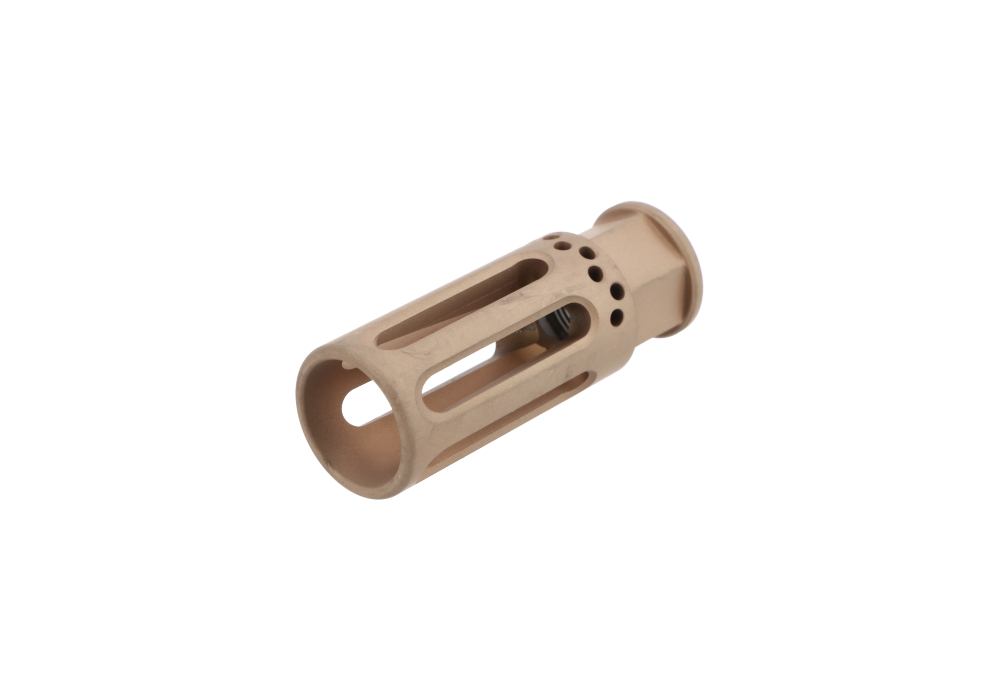
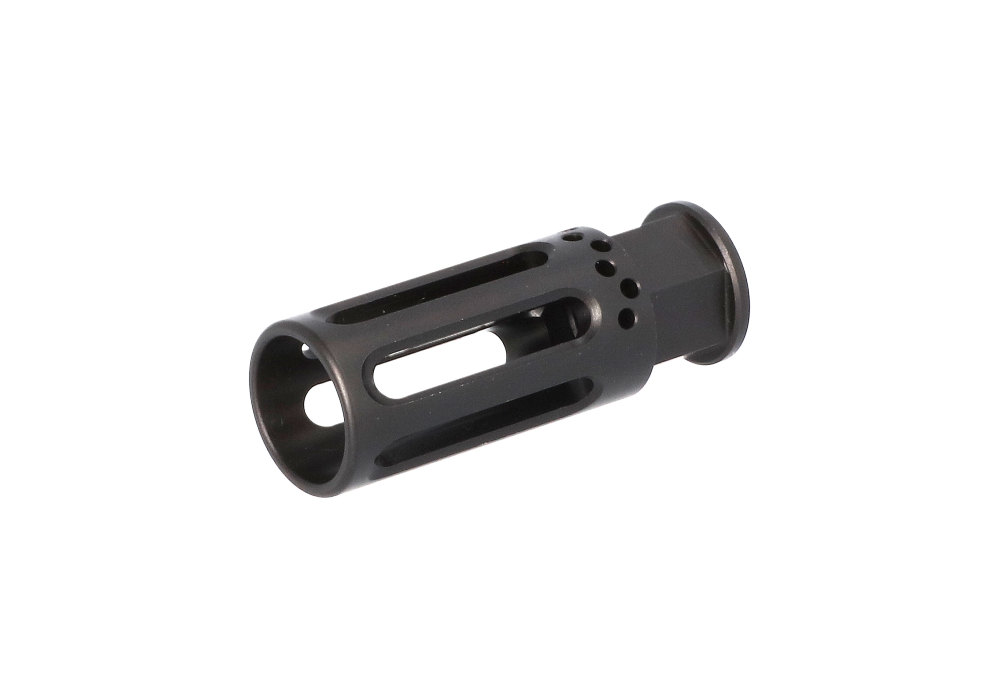
Match rules provide another important boundary for any fall equipment purchase. An accessory may fit a firearm yet still fall outside a particular division’s equipment requirements, and event policies can differ on protective equipment, transport, and permitted configurations. Published match rules and manufacturer documentation offer a firmer basis for selection than assumptions drawn from another competitor’s setup. When considering Compensators for Fall Firearm Upgrades, documented compatibility, division eligibility, and any applicable legal requirements deserve attention before a purchase, with installation questions directed to a qualified professional. The same thoughtful approach applies to less specialized additions. A range bag should suit the amount of equipment actually carried, not encourage packing every compartment simply because it is there. Protective storage should accommodate the journey and the destination, whether that means a short drive to a local club or travel to a larger competition. Accessories with clear identification, straightforward care requirements, and dependable fasteners can ease the routine of unpacking at a busy bench and checking equipment before heading home. These practical qualities also make certain categories suitable gifts for a competitor. Eye and hearing protection, protective cases, and range organization accessories can be thoughtful choices when the recipient’s fit preferences and existing equipment are known. Firearm-specific components call for more exact information and are best selected with the recipient’s confirmed specifications rather than guesswork. A regular club competitor may appreciate a replacement for a worn everyday essential, while someone preparing for a first sanctioned event may value comfortable protection and orderly storage more than specialized equipment. Fall match gear earns its place through those concrete uses: protecting equipment from a damp bench, keeping glasses accessible between stages, carrying essentials comfortably across the grounds, and reducing clutter when attention belongs on event procedures. Well-chosen upgrades support a consistent routine, respect the demands of the discipline, and remain useful beyond a single competition weekend.